
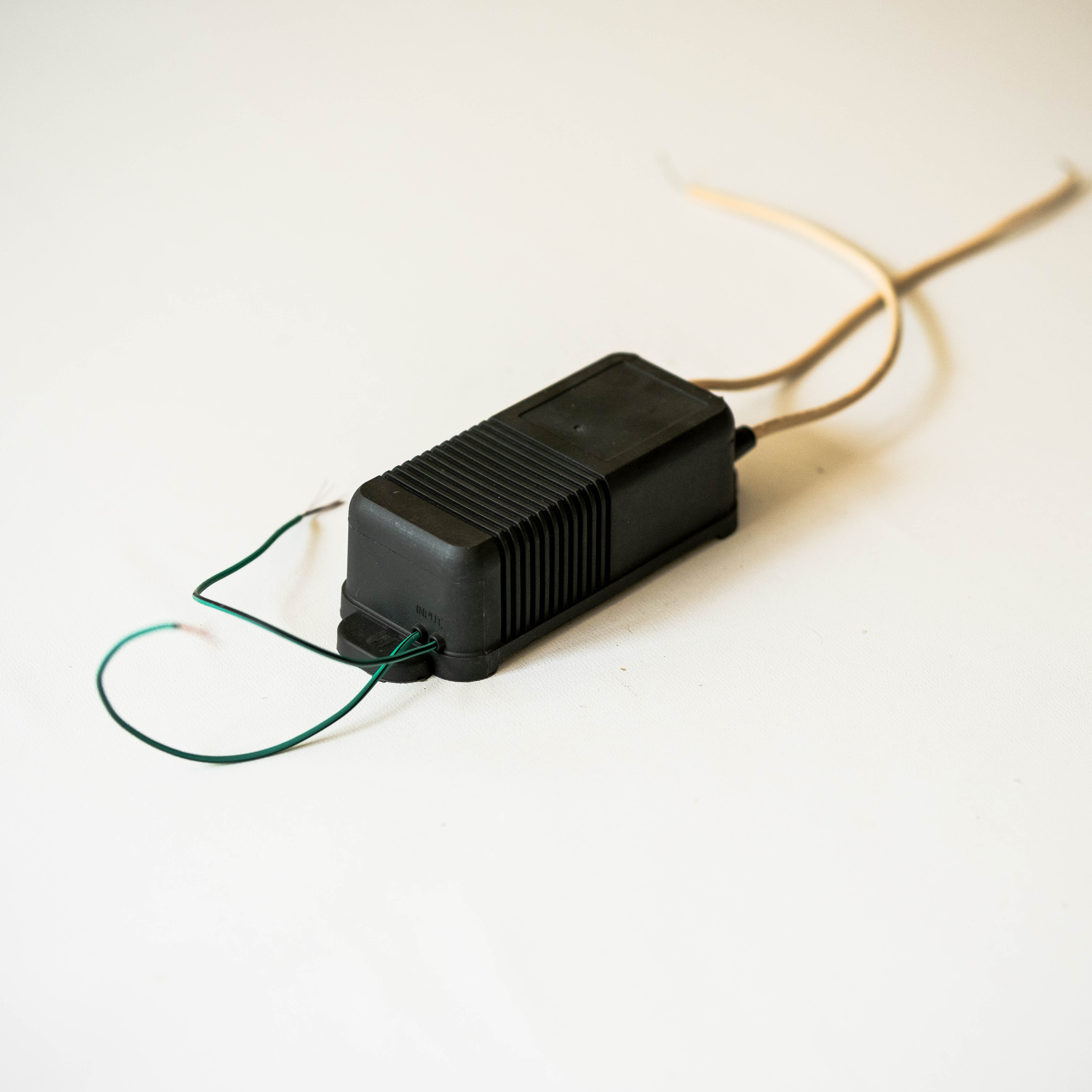
An ozone generator has become one of the most practical tools in modern industrial environments. From eliminating persistent odors in manufacturing plants to neutralizing harmful microorganisms in food processing facilities, the ozone generator plays...
VIEW MORE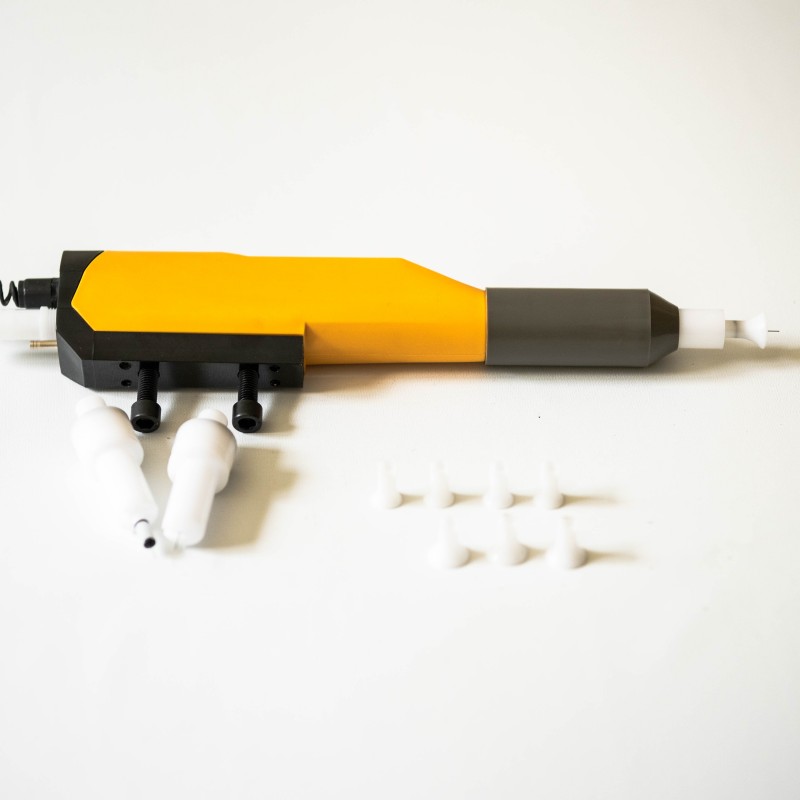
Daily Cleaning: Essential Steps to Prevent Clogging and Cross-Contamination Thorough daily cleaning of your powder coating spray gun prevents costly downtime and finish defects. Contaminated equipment causes 37% of application failures, per industr...
VIEW MORE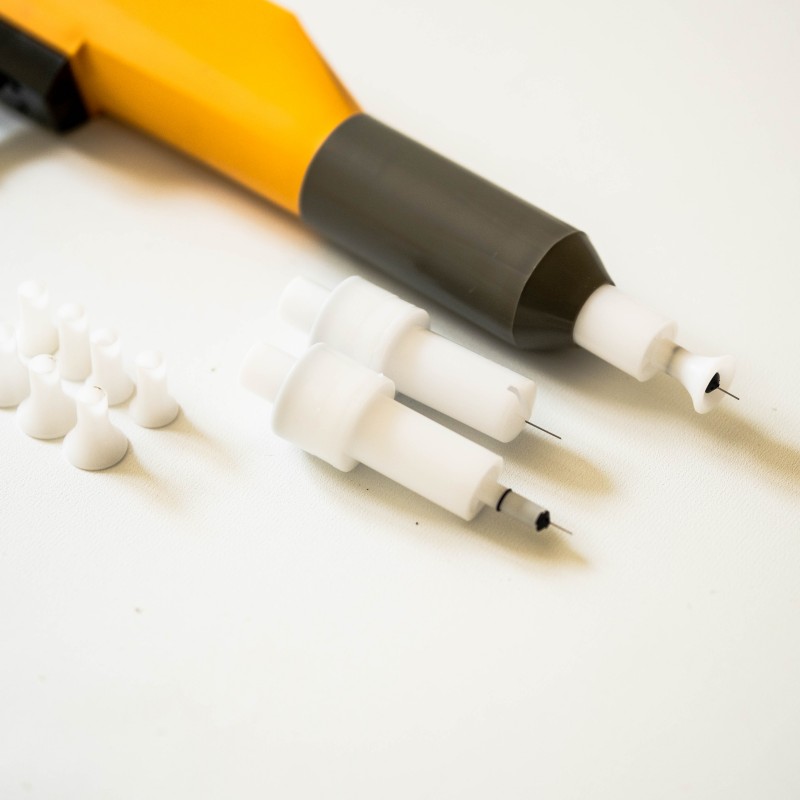
How Nozzle Geometry Shapes Spray Pattern Formation in Powder Coating Spray Guns Swirl Chamber Design and Inlet Orientation: Axial vs. Tangential Flow Effects on Pattern Symmetry Swirl chamber configuration fundamentally governs airflow dynamics&mda...
VIEW MORE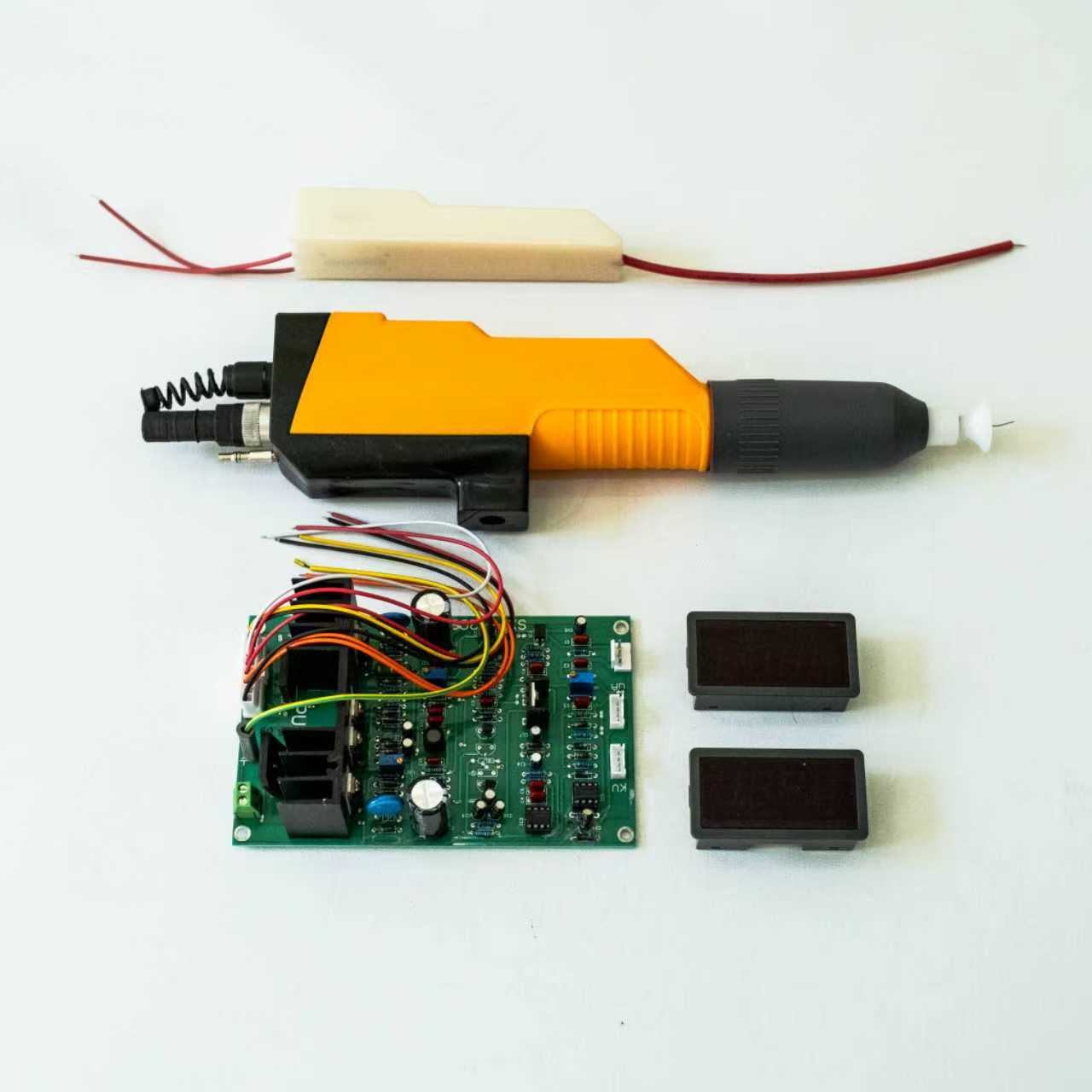
The powder coating industry has witnessed remarkable technological advancement in recent years, with the powder coating spray gun evolving from a simple application tool into a sophisticated piece of engineering. Modern powder coating spray gun desig...
VIEW MORE
Insulation Integrity Testing Under High-Frequency Flyback Stress Dielectric Withstand and Partial Discharge Testing per VDE 0806 & IEC 61558 Dielectric withstand testing applies high-potential AC/DC voltages to verify insulation breakdown threshold...
VIEW MORE
Core Design Parameters That Dictate the Need for a Custom Flyback Transformer Turns Ratio, Winding Configuration, and Switching Frequency Alignment Precise turns ratio calibration is essential for optimal voltage conversion and efficiency in flybac...
VIEW MORE
Powder coating operations face constant pressure to reduce material waste while maintaining high-quality finishes. The powder coating spray gun serves as the critical interface between your powder supply and the substrate, making its proper use essen...
VIEW MORE
Understanding EMI Generation in Flyback Transformers dv/dt and di/dt Transients as Primary Radiated EMI Sources Rapid voltage transitions (dv/dt) and current spikes (di/dt) during flyback transformer switching cycles generate intense electromagneti...
VIEW MORE
Ferrite Cores in Flyback Transformers: Performance and Limitations Permeability, saturation flux density (Bsat), and thermal stability from 100–500 kHz Ferrite cores dominate flyback transformer designs for their high permeability—typic...
VIEW MORE
Operating a powder coating spray gun demands more than technical skill. Every operator must understand the safety risks involved and take structured precautions before each use. From high-voltage electrical exposure to airborne powder inhalation, the...
VIEW MORE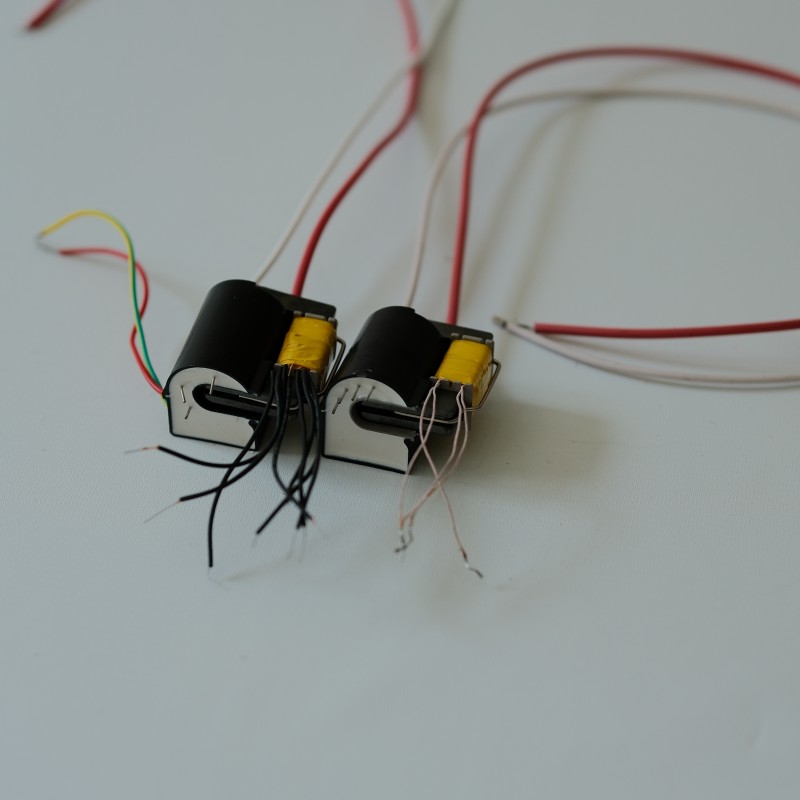
Operating Principles: Energy Storage vs. Energy Transfer How Flyback Transformers Store and Release Energy (Discontinuous Conduction Mode) Flyback transformers function as coupled inductors, storing energy in their magnetic core during the switch-o...
VIEW MORE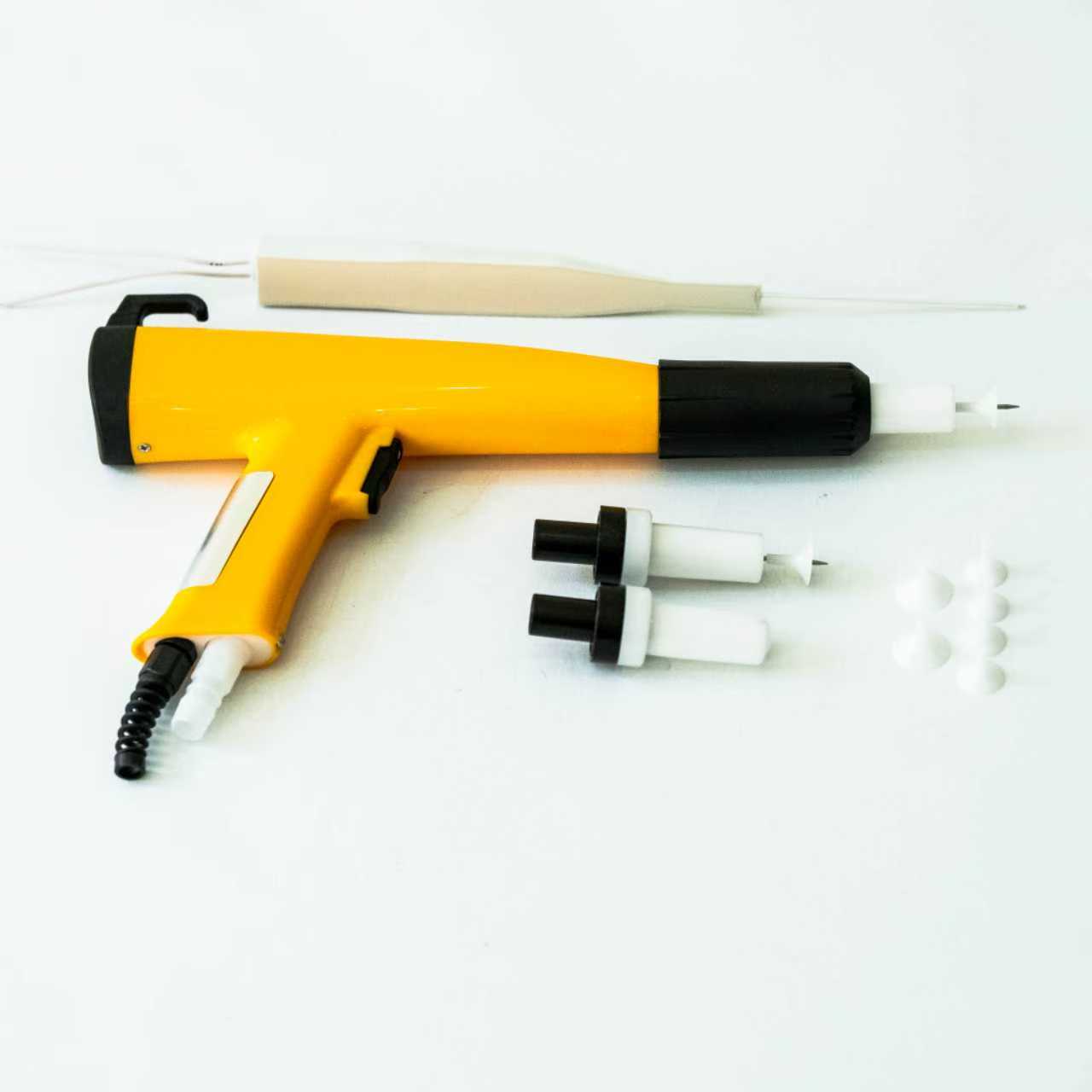
Selecting the right powder coating spray gun for your production line is one of the most consequential equipment decisions you will make as a finishing operation manager or procurement professional. The wrong choice can lead to inconsistent film thic...
VIEW MORE
Copyright © 2026 Yangzhou Sanxing Technology CO.,LTD. All rights reserved. - Privacy policy