
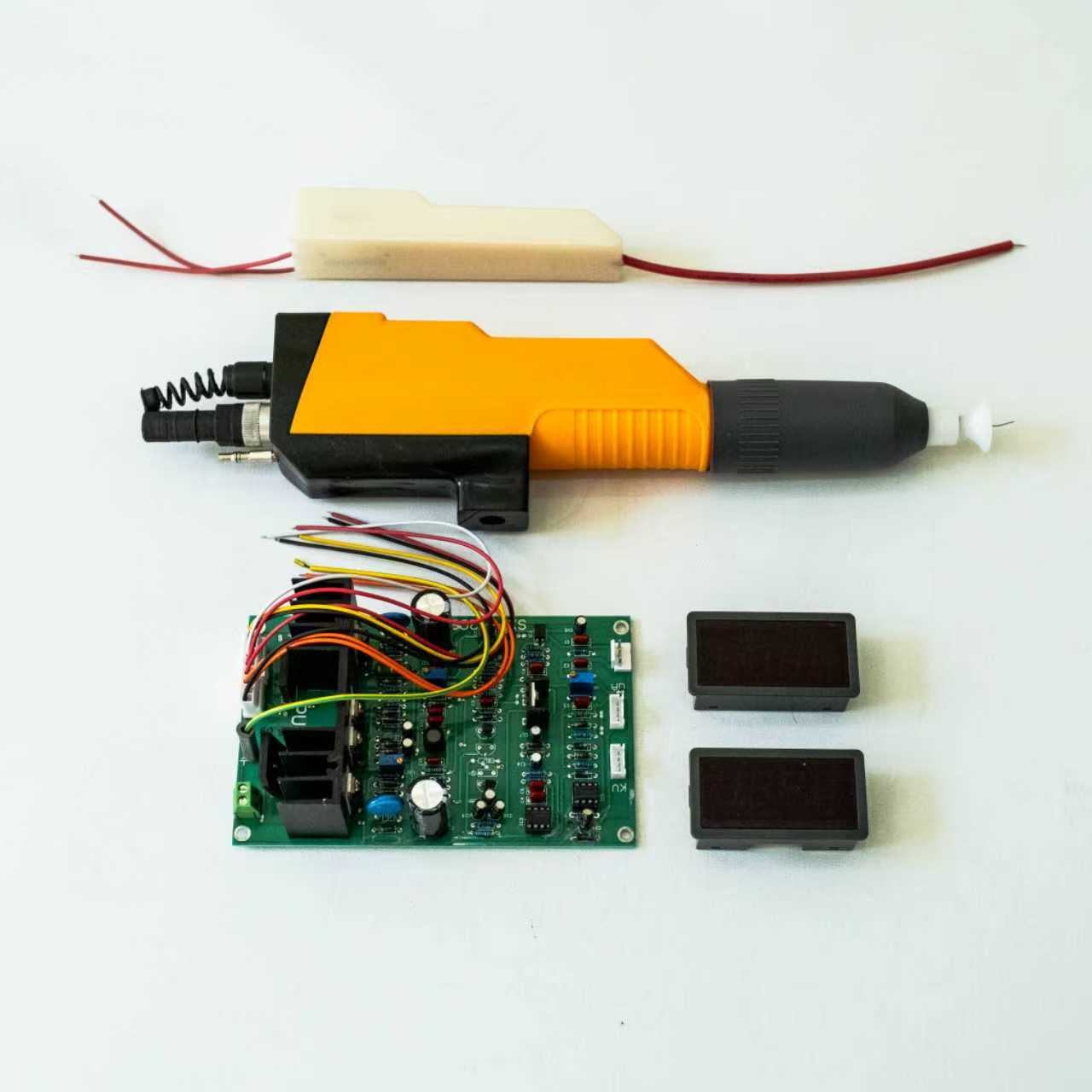
Powder coating operations face constant pressure to reduce material waste while maintaining high-quality finishes. The powder coating spray gun serves as the critical interface between your powder supply and the substrate, making its proper use essential for cost control. Inefficient powder coating spray gun techniques can waste 20 to 40 percent of your powder through overspray, poor transfer efficiency, and excessive booth contamination. Understanding how your powder coating spray gun operates and implementing proven optimization strategies directly impacts your bottom line by reducing powder consumption, minimizing reclaim challenges, and improving first-pass quality rates.
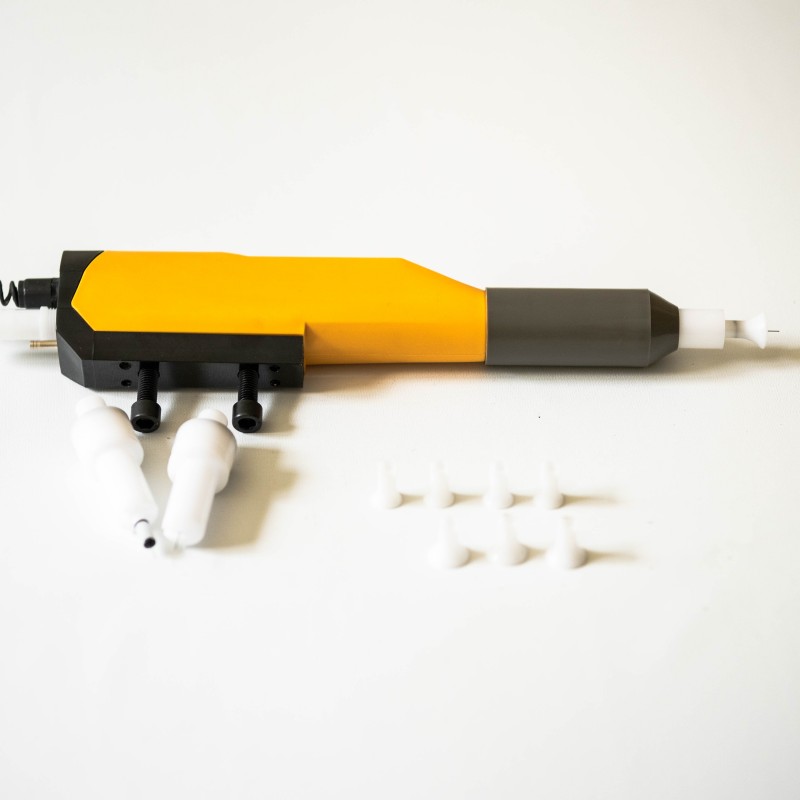
Optimizing powder usage requires a systematic approach that addresses equipment settings, operator technique, and environmental conditions. Every powder coating spray gun operates within specific parameters that determine particle charge, spray pattern geometry, and deposition efficiency. When these parameters align with your substrate geometry, powder characteristics, and throughput requirements, you achieve maximum material utilization. This article examines the core techniques that reduce powder waste, focusing on practical adjustments you can implement immediately to improve your powder coating spray gun performance and lower your per-part coating costs.
Understanding Powder Coating Spray Gun Transfer Efficiency
What Transfer Efficiency Means for Your Operation
Transfer efficiency measures the percentage of powder leaving your powder coating spray gun that actually adheres to the target substrate. A powder coating spray gun operating at 65 percent transfer efficiency means 35 percent of your powder misses the part, falls to the booth floor, or creates dust clouds that contaminate the environment. Industry-standard powder coating spray gun systems achieve 60 to 75 percent transfer efficiency under optimal conditions, but many operations run significantly lower due to improper technique. Each percentage point improvement in transfer efficiency directly reduces your powder consumption and reclaim handling costs.
The electrostatic charge applied by your powder coating spray gun determines how effectively particles wrap around complex geometries and resist bounce-back. When voltage settings match powder resistivity and environmental humidity levels, charged particles follow electric field lines to coat recessed areas and back surfaces that direct spray cannot reach. Operators who understand this principle adjust their powder coating spray gun positioning to leverage electrostatic attraction rather than fighting it with excessive powder flow rates that overwhelm the charge capacity.
Key Factors Affecting Powder Deposition
Distance between the powder coating spray gun tip and substrate critically affects transfer efficiency, with optimal ranges typically between 6 and 10 inches depending on powder type and gun design. Holding your powder coating spray gun too close creates concentrated powder buildup that leads to orange peel and back ionization, while excessive distance allows charged particles to disperse before reaching the target. Operators must adjust powder coating spray gun distance dynamically as they coat different part geometries, moving closer for flat surfaces and pulling back for inside corners where powder naturally concentrates.
Powder flow rate settings on your powder coating spray gun determine how many particles enter the charge field per second. Higher flow rates do not necessarily improve coating speed because they can saturate the electrostatic field, causing particles to repel each other and reduce deposition efficiency. Starting with lower powder coating spray gun flow rates and increasing only until you achieve adequate coverage prevents the common mistake of pumping excessive powder that cannot physically adhere to the substrate. This measured approach to powder coating spray gun operation typically improves transfer efficiency by 10 to 15 percentage points compared to maximum-flow techniques.
Practical Powder Coating Spray Gun Technique Adjustments
Optimizing Spray Pattern and Gun Motion
The spray pattern width emitted by your powder coating spray gun should match the substrate width you are coating, minimizing overspray beyond part edges. Narrow patterns concentrate powder for small parts and detailed areas, while wider patterns increase coverage speed on large flat panels. Adjusting your powder coating spray gun air settings changes pattern geometry, with higher atomizing air creating wider, less dense patterns and lower air producing tighter, more concentrated coverage. Matching pattern to part geometry reduces wasted powder coating spray gun output that misses the substrate entirely.
Consistent powder coating spray gun movement speed prevents thin spots and heavy buildup that both waste material. Moving your powder coating spray gun too slowly creates thick coatings that require more powder than necessary, while rushing produces thin coverage that needs additional passes. Experienced operators maintain steady traverse speeds of 3 to 4 feet per second, overlapping each pass by 30 to 50 percent depending on powder coating spray gun pattern density. This disciplined approach to powder coating spray gun motion ensures uniform film build with minimal material waste.
Voltage and Air Pressure Fine-Tuning
Electrostatic voltage settings on your powder coating spray gun must balance particle charge against back ionization risk. Starting at 60 kilovolts and increasing until you observe slight orange peel or sparking identifies the maximum effective charge for your specific powder and humidity conditions. Operating your powder coating spray gun at 5 to 10 kilovolts below this threshold maximizes wrap and deposition while preventing the charge saturation that causes powder to repel from the substrate. Regular voltage optimization as environmental conditions change maintains peak powder coating spray gun transfer efficiency.
Air pressure drives powder through your powder coating spray gun and shapes the spray pattern, but excessive pressure wastes powder by creating turbulent clouds that resist electrostatic control. Reducing atomizing air pressure to the minimum level that maintains consistent powder flow typically improves transfer efficiency without sacrificing coverage speed. Testing your powder coating spray gun performance at pressures between 8 and 12 PSI reveals the sweet spot where powder velocity supports good atomization without creating the high-velocity streams that blow past the target. Lower air settings also reduce booth contamination by minimizing the dust clouds that waste reclaimed powder.
Advanced Strategies for Powder Waste Reduction
Part Positioning and Coating Sequence
How you orient parts relative to your powder coating spray gun dramatically affects powder utilization efficiency. Positioning complex geometries so major surfaces face the primary spray direction reduces the powder wasted on difficult-to-coat back sides and recesses. Planning your powder coating spray gun approach to coat large flat areas first, then detail areas second, prevents the common waste pattern where operators coat everything equally regardless of deposition difficulty. Strategic sequencing of powder coating spray gun passes concentrates material where electrostatic attraction naturally supports adhesion.
Coating similar colors and powder types in batches maximizes reclaim value by preventing color contamination in your booth recovery system. Switching powder coating spray gun materials mid-shift creates mixed powder that often cannot be reused, forcing disposal of perfectly good material. Batch processing parts that use the same powder allows your powder coating spray gun operation to reclaim and reuse overspray without quality concerns, often recovering 85 to 95 percent of floor powder. This operational discipline around powder coating spray gun scheduling directly reduces virgin powder consumption.
Environmental Control and Equipment Maintenance
Humidity levels between 40 and 60 percent optimize powder coating spray gun electrostatic performance, with higher humidity improving powder flow and lower humidity increasing charge retention. Monitoring booth conditions and adjusting your powder coating spray gun voltage settings accordingly maintains consistent transfer efficiency across seasonal changes. Installing humidity control systems prevents the performance swings that cause operators to compensate with excessive powder flow from their powder coating spray gun, wasting material to overcome environmental limitations.
Regular maintenance of your powder coating spray gun components prevents the gradual efficiency losses that increase powder consumption over time. Worn electrode tips reduce charging efficiency, forcing higher flow rates to achieve adequate coverage. Clogged powder passages in your powder coating spray gun create uneven spray patterns that waste material on overlap areas. Implementing weekly cleaning schedules and monthly component inspections keeps your powder coating spray gun operating at design efficiency, preventing the slow degradation that operators often compensate for by using more powder rather than addressing root causes.
FAQ
What is the ideal distance to hold a powder coating spray gun from the part?
The optimal powder coating spray gun distance ranges from 6 to 10 inches depending on powder type, gun model, and part geometry. Flat surfaces typically work best at 8 to 10 inches, while recessed areas and inside corners benefit from 6 to 8 inches. Operators should adjust powder coating spray gun distance dynamically throughout each part rather than maintaining fixed positioning, moving closer for direct surfaces and pulling back where electrostatic wrap naturally concentrates powder. Testing different distances with your specific powder coating spray gun and measuring film thickness helps identify the sweet spot that maximizes transfer efficiency for your operation.
How does powder coating spray gun voltage affect material usage?
Higher voltage settings on your powder coating spray gun increase particle charge, improving wrap around complex geometries and back surface coverage, which can reduce the need for multiple passes and lower overall powder consumption. However, excessive voltage causes back ionization where charged powder repels from the substrate, dramatically increasing waste. The most efficient powder coating spray gun voltage sits just below the threshold where orange peel or sparking appears, typically 60 to 80 kilovolts depending on powder resistivity and humidity. Optimizing voltage for your conditions often improves transfer efficiency by 5 to 10 percentage points compared to default settings.
Can reclaimed powder from powder coating spray gun overspray be reused effectively?
Reclaimed powder from powder coating spray gun overspray can typically be reused at ratios up to 90 percent reclaim to 10 percent virgin powder without quality issues when proper collection and screening practices are followed. The key factors determining reclaim quality include preventing color contamination, screening out debris and oversprayed particles, and monitoring for moisture contamination in the recovery system. Operations that batch similar colors through their powder coating spray gun systems and maintain clean booth environments achieve reclaim reuse rates of 85 to 95 percent, directly reducing virgin powder purchases. Testing reclaimed powder periodically for particle size distribution and charging characteristics ensures your powder coating spray gun will perform consistently with recycled material.