
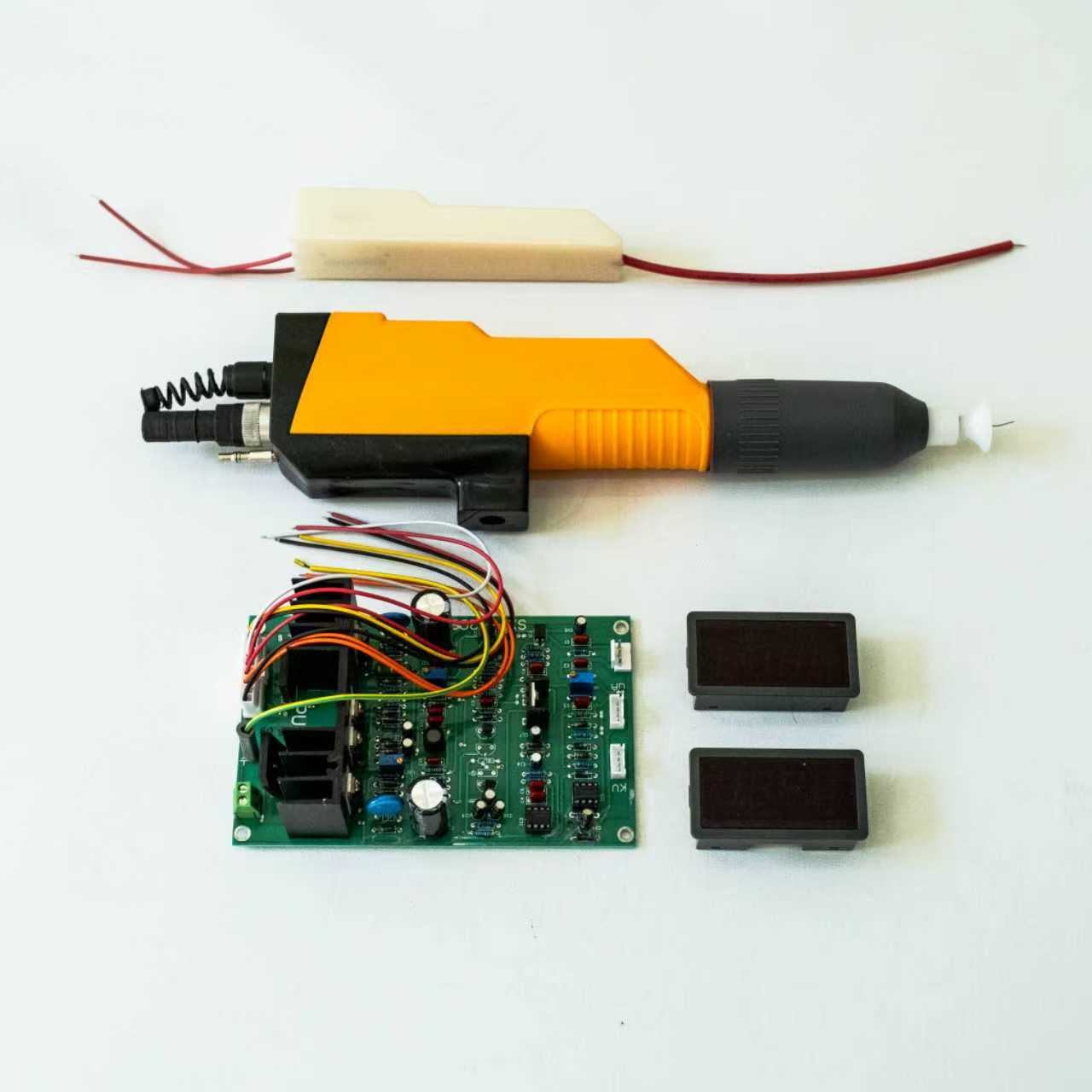
Operating a powder coating spray gun demands more than technical skill. Every operator must understand the safety risks involved and take structured precautions before each use. From high-voltage electrical exposure to airborne powder inhalation, the hazards are real and preventable when proper protocols are followed consistently.
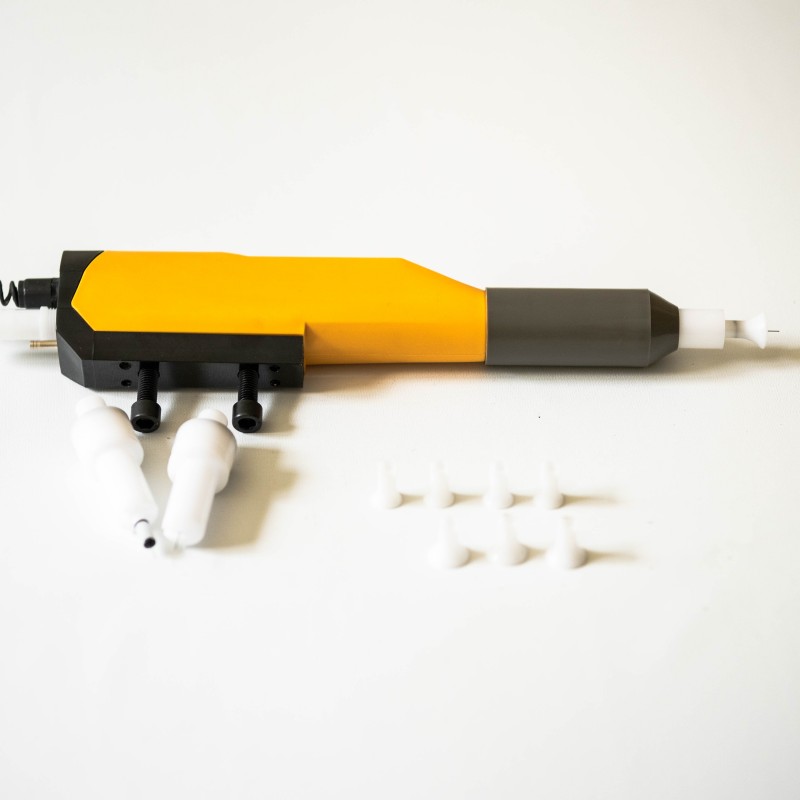
A powder coating spray gun uses electrostatic charge to bond dry powder to a grounded workpiece, making it highly efficient but also potentially dangerous if mishandled. This article outlines the core safety measures every operator, supervisor, and facility manager should follow when working with a powder coating spray gun in an industrial or workshop environment.
Electrical Safety When Using a Powder Coating Spray Gun
Understanding High-Voltage Risks
A powder coating spray gun generates high voltage — typically between 30 kV and 100 kV — to electrostatically charge the powder particles. This level of voltage can cause serious injury if the operator comes into direct contact with a live gun component. Before picking up a powder coating spray gun, always verify that the voltage is within the manufacturer's recommended range and that the control unit is functioning correctly.
Never modify or bypass the safety interlocks built into a powder coating spray gun system. These interlocks are designed to cut voltage when abnormal conditions are detected. Tampering with them removes a critical layer of protection and puts every nearby worker at risk. Operators should also avoid pointing a charged powder coating spray gun at people, fluid containers, or any ungrounded objects.
Grounding and Workpiece Preparation
Proper grounding is one of the most important safety measures when using a powder coating spray gun. Both the workpiece and the spray booth structure must be grounded before any powder coating spray gun operation begins. Poor or missing grounding allows static electricity to accumulate on the workpiece, which can result in sudden electrostatic discharge, sparks, and even ignition of airborne powder.
Inspect grounding cables and clamps before every shift. A visually intact cable can still have internal breaks that prevent effective conductivity. Use a continuity tester to confirm grounding integrity. When a powder coating spray gun is used in a production line, all conveyor hooks and hangers must also be cleaned regularly to maintain reliable ground contact throughout the entire coating process.
Ventilation and Powder Containment Safety
Controlling Airborne Powder Exposure
Airborne powder particles generated by a powder coating spray gun can accumulate quickly in an enclosed space. When powder concentration in the air reaches a critical level, the risk of a dust explosion becomes significant. Every workspace where a powder coating spray gun is operated must be equipped with an adequate ventilation system that continuously removes excess powder from the breathing zone and the spray area.
Spray booths used with a powder coating spray gun should have negative pressure airflow to prevent powder from escaping into the surrounding workspace. Filters must be inspected and replaced according to a scheduled maintenance plan. Blocked or saturated filters reduce airflow, allowing powder concentration to rise to dangerous levels. Never operate a powder coating spray gun in a booth with a known filter issue.
Preventing Ignition Sources Near Powder Areas
Dry coating powders used with a powder coating spray gun are combustible. Open flames, sparks from grinding tools, and hot surfaces near a powder coating spray gun operation zone represent serious ignition risks. Establish a clear exclusion zone around the spray area and ensure that no hot work activity occurs within that zone during or after a powder coating spray gun session until the area has been fully cleared and ventilated.
Electrical equipment installed inside or near a spray booth must be rated for use in areas with combustible dust. Standard motors, switches, and lighting fixtures can produce sparks that ignite powder. Using explosion-proof or intrinsically safe equipment in the vicinity of a powder coating spray gun significantly reduces ignition risk without compromising operational efficiency.
Personal Protective Equipment and Handling Practices
Required PPE for Powder Coating Spray Gun Operators
Every operator using a powder coating spray gun must wear appropriate personal protective equipment at all times. At minimum, this includes a NIOSH-approved respirator or a powered air-purifying respirator to protect against fine powder inhalation. Standard surgical or dust masks are not adequate for powder coating spray gun operations, as the particles are small enough to penetrate non-rated filtration materials.
Chemical-resistant gloves protect the hands from prolonged skin contact with coating powder, which can cause irritation or sensitization over time. Safety glasses or goggles shield the eyes from powder particles that may deflect off the workpiece during powder coating spray gun application. Operators should also wear anti-static or ESD-rated clothing to reduce the risk of static buildup on their bodies while operating a powder coating spray gun.
Safe Handling, Storage, and Maintenance of the Gun
A powder coating spray gun must be inspected before each use for damaged cables, cracked electrodes, clogged nozzles, or worn seals. Any defect found on a powder coating spray gun should be reported and repaired before the gun is returned to service. Operating a powder coating spray gun with known mechanical faults increases both the risk of poor coating quality and the chance of an electrical or mechanical incident.
When cleaning a powder coating spray gun, always disconnect it from the power source first. Use only dry, compressed air to purge internal powder residue unless the manufacturer explicitly permits wet cleaning methods. Store a powder coating spray gun in a dry, dust-free cabinet when not in use, and ensure that the power cable is coiled without sharp bends to prevent internal wire damage. Scheduled preventive maintenance on each powder coating spray gun unit extends service life and keeps safety performance at its highest level.
FAQ
What is the most common safety hazard when using a powder coating spray gun?
The most common hazards associated with a powder coating spray gun are electric shock from high-voltage components and combustible dust accumulation. Both risks are manageable through proper grounding, adequate ventilation, and consistent use of personal protective equipment before and during every powder coating spray gun operation.
How often should a powder coating spray gun be inspected for safety?
A powder coating spray gun should be visually inspected before every use and undergo a more detailed technical inspection at scheduled intervals as recommended by the manufacturer. Regular inspections help identify worn electrodes, damaged cables, or clogged components that could compromise the safety and performance of the powder coating spray gun.
Can a powder coating spray gun be used without a spray booth?
Using a powder coating spray gun without an enclosed spray booth is not recommended in most industrial settings. A spray booth provides controlled ventilation, powder containment, and grounding infrastructure essential for safe powder coating spray gun operation. Without these controls, airborne powder levels can reach hazardous concentrations and increase both health and fire risks significantly.