
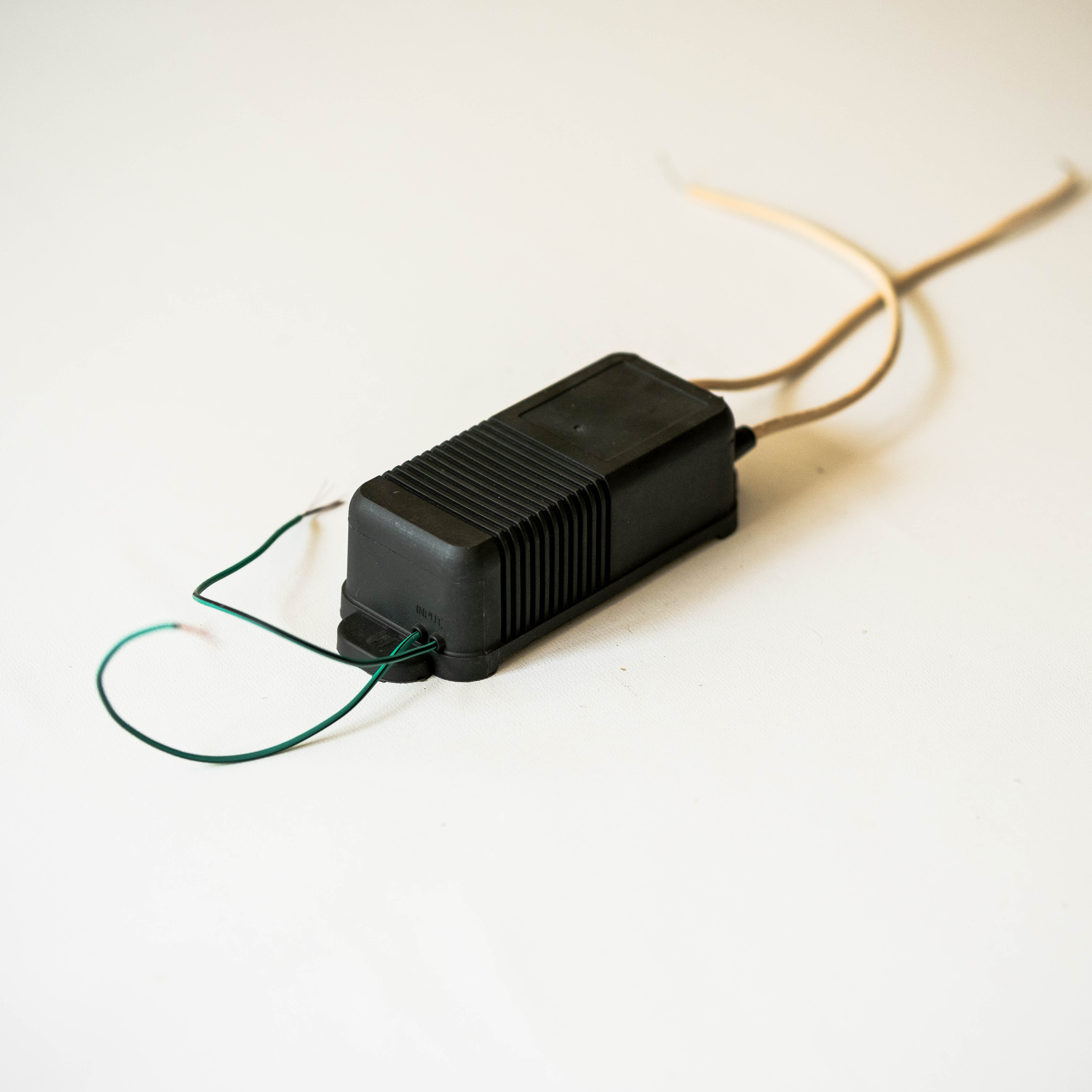
An ozone generator has become one of the most practical tools in modern industrial environments. From eliminating persistent odors in manufacturing plants to neutralizing harmful microorganisms in food processing facilities, the ozone generator plays a central role in maintaining safe, compliant, and hygienic operations. As industries face increasing regulatory pressure around workplace air quality and sanitation standards, understanding exactly where and how an ozone generator delivers measurable value is more important than ever.
The core mechanism of an ozone generator relies on converting oxygen molecules into ozone, a highly reactive gas that attacks odor-causing compounds and pathogens at the molecular level. Unlike masking agents or chemical sprays, an ozone generator destroys the source of contamination rather than covering it up. This makes the ozone generator a preferred solution in sectors where hygiene and air quality directly affect product integrity, worker health, and regulatory compliance. This article examines the specific industrial applications where an ozone generator proves most effective.
Ozone Generator Applications in Industrial Deodorization
Eliminating Odors in Manufacturing and Waste Treatment
Industrial manufacturing processes frequently generate volatile organic compounds and sulfur-based gases that create intense, persistent odors. An ozone generator addresses this challenge by oxidizing these compounds before they accumulate in enclosed workspaces or escape into surrounding communities. Facilities such as rubber processing plants, paint shops, and chemical manufacturing units rely on the ozone generator to reduce odor complaints and meet local emission standards. The ozone generator works continuously in ventilation systems, treating air streams at the source rather than waiting for contamination to spread.
Waste treatment facilities present some of the most demanding deodorization challenges in any industrial setting. Sewage processing plants, landfill operations, and composting facilities depend on the ozone generator to neutralize ammonia, hydrogen sulfide, and other malodorous gases produced during decomposition. Deploying an ozone generator at strategic points within the air handling system ensures that odor levels remain within acceptable limits for both workers and nearby residents. Many operators report that replacing older chemical scrubbing systems with an ozone generator reduces operational costs while improving odor control consistency.
Cold Storage and Food Processing Environments
Cold storage warehouses and food processing plants face a dual challenge: controlling odors and preventing microbial cross-contamination simultaneously. An ozone generator handles both tasks efficiently within a single system. In cold storage environments, the ozone generator suppresses mold growth on surfaces and in the air, extending the shelf life of stored produce. Because an ozone generator operates without leaving chemical residues, it is well suited for environments where product contact contamination must be strictly avoided. The ozone generator can be programmed to run during off-hours when workers are not present, aligning treatment cycles with safety protocols.
Ozone Generator Role in Industrial Disinfection
Surface and Air Disinfection in Production Facilities
Disinfection in industrial production environments requires a method that penetrates hard-to-reach surfaces, equipment gaps, and airborne zones without damaging sensitive machinery or leaving toxic residues. An ozone generator fulfills this requirement by releasing ozone gas that diffuses uniformly throughout enclosed spaces. The ozone generator is particularly effective in pharmaceutical manufacturing rooms, beverage bottling lines, and medical device assembly areas, where strict sterility standards apply. Because ozone naturally reverts to oxygen after the disinfection cycle, an ozone generator leaves no harmful by-products that could compromise product purity or worker safety.
Many industrial facilities integrate the ozone generator into their automated cleaning and disinfection protocols. After a production run, the ozone generator activates and treats the room or equipment area for a defined period. This approach reduces dependence on labor-intensive manual disinfection and chemical sanitizers. The ozone generator delivers repeatable results that can be documented for audit and compliance purposes, making it a reliable component of quality management systems in regulated industries.
Water Disinfection in Industrial Processes
Beyond air treatment, an ozone generator is widely used for disinfecting process water in industrial applications. Cooling towers, water recycling systems, and production wash lines benefit from ozone injection generated by a dedicated ozone generator unit. The ozone generator eliminates bacteria, biofilm, and algae from water circuits without the need for high volumes of chlorine or other aggressive chemicals. In the textile, paper, and electronics manufacturing sectors, using an ozone generator for water treatment reduces chemical procurement costs and simplifies wastewater compliance. The ozone generator also reduces the risk of Legionella growth in large water systems, which is a critical safety concern in industrial buildings.
Selecting and Deploying an Ozone Generator for Industrial Use
Key Factors in Ozone Generator Selection
Choosing the right ozone generator for an industrial application depends on several technical and operational factors. The output capacity of an ozone generator, typically measured in grams per hour, must match the volume of the space or the flow rate of the air or water system being treated. A correctly sized ozone generator ensures effective treatment without over-saturating the environment with ozone levels that exceed safety thresholds. Facilities should evaluate whether a corona discharge ozone generator or an ultraviolet-based ozone generator better fits their humidity conditions, maintenance capabilities, and budget constraints.
Installation placement is equally critical. An ozone generator positioned at the air intake of a ventilation system treats air before it circulates, while an ozone generator placed within the treatment zone handles localized contamination directly. Many industrial operators use multiple ozone generator units in a networked configuration to cover large facilities comprehensively. Regular maintenance of each ozone generator, including electrode cleaning and sensor calibration, ensures consistent output and extends equipment service life.
Safety Protocols When Operating an Ozone Generator
Operating an ozone generator in industrial settings requires strict adherence to exposure limit guidelines. Ozone at high concentrations is harmful to human respiratory systems, so any ozone generator deployment must include real-time monitoring systems and clearly defined re-entry intervals after treatment cycles. Facilities using an ozone generator should train staff on safety procedures and install automatic shutoff systems that deactivate the ozone generator if personnel enter the treatment zone unexpectedly. Combining an ozone generator with proper ventilation design ensures that ozone dissipates to safe levels before the workspace is reoccupied.
FAQ
What industries benefit most from an ozone generator?
Industries such as food processing, pharmaceuticals, waste treatment, cold storage, and chemical manufacturing benefit most from an ozone generator. Each of these sectors has stringent hygiene, odor control, or disinfection requirements that an ozone generator addresses efficiently without relying solely on chemical alternatives.
How long does an ozone generator need to run for effective disinfection?
The required run time for an ozone generator depends on room volume, ozone output capacity, and the target contamination level. In most industrial applications, an ozone generator operates for 30 minutes to several hours during unmanned treatment cycles, followed by a ventilation period before workers re-enter the space.
Can an ozone generator replace chemical disinfectants entirely?
In many scenarios, an ozone generator can significantly reduce or replace chemical disinfectants, particularly for air and surface treatment. However, some applications may still require chemical disinfection for contact surfaces or specific pathogens. An ozone generator works best as a primary or complementary layer in a broader industrial hygiene program.