
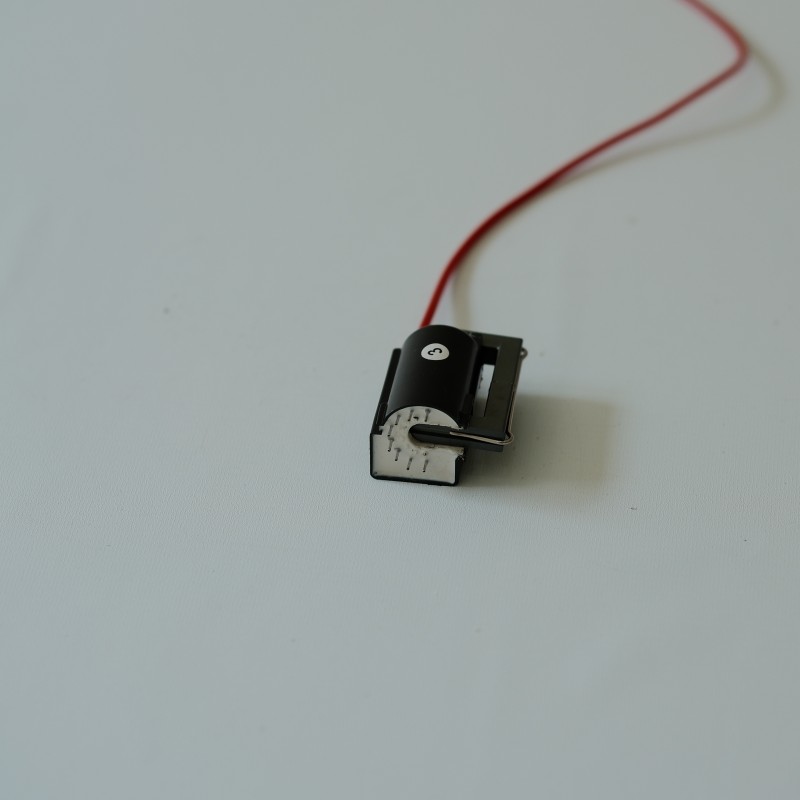
UL Certification: Safety and EMC Foundations for High Voltage Modules UL certification establishes critical safety benchmarks for high voltage modules in industrial and automotive applications. As a voluntary standard, it validates product reliabil...
VIEW MORE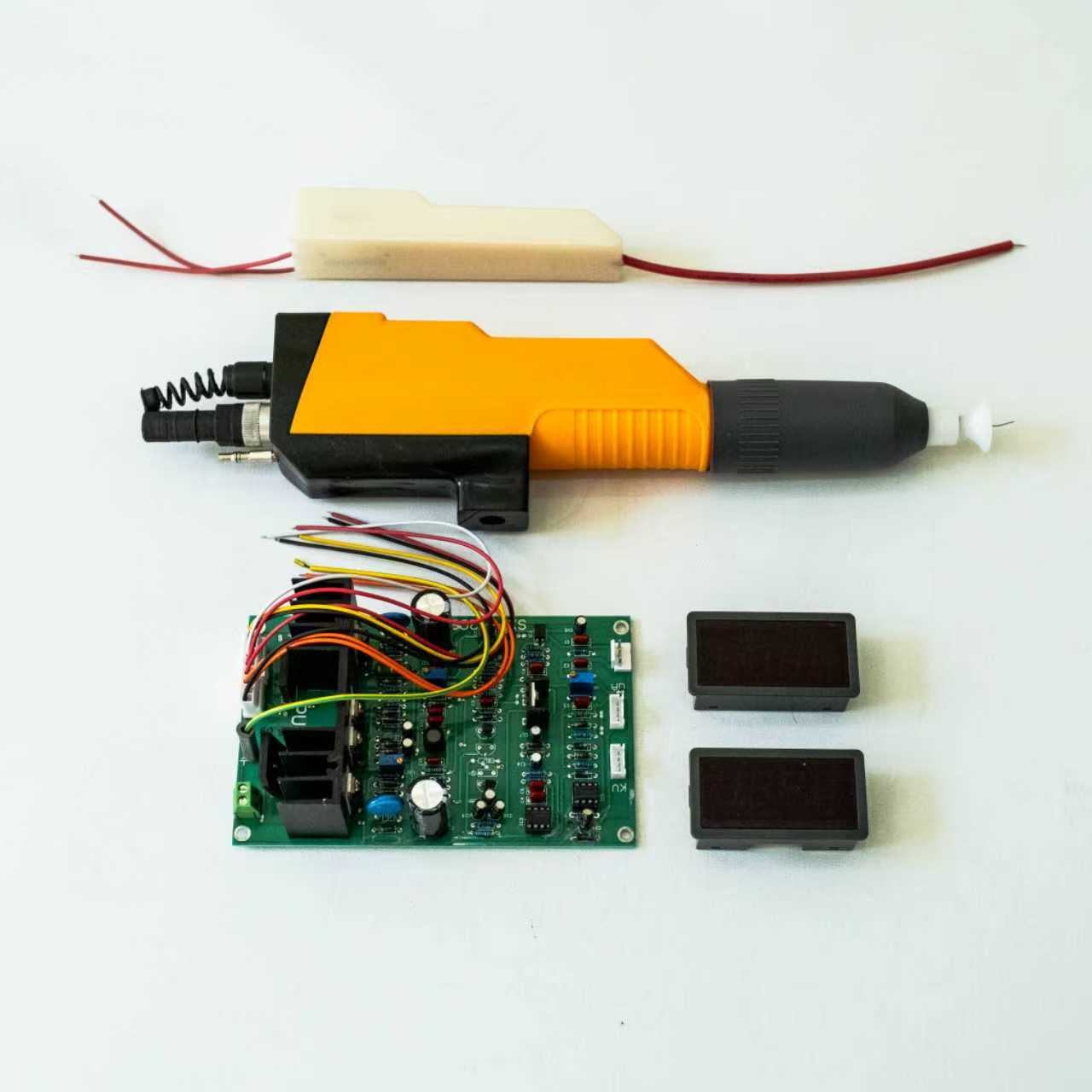
In modern industrial finishing operations, the powder coating spray gun has become one of the most critical tools for achieving consistent, high-quality surface finishes. As manufacturers face increasing pressure to reduce material waste, improve thr...
VIEW MORE
Ripple Current Fundamentals in High Voltage Modules What Is Ripple Current and Why It Matters for High Voltage Module Design Ripple current is the residual AC fluctuation superimposed on a DC bus, primarily generated by high-frequency switching in ...
VIEW MORE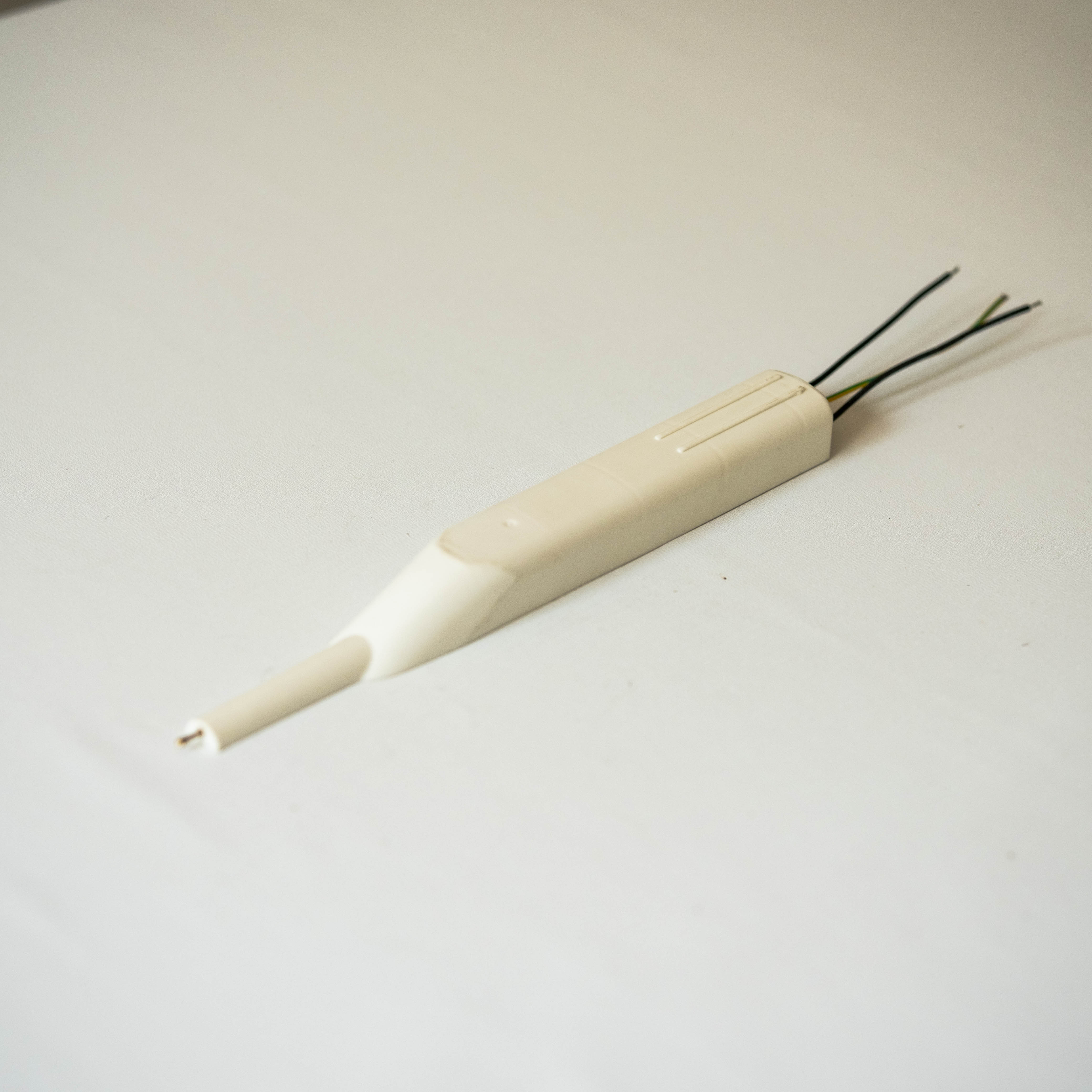
The flyback transformer has long been a cornerstone of power electronics, enabling efficient energy transfer in applications ranging from consumer electronics to industrial power supplies. Yet the technology is far from static. In recent years, a wav...
VIEW MORE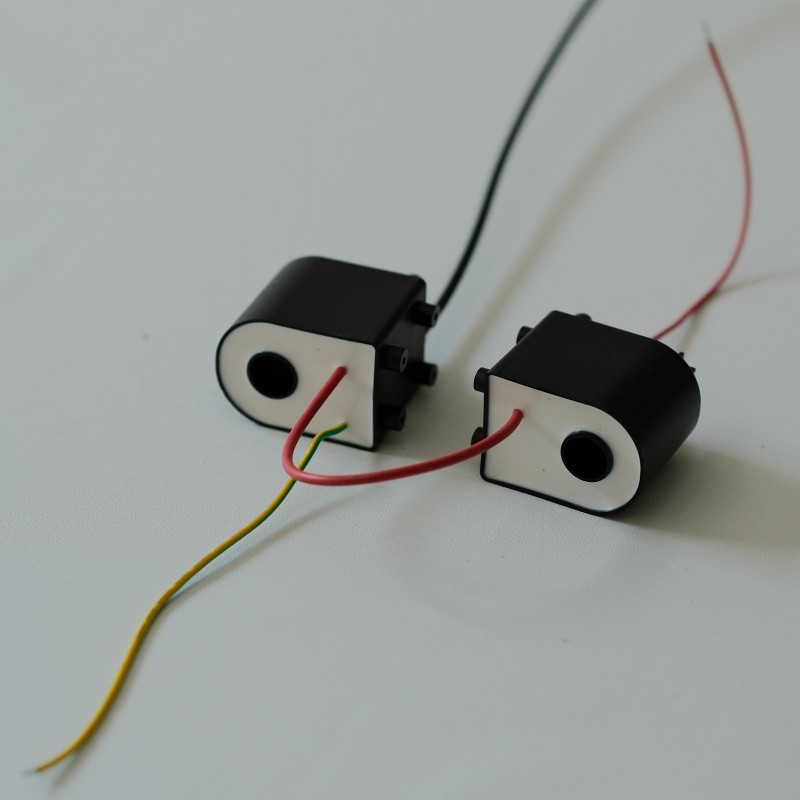
Why High Voltage Modules Demand Predictive—Not Preventive—Maintenance High voltage modules face unique failure risks—insulation degradation, partial discharge, and thermal runaway—where traditional preventive maintenance con...
VIEW MORE
HV Module EMC Regulatory Landscape and Test Requirements High voltage modules must comply with stringent international electromagnetic compatibility (EMC) standards to prevent interference with critical vehicle systems. Component-level validation d...
VIEW MORE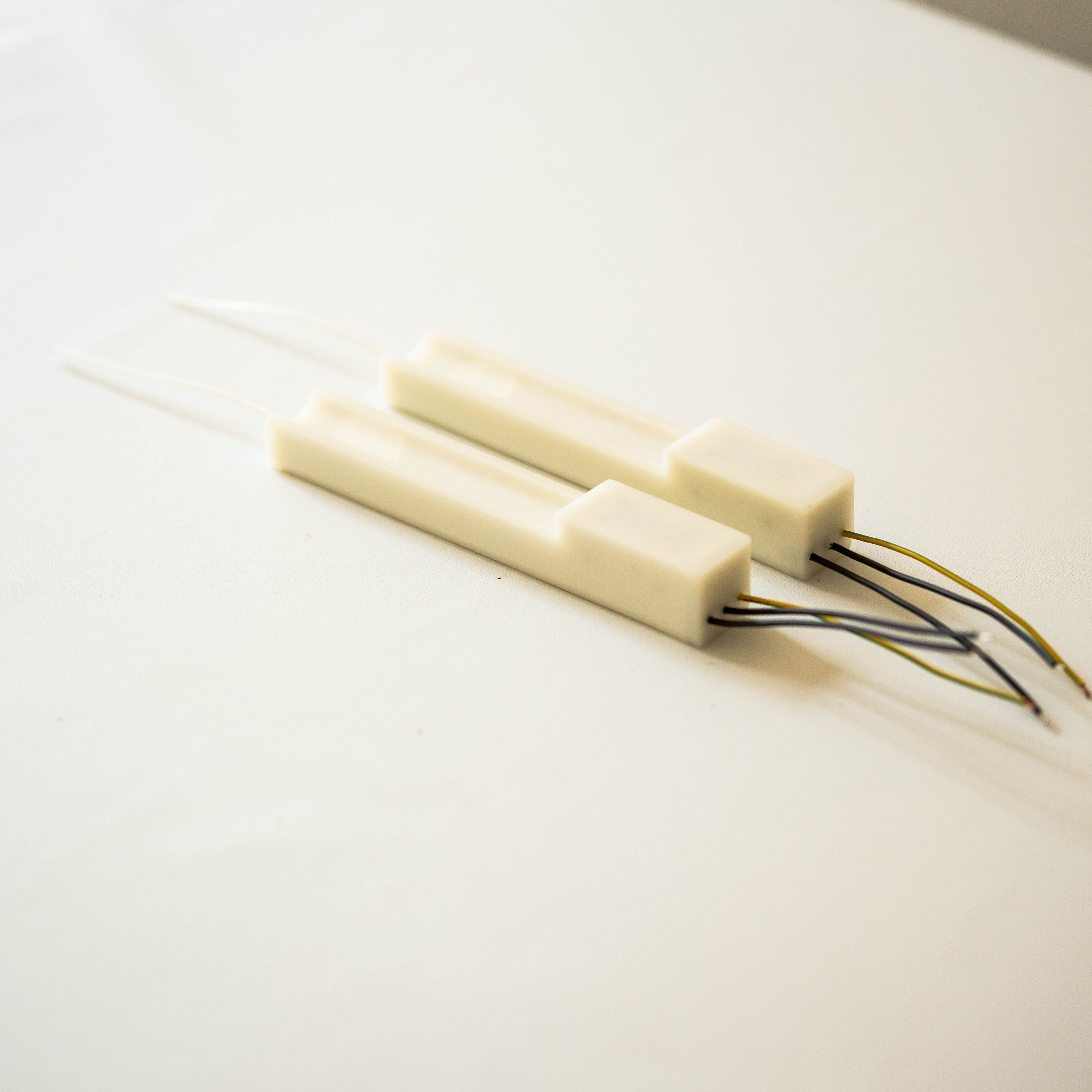
A flyback transformer is one of the most electrically demanding components found in modern power electronics. Operating at high voltages and high frequencies, it stores and releases energy in rapid cycles, making it both highly efficient and genuinel...
VIEW MORE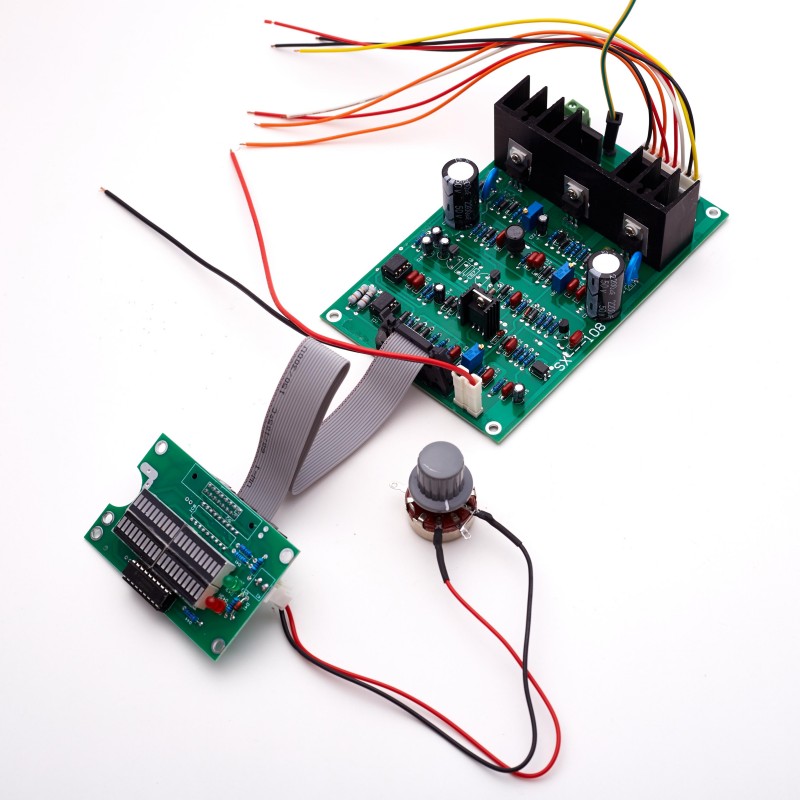
Why Thermal Management Is Critical for High-Voltage Modules Thermal runaway risks and reliability degradation at high voltage and >10 MHz switching High-voltage modules operating above 10 MHz face exponentially greater thermal runaway risks due to ...
VIEW MORE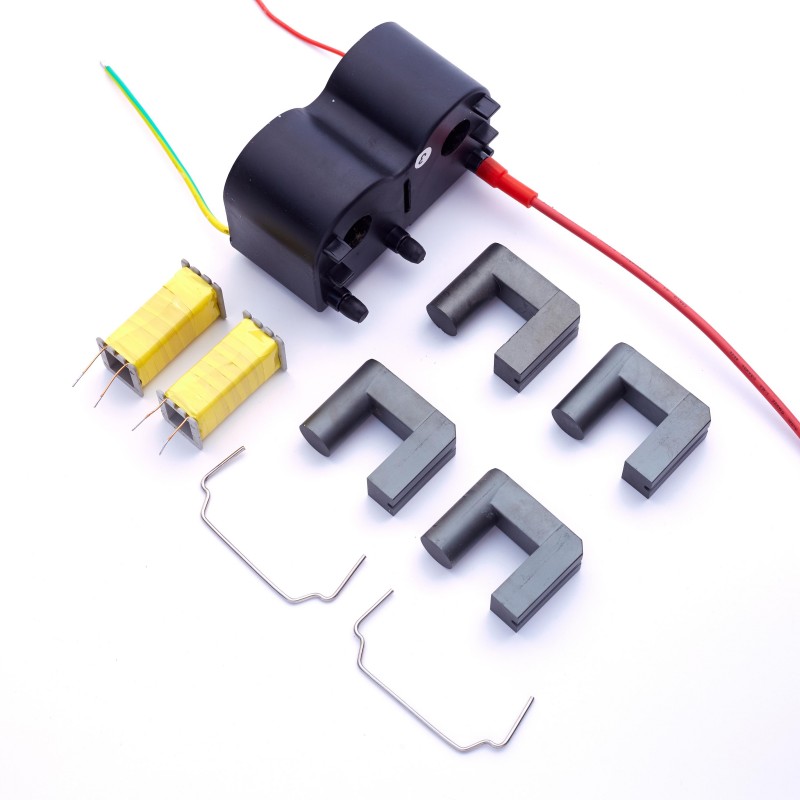
How Electrostatic Spraying Works: Core Principles Driving Material Compatibility Charge generation, particle charging, and Coulombic attraction fundamentals Electrostatic spraying relies on three interlinked physical principles: high-voltage charge...
VIEW MORE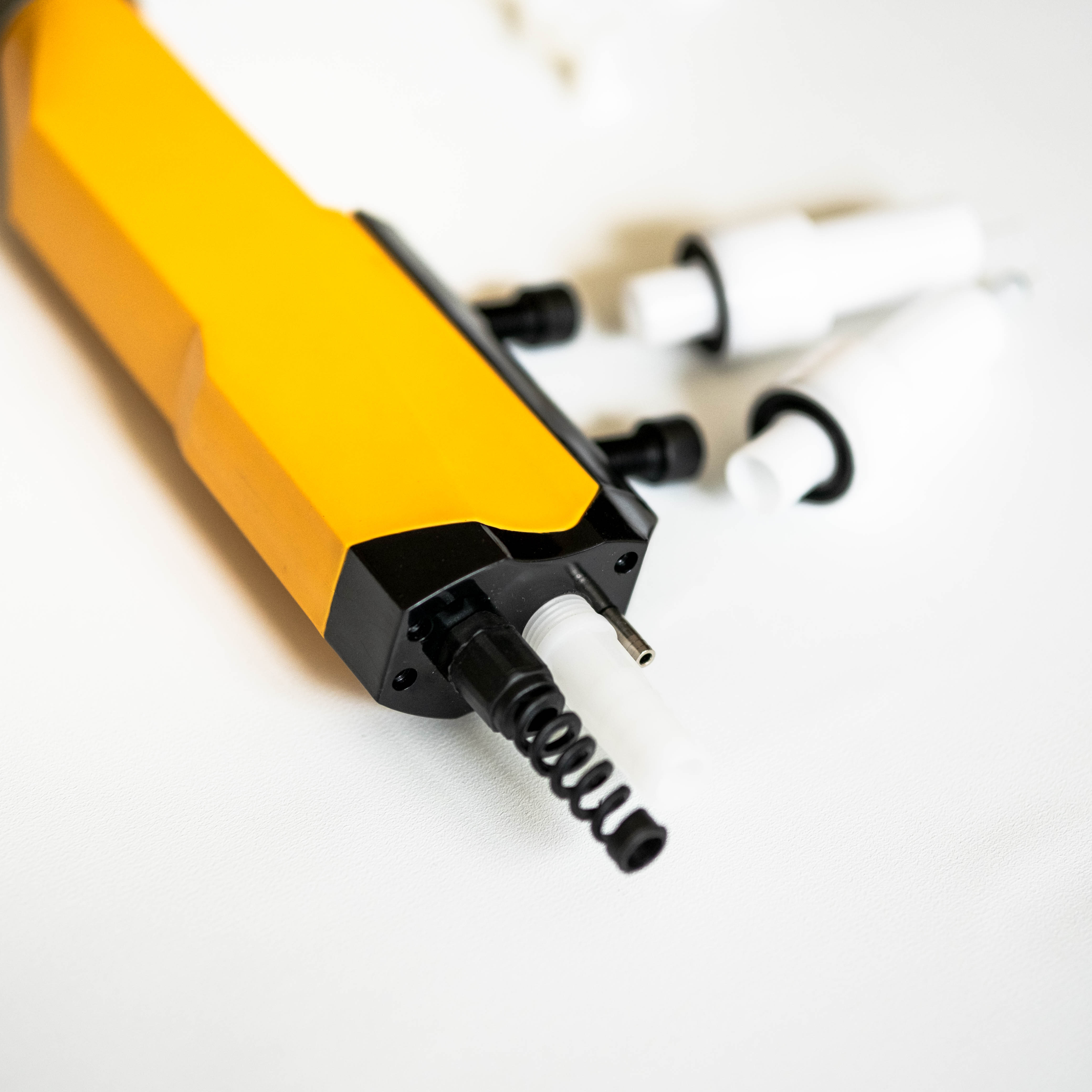
A flyback transformer is one of the most critical components in switched-mode power supply designs, responsible for energy storage, voltage conversion, and galvanic isolation all within a single magnetic assembly. Because it operates under high-frequ...
VIEW MORE
How Electrostatic Spraying Reduces VOC Emissions at the Source The physics of charge-driven deposition: Why electrostatic attraction minimizes overspray and solvent release Electrostatic spraying imparts a controlled electrical charge to coating pa...
VIEW MORE
How Electrostatic Spraying Enables Automation-Ready Coating Performance Transfer efficiency gains (up to 90%) and reduced material waste versus conventional spraying Electrostatic spraying achieves up to 90% transfer efficiency by charging particle...
VIEW MORE
Copyright © 2026 Yangzhou Sanxing Technology CO.,LTD. All rights reserved. - Privacy policy