Electrostatic Spraying Technology: Advanced Coating Solutions for Maximum Efficiency and Quality

Get a Free Quote

Our representative will contact you soon.
Email
Mobile/WhatsApp
Name
Company Name
Message
0/1000

electrostatic spraying technology

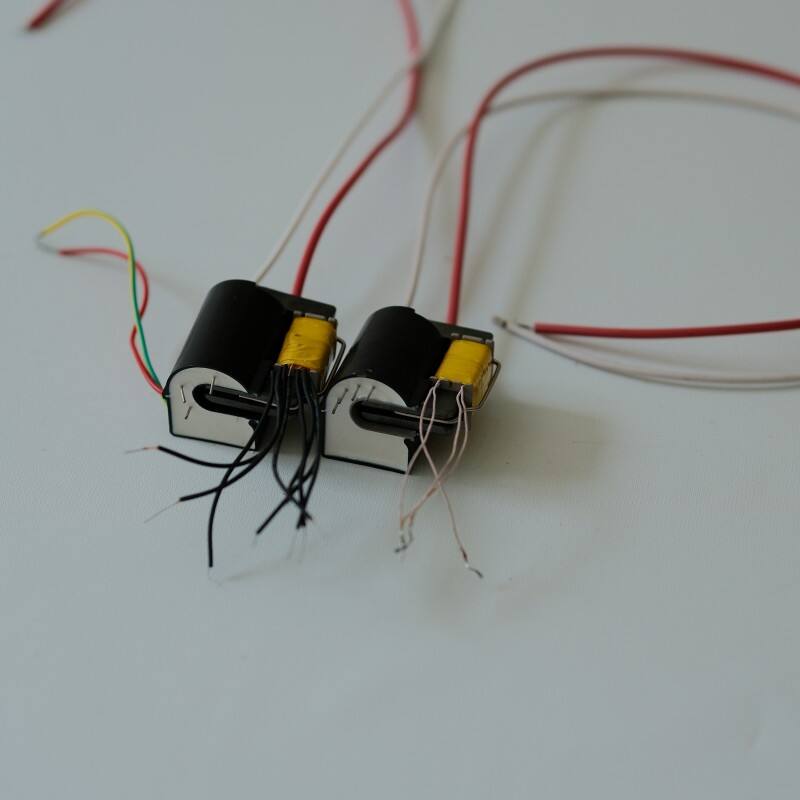
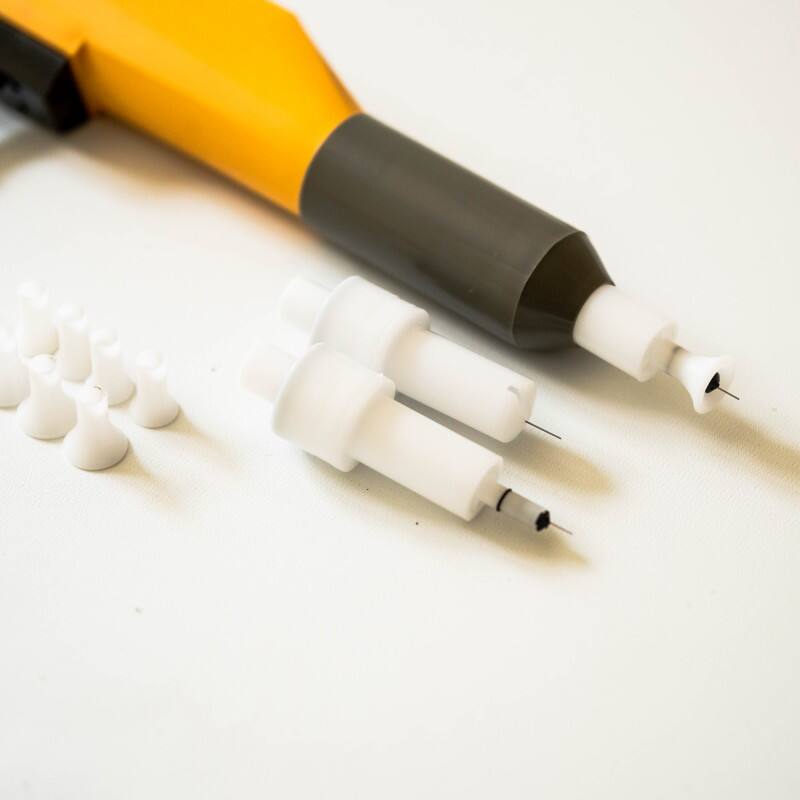
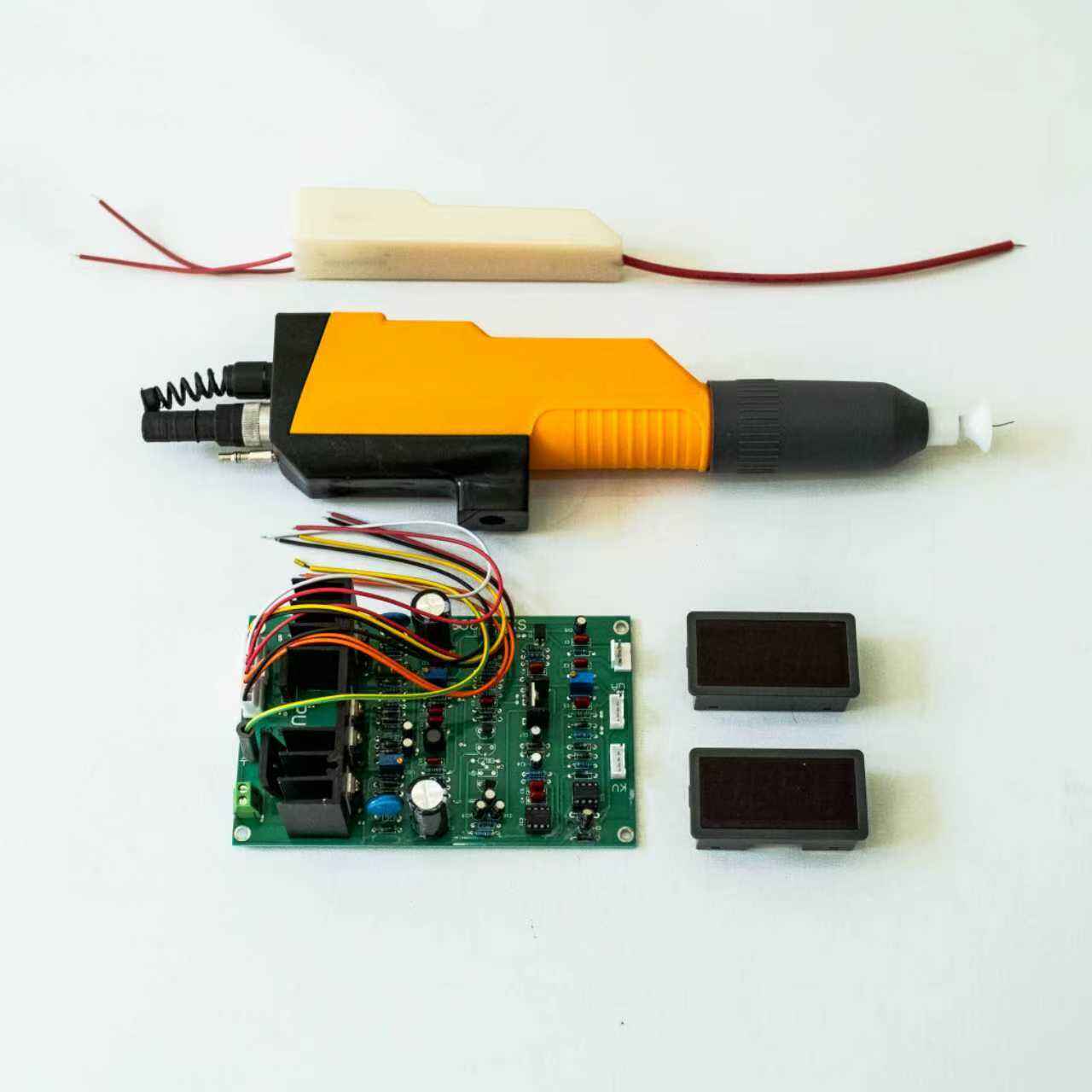
Electrostatic spraying technology represents a revolutionary advancement in coating application methods that has transformed industries ranging from automotive manufacturing to agriculture. This sophisticated technique harnesses the power of electrical charges to achieve superior coating efficiency and uniformity compared to conventional spraying methods. At its core, electrostatic spraying technology works by applying an electrical charge to liquid particles as they exit the spray nozzle, while the target surface is grounded or oppositely charged. This creates an attractive force between the charged particles and the surface, resulting in exceptional coverage and minimal waste. The main functions of this technology include precise coating application, reduced material consumption, improved transfer efficiency, and enhanced coverage of complex geometries including hard-to-reach areas and recessed surfaces. Technological features that distinguish electrostatic spraying technology include adjustable voltage controls typically ranging from 30 to 100 kilovolts, specialized atomization systems that produce uniform droplet sizes, and advanced charging electrodes that ensure consistent particle ionization. The system incorporates safety mechanisms to prevent electrical hazards while maintaining optimal performance throughout extended operation periods. Applications of electrostatic spraying technology span numerous sectors including automotive painting where it delivers flawless finishes on vehicle bodies, industrial equipment coating for corrosion protection, furniture manufacturing for consistent wood finishes, agricultural pest control through efficient pesticide distribution, and disinfection services where sanitizing solutions must reach every surface contour. The technology proves particularly valuable in scenarios demanding high-quality finishes, material conservation, and environmental compliance. Manufacturing facilities benefit from reduced overspray and volatile organic compound emissions, while agricultural operations achieve better crop coverage with fewer chemical applications. The adaptability of electrostatic spraying technology allows it to handle various coating materials including paints, lacquers, powder coatings, and liquid disinfectants, making it an indispensable tool across diverse operational environments.

Popular Products

The benefits of electrostatic spraying technology deliver tangible value that directly impacts your bottom line and operational efficiency. First and foremost, this method dramatically reduces material waste by ensuring that up to 95 percent of sprayed particles actually adhere to the target surface. Traditional spraying methods often waste 30 to 50 percent of materials through overspray that drifts away or bounces off surfaces, but the electromagnetic attraction in this system guides particles precisely where they need to go. This translates into immediate cost savings on expensive coating materials and reduces the frequency of material reordering. Your facility will also experience significantly lower cleanup requirements since less material ends up on surrounding surfaces, floors, and equipment. The uniform coverage achieved through electrostatic spraying technology eliminates common problems like runs, sags, and thin spots that plague conventional methods. You get consistent results across every application, which means fewer rejected parts, less rework, and higher customer satisfaction. The technology excels at coating complex shapes and three-dimensional objects because charged particles wrap around edges and penetrate into recesses that traditional spray patterns cannot reach effectively. This wrap-around effect ensures complete protection and aesthetic appeal without requiring multiple passes or repositioning. Time savings represent another substantial advantage as jobs complete faster due to superior transfer efficiency and reduced need for touch-ups. Your workers spend less time on each piece while achieving better results, directly improving productivity and throughput. Environmental benefits align with increasingly strict regulations and corporate sustainability goals. Reduced material consumption means fewer volatile organic compounds released into the atmosphere, helping your operation meet air quality standards and reduce environmental impact. The technology minimizes hazardous waste generation since less excess material requires disposal, lowering waste management costs and regulatory compliance burdens. Health and safety improvements protect your workforce as reduced airborne overspray means workers encounter fewer harmful particles and fumes during application processes. The controlled nature of electrostatic spraying technology creates a cleaner work environment with better air quality and less contamination of adjacent work areas. Energy efficiency provides long-term operational savings because the system requires less compressed air compared to conventional high-volume low-pressure or air-atomized spray equipment. Lower air consumption reduces compressor runtime, cutting electricity costs and extending compressor service life. The consistent quality and reduced defect rates mean less energy wasted on heating or curing rejected parts. Versatility allows you to use the same equipment across different coating projects by adjusting voltage settings and spray patterns to match specific material characteristics and surface requirements. This flexibility eliminates the need for multiple specialized systems, reducing capital equipment investments and simplifying maintenance inventories. Finally, the professional finish quality enhances product value and brand reputation, helping you command premium prices and win competitive bids based on superior workmanship.

Tips And Tricks

Flyback vs. Forward Transformers: Choosing the Right Topology for Your Application

01

Jun

Flyback vs. Forward Transformers: Choosing the Right Topology for Your Application

Operating Principles: Energy Storage vs. Energy Transfer How Flyback Transformers Store and Release Energy (Discontinuous Conduction Mode) Flyback transformers function as coupled inductors, storing energy in their magnetic core during the switch-o...
View More
Nozzle Geometry and Spray Patterns: Matching Gun Design to Part Complexity

16

Jun

Nozzle Geometry and Spray Patterns: Matching Gun Design to Part Complexity

How Nozzle Geometry Shapes Spray Pattern Formation in Powder Coating Spray Guns Swirl Chamber Design and Inlet Orientation: Axial vs. Tangential Flow Effects on Pattern Symmetry Swirl chamber configuration fundamentally governs airflow dynamics&mda...
View More
How does a flyback transformer contribute to energy saving and efficiency

08

Apr

How does a flyback transformer contribute to energy saving and efficiency

In modern power electronics, the demand for energy-efficient solutions has never been more critical. Industries worldwide are seeking components that not only deliver reliable performance but also minimize energy waste and operational costs. The flyb...
View More
How Does a Powder Coating Spray Gun Improve Coating Quality

01

Apr

How Does a Powder Coating Spray Gun Improve Coating Quality

Achieving superior coating quality in industrial finishing operations depends heavily on the equipment used to apply the coating material. The powder coating spray gun has emerged as a critical tool in modern manufacturing environments where uniformi...
View More

Get a Free Quote

Our representative will contact you soon.
Email
Mobile/WhatsApp
Name
Company Name
Message
0/1000

electrostatic spraying technology

Maximum Transfer Efficiency and Material Savings

Maximum Transfer Efficiency and Material Savings

One of the most compelling features of electrostatic spraying technology lies in its exceptional transfer efficiency that fundamentally changes the economics of coating operations. Unlike conventional spray methods where gravitational forces and air currents cause significant material loss, this advanced system creates a powerful electromagnetic field that actively pulls coating particles toward the target surface. When liquid droplets pass through the charging electrode near the spray nozzle, each particle receives an identical electrical charge. Since like charges repel each other, the particles naturally spread apart creating a fine, uniform mist. Meanwhile, the grounded or oppositely charged workpiece acts as a magnet, attracting these charged particles along the shortest electrical path. This phenomenon occurs even when particles are sprayed past the edge of an object because the electromagnetic attraction bends their trajectory back toward the surface, producing the remarkable wrap-around coverage that makes this technology so effective. The practical implications for your business are profound. Transfer efficiency rates regularly exceed 90 percent and can reach 95 percent under optimal conditions, compared to 30-60 percent for traditional air spray methods. This means that if you spray one gallon of coating material, nearly all of it ends up on your product rather than drifting into exhaust systems or settling on booth surfaces. For operations using premium coatings like metallic paints, specialized protective formulations, or expensive decorative finishes, the material savings quickly justify the investment in electrostatic spraying technology. Consider a manufacturing facility applying 1000 gallons of coating monthly at 50 dollars per gallon with a conventional 50 percent transfer efficiency. Half the material totaling 25000 dollars in value becomes waste. Switching to electrostatic spraying technology with 90 percent efficiency reduces waste to just 10 percent, saving 20000 dollars monthly in material costs alone. Annually, this represents 240000 dollars in recovered material value. Beyond direct material savings, reduced waste lowers disposal costs for hazardous materials, decreases filter replacement frequency in spray booth systems, and minimizes cleaning solvent consumption. The environmental impact reduction helps companies meet sustainability targets while complying with increasingly stringent volatile organic compound regulations. Maintenance costs also decline because less overspray means less contamination of surrounding equipment and infrastructure. The combination of these financial and operational advantages makes electrostatic spraying technology one of the fastest return-on-investment improvements available in coating operations.
Superior Coverage of Complex Geometries

Superior Coverage of Complex Geometries

The wrap-around capability inherent to electrostatic spraying technology solves one of the most persistent challenges in coating applications: achieving complete, uniform coverage on complex three-dimensional objects with recesses, protrusions, and intricate details. Traditional spray methods rely primarily on line-of-sight application where coating particles travel in relatively straight paths from nozzle to surface. This limitation creates shadows behind raised features and leaves thin coverage in recessed areas, requiring operators to spray from multiple angles, manually rotate parts, or accept inconsistent results. Electrostatic spraying technology transforms this process through the electromagnetic attraction between charged particles and grounded surfaces. When you spray toward a complex object, charged particles do not simply impact the front-facing surfaces. Instead, the electrical field extends around corners, into cavities, and behind protrusions, pulling particles into areas that would otherwise remain uncoated. This effect occurs because the electromagnetic force acts over a distance and from multiple directions simultaneously, unlike the directional momentum of conventional spray droplets. The result is comprehensive coverage achieved with fewer passes and less manual manipulation. For tubular structures like pipes, railings, and frames, particles naturally coat the back side even though the spray gun only targets the front, eliminating the need to rotate parts or spray from opposite directions. For parts with deep recesses such as corrugated panels, louvers, or decorative moldings, the charged particles penetrate into these difficult areas providing protection and appearance consistency across the entire surface. Quality improvements from this capability are substantial. Products exhibit uniform color, gloss, and film thickness from all viewing angles rather than showing variations between directly sprayed and shadowed areas. This consistency enhances aesthetic appeal for consumer products while providing complete corrosion protection for industrial components. Manufacturing efficiency improves dramatically because operators complete coating tasks in significantly less time. A complex part that might require careful spraying from six different angles using traditional methods may only need two passes with electrostatic spraying technology. Faster cycle times increase throughput without additional labor, allowing facilities to meet higher production demands with existing workforce levels. The technology also reduces operator skill requirements because the electromagnetic wrap-around effect compensates for less precise spray gun positioning. While skilled technique still produces optimal results, new operators achieve acceptable quality much faster during training periods, reducing the learning curve and making workforce management more flexible. Reduced handling translates to fewer opportunities for contamination or damage during the coating process, improving yield rates and decreasing costs associated with defective parts. For industries producing items with intricate geometries including automotive components, appliances, furniture, and decorative hardware, the superior coverage delivered by electrostatic spraying technology represents a fundamental competitive advantage.

Environmental Compliance and Workplace Safety Enhancement

Environmental Compliance and Workplace Safety Enhancement

As regulations governing air quality and workplace exposure limits become increasingly stringent, electrostatic spraying technology provides essential capabilities for maintaining compliance while protecting worker health. The environmental and safety advantages stem from the dramatic reduction in overspray and airborne particulates that characterize this application method. Conventional spray systems create substantial overspray clouds where coating particles that miss the target or bounce off surfaces become airborne contaminants. These particles contain volatile organic compounds, hazardous air pollutants, and other substances regulated by environmental protection agencies and occupational safety authorities. Facilities using traditional spray methods must invest heavily in ventilation systems, air filtration equipment, and personal protective equipment to manage these hazards. Even with such controls, many operations struggle to meet regulatory limits, particularly in regions with strict air quality standards. Electrostatic spraying technology fundamentally reduces the generation of airborne contaminants at the source rather than simply attempting to capture them after release. The electromagnetic attraction that guides particles to target surfaces means far fewer droplets escape into the surrounding air. Transfer efficiency above 90 percent translates directly to reducing airborne emissions by 60-80 percent compared to conventional methods using the same coating materials. This reduction provides multiple compliance benefits including lower volatile organic compound emissions that help facilities stay within permitted limits without requiring expensive add-on control equipment. Reduced emissions mean simpler reporting requirements, fewer regulatory inspections, and decreased risk of violations that could result in fines or operational restrictions. For worker safety, the minimized overspray creates a cleaner breathing environment with lower exposure to potentially harmful substances. Operators working with electrostatic spraying technology encounter significantly reduced concentrations of coating particles in their immediate work area, decreasing both acute exposure during application and cumulative exposure over years of employment. This protection is particularly important for coatings containing isocyanates, heavy metals, or other compounds with strict occupational exposure limits. Better air quality enables facilities to reduce the burden of personal protective equipment, potentially allowing lighter respirators or even eliminating respiratory protection requirements for certain low-toxicity coating formulations, improving worker comfort and acceptance of safety protocols. The cleaner operation also reduces housekeeping demands and contamination of adjacent work areas, creating a more pleasant and professional environment that supports employee morale and retention. Beyond the spray booth, reduced material waste decreases the volume of hazardous waste requiring management and disposal. Smaller waste streams lower disposal costs, simplify hazardous waste tracking and reporting, and reduce environmental liability. The comprehensive environmental and safety improvements delivered by electrostatic spraying technology position forward-thinking companies to meet future regulatory requirements while demonstrating corporate responsibility to employees, customers, and communities.

Get a Free Quote

Our representative will contact you soon.
Email
Mobile/WhatsApp
Name
Company Name
Message
0/1000
Newsletter
Please Leave A Message With Us