Professional Electrostatic Coating Equipment - High Efficiency Finishing Solutions for Industrial Applications

Get a Free Quote

Our representative will contact you soon.
Email
Mobile/WhatsApp
Name
Company Name
Message
0/1000

electrostatic coating equipment

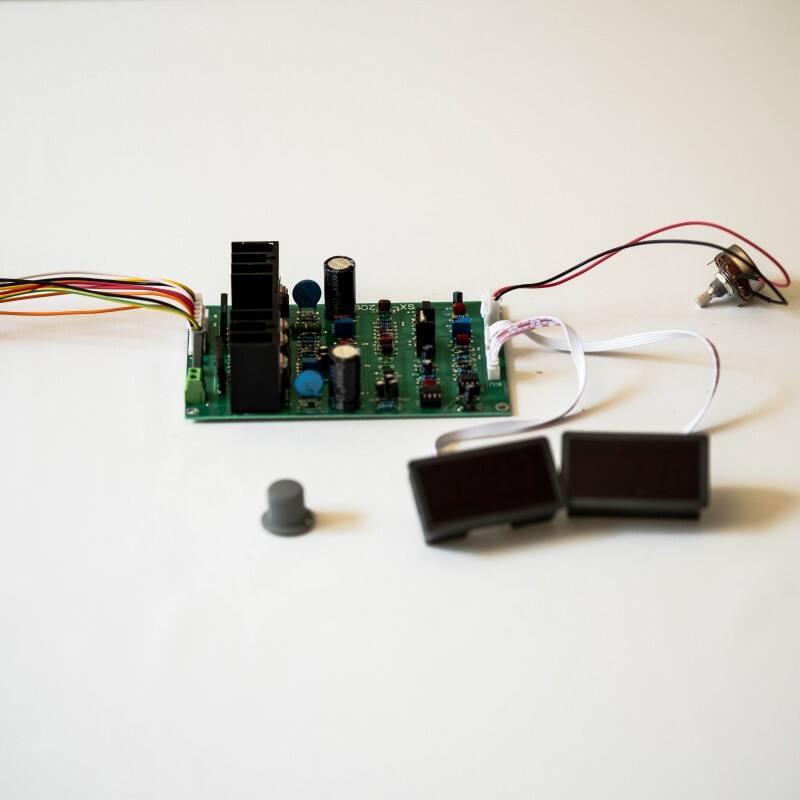
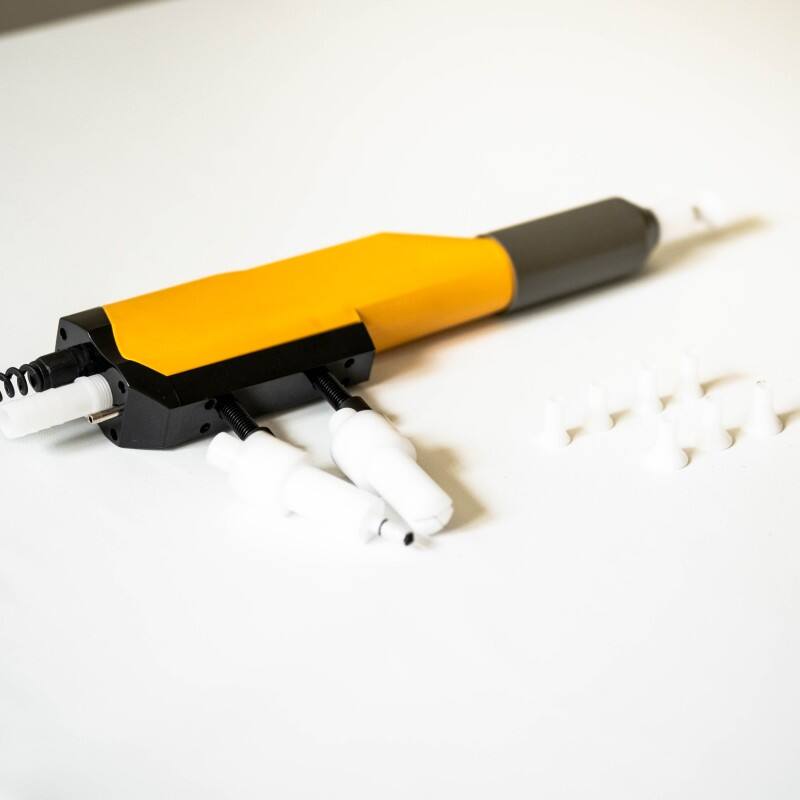
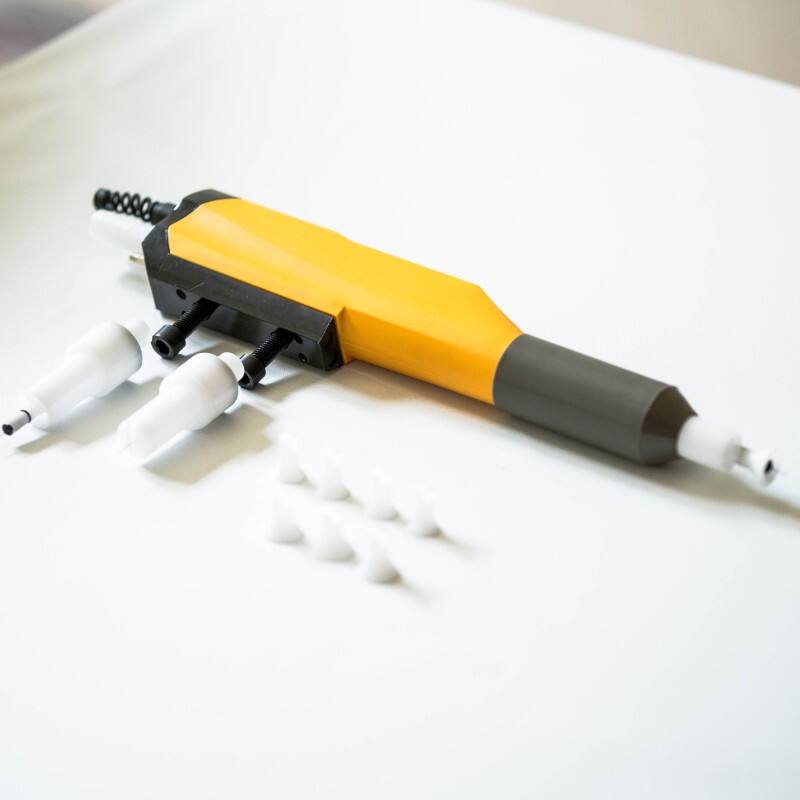
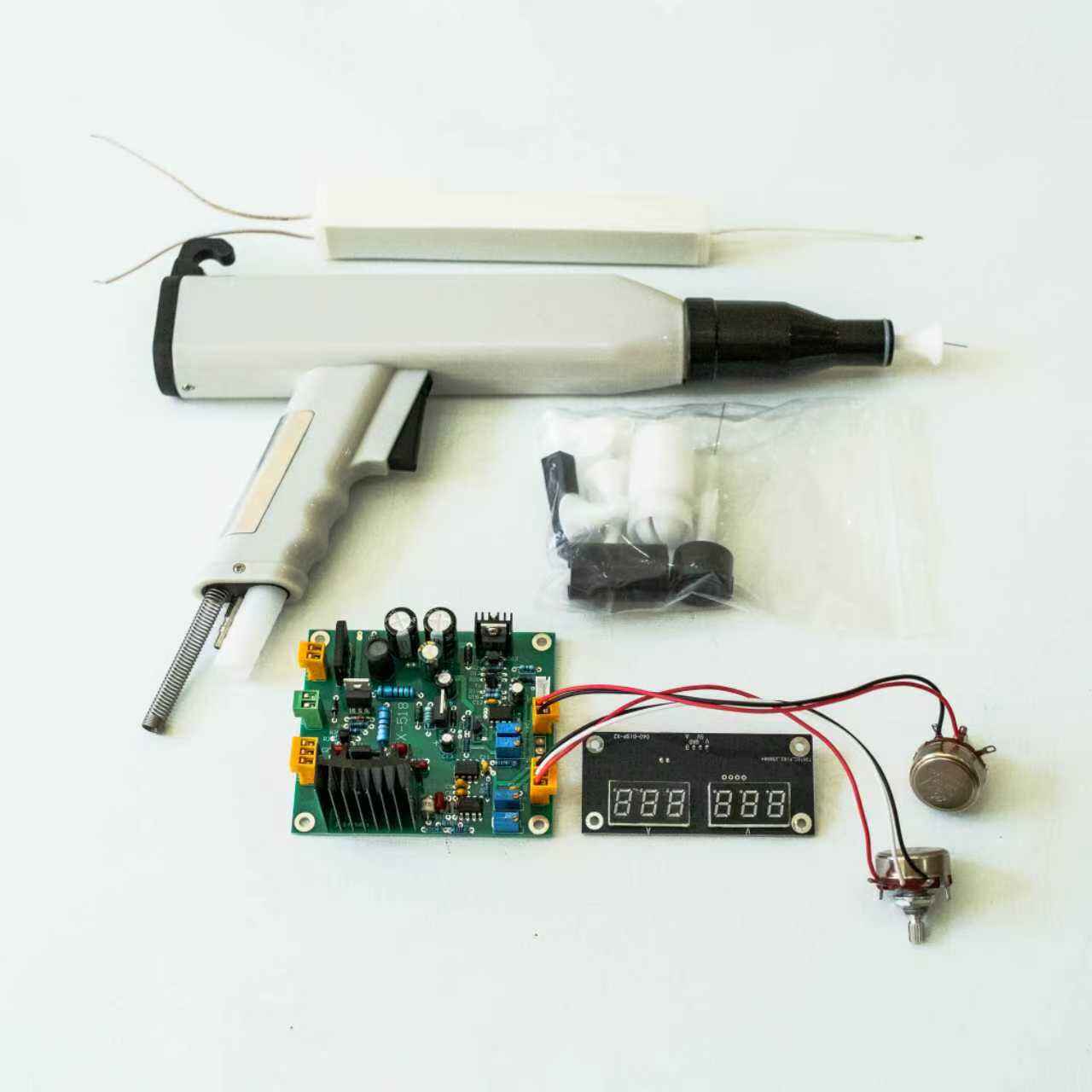
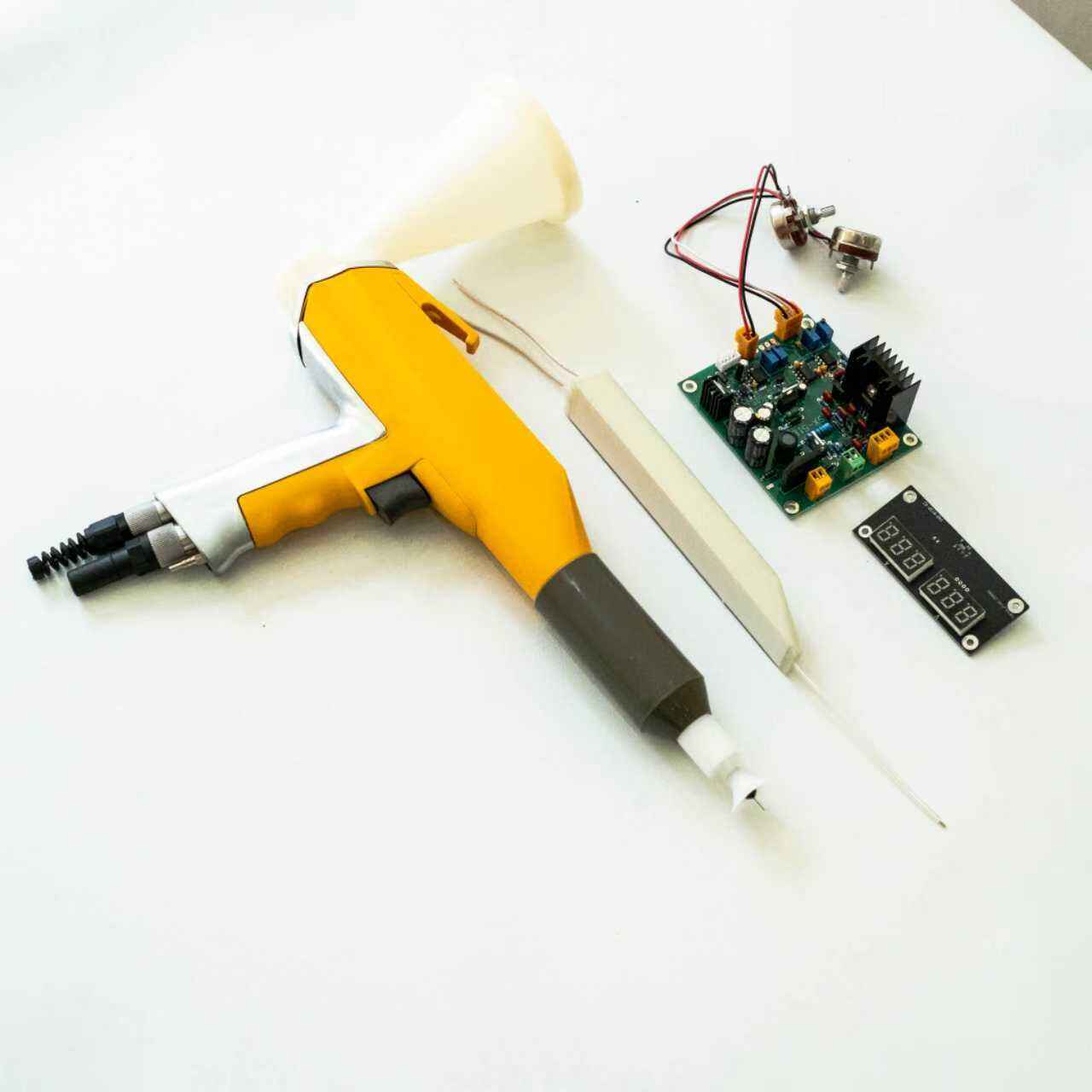
Electrostatic coating equipment represents a revolutionary advancement in surface finishing technology that transforms how manufacturers apply protective and decorative coatings to various products. This sophisticated system utilizes the principles of electrostatic attraction to achieve superior coating results compared to traditional application methods. The equipment works by electrically charging paint particles as they exit the spray gun, creating a magnetic-like attraction between the coating material and the grounded workpiece. This fundamental process ensures that paint particles wrap around the target surface efficiently, reaching areas that conventional spraying methods often miss. The main functions of electrostatic coating equipment include precise paint application, reduced overspray, improved transfer efficiency, and consistent finish quality across complex geometries. Modern systems incorporate advanced controls that allow operators to adjust voltage levels, fluid flow rates, and atomization patterns to match specific coating requirements. Technological features include automatic gun positioning systems, integrated powder or liquid delivery mechanisms, temperature and humidity monitoring sensors, and computerized control panels that maintain optimal operating parameters throughout the coating process. The equipment accommodates both powder and liquid coating materials, offering versatility for different manufacturing needs. Applications span numerous industries including automotive manufacturing, appliance production, metal furniture fabrication, electronics enclosures, architectural components, agricultural equipment, and industrial machinery. In automotive plants, electrostatic coating equipment delivers flawless finishes on body panels, frames, and trim pieces. Appliance manufacturers rely on this technology to coat refrigerators, washing machines, and ovens with durable, attractive surfaces. The furniture industry uses electrostatic systems to apply consistent coatings on metal desks, filing cabinets, and shelving units. Electronics companies depend on this equipment to protect sensitive components with precise, uniform coatings that meet stringent quality standards. The versatility and efficiency of electrostatic coating equipment make it an indispensable tool for any operation seeking to enhance product quality while optimizing production costs and environmental performance.

New Product Recommendations

Electrostatic coating equipment delivers substantial benefits that directly impact your bottom line and operational efficiency. The most immediate advantage is remarkable material savings, with transfer efficiency rates reaching 65 to 95 percent compared to conventional spray methods that often waste 50 percent or more of coating materials. This efficiency translates into lower paint purchases, reduced disposal costs, and decreased environmental impact. Your facility will consume significantly less coating material to achieve the same or better coverage, generating measurable cost reductions month after month. The wrapping effect created by electrostatic attraction means paint particles actively seek out the workpiece, covering front surfaces, edges, and even back areas in a single pass. This comprehensive coverage eliminates the need for multiple coating angles and reduces labor time per part. Workers complete coating operations faster without sacrificing quality, increasing throughput and production capacity. The consistent, uniform finish quality produced by electrostatic coating equipment minimizes defects, rejects, and rework. Parts emerge from the coating process with smooth, even surfaces free from runs, sags, and thin spots that plague conventional application methods. This reliability enhances your reputation for quality and reduces warranty claims. Cleaner working environments represent another significant advantage, as the electrostatic attraction dramatically reduces airborne overspray. Less paint mist floating in the air means healthier conditions for workers, reduced ventilation requirements, and cleaner facility surfaces. Your maintenance staff spends less time cleaning booths and equipment, while air filtration systems last longer between replacements. Environmental compliance becomes easier and less expensive when you generate less waste and emit fewer volatile organic compounds. Many regions offer regulatory incentives or simplified permitting for facilities using high-efficiency coating technologies. The precision control offered by modern electrostatic coating equipment allows you to fine-tune application parameters for different products and coating types. This flexibility supports product diversification and custom finishing options without major equipment changes. Training new operators becomes simpler because the equipment provides consistent results with less dependence on individual technique. The automated features reduce human error and ensure repeatable outcomes shift after shift. Energy efficiency represents another practical benefit, as electrostatic systems typically require less compressed air and generate less heat than conventional spray equipment. Lower energy consumption reduces utility costs and supports corporate sustainability initiatives. The faster coating times and reduced cure requirements for some electrostatic applications further decrease energy usage. Return on investment calculations consistently favor electrostatic coating equipment when you account for material savings, labor efficiency, quality improvements, and reduced waste disposal costs. Most operations recover their equipment investment within two to four years, then enjoy ongoing cost advantages for the equipment lifespan. These tangible benefits make electrostatic coating equipment a smart choice for companies committed to competitive manufacturing and continuous improvement.

Practical Tips

Ensuring EMC Compliance: Shielding and Grounding Techniques for HV Modules

18

May

Ensuring EMC Compliance: Shielding and Grounding Techniques for HV Modules

HV Module EMC Regulatory Landscape and Test Requirements High voltage modules must comply with stringent international electromagnetic compatibility (EMC) standards to prevent interference with critical vehicle systems. Component-level validation d...
View More
Flyback vs. Forward Transformers: Choosing the Right Topology for Your Application

01

Jun

Flyback vs. Forward Transformers: Choosing the Right Topology for Your Application

Operating Principles: Energy Storage vs. Energy Transfer How Flyback Transformers Store and Release Energy (Discontinuous Conduction Mode) Flyback transformers function as coupled inductors, storing energy in their magnetic core during the switch-o...
View More
Overcoming Orange Peel and Faraday Cage Effects in Powder Coating Applications

23

Jun

Overcoming Orange Peel and Faraday Cage Effects in Powder Coating Applications

Root Causes of Orange Peel and Faraday Cage Defects Orange Peel: How Melt Flow, Film Thickness, and Cure Profile Interact Orange peel texture arises from the interplay of melt viscosity during curing, inconsistent film thickness, and suboptimal the...
View More
Robotic Integration: Automating Powder Coating Spray Guns for Consistent Results

29

Jun

Robotic Integration: Automating Powder Coating Spray Guns for Consistent Results

Why Robotic Automation Eliminates Variability in Powder Coating Spray Gun Performance Human factors vs. robotic precision: Distance, angle, and powder flow rate control Manual powder coating introduces inherent variability due to physiological and ...
View More

Get a Free Quote

Our representative will contact you soon.
Email
Mobile/WhatsApp
Name
Company Name
Message
0/1000

electrostatic coating equipment

Superior Transfer Efficiency and Material Utilization

Superior Transfer Efficiency and Material Utilization

The transfer efficiency advantage of electrostatic coating equipment stands as its most compelling feature, fundamentally changing the economics of finishing operations. Traditional spray coating methods propel paint toward a surface using only air pressure and mechanical force, resulting in a significant portion of coating material missing the target and becoming waste. In contrast, electrostatic coating equipment charges each paint particle with an electrical charge, typically ranging from 30,000 to 100,000 volts, while the workpiece remains grounded. This electrical potential difference creates a powerful attraction force that pulls charged particles directly to the grounded surface, dramatically reducing overspray and bounce-back. The physics behind this process ensures that particles follow the path of least electrical resistance, which leads them precisely to the workpiece rather than floating aimlessly into exhaust systems. This targeted delivery mechanism achieves transfer efficiency rates between 65 and 95 percent depending on part geometry and coating material, compared to conventional methods that typically achieve only 30 to 50 percent efficiency. The material savings compound quickly in production environments, where facilities processing hundreds or thousands of parts daily realize substantial reductions in coating purchases. A manufacturer applying 1000 liters of paint weekly using conventional methods might reduce consumption to 600 liters with electrostatic coating equipment while maintaining identical coverage and film thickness. This 400-liter weekly saving multiplies across 52 weeks, generating annual savings of 20,800 liters along with corresponding reductions in hazardous waste disposal costs. The environmental benefits extend beyond simple waste reduction, as less overspray means fewer volatile organic compounds released into the atmosphere and reduced burden on air filtration systems. Facilities operating in regions with strict environmental regulations find that electrostatic coating equipment simplifies compliance reporting and may qualify them for recognition as green manufacturers. The wrapping effect inherent in electrostatic attraction provides additional value by coating recessed areas, hollow sections, and complex geometries that conventional methods struggle to reach. Charged particles actively seek grounded surfaces, bending around corners and penetrating into cavities without requiring multiple spray angles or special fixturing. This comprehensive coverage eliminates the labor-intensive process of rotating parts or using multiple coating passes to achieve complete coverage, further enhancing productivity and reducing per-unit finishing costs.
Exceptional Finish Quality and Consistency

Exceptional Finish Quality and Consistency

Electrostatic coating equipment delivers superior finish quality that meets the demanding standards of industries where appearance and protection are critical success factors. The controlled deposition of charged particles creates remarkably uniform coating thickness across entire workpiece surfaces, eliminating the variations that characterize manually applied finishes. This consistency stems from the fundamental behavior of charged particles in an electrostatic field, where mutual repulsion between similarly charged droplets promotes even distribution across the grounded surface. As particles approach the workpiece, they naturally spread apart to minimize electrical field intensity, creating a self-leveling effect that produces smooth, professional-quality finishes. The result is a coating free from common defects such as runs, sags, dry spray, orange peel texture, and film thickness variations that require expensive rework or part rejection. Quality control becomes more predictable and measurable when electrostatic coating equipment handles application, reducing variability between operators, shifts, and production runs. Companies can confidently guarantee finish specifications to customers knowing that the process delivers repeatable results batch after batch. The fine atomization achieved by electrostatic spray guns creates smaller droplet sizes that flow together seamlessly during the curing process, producing mirror-smooth surfaces highly valued in consumer products and premium applications. Automotive manufacturers rely on this quality advantage to achieve the flawless finishes that consumers expect on vehicles, where any surface imperfection becomes immediately visible and detracts from perceived value. Appliance producers similarly depend on consistent, attractive coatings to differentiate their products in competitive retail environments. The reduced occurrence of defects translates directly into lower rejection rates and reduced costs for inspecting, stripping, and recoating substandard parts. Manufacturing managers appreciate the decreased variability and increased first-pass yield rates that electrostatic coating equipment enables. The precision control available through modern equipment interfaces allows operators to save proven parameter sets for different products and coating materials, ensuring optimal results whenever specific items enter production. This process standardization supports quality management systems and facilitates certification to industry standards such as ISO 9001. The coating uniformity extends to film thickness measurements, where electrostatic application produces consistent micron readings across flat surfaces, curved sections, and edges. This uniformity ensures adequate corrosion protection in demanding service environments while avoiding excessive coating buildup that wastes material and extends drying times. Customers benefit from products that maintain appearance and performance throughout extended service lives, reducing maintenance requirements and enhancing satisfaction with their purchasing decisions.
Enhanced Workplace Safety and Environmental Responsibility

Enhanced Workplace Safety and Environmental Responsibility

Electrostatic coating equipment significantly improves workplace conditions and environmental performance compared to conventional finishing methods, addressing growing concerns about worker health and corporate sustainability. The dramatic reduction in airborne overspray creates a safer, more comfortable environment for coating personnel who spend entire shifts in spray booth areas. Traditional spray operations generate substantial paint mist that floats throughout the workspace despite exhaust ventilation, exposing workers to coating particles and solvent vapors that pose both immediate irritation and long-term health risks. The focused delivery mechanism of electrostatic coating equipment directs charged particles precisely toward grounded workpieces, minimizing the amount of coating material that escapes into surrounding air. This containment reduces worker exposure to potentially harmful substances, decreasing the likelihood of respiratory issues, skin irritation, and chronic health conditions associated with coating operations. Safety managers appreciate the reduced need for extensive personal protective equipment, though proper safety gear remains essential in any coating environment. The cleaner air quality extends beyond the immediate spray booth area, improving conditions throughout adjacent manufacturing spaces and reducing complaints from workers in nearby departments. Facility maintenance becomes less demanding when less overspray settles on booth surfaces, lighting fixtures, ventilation components, and floor areas. Cleaning crews spend fewer hours removing accumulated coating residue, while booth filters last significantly longer before requiring replacement. These operational improvements reduce maintenance costs and minimize production interruptions for cleaning and filter changes. Environmental benefits extend to reduced waste generation, as the higher transfer efficiency means less coating material enters waste streams requiring special handling and disposal. Hazardous waste disposal represents a significant expense for finishing operations, with costs including container rental, transportation, treatment fees, and regulatory compliance documentation. By reducing waste volume by 50 percent or more, electrostatic coating equipment delivers ongoing savings while demonstrating environmental stewardship. The reduced solvent emissions associated with lower coating consumption help facilities meet air quality regulations and potentially avoid expensive emission control equipment installations. Many jurisdictions offer streamlined permitting or reduced fees for coating operations demonstrating high transfer efficiency and low emission rates. Corporate sustainability initiatives benefit measurably from electrostatic coating equipment implementation, providing concrete data for environmental reports and stakeholder communications. Companies pursuing green manufacturing certifications or recognition programs find that finishing efficiency improvements contribute substantially toward meeting program requirements. The energy efficiency of electrostatic systems further enhances environmental credentials, as reduced material usage translates into decreased energy for coating production, transportation, and waste processing. Progressive manufacturers recognize that environmental responsibility and economic performance align perfectly when implementing advanced technologies like electrostatic coating equipment, creating competitive advantages in markets where customers increasingly value sustainable business practices.

Get a Free Quote

Our representative will contact you soon.
Email
Mobile/WhatsApp
Name
Company Name
Message
0/1000
Newsletter
Please Leave A Message With Us