
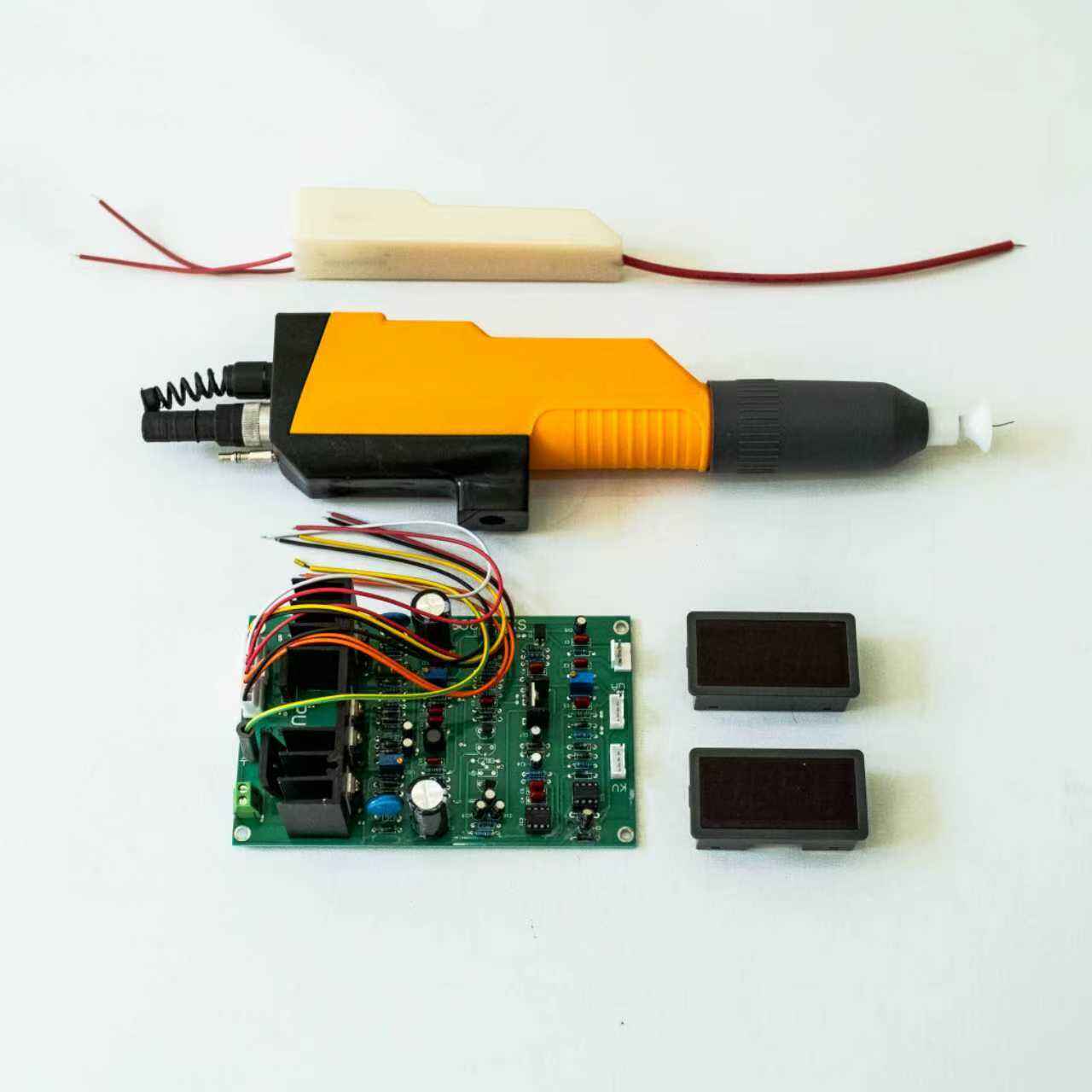
Achieving superior coating quality in industrial finishing operations depends heavily on the equipment used to apply the coating material. The powder coating spray gun has emerged as a critical tool in modern manufacturing environments where uniformity, efficiency, and finish quality directly impact product value and customer satisfaction. Understanding the mechanisms through which these specialized guns enhance coating outcomes helps manufacturers optimize their finishing processes and achieve consistent, high-quality results across production runs.
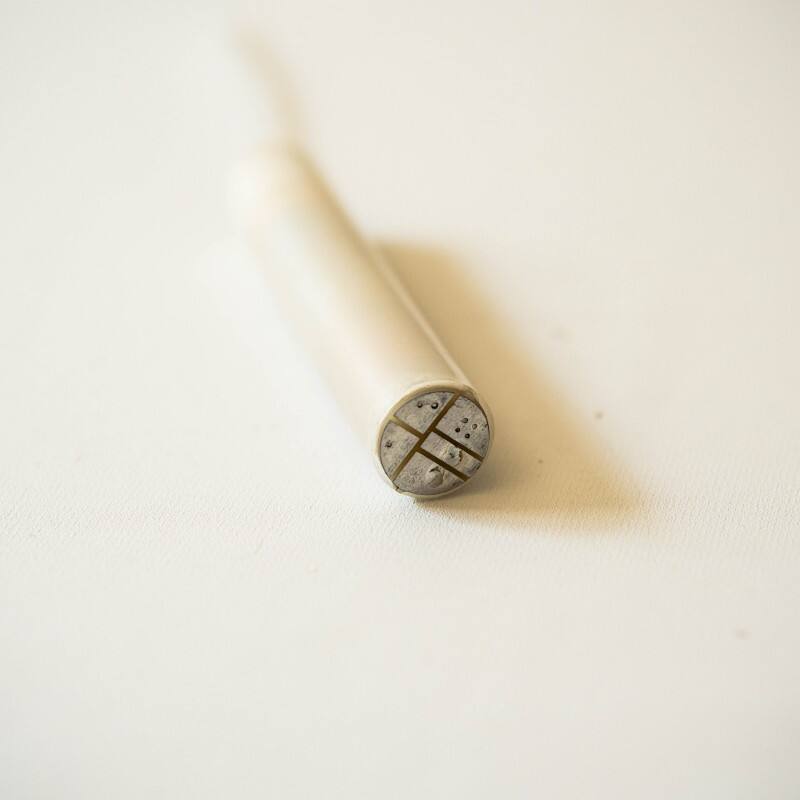
The powder coating spray gun improves coating quality through several interconnected mechanisms that address common finishing challenges. By generating controlled electrostatic charges, enabling precise particle delivery, and maintaining consistent spray patterns, this equipment transforms powder coating from a variable process into a predictable, repeatable operation. The quality improvements stem from the gun's ability to enhance transfer efficiency, reduce defects, optimize film thickness uniformity, and minimize environmental variables that traditionally compromise coating outcomes. These advantages translate directly into fewer rejects, lower material waste, reduced rework requirements, and ultimately higher-value finished products that meet stringent quality specifications.
Electrostatic Charging Mechanism and Coating Adhesion
How Electrostatic Technology Creates Superior Attraction
The electrostatic charging capability of a powder coating spray gun fundamentally transforms how coating particles interact with substrate surfaces. When powder passes through the gun's corona electrode system, each particle acquires a negative electrostatic charge while the grounded workpiece maintains a positive potential. This charge differential creates a powerful attraction force that pulls powder particles directly toward the substrate surface, regardless of orientation or geometric complexity. Unlike conventional liquid spray systems that rely primarily on mechanical propulsion and adhesion properties of wet paint, the electrostatic mechanism ensures particles actively seek out the substrate rather than simply traveling in the direction of application.
This electrostatic attraction significantly improves coating quality by enabling powder to reach recessed areas, complex contours, and difficult-to-access surfaces that would remain inadequately coated with conventional methods. The charged particles wrap around edges and corners, depositing material on surfaces not directly facing the gun. This wraparound effect reduces shadowing problems common in three-dimensional parts and ensures more uniform coverage across the entire workpiece geometry. The result is consistent film thickness distribution that meets quality standards without requiring multiple application angles or excessive material usage.
Reduction of Overspray and Material Waste
The powder coating spray gun improves overall coating quality by dramatically reducing overspray compared to non-electrostatic application methods. Because particles are electrically attracted to the grounded substrate, fewer particles escape into the surrounding environment or deposit on unintended surfaces. This targeted deposition improves first-pass transfer efficiency, meaning more of the applied powder actually adheres to the workpiece during initial application rather than requiring recapture and reapplication cycles.
Higher transfer efficiency directly correlates with improved coating quality through several pathways. First, it reduces the amount of reclaimed powder that must be reintroduced into the system, which can become contaminated with dust, moisture, or degraded particles that compromise finish quality. Second, it minimizes powder buildup in the spray booth environment, which can become dislodged and create surface defects on freshly coated parts. Third, efficient material utilization allows operators to apply controlled, optimal powder volumes rather than compensating for low transfer rates with excessive application that leads to film thickness irregularities and orange peel defects.
Enhanced Particle Distribution Control
Quality powder coating spray gun systems incorporate precisely engineered charging electrodes and air flow designs that create uniform electrostatic fields around the spray pattern. This uniformity ensures that all powder particles receive consistent charge levels regardless of their position within the powder cloud. Consistent charging produces even particle distribution across the spray pattern, eliminating hot spots with excessive powder concentration or weak areas with insufficient coverage that would create visible quality defects in the finished coating.
The controlled particle distribution enabled by advanced powder coating spray gun technology allows operators to achieve target film thickness specifications with minimal variation. Rather than applying heavy coats to compensate for uneven distribution, operators can apply thinner, more uniform layers that cure properly without sagging, running, or creating excessive thickness buildup. This precision not only improves appearance but also ensures consistent mechanical properties and corrosion protection across the entire coated surface, meeting performance specifications that define coating quality in demanding applications.
Spray Pattern Optimization and Coverage Uniformity
Adjustable Pattern Geometry for Different Part Configurations
Modern powder coating spray gun designs incorporate adjustable pattern controls that allow operators to match spray geometry to specific part requirements. By modifying air cap configuration, powder flow rate, and pattern width settings, the gun can produce concentrated round patterns for small parts or wide fan patterns for large flat surfaces. This adaptability ensures optimal powder distribution for diverse workpiece geometries without compromising coating quality through inappropriate pattern selection.
Pattern optimization improves coating quality by preventing common defects associated with mismatched spray geometry. When the pattern is too narrow for the surface area, operators must make multiple overlapping passes that create striping, uneven film thickness, and visible transition lines between adjacent spray zones. Conversely, patterns that are too wide for the target surface waste material and reduce edge definition. A properly optimized powder coating spray gun pattern deposits material efficiently across the intended surface area with minimal overlap requirements and consistent edge-to-edge coverage that produces uniform finished appearance.
Consistent Powder Delivery Rate Management
Coating quality depends critically on maintaining consistent powder delivery rates throughout the application process. Advanced powder coating spray gun systems incorporate precise powder feed mechanisms, either venturi-based or pump-driven, that meter powder at stable, repeatable rates regardless of powder hopper level, line pressure fluctuations, or environmental conditions. This consistency prevents the film thickness variations that occur when delivery rates fluctuate during application.
Stable powder delivery ensures that each part receives the same amount of material when coated under identical gun positioning and timing parameters. This repeatability is essential for production environments where coating quality must remain consistent across thousands of parts per shift. When powder flow rates vary unpredictably, operators cannot reliably achieve target film thickness specifications, leading to parts that are either undercoated with inadequate protection and appearance or overcoated with excessive material consumption and potential curing defects. The flow control capabilities of quality powder coating spray gun equipment eliminate this variability and enable predictable, specification-compliant coating outcomes.
Distance and Angle Positioning Effects
The powder coating spray gun improves quality outcomes by allowing operators to maintain optimal standoff distance and application angles that maximize electrostatic deposition efficiency. Research and practical experience demonstrate that specific distance ranges, typically between 6 and 12 inches depending on gun design and powder characteristics, produce optimal coating results. Within this range, the electrostatic field strength remains sufficient for effective particle attraction while allowing adequate powder cloud dispersion for uniform coverage.
Proper gun positioning prevents quality defects associated with incorrect application geometry. When positioned too close to the substrate, the powder coating spray gun deposits excessively concentrated material that creates thick spots, back ionization problems, and poor wraparound coverage. When positioned too far away, electrostatic field strength diminishes, transfer efficiency drops, and operators must increase powder output to compensate, creating waste and potential contamination issues. Maintaining correct positioning throughout the coating cycle ensures consistent quality that meets appearance and performance standards without material waste or defect generation.
Film Thickness Control and Consistency
Preventing Back Ionization and Thickness Limitations
One critical way the powder coating spray gun improves quality is through design features that manage back ionization effects. As powder accumulates on the substrate surface during application, the insulating powder layer builds up electrostatic charge that eventually begins repelling incoming charged particles. This back ionization phenomenon limits the maximum achievable film thickness and, if not properly managed, creates uneven coating thickness with areas of excessive buildup and areas where powder is actively repelled from the surface.
Quality powder coating spray gun systems incorporate voltage control, pulsing technologies, or tribo-charging alternatives that minimize back ionization effects. By modulating charge delivery or using friction-based charging methods that produce lower charge levels, these guns allow operators to build thicker, more uniform films when required by specification. The ability to control back ionization directly improves coating quality by expanding the achievable thickness range and ensuring uniform film development across complex part geometries where some surfaces accumulate powder before others during the application sequence.
Real-Time Thickness Monitoring Capabilities
Advanced powder coating spray gun systems increasingly integrate with or support film thickness monitoring technologies that provide operators with real-time feedback during application. While not all guns include built-in measurement, the controlled application characteristics of quality electrostatic equipment make it possible to correlate gun settings with predictable thickness outcomes. This predictability allows operators to establish validated parameter sets that consistently produce target thickness specifications.
The relationship between controlled application parameters and consistent thickness outcomes represents a fundamental quality improvement mechanism. When powder coating spray gun settings remain stable and environmental conditions are controlled, film thickness variation drops significantly compared to manual or poorly controlled application methods. Reduced variation means more parts fall within specification limits without requiring touch-up or rework, improving production efficiency while simultaneously enhancing coating quality through elimination of the defects associated with corrective recoating operations.
Multi-Layer Application Control
For applications requiring multiple powder layers, either for aesthetic effects or functional performance, the powder coating spray gun enables precise control over each layer's characteristics. By adjusting voltage, powder flow, and timing parameters between layers, operators can apply base coats, color coats, and clear coats with distinct properties optimized for each layer's function. This layer-specific control improves overall coating quality by ensuring each component of the coating system performs its intended role without compromise.
Controlled multi-layer application prevents interface problems that degrade coating quality. When layers are applied with inconsistent parameters or timing, interlayer adhesion may suffer, creating delamination risks or appearance defects. The precision available with modern powder coating spray gun equipment ensures consistent interlayer conditions that promote proper bonding and uniform curing behavior across the entire coating thickness. This control is particularly important for high-value products where coating failure would result in significant warranty costs or reputation damage.
Defect Reduction and Surface Finish Enhancement
Minimizing Orange Peel and Surface Texture Issues
The powder coating spray gun improves quality by enabling application parameters that minimize orange peel texture, one of the most common coating defects. Orange peel occurs when powder particles do not flow together adequately during curing, leaving a dimpled surface texture rather than a smooth finish. This defect results from excessive film thickness, improper particle size distribution, inadequate curing conditions, or application techniques that deposit powder unevenly.
Quality powder coating spray gun equipment addresses orange peel through several mechanisms. First, precise flow control prevents excessive powder application that overwhelms the powder's flow and leveling capabilities during cure. Second, uniform particle charging and distribution ensure consistent particle packing on the substrate before cure, promoting even flow behavior. Third, the controlled deposition patterns of electrostatic guns reduce the localized thickness variations that create differential flow rates across the surface. Together, these factors enable operators to achieve smooth, uniform finishes that meet appearance quality standards without requiring post-coating polishing or refinishing operations.
Elimination of Contamination-Related Defects
Contamination defects such as cratering, fish eyes, and dirt inclusions significantly compromise coating quality and often require complete part recoating. The powder coating spray gun reduces these defects through design features that minimize contamination introduction during application. Enclosed powder delivery systems prevent environmental dust and debris from mixing with the coating powder. Controlled electrostatic fields reduce turbulent air flow that could entrain contaminants from the booth environment. Clean, filtered air supplies ensure that the atomizing air does not introduce particles or oil contamination into the powder stream.
By maintaining powder purity throughout the application process, quality powder coating spray gun systems preserve the coating material's performance characteristics and appearance properties. Contamination-free application eliminates the defect-related rework that consumes production time, wastes material, and introduces quality variability. Parts coated with clean, properly managed powder systems consistently meet appearance specifications without the random defects that plague poorly controlled coating operations.
Edge Coverage and Faraday Cage Effect Management
Complex part geometries create coating challenges known as Faraday cage effects, where recessed areas or internal corners receive inadequate powder coverage due to electrostatic field geometry limitations. The powder coating spray gun addresses this quality challenge through specialized gun designs, application techniques, and charging technologies optimized for difficult geometries. Some guns incorporate internal charging electrodes that create more uniform field distribution, while others use tribo-charging methods that produce lower charge levels with better penetration into recessed areas.
Improved edge coverage and recess penetration directly enhance coating quality by ensuring complete substrate protection and uniform appearance across the entire part surface. Inadequately coated areas create corrosion vulnerabilities, appearance defects, and performance failures that compromise product quality regardless of how well the easily accessible surfaces are coated. The advanced charging and delivery technologies in modern powder coating spray gun equipment minimize these problem areas, expanding the range of part geometries that can be coated to quality specifications with powder technology.
Operational Consistency and Process Control
Reducing Operator Variability Effects
Manual coating operations introduce quality variability based on operator technique, experience level, and consistency throughout work shifts. The powder coating spray gun improves quality by standardizing many application variables that would otherwise depend on operator skill. Consistent electrostatic charging, controlled powder delivery rates, and reproducible spray patterns mean that properly trained operators achieve similar results regardless of individual differences in technique or experience level.
This standardization proves particularly valuable in production environments with multiple operators or shift changes where maintaining consistent coating quality presents ongoing challenges. When the equipment itself controls critical quality variables, operator-dependent variation drops substantially. Training requirements simplify because operators learn to position and move the gun correctly rather than developing complex manual skills for controlling powder deposition. The result is more consistent coating quality across all production shifts and operators, reducing quality variation and improving overall production yield.
Integration with Automated Systems
The controlled, repeatable performance characteristics of modern powder coating spray gun equipment make it ideally suited for automated and robotic application systems. When mounted on programmable manipulators or reciprocators, these guns execute identical coating cycles part after part, eliminating human variability entirely. Automated systems using quality powder coating spray gun technology achieve coating uniformity and consistency that manual operations cannot match, particularly for high-volume production of identical or similar parts.
Automation integration improves coating quality through perfect repeatability of gun positioning, movement speed, triggering timing, and all application parameters. Once programmed and validated, automated systems reproduce optimal coating results without the gradual drift or occasional errors inherent in manual operations. This consistency enables statistical process control approaches where quality metrics remain stable and predictable, allowing proactive adjustment before defects occur rather than reactive correction after quality problems emerge.
Parameter Documentation and Quality Traceability
Modern powder coating spray gun systems increasingly incorporate digital controls and monitoring capabilities that document application parameters for each coating cycle. This documentation creates quality traceability, linking finished part characteristics to the specific conditions under which coating occurred. When quality issues arise, documented parameters enable rapid root cause identification and corrective action rather than time-consuming trial-and-error troubleshooting.
Traceability capabilities improve coating quality by enabling continuous process improvement based on data rather than assumptions. Operators and engineers can correlate coating outcomes with specific gun settings, identifying optimal parameters for different powder types, part geometries, and quality requirements. This knowledge accumulation transforms coating from an art dependent on individual expertise into a science based on validated data, progressively improving quality outcomes as the organization learns which parameters produce optimal results for specific applications.
FAQ
What film thickness range can a powder coating spray gun reliably achieve?
Quality powder coating spray gun equipment typically achieves film thicknesses between 1.5 and 8 mils in a single application pass, depending on powder characteristics, gun settings, and back ionization management. Thinner films around 1.5 to 3 mils work well for decorative applications with minimal functional requirements, while thicker films up to 8 mils provide enhanced corrosion protection and durability for demanding environments. Some specialized guns with advanced back ionization control or tribo-charging capabilities can build even thicker single-layer films when required. Achieving consistent thickness within the target range requires proper gun positioning, appropriate voltage settings, and controlled powder delivery rates that match the specific coating specification requirements.
How does gun maintenance affect coating quality outcomes?
Regular maintenance of the powder coating spray gun directly impacts coating quality by ensuring consistent electrostatic charging, uniform powder delivery, and stable spray patterns. Worn electrodes produce irregular charging that creates uneven deposition and reduced transfer efficiency. Clogged air passages alter spray pattern geometry and powder atomization quality. Contaminated internal surfaces introduce defects or change powder flow characteristics. Establishing preventive maintenance schedules that include electrode inspection and replacement, thorough cleaning of powder contact surfaces, air passage verification, and electrical connection testing maintains the gun's ability to produce quality coating results. Neglected maintenance leads to gradual quality degradation that may not be immediately obvious but progressively worsens until defect rates become unacceptable and extensive corrective action is required.
Can the same powder coating spray gun handle different powder types effectively?
Quality powder coating spray gun systems can effectively apply different powder types including epoxies, polyesters, hybrid formulations, and specialty coatings, but optimal results require parameter adjustments for each powder's specific characteristics. Different powder formulations exhibit varying electrical resistivity, particle size distributions, flow properties, and charging behaviors that affect application requirements. Operators must adjust voltage settings, powder flow rates, air pressures, and sometimes gun positioning to accommodate these differences and maintain coating quality across powder types. Some advanced guns include preset programs or parameter memory functions that store optimal settings for frequently used powders, simplifying changeovers and reducing the setup time required to achieve quality results when switching between different coating materials.
What role does air quality play in powder coating spray gun performance?
Compressed air quality significantly affects powder coating spray gun performance and coating quality outcomes because contaminated air introduces moisture, oil, or particulates that create defects and disrupt powder flow behavior. Moisture in the air supply causes powder clumping, inconsistent flow rates, and application defects such as cratering or poor adhesion. Oil contamination from compressor lubricants creates surface tension problems that prevent proper powder wetting and flow during cure, resulting in appearance defects and adhesion failures. Particulate contamination introduces dirt inclusions that compromise appearance and create weak points in corrosion protection. Installing proper air treatment equipment including dryers, coalescers, and filters ensures that the powder coating spray gun receives clean, dry air that supports consistent coating quality without contamination-related defects.