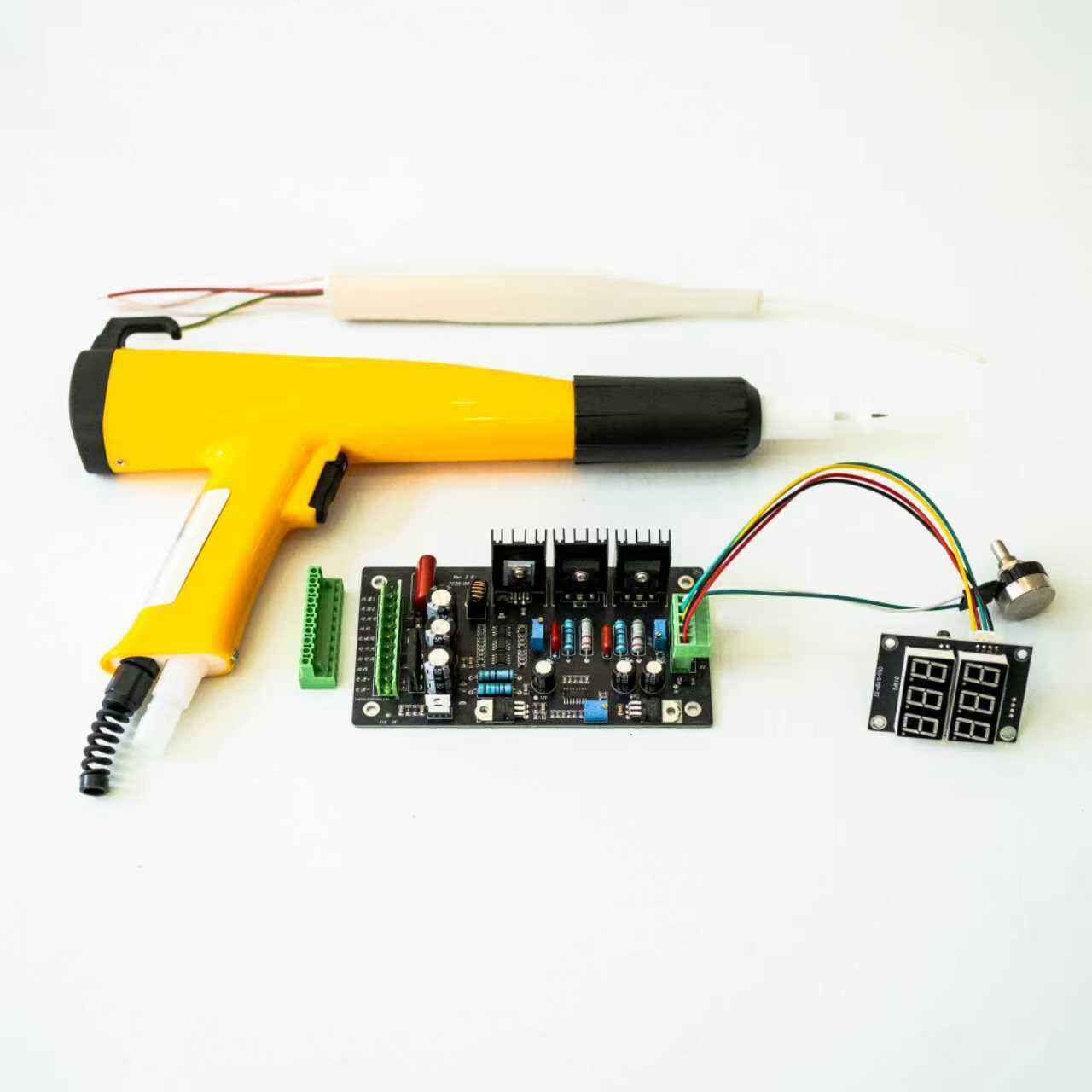
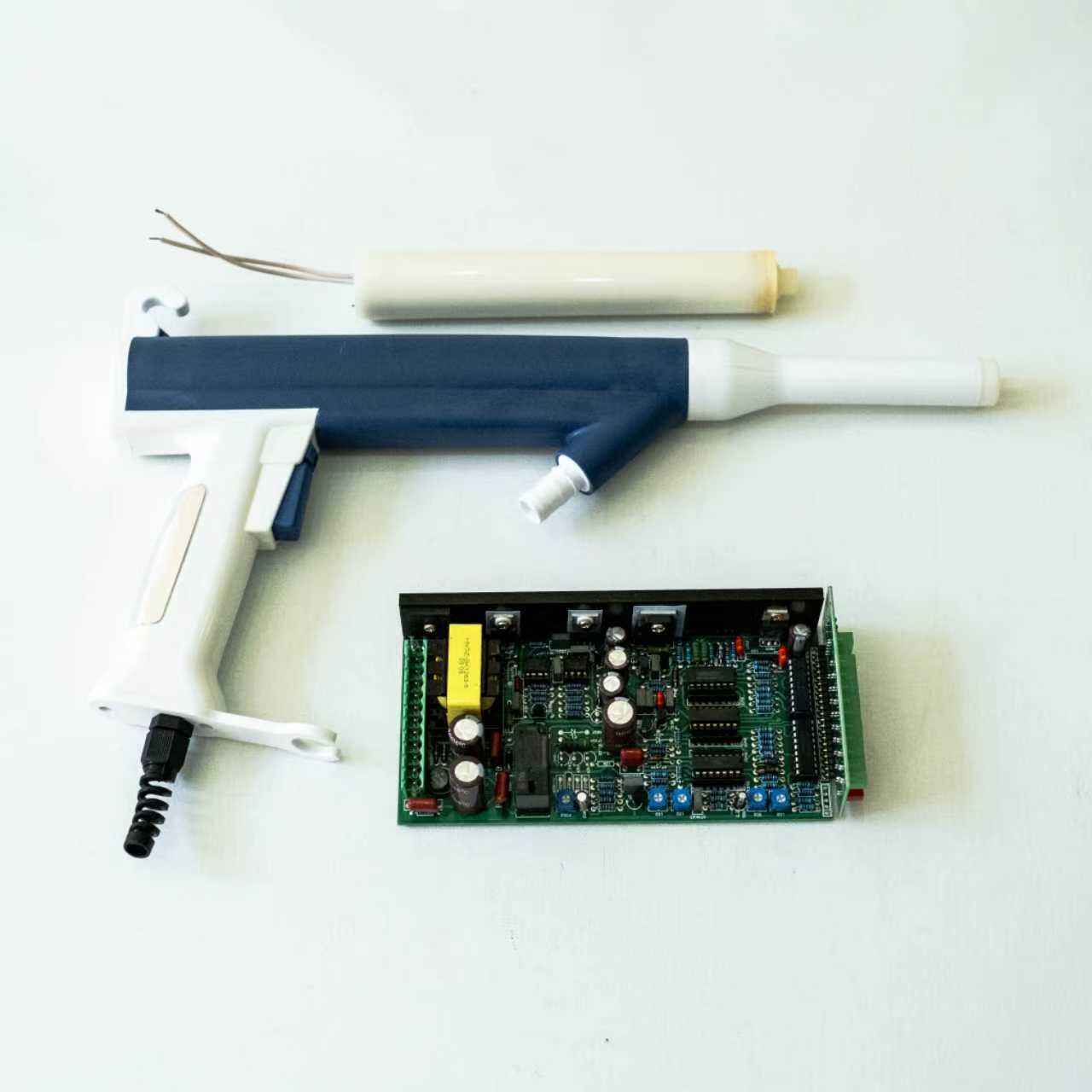
electrostatic spraying system
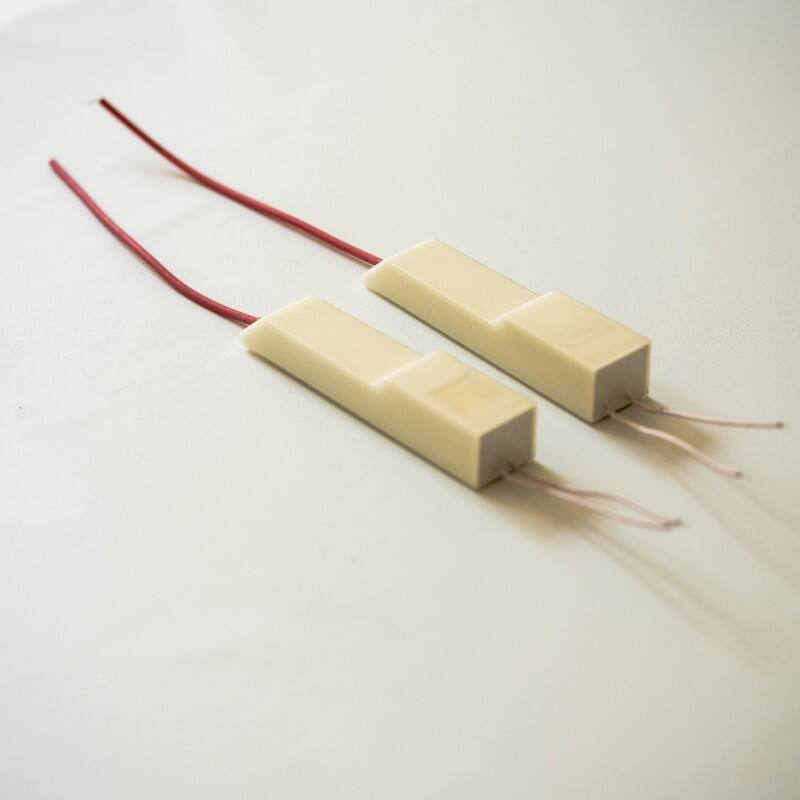
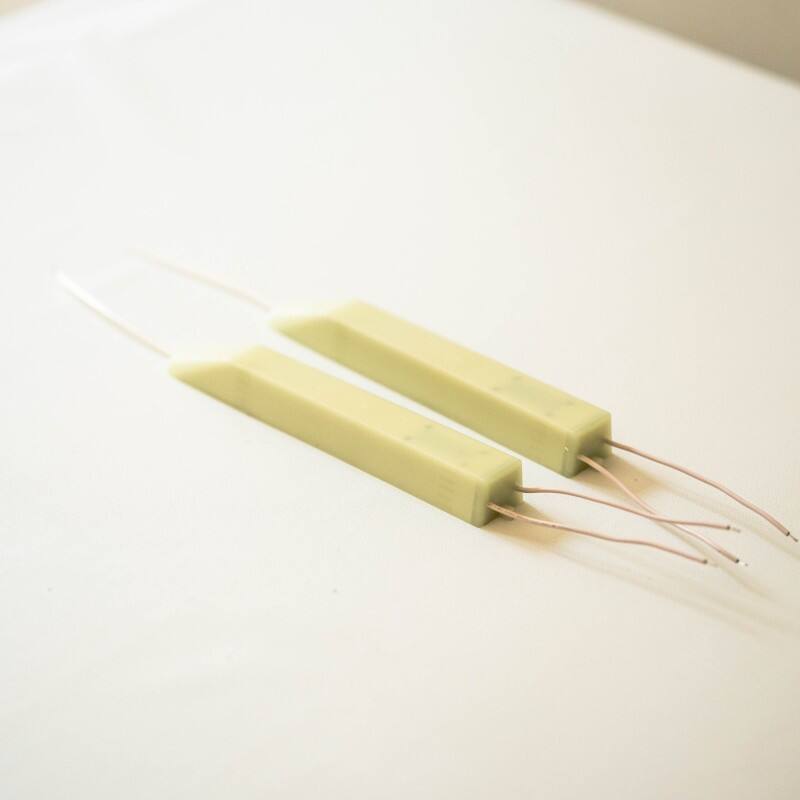
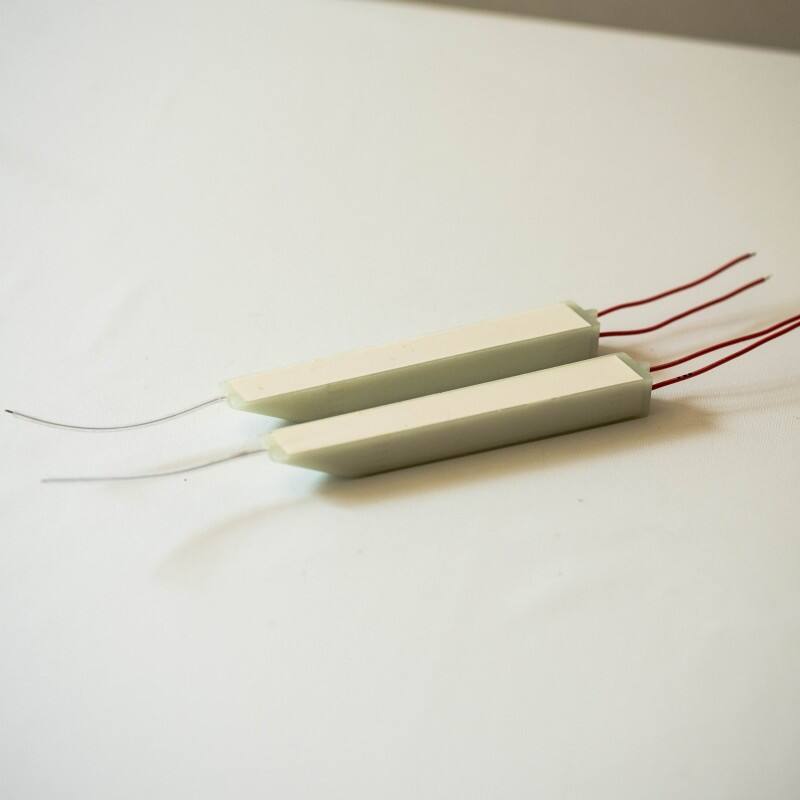
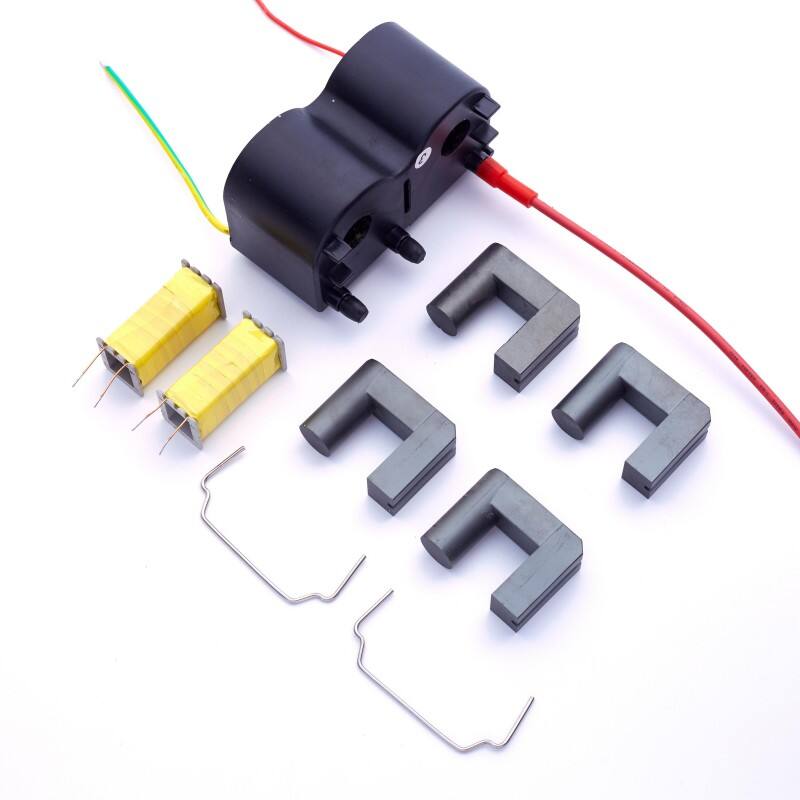
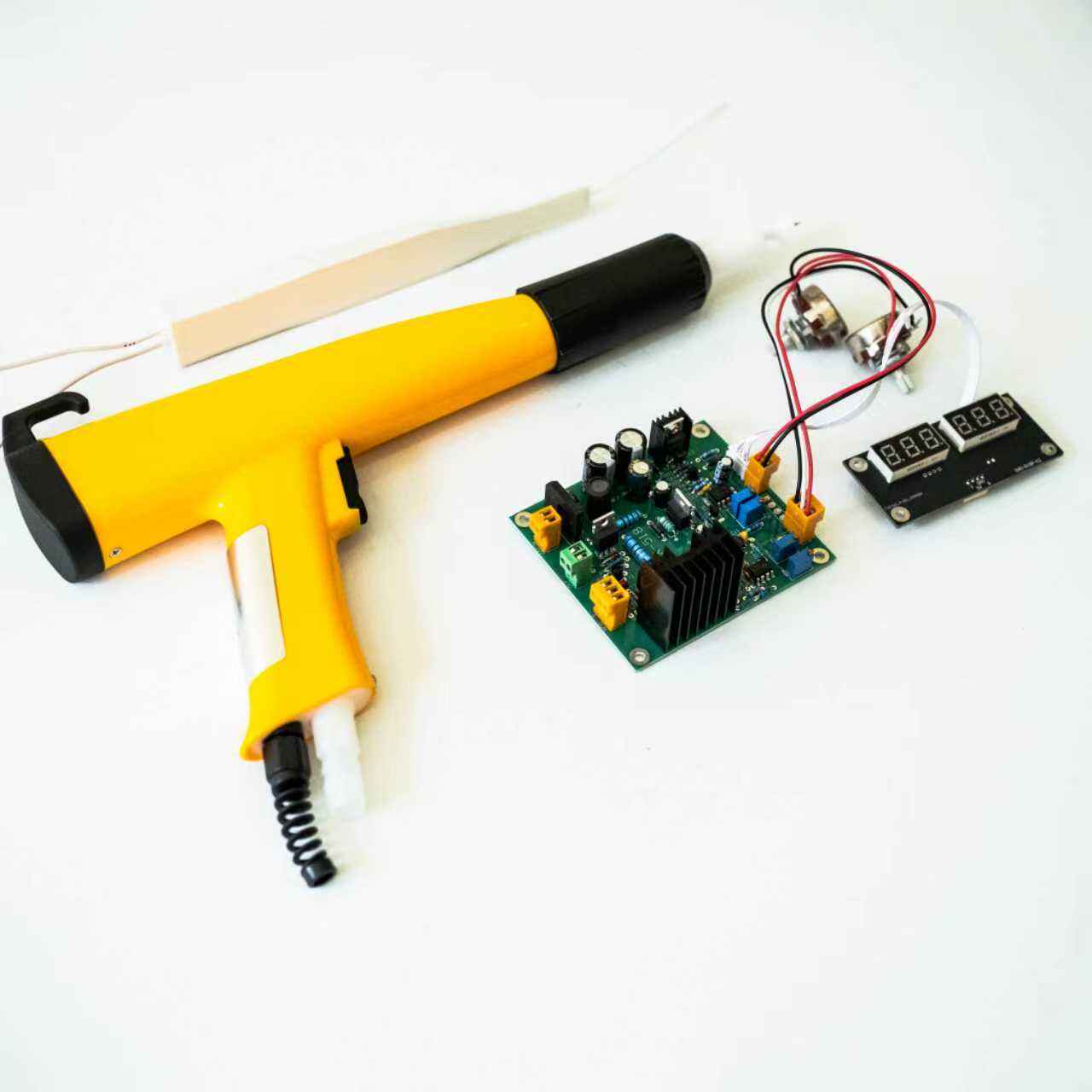
An electrostatic spraying system represents a revolutionary coating technology that harnesses the power of electrical charges to achieve superior paint and coating application results. This sophisticated system works by imparting an electrical charge to liquid particles as they exit the spray nozzle, creating an attraction between the charged particles and the grounded target surface. The fundamental principle behind this technology involves charging atomized coating materials, typically with a negative or positive charge, while the workpiece remains grounded or oppositely charged. This electrical relationship creates a magnetic-like attraction that pulls coating particles toward the surface, ensuring comprehensive coverage even on complex geometries and hard-to-reach areas. The electrostatic spraying system consists of several critical components including a high-voltage power supply, specialized spray guns equipped with charging electrodes, precision nozzles for optimal atomization, fluid delivery systems with regulated pressure controls, and integrated safety mechanisms. Modern systems incorporate advanced control units that allow operators to adjust voltage levels, fluid flow rates, and spray patterns according to specific application requirements. The technology finds widespread use across numerous industries including automotive manufacturing, aerospace component finishing, furniture production, appliance coating, agricultural equipment painting, and architectural metal finishing. Manufacturing facilities appreciate how the electrostatic spraying system delivers consistent, high-quality finishes while maximizing material utilization and minimizing environmental impact. The system excels at coating intricate shapes, recessed areas, and three-dimensional objects that would prove challenging with conventional spray methods. By creating a wrap-around effect, charged particles deposit evenly across visible surfaces and migrate around edges to coat hidden areas, eliminating shadows and bare spots common with traditional spraying techniques. This technology accommodates various coating materials including solvent-based paints, water-based formulations, powder coatings, and specialty finishes, making it versatile for diverse production environments and finishing requirements.