electrostatic powder spraying
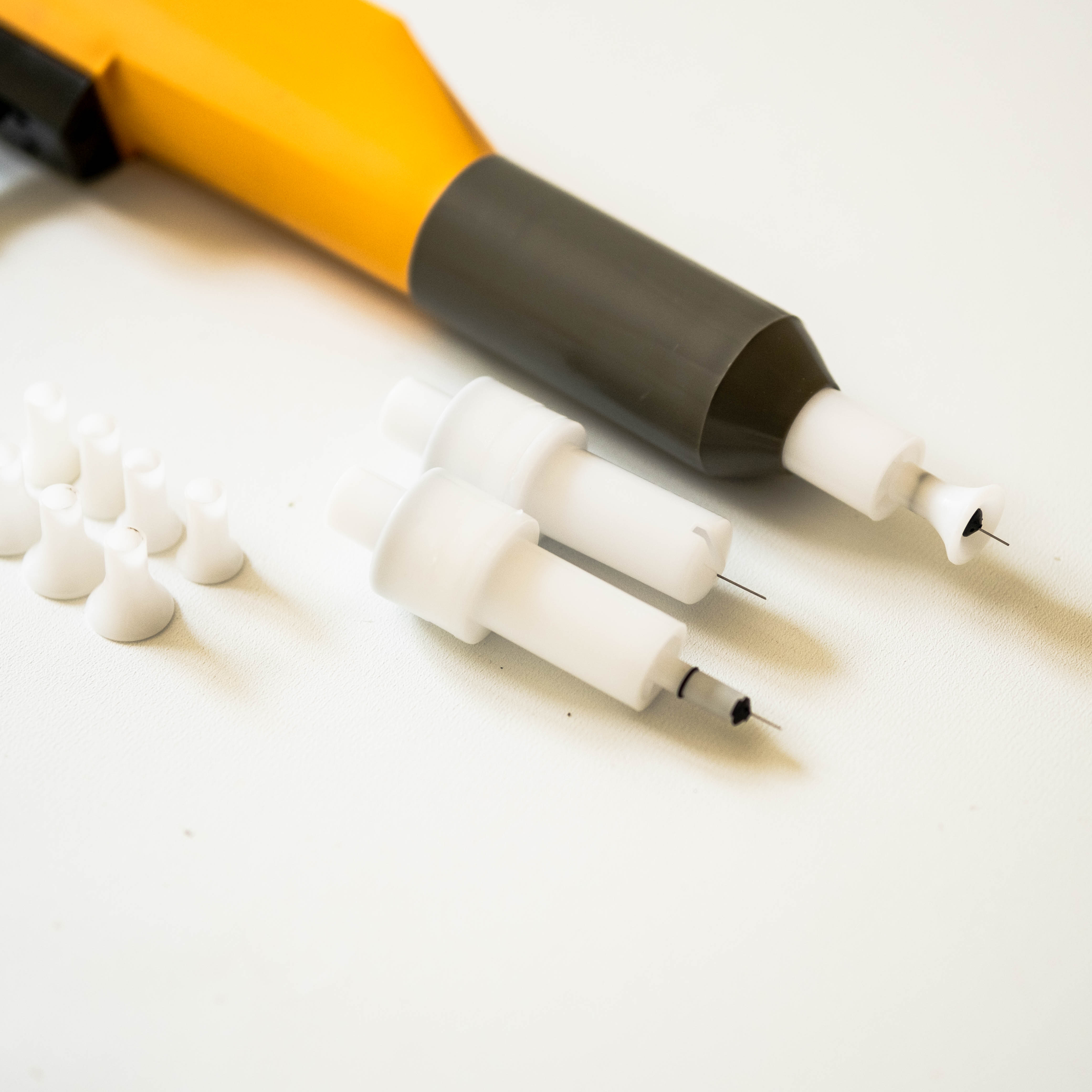
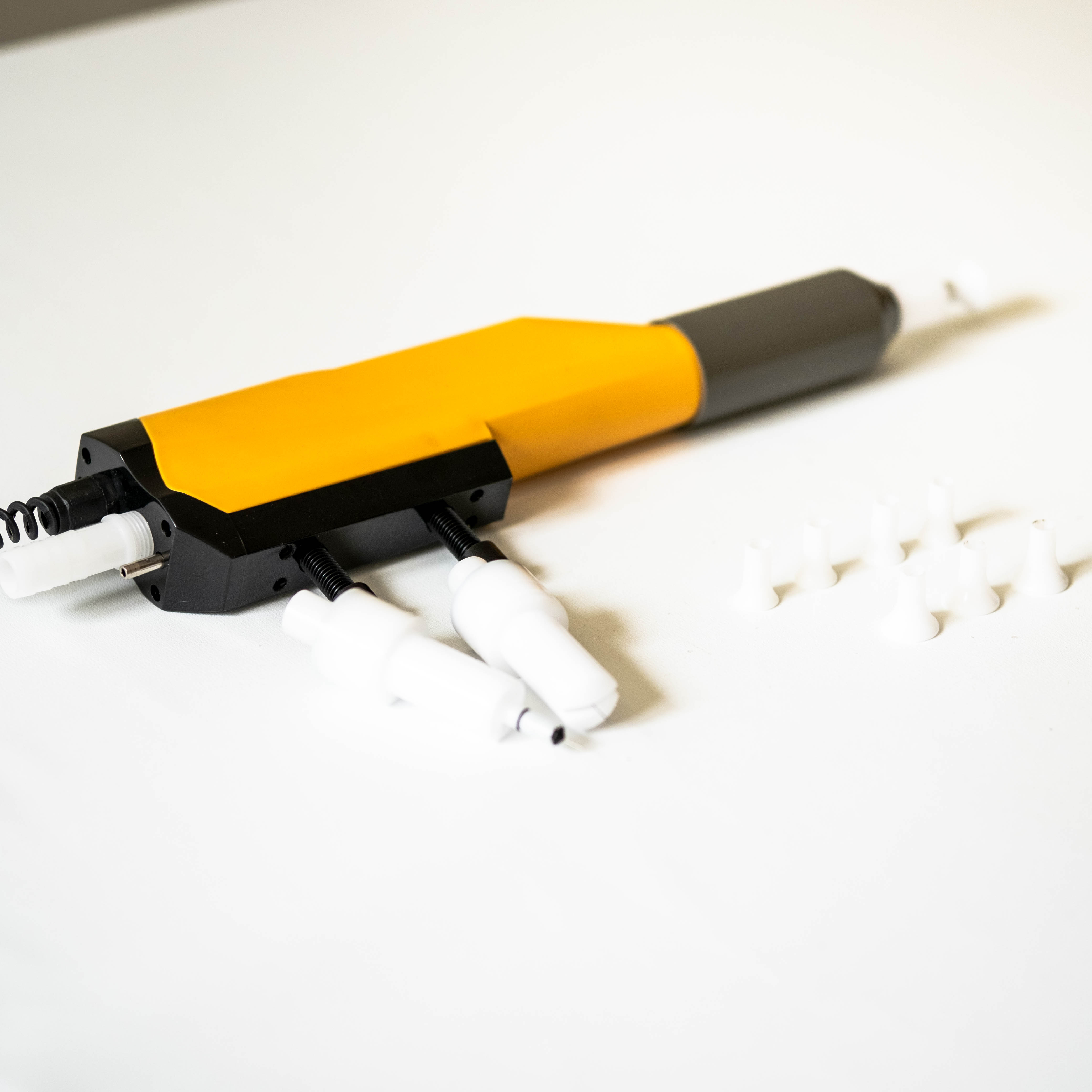
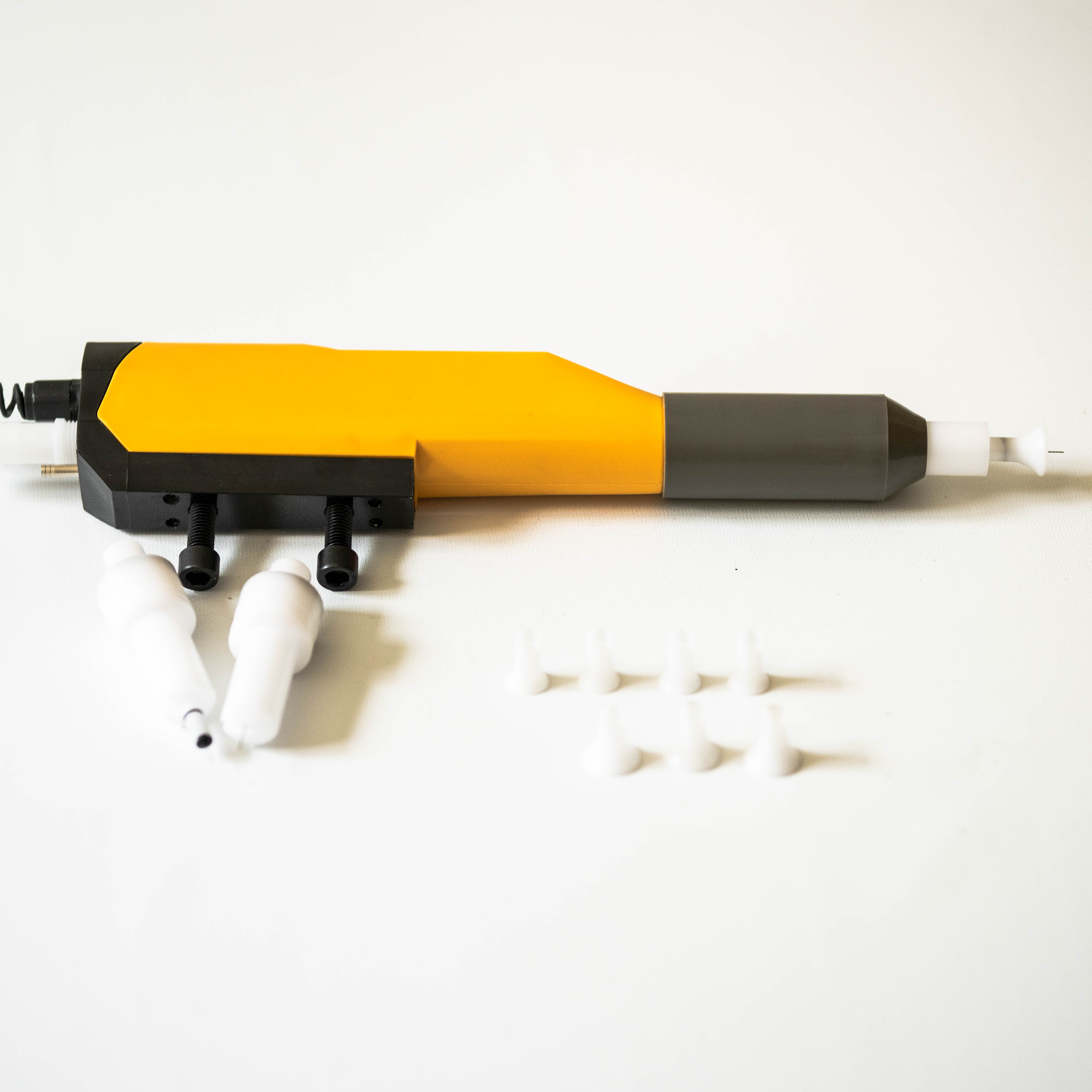
Electrostatic powder spraying is a finishing process that applies dry powder to a prepared surface and then cures it with heat. In electrostatic powder spraying, a spray gun gives powder particles an electrical charge while the workpiece receives an opposite charge or connects to ground. The charged particles move toward the target and attach to its surface, creating a smooth, even layer before curing. Electrostatic powder spraying works with steel, aluminum, cast iron, and many other conductive materials. The process supports protective, decorative, and functional coatings. Common coating types include epoxy, polyester, hybrid, and polyurethane powders. Electrostatic powder spraying equipment normally includes a powder hopper, pump, spray gun, control unit, air supply, recovery system, and curing oven. Modern controls let operators adjust voltage, powder flow, air pressure, and spray patterns for different products. This technology helps reach edges, corners, and recessed areas more effectively than ordinary liquid application, although part shape and grounding still affect coverage. Electrostatic powder spraying can operate as a manual workstation for low-volume orders or as an automated line for high-volume production. The workflow usually involves cleaning, pretreatment, masking, application, curing, cooling, inspection, and packing. During curing, heat melts the powder and forms a continuous film that bonds to the surface. Electrostatic powder spraying creates consistent finish thickness, strong adhesion, and a wide choice of colors and textures. It suits automotive components, appliances, furniture, lighting products, machinery, construction parts, tools, and general metal fabrication. Buyers can select a system according to production volume, part size, coating material, color-change frequency, and available floor space.