Electrostatic Spray Coating Technology: Efficient Industrial Finishing Solutions for Superior Quality

Get a Free Quote

Our representative will contact you soon.
Email
Mobile/WhatsApp
Name
Company Name
Message
0/1000

electrostatic spray coating

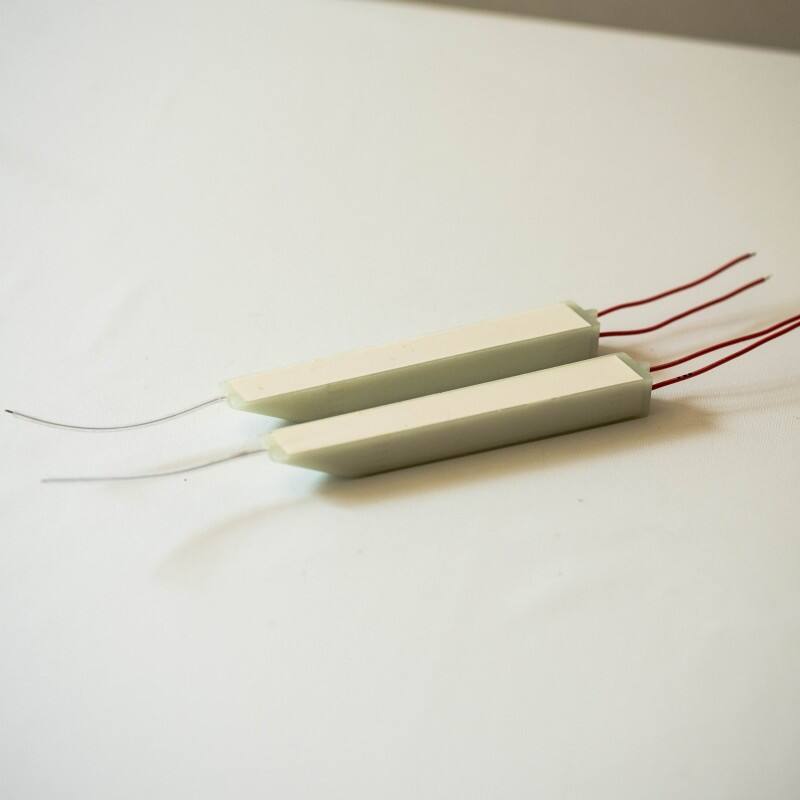
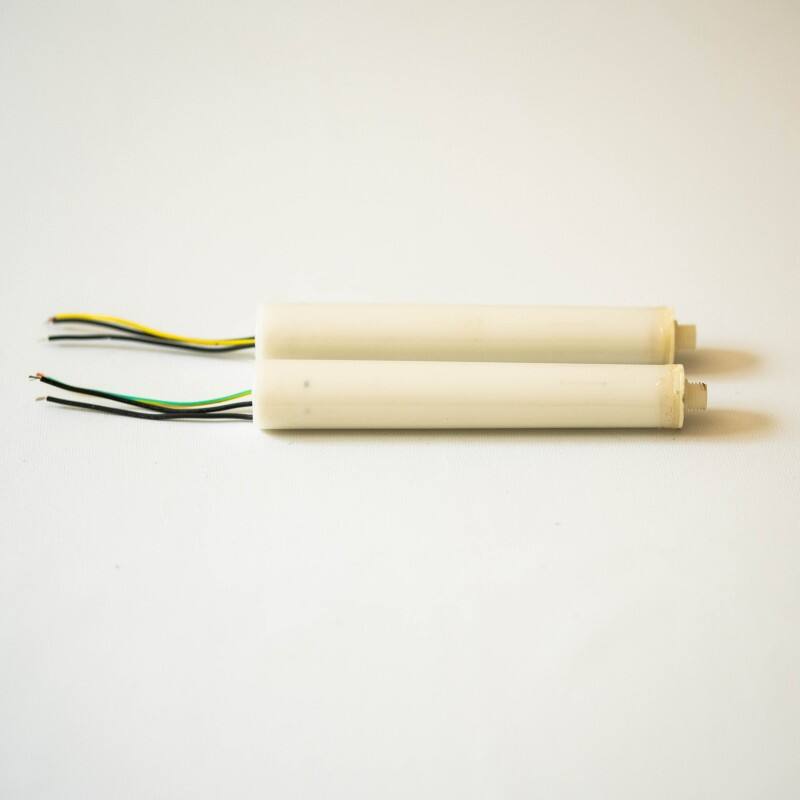
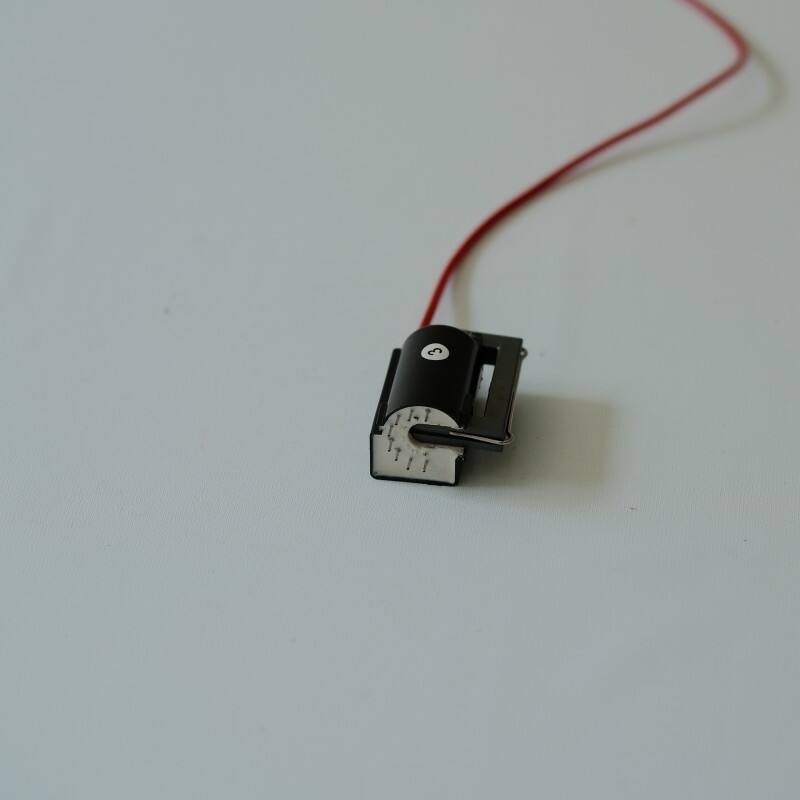
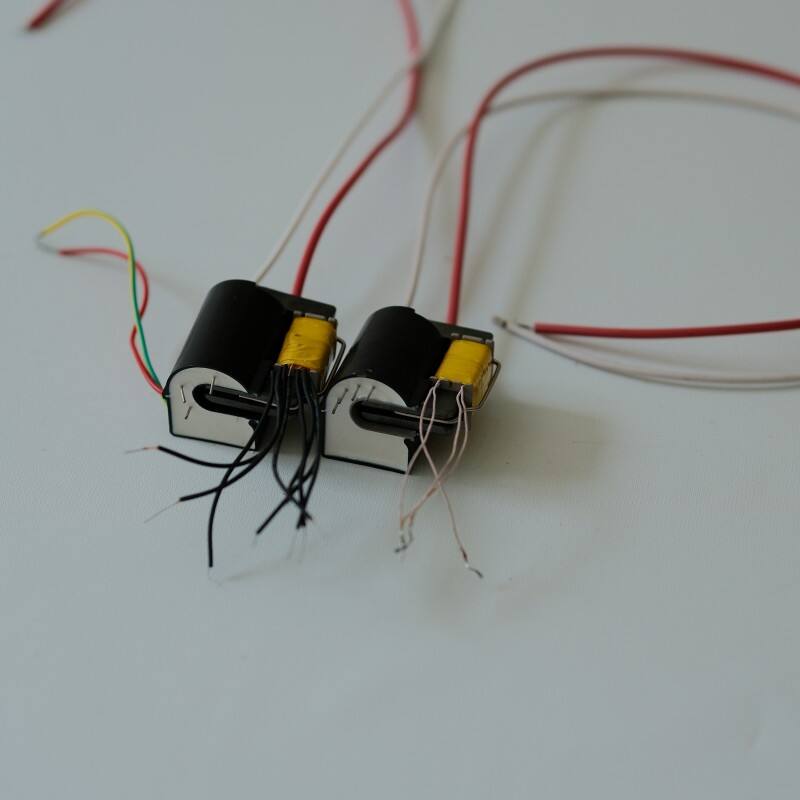
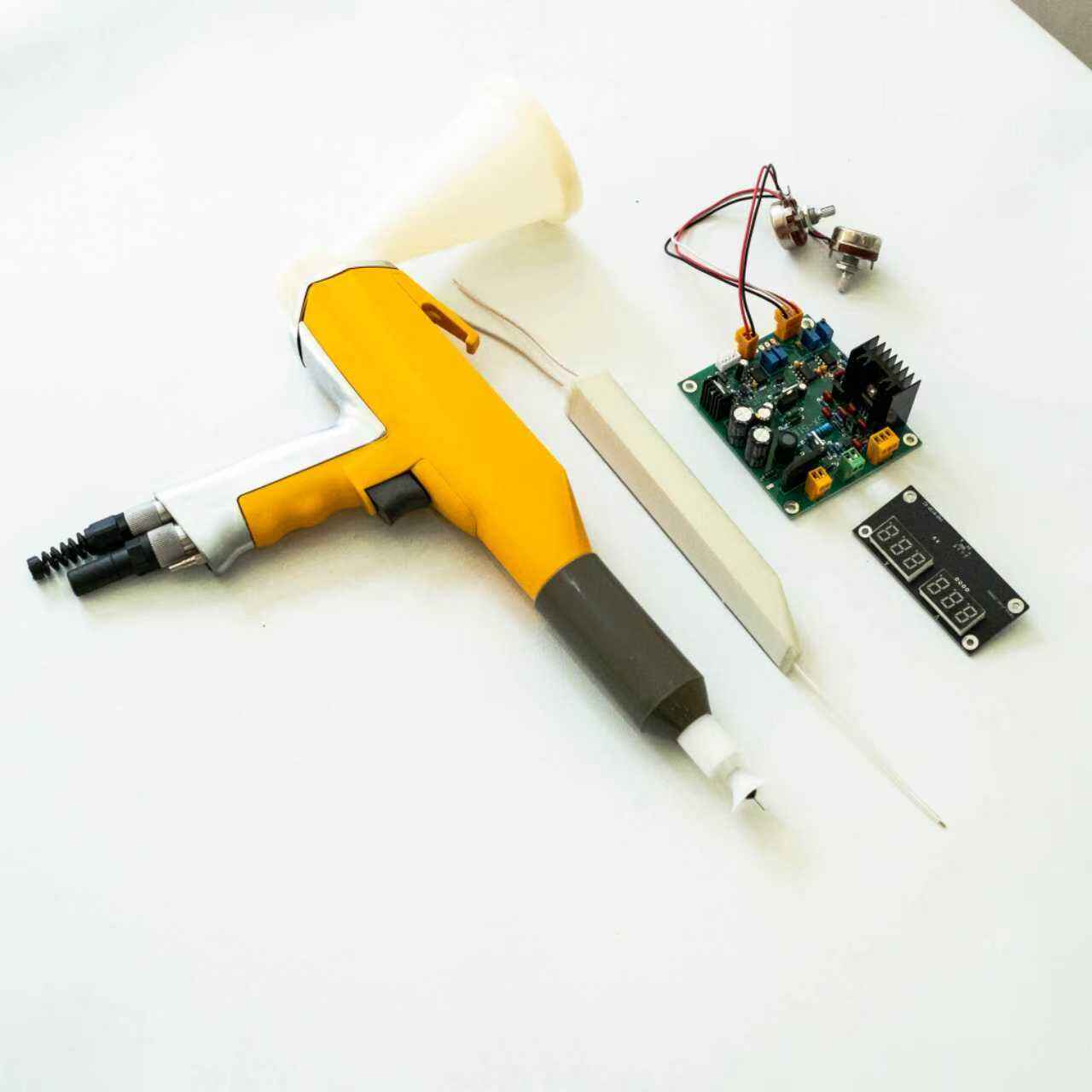
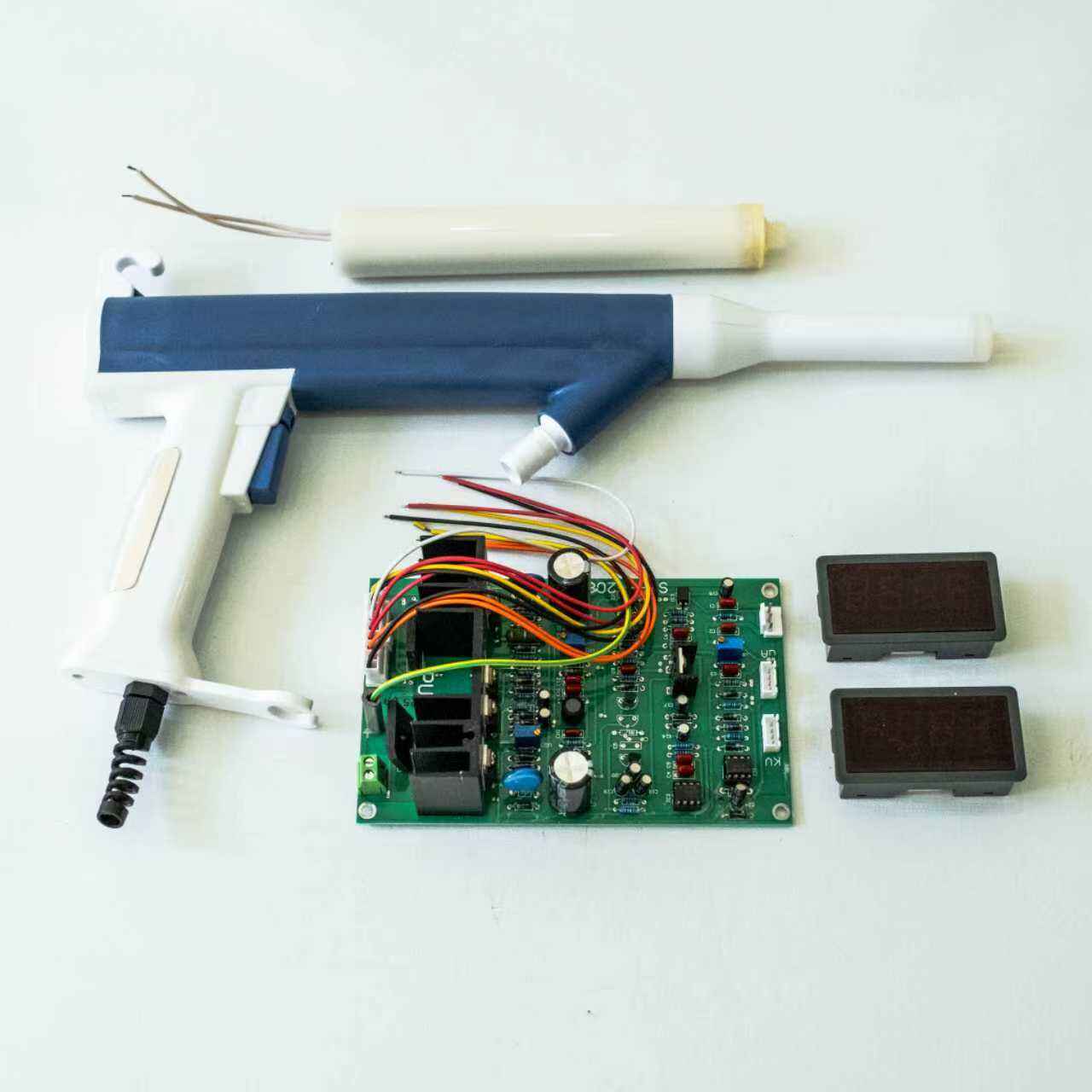
Electrostatic spray coating represents a revolutionary finishing technology that transforms how industries apply paints, powders, and protective coatings to various surfaces. This innovative method utilizes the fundamental principles of electrostatics to create a highly efficient coating process that delivers superior results compared to conventional application techniques. The electrostatic spray coating system works by electrically charging particles as they exit the spray gun, while the target object receives an opposite charge or remains grounded. This charge differential creates a magnetic-like attraction between the coating material and the workpiece, ensuring exceptional adhesion and coverage. The main functions of electrostatic spray coating include providing uniform film thickness across complex geometries, reducing material waste through improved transfer efficiency, and delivering professional-grade finishes that meet demanding quality standards. Technological features distinguish this coating method from traditional approaches, incorporating precision control systems that regulate particle charge, flow rates, and spray patterns with remarkable accuracy. Modern electrostatic spray coating equipment integrates advanced atomization technology that breaks coating materials into fine particles, optimizing coverage while minimizing overspray. The system accommodates both liquid and powder coating applications, offering versatility for diverse manufacturing requirements. Applications span numerous industries including automotive manufacturing, where electrostatic spray coating delivers flawless paint finishes on vehicle bodies and components. Furniture manufacturers rely on this technology to achieve consistent, durable finishes on wooden and metal products. Electronics companies utilize electrostatic spray coating for applying protective layers on circuit boards and housings. The aerospace sector depends on this method for coating aircraft components with specialized materials that withstand extreme conditions. Medical device manufacturers employ electrostatic spray coating to apply biocompatible finishes on surgical instruments and implants. The technology proves equally valuable in architectural metalwork, appliance manufacturing, and general industrial finishing operations where quality, efficiency, and environmental responsibility matter most to production success.

New Product Recommendations

Choosing electrostatic spray coating delivers measurable benefits that directly impact your bottom line and product quality. The transfer efficiency advantage stands out immediately, with electrostatic systems achieving 65 to 95 percent material transfer rates compared to 30 to 50 percent for conventional spray methods. This dramatic improvement means you use less coating material to cover the same surface area, reducing raw material costs substantially over time. Your purchasing budget stretches further while inventory management becomes simpler with lower material consumption rates. The wrap-around effect creates another practical advantage, as charged particles naturally attract to all exposed surfaces including edges, recesses, and back sides of workpieces. This phenomenon reduces the need for multiple spray passes or manual touch-ups, cutting labor hours and speeding production throughput. Your operators complete coating tasks faster while achieving better results, improving overall productivity metrics. Environmental benefits translate to real operational advantages as reduced overspray means fewer volatile organic compounds released into your facility atmosphere. This cleaner operation helps you meet increasingly strict environmental regulations without expensive retrofitting or complex compliance procedures. Your workplace becomes healthier for employees while your company demonstrates environmental stewardship that resonates with environmentally conscious customers. Finish quality improvements deliver competitive advantages in markets where appearance matters. The electrostatic spray coating process produces smoother, more uniform surfaces with consistent color and texture across entire production runs. Your products look more professional, commanding premium prices and generating fewer customer complaints about finish defects. Reduced rejection rates mean less rework, saving both materials and labor while improving delivery schedules. Operating cost reductions accumulate across multiple areas. Lower material consumption combines with reduced labor requirements and minimal waste disposal expenses to improve manufacturing economics significantly. Energy efficiency improves because modern electrostatic spray coating equipment operates with optimized power consumption, reducing utility bills month after month. Maintenance requirements stay manageable with durable components designed for industrial environments, keeping downtime minimal and repair costs reasonable. Flexibility advantages emerge when production requirements change. The same electrostatic spray coating system handles different coating materials, colors, and product types with straightforward adjustments, eliminating the need for multiple dedicated finishing lines. Your operation adapts quickly to new orders, seasonal variations, or market shifts without major capital investments. Training time decreases because electrostatic spray coating systems feature intuitive controls that operators learn quickly, reducing the skill gap and making workforce management easier in tight labor markets.

Practical Tips

Flyback vs. Forward Transformers: Choosing the Right Topology for Your Application

01

Jun

Flyback vs. Forward Transformers: Choosing the Right Topology for Your Application

Operating Principles: Energy Storage vs. Energy Transfer How Flyback Transformers Store and Release Energy (Discontinuous Conduction Mode) Flyback transformers function as coupled inductors, storing energy in their magnetic core during the switch-o...
View More
Core Material Selection: Ferrite vs. Nanocrystalline in Flyback Transformer Design

02

Jun

Core Material Selection: Ferrite vs. Nanocrystalline in Flyback Transformer Design

Ferrite Cores in Flyback Transformers: Performance and Limitations Permeability, saturation flux density (Bsat), and thermal stability from 100–500 kHz Ferrite cores dominate flyback transformer designs for their high permeability—typic...
View More
Advanced Testing Methods for Flyback Transformer Insulation and Leakage Inductance

15

Jun

Advanced Testing Methods for Flyback Transformer Insulation and Leakage Inductance

Insulation Integrity Testing Under High-Frequency Flyback Stress Dielectric Withstand and Partial Discharge Testing per VDE 0806 & IEC 61558 Dielectric withstand testing applies high-potential AC/DC voltages to verify insulation breakdown threshold...
View More
How does a flyback transformer contribute to energy saving and efficiency

08

Apr

How does a flyback transformer contribute to energy saving and efficiency

In modern power electronics, the demand for energy-efficient solutions has never been more critical. Industries worldwide are seeking components that not only deliver reliable performance but also minimize energy waste and operational costs. The flyb...
View More

Get a Free Quote

Our representative will contact you soon.
Email
Mobile/WhatsApp
Name
Company Name
Message
0/1000

electrostatic spray coating

Superior Material Efficiency Through Advanced Electrostatic Attraction

Superior Material Efficiency Through Advanced Electrostatic Attraction

The core advantage driving electrostatic spray coating adoption across industries centers on its exceptional material efficiency, which fundamentally changes coating economics. Traditional spray methods lose significant amounts of coating material to overspray that drifts away from target surfaces, settling on booth walls, floors, and exhaust filters as wasted expense. Electrostatic spray coating eliminates most of this waste through controlled particle charging that creates purposeful attraction between coating droplets and workpieces. When coating particles receive an electrical charge at the spray gun, they actively seek grounded or oppositely charged surfaces rather than following random airflow patterns. This targeted deposition means that materials travel directly to intended surfaces with minimal deviation, maximizing the percentage of sprayed material that actually adheres to products. The financial impact becomes substantial when calculated across production volumes. A facility coating thousands of parts annually saves tremendous amounts on raw material purchases simply by capturing and using coating materials more effectively. These savings multiply when coating expensive specialized formulations such as metallic finishes, protective industrial coatings, or materials containing precious metal particles. Beyond direct material cost savings, improved transfer efficiency reduces associated expenses throughout the operation. Less wasted material means reduced hazardous waste generation, lowering disposal costs and regulatory compliance burdens. Cleaning requirements decrease because less overspray accumulates on equipment and facility surfaces, cutting maintenance labor and solvent usage. Air filtration systems last longer between changes because they capture less overspray, reducing consumable costs and change-out downtime. The material efficiency advantage extends to powder coating applications where electrostatic spray coating technology truly excels. Powder particles hold electrical charges exceptionally well, creating strong attraction forces that deposit powder precisely where needed. Overspray powder can be collected and recycled back into the application system, approaching nearly 100 percent material utilization in well-designed operations. This recycling capability makes powder electrostatic spray coating extremely economical for high-volume production environments. The environmental dimension of material efficiency resonates strongly in today's manufacturing landscape. Reducing coating material waste means fewer volatile organic compounds released into the atmosphere, supporting corporate sustainability goals and regulatory compliance efforts simultaneously. Companies demonstrate environmental responsibility while improving profitability, creating win-win outcomes that satisfy multiple stakeholders from investors to community members concerned about industrial environmental impacts.
Exceptional Coverage Quality With Comprehensive Surface Reach

Exceptional Coverage Quality With Comprehensive Surface Reach

Electrostatic spray coating delivers coverage quality that conventional methods struggle to match, particularly on complex geometries and hard-to-reach surfaces. The wrap-around effect represents the signature capability that sets this technology apart, enabling charged particles to coat areas not directly in the spray path. This phenomenon occurs because electrostatically charged particles follow field lines between the spray gun and grounded workpiece, bending their trajectories to reach recessed areas, inner corners, and back surfaces. Products with intricate designs, multiple angles, or three-dimensional features receive complete coating coverage without requiring elaborate fixturing or multiple spray angles. The practical benefits transform production efficiency dramatically. Operators no longer spend time manually coating difficult areas or repositioning parts multiple times during the finishing process. A single spray pass accomplishes what previously required several passes from different angles, cutting cycle times and increasing throughput. Labor productivity improves measurably as fewer operator hours produce more finished parts. Quality consistency improves across production runs because electrostatic spray coating reduces dependence on individual operator skill and technique. The physical principles governing particle attraction work identically regardless of who operates the equipment, creating standardized results that meet specifications reliably. This consistency proves invaluable for manufacturers serving quality-sensitive markets where finish appearance directly influences customer satisfaction and brand reputation. Variation between parts decreases, rejection rates drop, and rework requirements diminish, all contributing to improved manufacturing economics. The coating uniformity achieved through electrostatic spray coating addresses both aesthetic and functional requirements. Film thickness remains consistent across surfaces, preventing thin spots that compromise corrosion protection or thick areas that waste material and extend drying times. This uniformity proves especially critical for protective coatings where performance depends on maintaining specified thickness ranges. Medical devices, aerospace components, and corrosion-resistant industrial equipment all benefit from the reliable coating thickness that electrostatic spray coating provides. Edge coverage represents another area where electrostatic spray coating demonstrates clear superiority. Sharp edges and corners that shed coating in conventional spray applications attract charged particles in electrostatic systems, ensuring adequate protection on these vulnerable areas. This capability extends product lifespan by preventing corrosion initiation at edges where coating failures typically begin. The enhanced edge coverage reduces warranty claims and customer complaints while building reputation for quality that drives repeat business and referrals.
Versatile Technology Adapting To Diverse Production Requirements

Versatile Technology Adapting To Diverse Production Requirements

The versatility inherent in electrostatic spray coating systems makes them valuable investments that serve multiple production needs across changing business conditions. Modern equipment accommodates both liquid and powder coating materials, providing flexibility to match coating types with specific product requirements and performance specifications. Manufacturers can switch between water-based and solvent-based liquids, different powder formulations, or completely different coating chemistries without replacing core equipment, protecting capital investments while enabling product diversification. This adaptability proves crucial as market demands evolve and customer specifications change. A finishing operation that begins coating metal furniture components can expand into automotive parts, appliances, or architectural products using the same basic electrostatic spray coating infrastructure. The ability to pursue new business opportunities without major equipment investments accelerates growth while managing financial risk. Color change capabilities enhance operational flexibility significantly. Electrostatic spray coating systems facilitate relatively quick transitions between colors compared to conventional equipment, reducing downtime between production runs. Some advanced systems incorporate rapid color change technology that minimizes material waste during transitions, making small batch production economically viable. This capability supports customization trends and just-in-time manufacturing strategies that demand quick response to specific customer orders rather than large inventory stockpiles of pre-finished goods. Size flexibility accommodates products ranging from small components to large assemblies within appropriate equipment configurations. Electrostatic spray coating scales effectively across this size range, with manual spray guns handling small parts, automatic reciprocators coating medium-sized products, and robotic systems addressing large or complex items. This scalability means manufacturers can standardize on electrostatic spray coating technology across diverse product lines, simplifying training, maintenance, and process control while leveraging common expertise throughout the operation. Production volume flexibility makes electrostatic spray coating suitable for both high-volume continuous production and lower-volume job shop environments. Automated systems deliver the speed and consistency required for mass production, while manual equipment provides the control and adaptability needed for custom work. This range allows companies to match coating technology to their specific business model rather than forcing operational compromises. Integration capabilities with upstream and downstream processes enhance overall manufacturing system performance. Electrostatic spray coating equipment connects seamlessly with automated material handling systems, curing ovens, and quality inspection stations to create efficient production cells. Modern systems incorporate digital controls and data connectivity that support Industry 4.0 initiatives, enabling process monitoring, quality tracking, and predictive maintenance programs that optimize overall equipment effectiveness.

Get a Free Quote

Our representative will contact you soon.
Email
Mobile/WhatsApp
Name
Company Name
Message
0/1000
Newsletter
Please Leave A Message With Us