
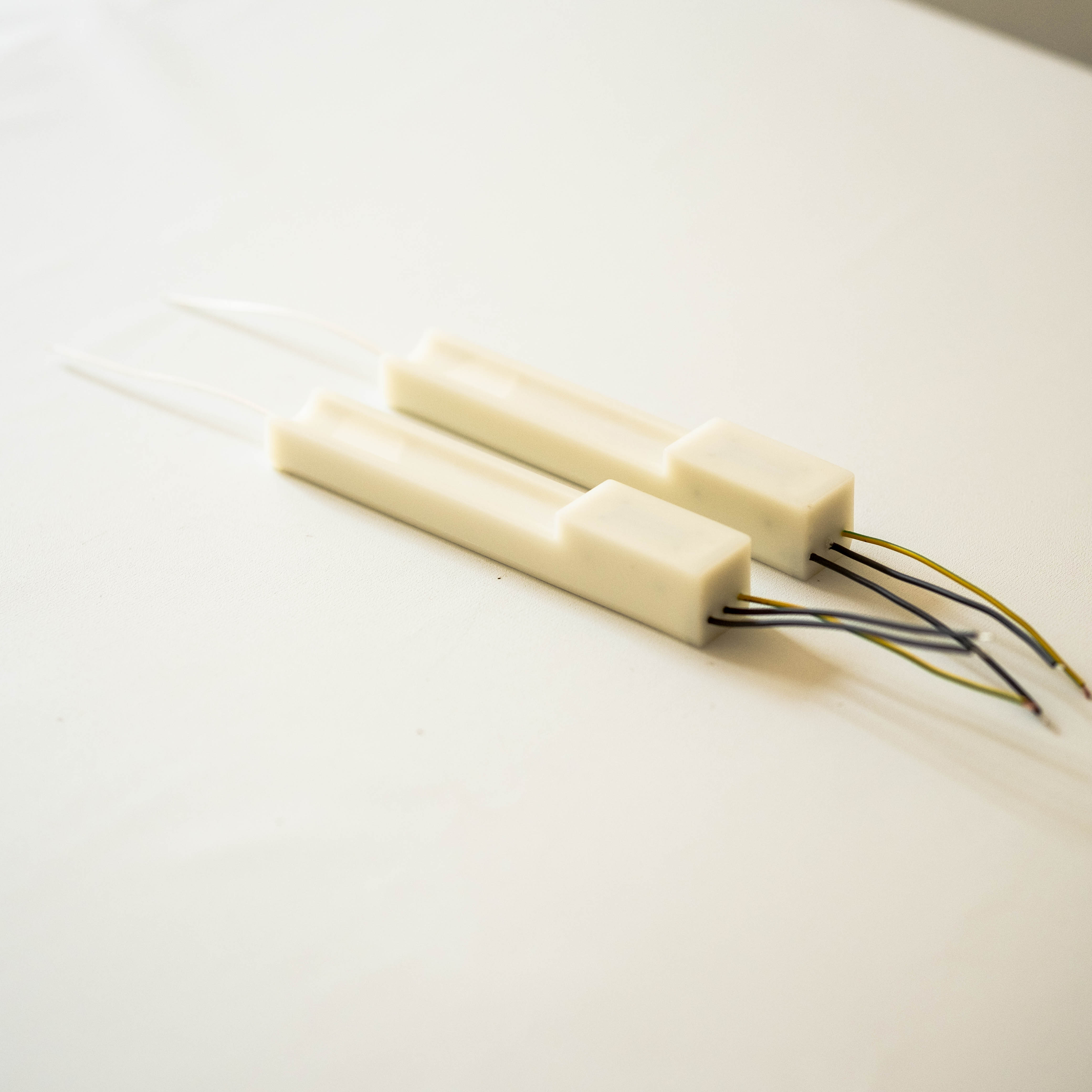
A flyback transformer is one of the most electrically demanding components found in modern power electronics. Operating at high voltages and high frequencies, it stores and releases energy in rapid cycles, making it both highly efficient and genuinely hazardous when handled without proper precautions. Whether you are working in industrial equipment maintenance, power supply design, or high-voltage testing environments, understanding the safety requirements around a flyback transformer is not optional — it is a fundamental professional responsibility.
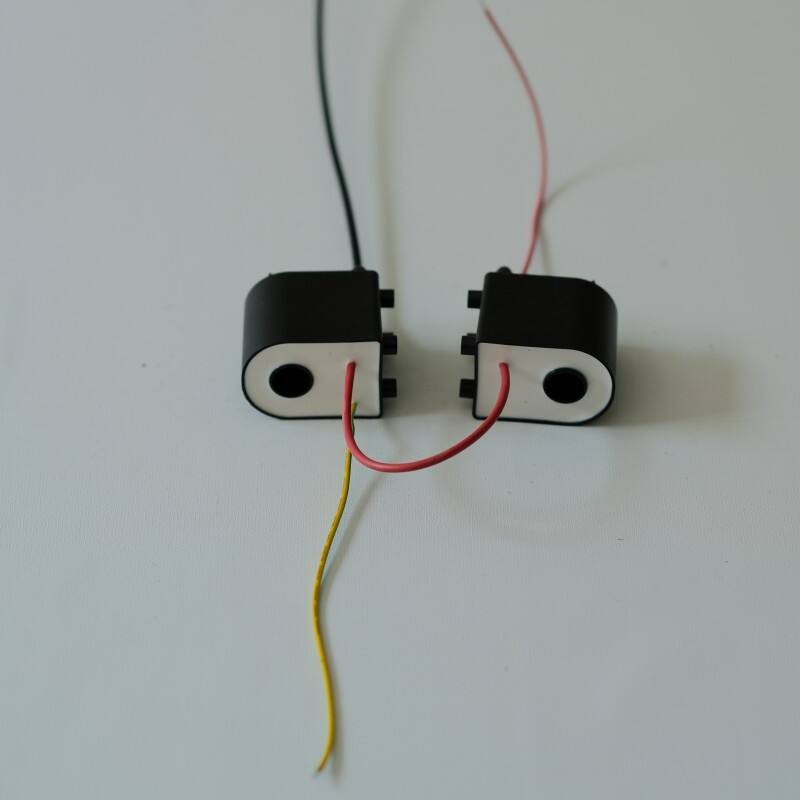
The risks associated with a flyback transformer extend well beyond the moment the circuit is powered. Residual charge stored in capacitors, the presence of high-frequency electromagnetic fields, and the potential for arc discharge all create hazards that persist even after the system is switched off. This article outlines the essential safety precautions required when working with or around a flyback transformer, covering electrical isolation, discharge procedures, thermal management, and workspace protocols that every technician and engineer should follow.
Understanding the Electrical Hazards of a Flyback Transformer
High Voltage Output and Arc Risk
The primary danger of a flyback transformer lies in its output voltage. Depending on the application, the secondary side of a flyback transformer can generate voltages ranging from a few hundred volts to tens of thousands of volts. These levels are far beyond the threshold for lethal electric shock, and even brief contact with an energized output can cause severe injury or death.
Arc discharge is a particularly serious concern. When a flyback transformer operates at high voltage, the electric field around the output terminals can ionize surrounding air, creating arcs that jump across gaps without direct contact. This means that simply being in close proximity to an energized flyback transformer without proper shielding can expose a technician to dangerous arc events.
Always treat the output side of a flyback transformer as live until it has been fully discharged and verified with a calibrated high-voltage probe. Never assume the circuit is safe based on visual inspection alone.
Stored Energy in Associated Capacitors
A flyback transformer does not operate in isolation. It works in conjunction with capacitors that store significant amounts of energy. Even after the primary power source is disconnected, these capacitors can retain a dangerous charge for an extended period. This residual energy is one of the most underestimated hazards in flyback transformer maintenance.
Before performing any hands-on work near a flyback transformer circuit, technicians must discharge all associated capacitors using an appropriate bleeder resistor or discharge tool. The discharge process should be performed slowly and deliberately, and the voltage should be confirmed at zero using a properly rated meter before any contact is made with the circuit.
Rushing the discharge step or skipping it entirely is one of the most common causes of electrical accidents in high-voltage power electronics work. Establishing a strict discharge protocol as a non-negotiable step in every maintenance procedure is essential when working with a flyback transformer.
Personal Protective Equipment and Workspace Safety
Required Personal Protective Equipment
Working with a flyback transformer demands the use of appropriate personal protective equipment at all times. High-voltage insulating gloves rated for the specific voltage range of the flyback transformer being serviced are the most critical item. These gloves must be inspected before each use for cracks, punctures, or signs of degradation, as even minor damage can compromise their insulating properties.
Eye protection is equally important. Arc flash events near a flyback transformer can produce intense light and ejected material. Safety glasses or a full face shield rated for electrical work should be worn whenever the circuit is energized or being discharged. Standard safety glasses are not sufficient for high-voltage arc protection.
Insulating footwear and non-conductive clothing further reduce the risk of completing an electrical circuit through the body. Avoid wearing jewelry, watches, or any metallic accessories when working near an energized flyback transformer, as these items can create unintended conductive paths.
Workspace Organization and Isolation Protocols
The physical workspace around a flyback transformer must be organized to minimize accidental contact and to prevent unauthorized access during live testing. Establish a clearly defined exclusion zone around any energized flyback transformer setup, and use physical barriers or warning signs to communicate the hazard to others in the area.
Work surfaces should be non-conductive. Rubber mats rated for high-voltage environments provide an additional layer of protection against ground faults. Keep the workspace free of clutter, loose wires, and conductive tools that are not actively in use, as these can create unintended short circuits or contact points near the flyback transformer.
Whenever possible, use a one-hand rule when probing or adjusting a live flyback transformer circuit. Keeping one hand behind your back or in a pocket reduces the risk of current passing through the chest in the event of accidental contact, which is the most dangerous path for electrical current through the human body.
Thermal Management and Insulation Integrity
Heat Generation and Thermal Runaway Risk
A flyback transformer generates heat during normal operation due to core losses and winding resistance. In high-power applications, this heat buildup can become significant, particularly if the transformer is operating near its rated limits or in an environment with poor ventilation. Excessive heat degrades the insulation materials within the flyback transformer, increasing the risk of internal breakdown and short circuits.
Thermal monitoring is a critical safety practice. Use a non-contact infrared thermometer or thermal imaging camera to check the surface temperature of the flyback transformer during operation. If temperatures exceed the manufacturer's rated limits, the system should be shut down and inspected before resuming operation.
Ensure that the flyback transformer is mounted with adequate clearance for airflow, and that any cooling systems such as fans or heat sinks are functioning correctly. Never obstruct the ventilation paths around a flyback transformer, even temporarily.
Insulation Inspection and Dielectric Integrity
The insulation surrounding the windings of a flyback transformer is the primary barrier between high-voltage conductors and the surrounding environment. Over time, insulation can degrade due to thermal cycling, moisture ingress, mechanical stress, or chemical exposure. A flyback transformer with compromised insulation presents a serious risk of electric shock, arc flash, or fire.
Regular insulation resistance testing using a megohmmeter is a recommended maintenance practice for any flyback transformer in continuous service. A significant drop in insulation resistance compared to baseline measurements is a warning sign that the transformer requires inspection or replacement before further use.
Visually inspect the flyback transformer housing and lead wires for signs of discoloration, cracking, or carbonization, which can indicate previous overheating or partial discharge events. Any transformer showing these signs should be taken out of service immediately.
Grounding, Shielding, and EMI Considerations
Proper Grounding of the Flyback Transformer Circuit
Correct grounding is a foundational safety requirement for any flyback transformer installation. The chassis and any conductive enclosures surrounding the flyback transformer must be connected to a reliable earth ground. This ensures that in the event of an insulation failure, fault current is directed safely to ground rather than through a person who contacts the enclosure.
Ground connections should be made with appropriately rated conductors and verified with a continuity tester before energizing the system. Loose or corroded ground connections can create high-impedance paths that fail to provide adequate protection during a fault event involving the flyback transformer.
In floating or isolated circuit designs, the absence of a direct earth ground does not eliminate the need for safety precautions. Isolation monitoring devices should be used to detect any degradation of isolation integrity in circuits built around a flyback transformer.
Electromagnetic Interference and Shielding Requirements
A flyback transformer operating at high switching frequencies generates significant electromagnetic interference. This EMI can affect nearby sensitive electronics and, in extreme cases, can interfere with safety-critical systems in the same facility. Proper shielding of the flyback transformer and its associated circuitry is both a performance requirement and a safety consideration.
Conductive shielding enclosures should be used around the flyback transformer where EMI emissions are a concern. These shields must themselves be properly grounded to be effective. Ungrounded shields can actually concentrate and redirect electromagnetic fields in unpredictable ways, potentially worsening the EMI environment.
Personnel working in close proximity to an operating flyback transformer for extended periods should be aware of occupational exposure guidelines for electromagnetic fields. While the primary hazard of a flyback transformer is electrical, the EMI environment it creates is a secondary consideration in workplace safety assessments.
Safe Handling During Installation and Replacement
Pre-Installation Verification Steps
Before installing a flyback transformer into a circuit, verify that the component's voltage, current, and frequency ratings are compatible with the intended application. Installing an undersized flyback transformer creates immediate risks of overheating, insulation failure, and fire. Always cross-reference the datasheet specifications against the circuit requirements before proceeding.
Inspect the flyback transformer for any physical damage that may have occurred during shipping or storage. Cracks in the core, damaged lead wires, or signs of moisture exposure are all reasons to reject a component before installation. A damaged flyback transformer should never be installed, even temporarily, as the failure mode under load can be sudden and severe.
Confirm that the mounting hardware and clearance distances comply with the relevant electrical safety standards for the application. Insufficient creepage and clearance distances around a flyback transformer are a common source of arc-over failures in improperly designed or assembled systems.
Decommissioning and Disposal Precautions
Removing a flyback transformer from service requires the same level of caution as installation. The circuit must be fully de-energized, all capacitors discharged, and the absence of voltage confirmed before the flyback transformer is disconnected. Even a transformer that has been out of service for some time may be associated with capacitors that retain a residual charge.
Handle a removed flyback transformer carefully to avoid mechanical damage to the core or windings. Although a disconnected flyback transformer does not pose an immediate electrical hazard, a cracked or broken core can create sharp edges and may release ferrite dust, which is a respiratory irritant.
Dispose of a flyback transformer in accordance with local regulations for electronic waste. Some transformer materials, including certain core compounds and insulating varnishes, may be subject to specific disposal requirements. Do not discard a flyback transformer in general waste streams without checking applicable environmental guidelines.
FAQ
Why is a flyback transformer considered more dangerous than a standard transformer?
A flyback transformer stores energy in its core during the switch-on phase and releases it during the switch-off phase, which allows it to generate output voltages far higher than its input. This energy storage mechanism, combined with the high switching frequencies involved, means that a flyback transformer can produce lethal voltages even from relatively low input supplies. The associated capacitors also retain dangerous charges after power is removed, extending the hazard window beyond the active operating period.
How do I safely discharge the capacitors associated with a flyback transformer circuit?
Use a discharge resistor with an appropriate power rating connected in series with an insulated probe to slowly bleed the charge from each capacitor. The resistance value should be chosen to limit the discharge current to a safe level while still completing the discharge within a reasonable time. After the discharge process, verify that the voltage across each capacitor reads zero using a calibrated high-voltage meter before touching any part of the flyback transformer circuit.
What insulation rating should gloves have when working with a flyback transformer?
Gloves must be rated for at least the maximum output voltage of the flyback transformer being serviced, with an appropriate safety margin. For most industrial and high-voltage testing applications, Class 2 or Class 3 electrical insulating gloves are commonly required. Always verify the specific voltage class against the actual operating voltage of the flyback transformer and inspect gloves for damage before each use.
Can a flyback transformer be safely tested while energized?
Energized testing of a flyback transformer is sometimes necessary for diagnostic purposes, but it must only be performed by qualified personnel using properly rated test equipment, appropriate personal protective equipment, and within a controlled environment that includes physical barriers and warning systems. All measurements should be taken using high-voltage probes rated for the circuit's output voltage, and no direct contact with energized terminals should ever occur during live testing of a flyback transformer.
Table of Contents
- Understanding the Electrical Hazards of a Flyback Transformer
- Personal Protective Equipment and Workspace Safety
- Thermal Management and Insulation Integrity
- Grounding, Shielding, and EMI Considerations
- Safe Handling During Installation and Replacement
-
FAQ
- Why is a flyback transformer considered more dangerous than a standard transformer?
- How do I safely discharge the capacitors associated with a flyback transformer circuit?
- What insulation rating should gloves have when working with a flyback transformer?
- Can a flyback transformer be safely tested while energized?