High Voltage Module for Capacitor Charging

Get a Free Quote

Our representative will contact you soon.
Email
Mobile/WhatsApp
Name
Company Name
Message
0/1000

high voltage module for capacitor charging

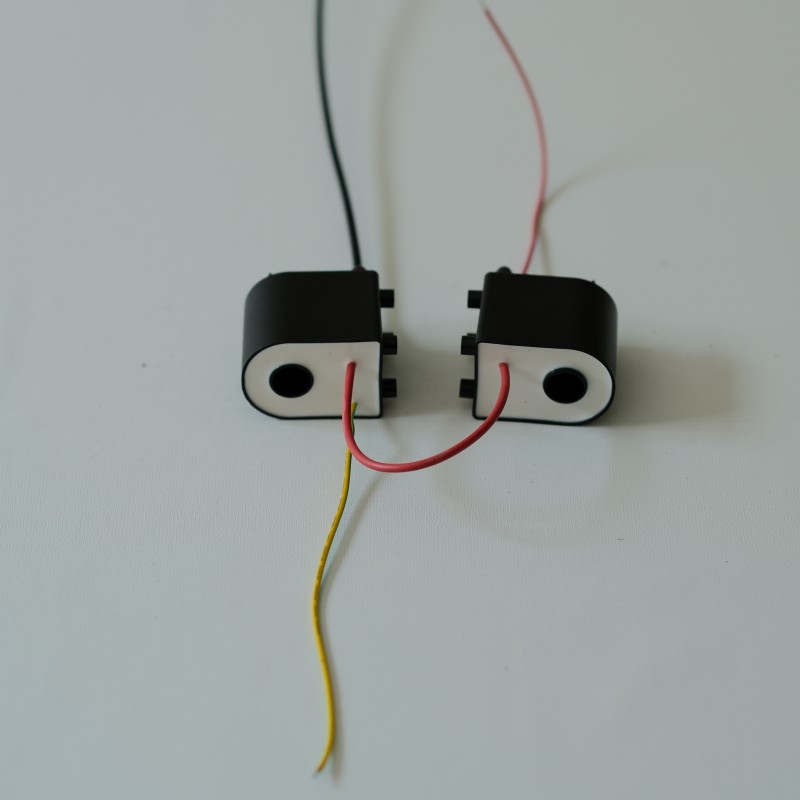
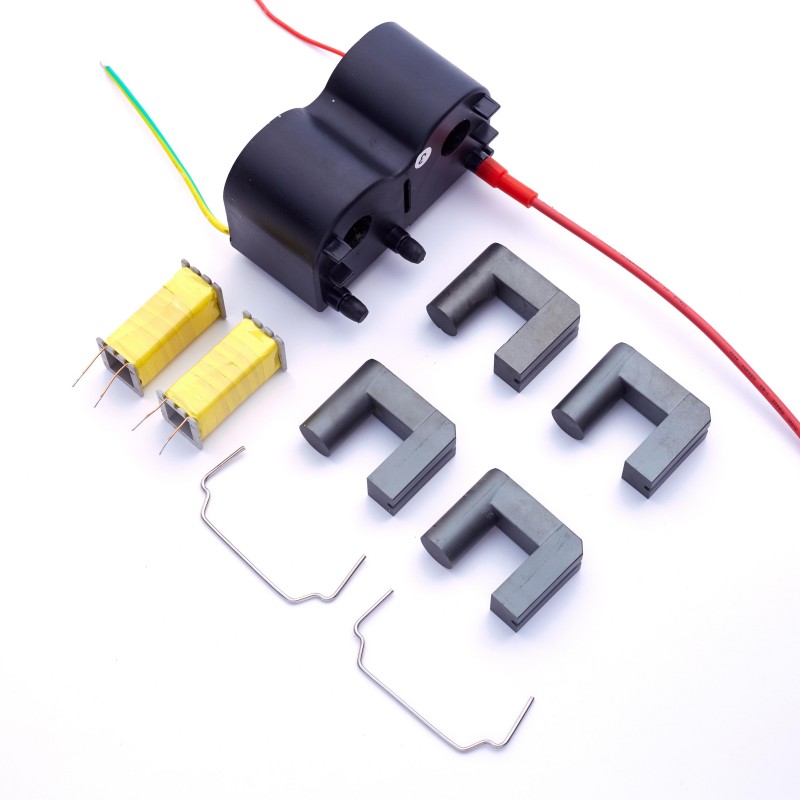
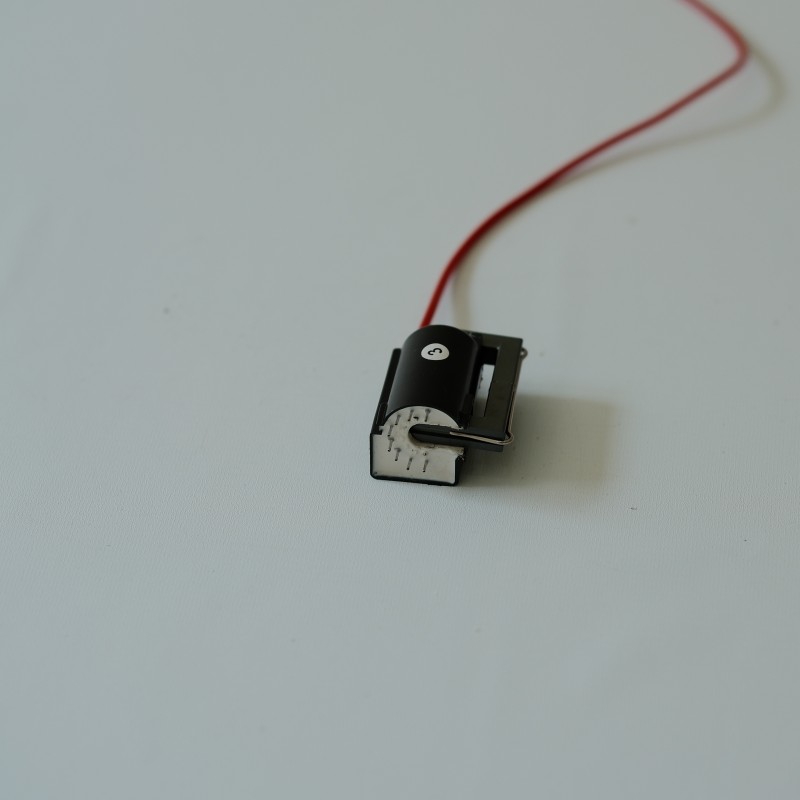
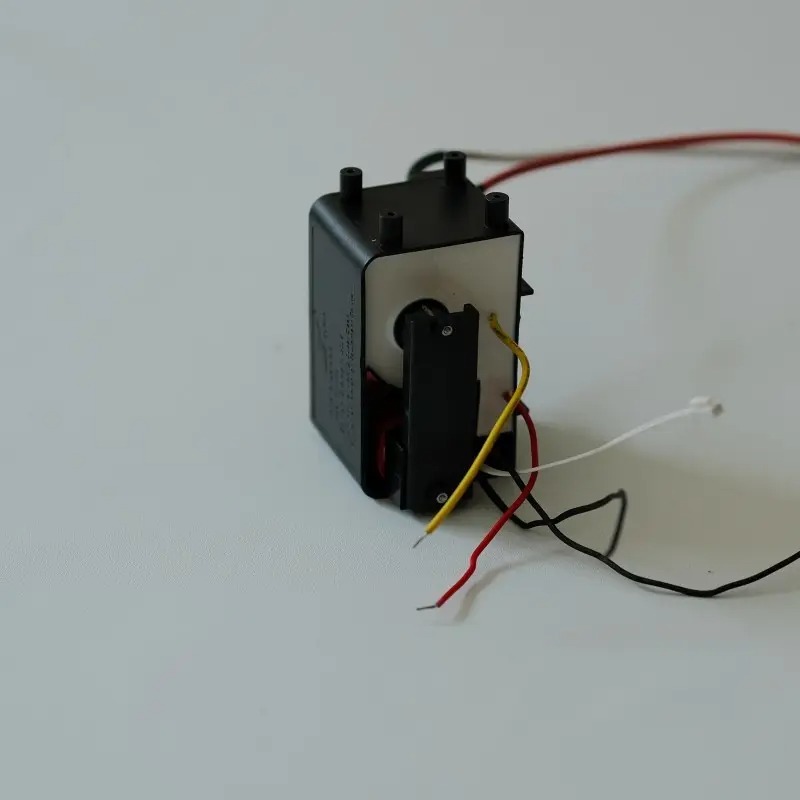
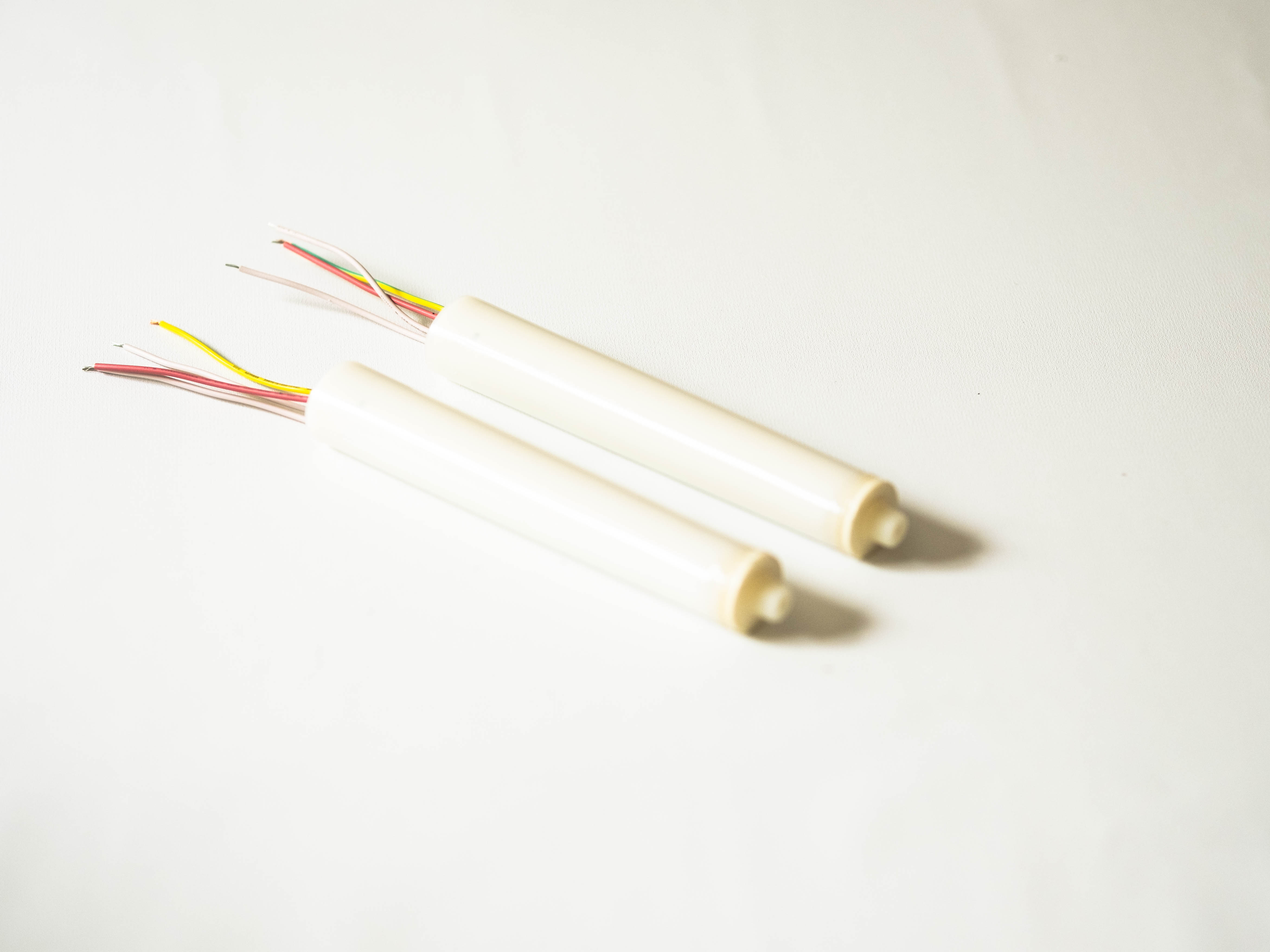
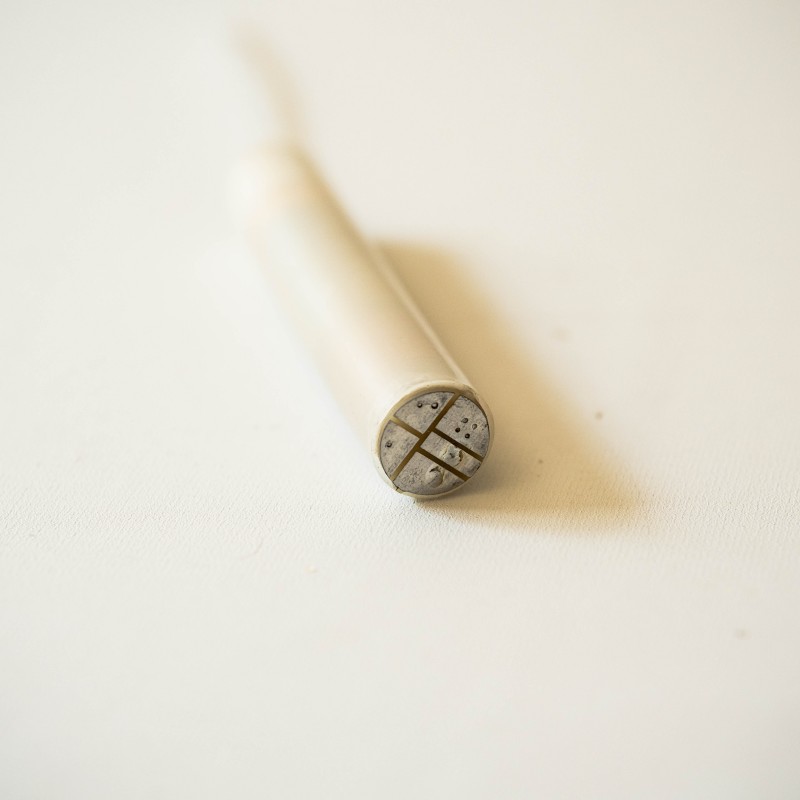
A high voltage module for capacitor charging is a compact power unit that converts a low voltage input into a controlled high voltage output for charging capacitors. A high voltage module for capacitor charging gives equipment a steady, repeatable charging source instead of relying on a large custom supply. The high voltage module for capacitor charging manages the charging cycle, limits current, and helps prevent damaging surges. Many designs include voltage regulation, current sensing, short circuit protection, overvoltage protection, and thermal monitoring. A high voltage module for capacitor charging can charge different capacitor sizes while maintaining predictable performance across changing loads. A high voltage module for capacitor charging may use an efficient switching circuit, a transformer, rectifiers, feedback control, and a sealed protective enclosure. These features support faster charging, lower energy loss, and more consistent operation. A high voltage module for capacitor charging can also provide a remote enable signal, fault feedback, programmable output, or a simple analog control input. The high voltage module for capacitor charging is available in formats suited to laboratory equipment, industrial machinery, medical systems, and portable instruments. A high voltage module for capacitor charging helps designers reduce board space, simplify integration, and shorten development time. Typical applications include pulsed lasers, flash lamps, X-ray equipment, particle instruments, electrostatic systems, ignition circuits, and test equipment. The high voltage module for capacitor charging can support single-shot or repetitive charging, depending on its output rating and control design. Customers should compare input range, output voltage, charging current, stored-energy requirements, duty cycle, insulation, cooling method, and interface options. Selecting a high voltage module for capacitor charging with suitable protection and operating margins improves system reliability and service life. It also gives engineers a practical building block for safe, controlled capacitor energy management.

New Product Releases

The main advantage of a high voltage module for capacitor charging is simpler power system design. Instead of designing a transformer, control loop, protection network, and charging circuit separately, buyers can use a tested high voltage module for capacitor charging as a ready-to-integrate source. This reduces engineering work, lowers development risk, and can speed the path from prototype to production. A high voltage module for capacitor charging also produces repeatable results. Controlled voltage and current help each capacitor reach the intended level without unnecessary stress, which supports stable pulse energy and more dependable machine performance. For production users, a high voltage module for capacitor charging can improve process consistency and reduce adjustment time between operating cycles. Protection functions add practical value. Current limiting can reduce damage after a wiring fault, while overvoltage and thermal safeguards help protect both the supply and the connected capacitor. A high voltage module for capacitor charging with fault feedback allows a controller to stop a process, display an alarm, or schedule maintenance before a small problem becomes a costly failure. Efficiency is another buyer benefit. A modern high voltage module for capacitor charging can reduce wasted heat and help equipment use a smaller cooling system. Compact packaging also frees enclosure space for sensors, controls, or additional functions. The high voltage module for capacitor charging suits applications that need fast recovery, repeatable pulses, adjustable output, or remote operation. Buyers can select a model for laboratory testing, medical imaging, laser equipment, electrostatic treatment, inspection tools, or industrial automation. Before purchase, confirm voltage range, charging speed, output power, capacitor size, repetition rate, insulation level, cooling needs, connector type, and compliance requirements. A high voltage module for capacitor charging that matches these details provides dependable operation without paying for unnecessary capacity. This makes the product useful for both specialized equipment makers and standard system upgrades.

Practical Tips

How to tell if an ignition coil needs replacement

10

Aug

How to tell if an ignition coil needs replacement

An ignition coil is a critical component in your vehicle's electrical system, responsible for converting low voltage into high voltage to create the spark needed for engine combustion. When an ignition coil begins to fail, it can trigger multiple war...
View More
What Maintenance Practices Ensure Optimal Transformer Performance

21

Aug

What Maintenance Practices Ensure Optimal Transformer Performance

Maintaining transformer equipment is critical to ensuring reliable power distribution and preventing costly operational failures in industrial facilities. A comprehensive maintenance strategy that includes regular inspections, fluid analysis, and pre...
View More
How Can Low Power Transformers Enhance Electrostatic Spraying Efficiency

09

Sep

How Can Low Power Transformers Enhance Electrostatic Spraying Efficiency

Electrostatic spraying represents a precision coating technology that demands exacting electrical performance standards. A high voltage module with low ripple serves as the electrical foundation for this application, directly influencing coating unif...
View More
How to tell if an ignition coil needs replacement

10

Aug

How to tell if an ignition coil needs replacement

An ignition coil is a critical component in your vehicle's electrical system, responsible for converting low voltage into high voltage to create the spark needed for engine combustion. When an ignition coil begins to fail, it can trigger multiple war...
View More

Get a Free Quote

Our representative will contact you soon.
Email
Mobile/WhatsApp
Name
Company Name
Message
0/1000

high voltage module for capacitor charging

Controlled Charging for Consistent Results

Controlled Charging for Consistent Results

A key selling point of a high voltage module for capacitor charging is precise control over the charging process. The unit monitors output conditions and adjusts its switching action to keep voltage within the required range. This matters because inconsistent charging can change pulse strength, reduce measurement accuracy, or place extra stress on expensive capacitors. With a high voltage module for capacitor charging, users can set a reliable operating point and repeat the same cycle many times. The high voltage module for capacitor charging can also limit current during startup, reducing sudden electrical strain and helping protect connected components. For equipment builders, this controlled behavior makes testing easier and supports predictable system tuning. For operators, it means fewer manual adjustments and more stable results. A high voltage module for capacitor charging is especially valuable in pulsed lasers, flash systems, imaging equipment, and test platforms where each discharge must deliver repeatable energy. This feature improves product quality, reduces waste, and supports dependable long-term operation.
Built-In Protection and Safer Integration

Built-In Protection and Safer Integration

Protection features give a high voltage module for capacitor charging strong practical value during installation and daily use. A well-designed high voltage module for capacitor charging can detect overvoltage, excess current, abnormal temperature, and output faults. It can then limit operation, shut down, or send a fault signal to the main controller. This response helps reduce damage when a capacitor, cable, connector, or circuit behaves unexpectedly. The high voltage module for capacitor charging may also include controlled startup and discharge support, which helps engineers manage stored energy more responsibly. The high voltage module for capacitor charging does not remove the need for proper insulation, grounding, guarding, and operating procedures, but it gives the wider system an important layer of control. Buyers benefit from easier troubleshooting, fewer avoidable failures, and better protection for costly equipment. These functions suit factory machinery, research instruments, medical systems, and service environments where downtime carries a high cost. Choosing a protected design can improve confidence during integration and routine maintenance.
Compact, Flexible Power for Many Systems

Compact, Flexible Power for Many Systems

A high voltage module for capacitor charging helps equipment makers save space while adding a dependable high voltage function. Rather than combining several large circuits, a high voltage module for capacitor charging packages key conversion and control functions into one product. The high voltage module for capacitor charging can fit into laboratory tools, portable instruments, production machines, or custom enclosures when its electrical and thermal limits match the design. Flexible input options, remote control, feedback signals, and adjustable output settings can simplify connection to a digital controller or safety system. A high voltage module for capacitor charging also supports different operating patterns, including single charging events, repeated pulses, and controlled standby modes. This flexibility lets one product family serve development equipment and final production systems. A high voltage module for capacitor charging can reduce wiring complexity and make replacement or service more straightforward. Buyers should still check dimensions, connectors, cooling, output power, and insulation before ordering. The result is a practical solution that shortens integration time and supports future equipment changes.

Get a Free Quote

Our representative will contact you soon.
Email
Mobile/WhatsApp
Name
Company Name
Message
0/1000
Newsletter
Please Leave A Message With Us