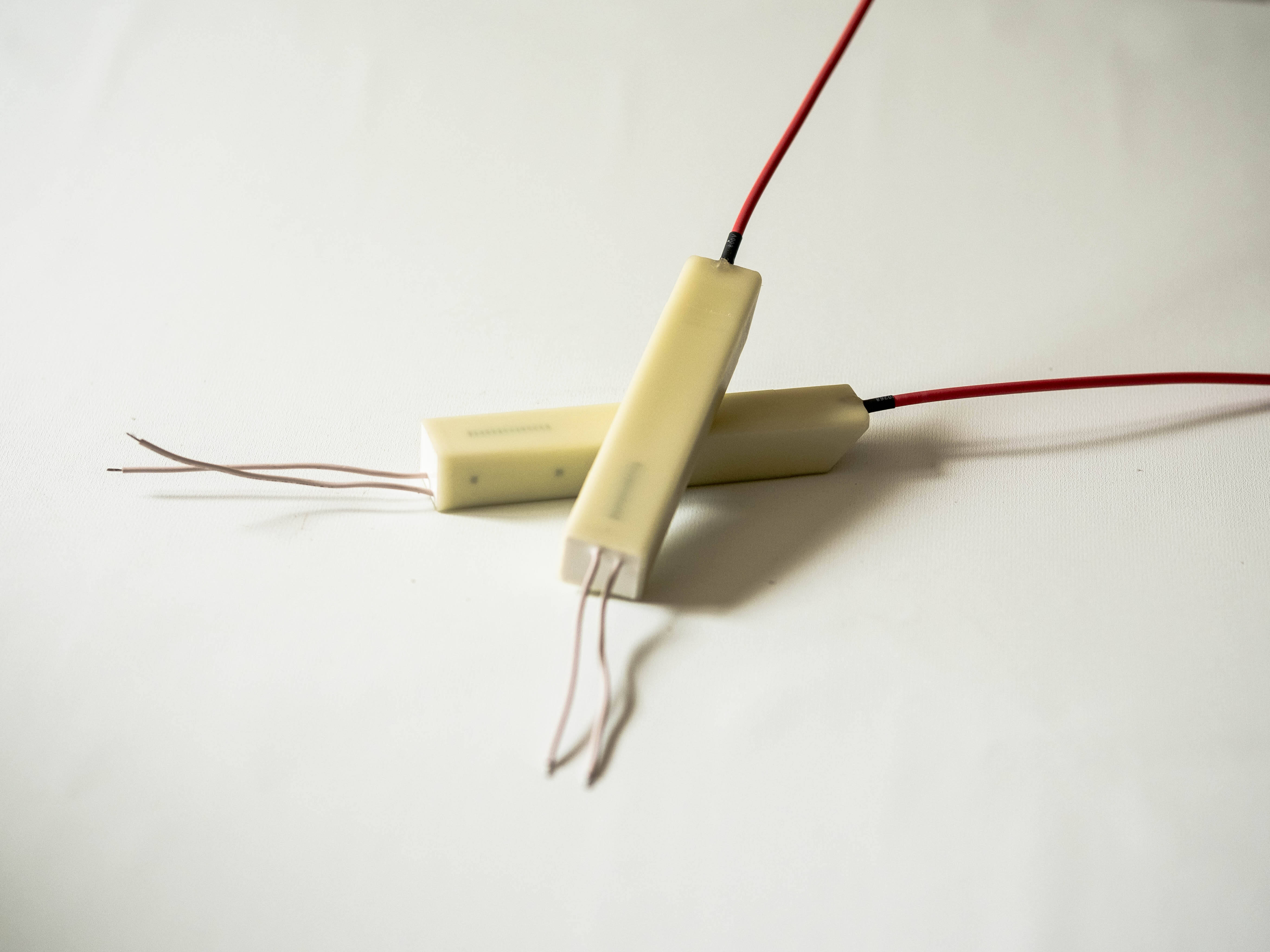
Exceptional Reliability and Low Total Cost of Ownership
The reliability record of quality high voltage power modules translates directly into economic benefits through reduced maintenance costs, minimal downtime, and extended service life. These modules achieve mean time between failure ratings often exceeding 100,000 hours of continuous operation, which represents more than eleven years of uninterrupted service. This exceptional reliability stems from conservative design practices, extensive testing, and the use of premium components rated for demanding conditions. The solid-state construction of modern high voltage power modules eliminates mechanical components such as relays, switches, and moving parts that traditionally represent failure points in power equipment. Without mechanical wear, the primary aging mechanisms involve gradual degradation of capacitors and semiconductors, processes that occur slowly and predictably over many years. Engineers accelerate life testing during development to identify potential weaknesses and ensure that designs meet longevity targets. The thermal management systems incorporated into high voltage power modules play a crucial role in achieving long service life. Proper heat dissipation keeps components within optimal temperature ranges, dramatically slowing aging processes. Advanced cooling designs use heat pipes, forced air, or even liquid cooling in high power applications to maintain low operating temperatures. The derating practices employed in quality designs specify components at lower stress levels than their maximum ratings, providing margin that enhances reliability and extends operational life. Operating components at 70 or 80 percent of their rated capacity rather than at maximum limits yields disproportionate improvements in longevity. The total cost of ownership calculation must consider not only the initial purchase price but also installation costs, energy consumption, maintenance expenses, and replacement frequency. High voltage power modules excel in this comprehensive analysis due to their high efficiency that reduces electricity costs, their reliability that minimizes service calls, and their long life that delays replacement expenses. The ease of installation reduces initial deployment costs as standardized mounting, wiring, and control interfaces minimize engineering time and custom fabrication. Comprehensive documentation and technical support further reduce installation expenses and accelerate commissioning. Energy efficiency directly impacts operating costs in applications where high voltage power modules run continuously. An efficiency improvement of just a few percentage points can save thousands of dollars annually in electricity costs for high power installations. Over a ten-year service life, these savings often exceed the initial equipment cost. The minimal maintenance requirements of high voltage power modules reduce ongoing service expenses. Unlike older technologies that require periodic adjustment, component replacement, or cleaning, modern modules operate maintenance-free for years. This hands-off operation proves especially valuable in remote installations or applications where access requires production shutdowns. The modularity of modern power systems allows replacement of individual high voltage power modules without discarding entire systems. This approach minimizes repair costs and extends the useful life of installations. Spare modules can be stocked for critical applications, enabling rapid replacement and minimal downtime in the rare event of failure.