High Voltage Module for Electrostatic Spraying - Advanced Coating Technology Solutions

Get a Free Quote

Our representative will contact you soon.
Email
Mobile/WhatsApp
Name
Company Name
Message
0/1000

high voltage module for electrostatic spraying

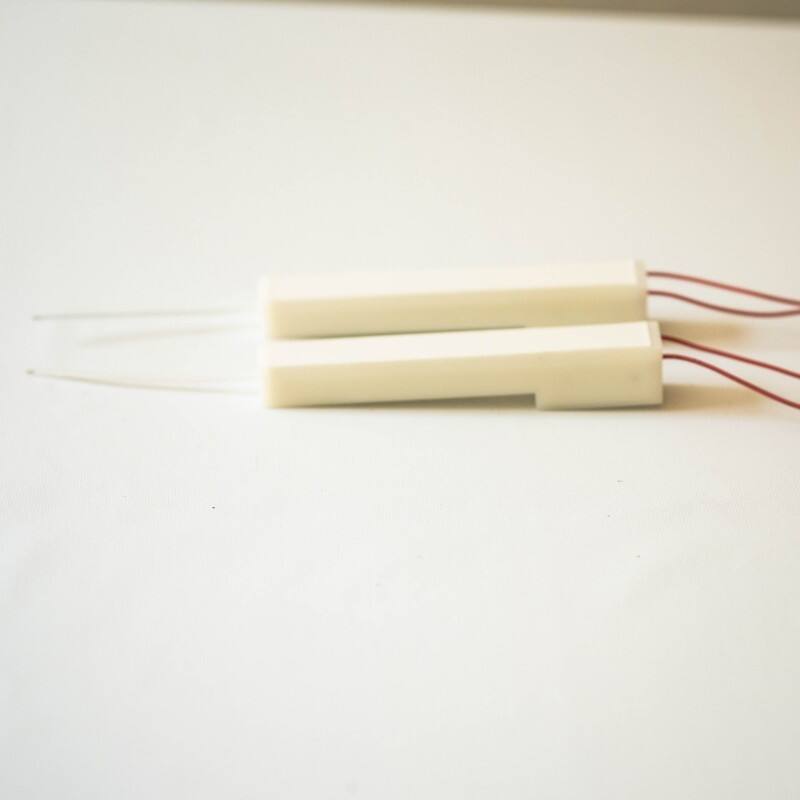
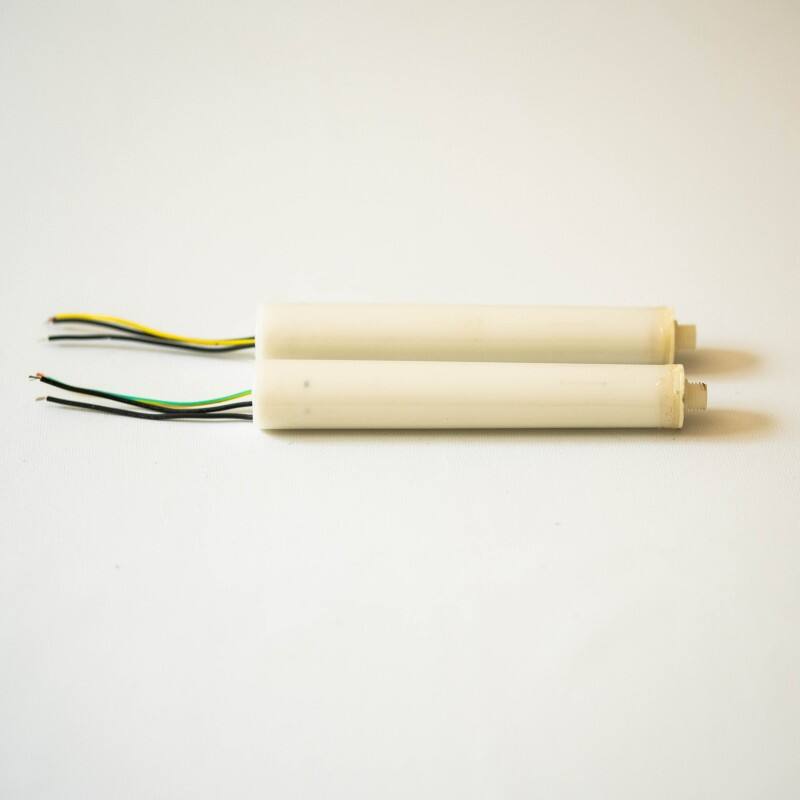
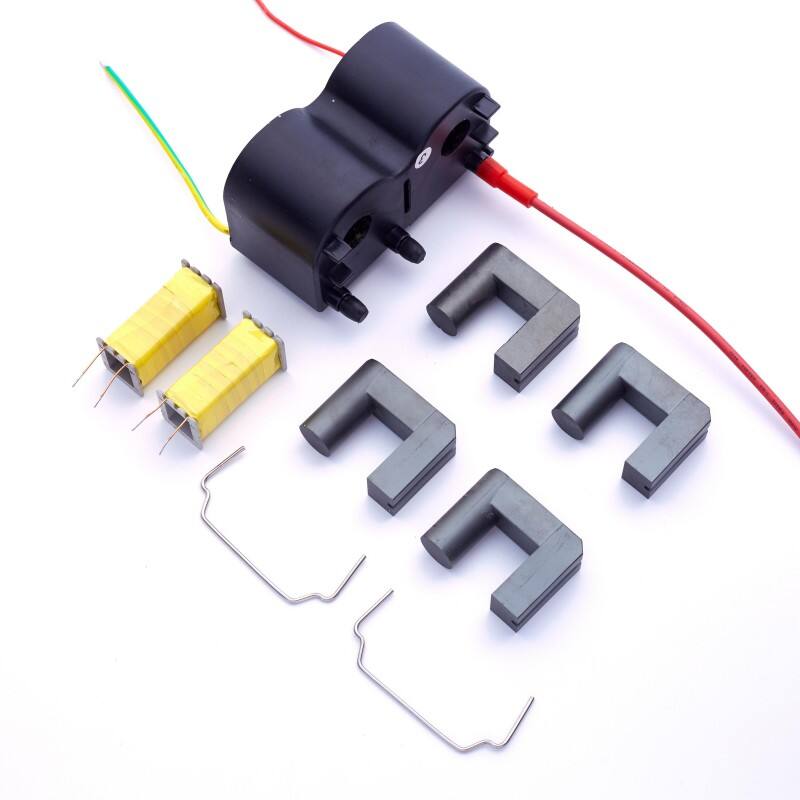
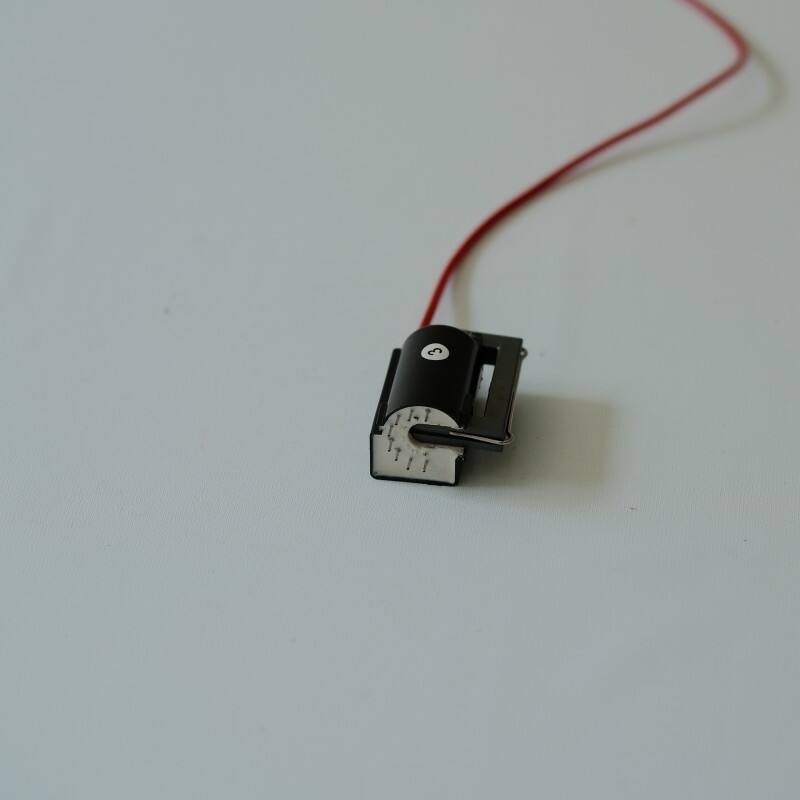
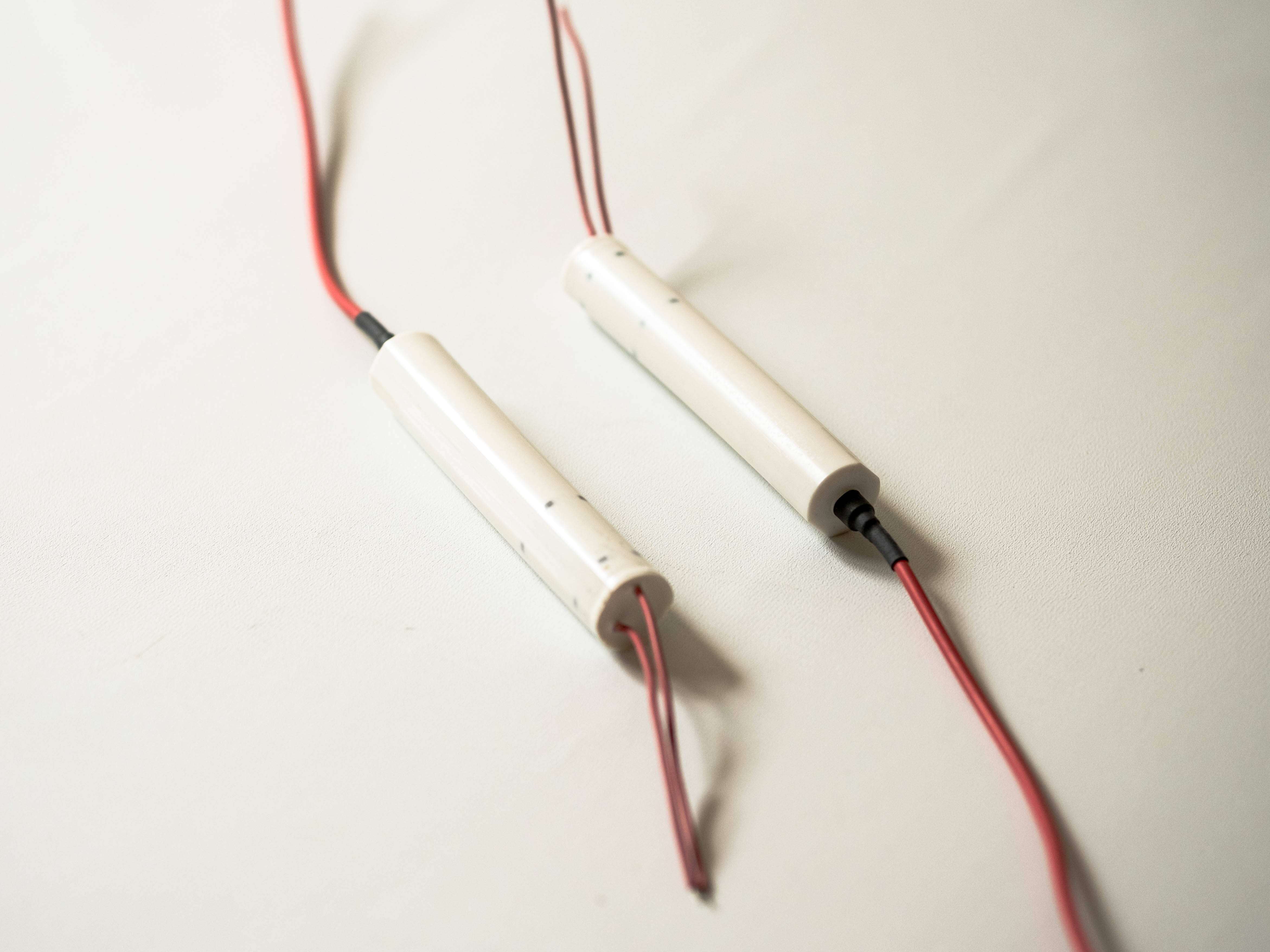
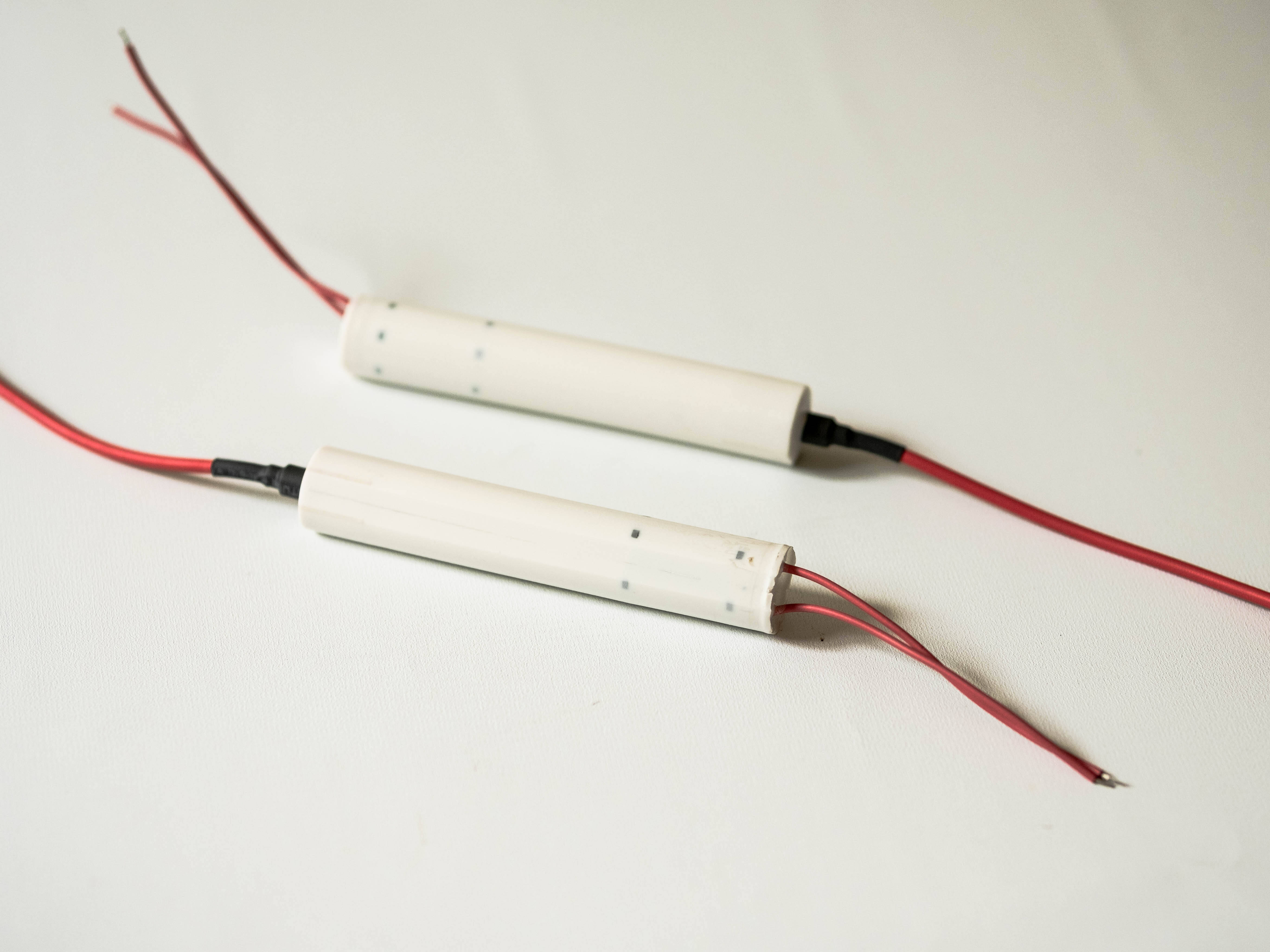
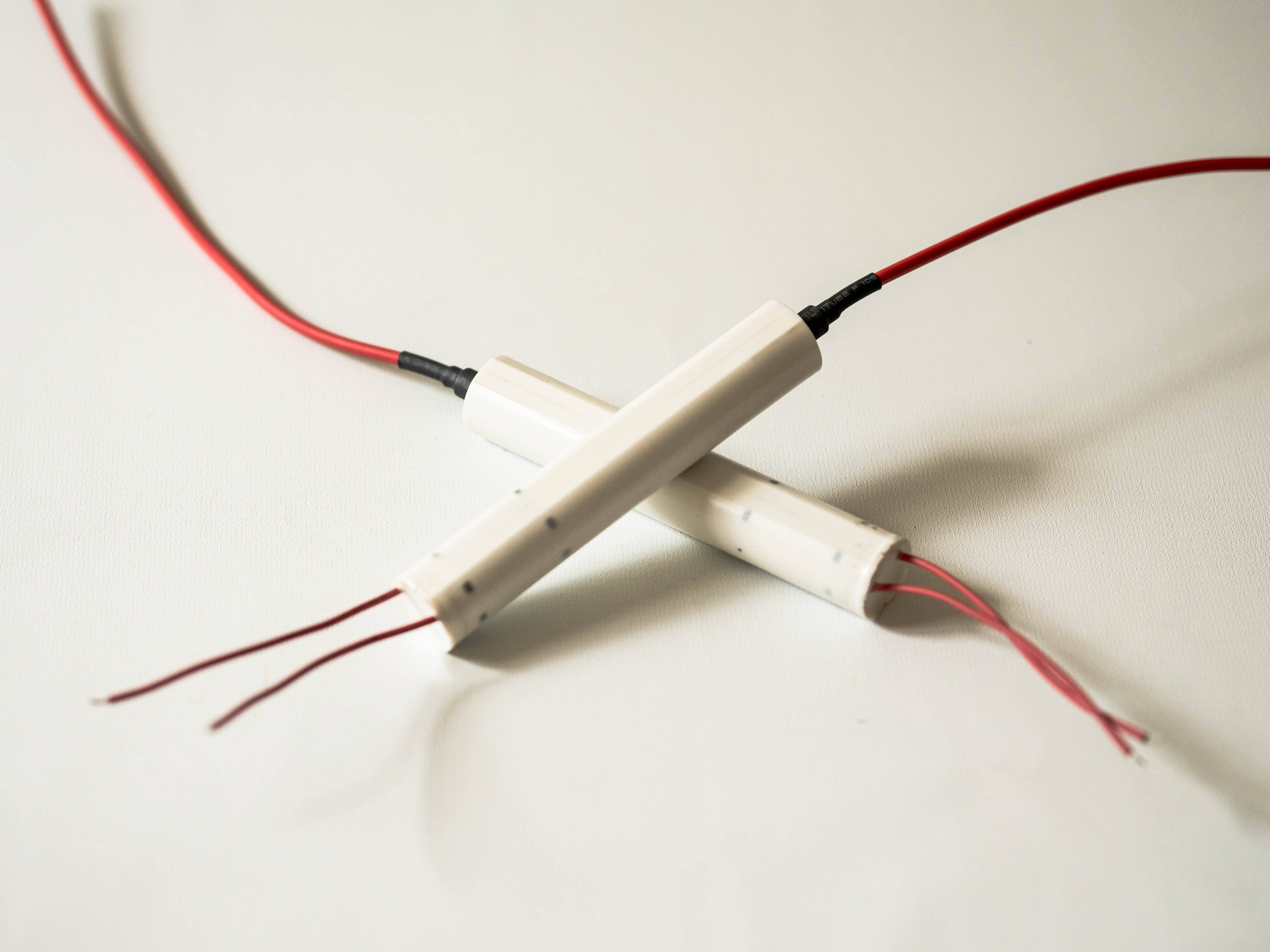
The high voltage module for electrostatic spraying represents a critical component in modern coating and finishing applications, delivering precise electrical charging capabilities that transform liquid coatings into uniformly charged droplets. This sophisticated electronic device generates and maintains high voltage electrical fields, typically ranging from 30kV to 120kV, enabling efficient electrostatic attraction between charged paint particles and grounded workpieces. The primary function of this module centers on creating consistent electrical potential that charges coating materials as they pass through specialized applicators, ensuring superior transfer efficiency and coating quality. Advanced high voltage modules incorporate intelligent control systems that automatically adjust voltage levels based on material conductivity, environmental conditions, and application requirements. These modules feature robust safety mechanisms including arc detection, short circuit protection, and automatic shutdown protocols that protect both equipment and operators during operation. The technological architecture includes precision voltage regulation circuits, high-frequency transformers, and digital feedback systems that maintain stable electrical output even under varying load conditions. Modern high voltage modules for electrostatic spraying utilize microprocessor-based controls that enable real-time monitoring of electrical parameters, providing operators with comprehensive data on voltage stability, current flow, and system performance. The compact design of contemporary modules allows for seamless integration into existing spray systems while minimizing space requirements and installation complexity. These modules support diverse coating materials including water-based paints, solvent-based coatings, powder materials, and specialized industrial finishes. Applications span across automotive manufacturing, aerospace coating operations, furniture finishing, appliance production, and architectural metalwork where consistent, high-quality surface treatments are essential. The module's ability to maintain precise electrical characteristics ensures optimal coating adhesion, reduces overspray waste, and delivers exceptional finish uniformity across complex geometries and challenging surface profiles.

New Product Recommendations

The high voltage module for electrostatic spraying delivers substantial operational benefits that directly impact productivity, cost efficiency, and coating quality in industrial applications. Transfer efficiency represents the most significant advantage, with properly configured modules achieving coating material utilization rates exceeding 85 percent compared to conventional spray methods that typically achieve only 30-50 percent efficiency. This dramatic improvement reduces material consumption, lowers coating costs, and minimizes environmental impact through reduced volatile organic compound emissions. The precise electrical control provided by advanced modules ensures consistent coating thickness across all surfaces, eliminating common defects such as orange peel texture, runs, and uneven coverage that plague traditional application methods. Operators benefit from reduced rework requirements and improved first-pass quality rates, directly translating to increased throughput and lower labor costs. The high voltage module for electrostatic spraying enables superior wrap-around coverage on complex geometries, reaching recessed areas and internal surfaces that conventional spraying struggles to coat effectively. This capability proves particularly valuable in automotive applications where complete coverage of intricate components is essential for corrosion protection and aesthetic appeal. Energy efficiency represents another compelling advantage, as electrostatic systems require significantly less compressed air compared to conventional atomization methods, reducing utility costs and air compressor wear. The module's intelligent control systems automatically optimize electrical parameters for different coating materials and environmental conditions, eliminating guesswork and reducing operator training requirements. Safety enhancements include reduced operator exposure to coating overspray and improved booth air quality due to minimized airborne particles. The consistent electrical field generated by quality modules ensures predictable coating behavior, enabling automated application systems that maintain consistent results without constant manual adjustment. Maintenance requirements decrease significantly due to reduced booth contamination and lower cleaning frequency needs. The high voltage module for electrostatic spraying also supports faster production speeds while maintaining quality standards, as the electrical attraction forces allow effective coating at higher line speeds than conventional methods permit. Return on investment typically occurs within 12-18 months through combined material savings, reduced labor costs, and improved productivity metrics.

Latest News

Thermal Management Strategies for High-Frequency High Voltage Modules

12

May

Thermal Management Strategies for High-Frequency High Voltage Modules

Why Thermal Management Is Critical for High-Voltage Modules Thermal runaway risks and reliability degradation at high voltage and >10 MHz switching High-voltage modules operating above 10 MHz face exponentially greater thermal runaway risks due to ...
View More
Certification Standards: Navigating UL, CE, and ISO Requirements for HV Modules

26

May

Certification Standards: Navigating UL, CE, and ISO Requirements for HV Modules

UL Certification: Safety and EMC Foundations for High Voltage Modules UL certification establishes critical safety benchmarks for high voltage modules in industrial and automotive applications. As a voluntary standard, it validates product reliabil...
View More
Core Material Selection: Ferrite vs. Nanocrystalline in Flyback Transformer Design

02

Jun

Core Material Selection: Ferrite vs. Nanocrystalline in Flyback Transformer Design

Ferrite Cores in Flyback Transformers: Performance and Limitations Permeability, saturation flux density (Bsat), and thermal stability from 100–500 kHz Ferrite cores dominate flyback transformer designs for their high permeability—typic...
View More
Custom vs. Standard Flyback Transformers: When to Invest in Tailored Solutions

09

Jun

Custom vs. Standard Flyback Transformers: When to Invest in Tailored Solutions

Core Design Parameters That Dictate the Need for a Custom Flyback Transformer Turns Ratio, Winding Configuration, and Switching Frequency Alignment Precise turns ratio calibration is essential for optimal voltage conversion and efficiency in flybac...
View More

Get a Free Quote

Our representative will contact you soon.
Email
Mobile/WhatsApp
Name
Company Name
Message
0/1000

high voltage module for electrostatic spraying

Advanced Voltage Regulation Technology

Advanced Voltage Regulation Technology

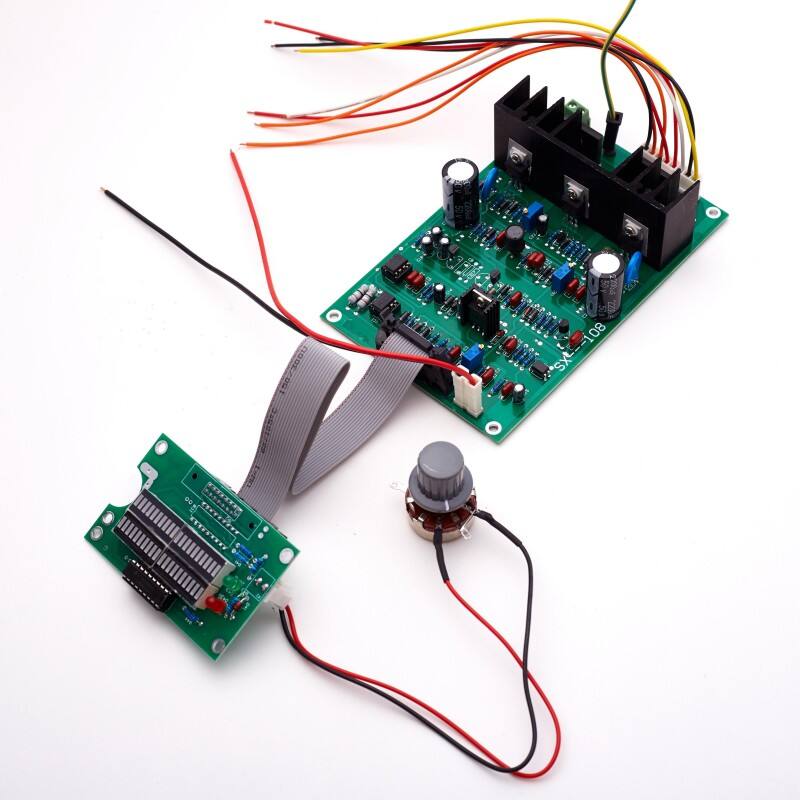
The high voltage module for electrostatic spraying incorporates cutting-edge voltage regulation technology that maintains precise electrical output under all operating conditions, ensuring consistent coating performance and superior finish quality. This sophisticated regulation system utilizes digital feedback loops and microprocessor controls to continuously monitor and adjust electrical parameters in real-time, responding instantly to changes in material conductivity, humidity levels, and grounding conditions that can affect coating performance. The advanced regulation circuitry features multiple protection layers including overvoltage detection, arc suppression, and current limiting functions that safeguard both equipment and operators while maintaining optimal coating conditions. Modern modules employ high-frequency switching technology that delivers exceptionally stable voltage output with minimal ripple, ensuring uniform charge distribution across all coating particles for consistent transfer efficiency. The intelligent control system automatically compensates for variations in coating material properties, adjusting voltage levels to maintain optimal charging characteristics whether working with conductive water-based materials or high-resistance solvent-based coatings. This adaptability eliminates the need for manual voltage adjustments when changing between different coating types, reducing setup time and minimizing operator training requirements. The regulation system includes comprehensive diagnostic capabilities that continuously monitor system performance, providing early warning indicators for potential issues before they impact coating quality or cause equipment damage. Advanced modules feature programmable voltage profiles that can be customized for specific applications, allowing operators to store optimal settings for different products and recall them instantly during production changeovers. The precision voltage control enables consistent coating thickness measurements within ±2 micrometers across large surface areas, meeting stringent quality requirements in aerospace and automotive applications. Temperature compensation algorithms ensure stable performance across wide environmental ranges, maintaining coating quality in facilities without precise climate control. The high voltage module for electrostatic spraying with advanced regulation technology delivers measurable improvements in first-pass quality rates, typically reducing defect rates by 60-80 percent compared to conventional systems while enabling higher production speeds and improved material utilization efficiency.
Comprehensive Safety Integration Systems

Comprehensive Safety Integration Systems

Safety integration represents a paramount feature of modern high voltage modules for electrostatic spraying, incorporating multiple protective mechanisms that ensure operator safety while maintaining optimal coating performance in industrial environments. The comprehensive safety architecture includes redundant arc detection systems that instantly identify electrical discharge events and automatically reduce voltage or shut down the system to prevent equipment damage and ensure personnel protection. Advanced modules feature sophisticated ground fault detection circuits that continuously monitor electrical pathways, immediately alerting operators to potential grounding issues that could compromise safety or coating quality. The safety integration includes explosion-proof housing options designed for hazardous environments where flammable solvents are present, meeting strict regulatory requirements for Class I, Division 1 locations while maintaining full operational capability. Interlock systems provide multiple layers of protection, requiring proper booth ventilation, adequate grounding verification, and operator presence confirmation before enabling high voltage output, ensuring safe operating procedures are followed consistently. The high voltage module for electrostatic spraying incorporates emergency shutdown capabilities accessible from multiple locations throughout the spray area, enabling immediate system deactivation in case of emergencies or unexpected situations. Advanced safety features include automatic voltage ramping that gradually increases electrical output during startup, preventing sudden electrical surges that could cause arcing or equipment damage. The integrated safety systems monitor booth conditions continuously, automatically adjusting or disabling high voltage output when environmental factors such as excessive humidity or inadequate ventilation could create unsafe conditions. Personnel protection features include low-energy charging circuits that limit electrical current to safe levels while maintaining effective coating performance, reducing risks associated with accidental contact with charged surfaces. The safety integration extends to maintenance procedures, with automatic discharge systems that safely dissipate stored electrical energy before service access is permitted, protecting maintenance personnel from electrical hazards. Comprehensive alarm systems provide audible and visual warnings for various safety conditions including high voltage activation, system faults, and maintenance requirements, ensuring operators remain informed of system status at all times. The high voltage module for electrostatic spraying with advanced safety integration meets international safety standards including IEC and NFPA requirements, providing documentation and certification necessary for insurance compliance and regulatory approval in various jurisdictions worldwide.
Intelligent Process Optimization Controls

Intelligent Process Optimization Controls

The intelligent process optimization controls integrated into modern high voltage modules for electrostatic spraying represent a revolutionary advancement that automatically adjusts system parameters to achieve optimal coating results while minimizing material waste and maximizing productivity. These sophisticated control systems utilize artificial intelligence algorithms and machine learning capabilities to analyze coating patterns, material behavior, and environmental conditions in real-time, continuously optimizing electrical parameters for peak performance. The intelligent controls monitor multiple variables simultaneously including voltage output, current flow, material flow rates, atomization pressure, and environmental factors such as temperature and humidity, creating comprehensive process maps that guide automatic adjustments. Advanced pattern recognition software analyzes coating distribution patterns using integrated sensors, identifying areas of insufficient coverage or excessive buildup and automatically adjusting electrical parameters to correct these deficiencies without operator intervention. The system maintains extensive historical databases of coating parameters and results, enabling predictive maintenance scheduling and proactive adjustments based on equipment performance trends and material characteristics. Adaptive control algorithms learn from each coating cycle, building knowledge bases that improve performance over successive operations and reduce setup times for recurring applications. The high voltage module for electrostatic spraying with intelligent controls features remote monitoring capabilities that allow supervisors and maintenance personnel to track system performance from central locations, receiving real-time data on productivity metrics, quality indicators, and maintenance requirements. Integration with enterprise resource planning systems enables automatic reporting of material consumption, production rates, and quality measurements, supporting data-driven decision making and continuous improvement initiatives. The intelligent controls support recipe management functions that store optimal parameter settings for different coating materials, substrate types, and application requirements, enabling consistent results across multiple shifts and operators while reducing training requirements. Predictive analytics capabilities analyze trends in coating performance and equipment behavior, providing advance warning of potential issues and recommending preventive actions to maintain peak performance. Quality assurance features include automatic documentation of all process parameters and results, creating comprehensive records that support quality certifications and regulatory compliance requirements. The optimization controls continuously balance competing factors such as transfer efficiency, coating quality, and production speed, automatically finding optimal operating points that maximize overall equipment effectiveness while meeting quality specifications and production targets established by manufacturing management.

Get a Free Quote

Our representative will contact you soon.
Email
Mobile/WhatsApp
Name
Company Name
Message
0/1000
Newsletter
Please Leave A Message With Us