
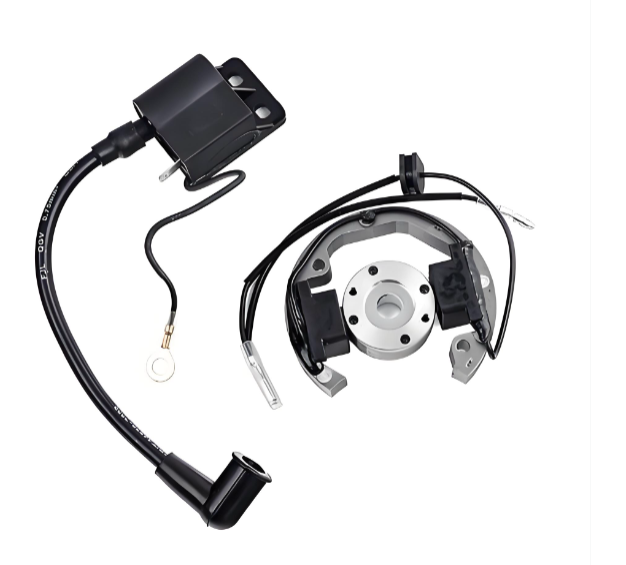
An ignition coil is a critical component in your vehicle's electrical system, responsible for converting low voltage into high voltage to create the spark needed for engine combustion. When an ignition coil begins to fail, it can trigger multiple warning signs that demand immediate attention. Understanding how to identify a failing ignition coil helps you avoid costly repairs and prevents your vehicle from breaking down unexpectedly. In this guide, we'll explore the telltale symptoms that indicate your ignition coil needs replacement and what you should know about maintenance and diagnosis.
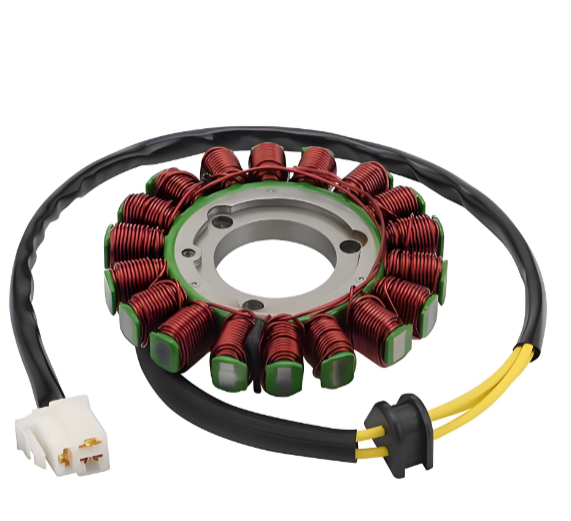
Recognizing when your ignition coil is failing ensures you can address the problem before it escalates. The symptoms of a failing ignition coil often develop gradually, giving you a window to schedule maintenance or replacement. Whether you drive a modern sedan or work with industrial equipment, learning to identify these warning signs protects your investment and keeps your operations running smoothly.
Engine Misfires and Starting Difficulties
Recognizing Ignition Coil Misfires
One of the most common indicators that your ignition coil needs replacement is engine misfiring. A misfire occurs when one or more cylinders fail to ignite the fuel mixture properly, causing rough acceleration and hesitation. When an ignition coil deteriorates, it cannot generate sufficient voltage to create a strong spark, leading to incomplete combustion. You'll typically notice this as a jerky sensation while driving or a loss of power during acceleration. An ignition coil that's failing creates inconsistent firing patterns, making the engine run unevenly and reducing fuel efficiency significantly.
Starting Problems and Cold Weather Impact
A faulty ignition coil often makes starting your vehicle more difficult, especially in cold weather conditions. When temperatures drop, a failing ignition coil struggles even more to generate the voltage needed for ignition. You may experience delayed starts, multiple turning attempts, or a complete failure to start. This difficulty is a strong indicator that your ignition coil needs replacement soon. The stress on a weakened ignition coil intensifies in cold weather, which is why many vehicle owners discover ignition coil failure during winter months.
Check Engine Light and Performance Warning Signs
Understanding Check Engine Light Activation
When your ignition coil deteriorates, your vehicle's onboard diagnostic system typically triggers the check engine light. Modern vehicles monitor ignition coil performance continuously, and any deviation from normal parameters activates this warning. If your check engine light appears alongside rough idling or acceleration problems, a failing ignition coil is a prime suspect. Diagnostic scanning will reveal specific fault codes related to your ignition coil, confirming that it needs replacement. Ignoring this warning allows the problem to worsen, potentially causing damage to your catalytic converter and other engine components.
Performance Degradation and Fuel Economy Impact
A weakening ignition coil reduces engine performance and significantly decreases fuel economy. Your vehicle consumes more fuel when the ignition coil cannot deliver consistent spark energy to all cylinders. You'll notice increased fuel consumption without any improvement in power output. Additionally, your engine may feel sluggish during acceleration, requiring more throttle input to achieve normal speed. These performance issues make it clear that your ignition coil needs replacement to restore optimal engine operation. Replacing a failing ignition coil restores fuel efficiency and engine responsiveness immediately.
Physical and Auditory Symptoms
Visible Damage and Electrical Failure Signs
A detailed visual inspection often reveals signs that your ignition coil needs replacement. Look for cracks in the coil housing, corrosion on electrical connections, or oil leakage around the coil assembly. Physical damage compromises the internal windings and insulation, preventing proper voltage generation. If you notice burnt or blackened areas on the coil surface, heat damage has likely degraded the component beyond repair. Moisture infiltration is another critical sign—water penetration into the ignition coil causes short circuits and electrical failure, confirming that replacement is necessary.
Engine Knocking and Abnormal Sounds
A failing ignition coil often produces characteristic engine sounds that signal trouble ahead. Engine knocking, pinging, or detonation noises indicate incomplete combustion from weak spark generation. These sounds suggest that your ignition coil cannot produce the voltage required for proper fuel ignition timing. Ignoring these auditory warnings allows detonation to damage pistons and cylinder heads, requiring expensive repairs. When you hear unusual engine noises combined with performance problems, your ignition coil needs replacement promptly to prevent cascading mechanical failure.
Diagnostic Testing and Replacement Confirmation
Professional Diagnostic Procedures for Ignition Coil Assessment
Professional mechanics use specialized equipment to confirm whether your ignition coil needs replacement. A multimeter measures the resistance across ignition coil primary and secondary windings, revealing breaks in electrical conductivity. Oscilloscope testing visualizes the voltage output pattern, showing whether the ignition coil generates sufficient peak voltage for spark creation. Some technicians perform fuel pressure and spark plug testing to isolate whether ignition coil failure is the root cause of symptoms. These diagnostic methods provide definitive confirmation that your ignition coil needs replacement rather than assuming based on symptoms alone.
When to Replace Your Ignition Coil
Timing your ignition coil replacement correctly prevents engine damage and extends component lifespan. Replace your ignition coil as soon as diagnostic testing confirms failure, typically indicated by resistance readings outside manufacturer specifications. Many vehicle owners wait until multiple symptoms appear simultaneously, which risks collateral damage to catalytic converters and oxygen sensors. Manufacturers often recommend preventive ignition coil replacement at 80,000 to 100,000 miles, though failure can occur earlier in high-heat environments. Replacing your ignition coil immediately after diagnosis protects your entire fuel system and electrical architecture.
FAQ
How long do ignition coils typically last before needing replacement?
Most ignition coils last between 80,000 and 150,000 miles under normal operating conditions. However, environmental factors like excessive heat, moisture, and electrical stress can shorten this lifespan significantly. High-performance vehicles or those operating in extreme conditions may require ignition coil replacement sooner. Regular maintenance and keeping electrical connections clean help maximize ignition coil durability. If you experience symptoms of failure before reaching these mileage recommendations, your ignition coil needs replacement regardless of age.
Can a bad ignition coil damage other engine components?
Yes, a failing ignition coil can cause serious damage to other engine systems if left unaddressed. Weak spark from a deteriorating ignition coil leads to incomplete combustion, creating unburned fuel that passes into the exhaust system. This unburned fuel damages catalytic converters, oxygen sensors, and exhaust components, resulting in expensive repairs. Additionally, prolonged misfiring from an ignition coil in need of replacement can damage pistons and cylinder heads through detonation. Addressing ignition coil problems promptly prevents cascading failures throughout your vehicle's systems.
Is it better to replace one ignition coil or all of them simultaneously?
Many mechanics recommend replacing all ignition coils simultaneously, even if only one is currently failing. Since ignition coils operate under identical stress conditions, others are likely at similar degradation stages. Replacing all coils at once prevents the frustration of repeated failures and labor costs associated with multiple repair visits. However, if only one coil shows definitive failure and others test normally, replacing just the faulty ignition coil is acceptable. Consult your vehicle manufacturer's recommendations and your mechanic's professional assessment to determine the best replacement strategy.