
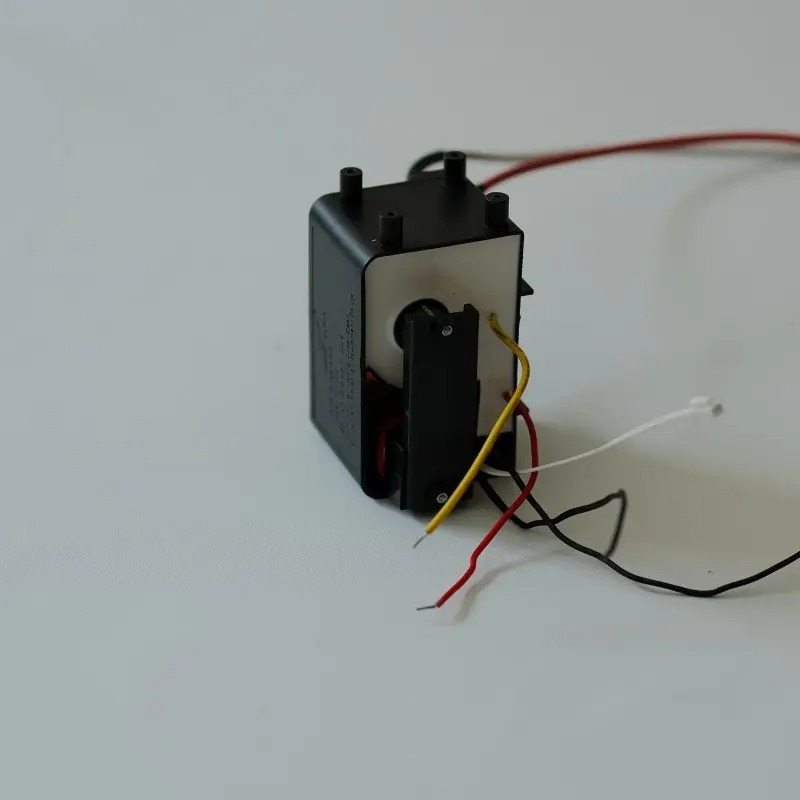
Maintaining transformer equipment is critical to ensuring reliable power distribution and preventing costly operational failures in industrial facilities. A comprehensive maintenance strategy that includes regular inspections, fluid analysis, and preventive measures can significantly extend the lifespan of your transformers while maintaining peak efficiency. Understanding the fundamental maintenance practices that support optimal transformer performance allows facility managers to reduce downtime, minimize safety risks, and protect substantial capital investments in electrical infrastructure.
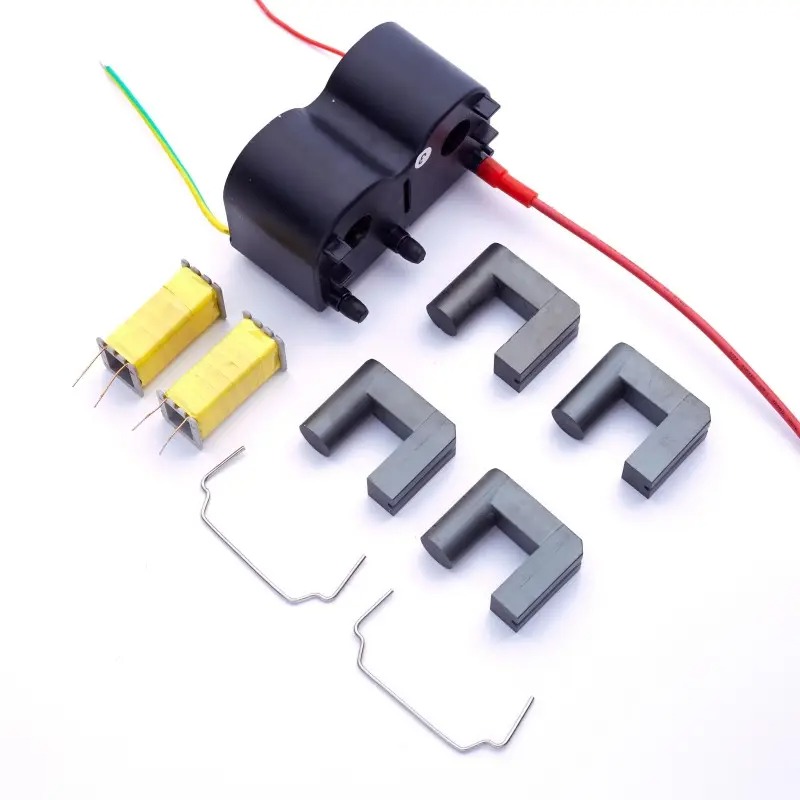
The performance of transformer systems depends heavily on consistent, proactive care and monitoring. Whether managing a single transformer or multiple units across a complex electrical network, implementing structured maintenance practices is essential for maintaining reliability. This guide explores the key maintenance practices that ensure transformers operate at peak efficiency, detailing how regular inspection protocols, fluid management, and condition monitoring contribute to long-term equipment health and operational safety.
Routine Inspection and Visual Assessment
Daily and Weekly Monitoring Protocols
Regular visual inspections form the foundation of effective transformer maintenance. Facility operators should conduct daily walk-throughs to observe external conditions, listen for unusual sounds, and note any visible signs of degradation. Weekly inspections should include checking terminal connections for corrosion, verifying cooling fan operation, and confirming that ventilation pathways remain unobstructed. These routine checks help identify emerging problems before they escalate into major failures that could compromise transformer performance and disrupt power supply.
Visual assessment during routine inspections should focus on several critical areas. Look for oil seepage around gaskets and seals, inspect cable connections for tightness, and verify that transformer housing shows no signs of physical damage or deformation. Temperature monitoring at the transformer surface provides early warning of internal issues that could degrade transformer performance. Establishing a standardized inspection checklist ensures consistency and creates a documented record of equipment condition over time, supporting informed maintenance decisions.
Seasonal and Annual Deep Inspections
Beyond daily observations, transformers benefit significantly from comprehensive seasonal inspections conducted at least twice yearly. These detailed reviews should examine cooling systems, inspect bushing conditions for cracks or carbon tracking, and assess the overall structural integrity of the transformer housing. Annual inspections should include thermographic imaging to detect hot spots that might indicate internal winding degradation or cooling inefficiencies. This deeper level of analysis provides insights into transformer performance trends and helps prioritize maintenance interventions.
During seasonal inspections, facility managers should verify that all safety devices function correctly, including pressure relief valves and temperature sensors. Cleaning transformer surfaces and cooling fins removes dust accumulation that impairs heat dissipation and compromises transformer performance. Recording inspection findings in a maintenance log creates a historical record that helps predict failure risk and optimize the timing of major repairs or replacements.
Oil Quality Management and Fluid Analysis
Regular Oil Testing and Condition Monitoring
Transformer oil serves as both an insulating medium and a cooling fluid, making its condition directly critical to transformer performance and longevity. Implementing a structured oil testing program allows facility managers to monitor oil degradation, identify moisture contamination, and detect incipient faults before they impact equipment operation. Dissolved gas analysis (DGA) testing provides early warning of thermal or electrical stress inside the transformer, enabling proactive intervention to maintain transformer performance at optimal levels.
Oil samples should be collected according to standardized procedures at regular intervals, with more frequent testing for transformers operating under heavy load or in harsh environmental conditions. Acid number testing measures oil oxidation and degradation; moisture analysis reveals insulation weakening; and particle counting identifies contamination that accelerates transformer performance decline. When test results indicate oil degradation, planned maintenance actions such as oil filtration or full oil replacement help restore insulating properties and maintain transformer performance.
Oil Filtration and Regeneration Processes
Preventive maintenance often includes oil filtration and regeneration before oil quality deteriorates to the point of requiring complete replacement. Mobile filtration equipment can remove water, gases, and particulate matter while the transformer remains in service, extending oil life and preserving transformer performance. This cost-effective approach maintains insulation integrity and cooling efficiency without requiring the transformer to be taken offline for extended periods.
When oil testing indicates oxidation products or particle accumulation, vacuum degassing and oil regeneration techniques can restore insulating properties and improve overall transformer performance. Modern regeneration systems remove oxidation byproducts, restore acid neutrality, and improve dielectric strength. Planning oil maintenance intervals based on test data rather than fixed schedules ensures that maintenance resources focus on transformers requiring attention, optimizing the cost-effectiveness of transformer performance preservation strategies.
Cooling System Optimization and Load Management
Cooling Fan and Heat Exchanger Maintenance
The cooling system directly influences transformer performance by managing operating temperatures and preventing thermal stress on windings and insulation materials. Cooling fans should be inspected monthly for proper operation, motor bearings should be checked for excessive noise or vibration, and fan blades should be cleaned to remove dust and debris that reduces cooling efficiency. Heat exchanger tubes require periodic cleaning to prevent sediment buildup that impairs heat transfer and degrades transformer performance under peak load conditions.
Thermostatic controls that modulate fan speed based on transformer temperature help optimize cooling efficiency while minimizing energy consumption. These automated systems prevent unnecessary fan operation during cool weather while ensuring adequate cooling capacity during peak demand periods. Maintaining proper cooling system function is essential for preventing hotspot formation and thermal aging that significantly reduces transformer performance and equipment lifespan.
Load Monitoring and Capacity Planning
Operating transformers within designed load ratings is fundamental to maintaining optimal transformer performance and preventing premature failure. Monitoring actual load profiles helps facility managers understand peak demand patterns and identify opportunities for load balancing across multiple units. Avoiding sustained overload conditions preserves transformer performance by preventing thermal stress, reducing winding fatigue, and extending insulation life. Capacity planning based on historical load data and growth projections ensures transformers operate within safe parameters while providing headroom for operational flexibility.
When facility loads approach transformer capacity, staged upgrades or parallel transformer configurations can distribute electrical demand and maintain transformer performance at sustainable levels. Load shedding protocols during peak periods protect equipment reliability while capacity upgrades are implemented. This proactive approach to load management prevents emergency failures that disrupt operations and cause customer impacts.
Preventive Maintenance Scheduling and Documentation
Developing a Comprehensive Maintenance Calendar
Effective transformer performance management requires a structured maintenance schedule that coordinates inspections, oil testing, component replacement, and major overhauls across the transformer fleet. Creating a preventive maintenance calendar based on manufacturer recommendations, historical performance data, and industry best practices ensures consistent attention to critical maintenance tasks. This scheduling approach prevents gaps in coverage while avoiding redundant efforts that waste resources without measurably improving transformer performance.
Maintenance scheduling should account for seasonal variations, planned outages for facility upgrades, and historical failure patterns specific to your equipment. Coordinating transformer maintenance with scheduled system maintenance windows minimizes operational disruption and allows thorough work without time pressure. Digital maintenance management systems track upcoming tasks, record completion status, and generate alerts for overdue activities, helping facilities maintain discipline in transformer performance management.
Performance Tracking and Data-Driven Decision Making
Documenting maintenance activities, inspection findings, and test results creates a comprehensive equipment history that informs maintenance decisions and supports predictive analysis. Tracking key performance indicators such as operating temperature trends, oil quality metrics, and downtime incidents reveals patterns that guide maintenance prioritization. When maintenance data indicates declining transformer performance, escalated intervention such as major overhaul or replacement can be planned strategically rather than undertaken under emergency pressure.
Analysis of maintenance records across the transformer fleet identifies common failure modes and equipment vulnerabilities, enabling targeted improvements in maintenance practices. Sharing performance data with equipment manufacturers and industry peers provides benchmarking context for evaluating your facility's maintenance effectiveness. This data-driven approach to transformer performance management optimizes maintenance investment, extends equipment life, and improves overall system reliability.
FAQ
How often should transformers undergo oil testing to maintain optimal performance?
Oil testing frequency depends on transformer age, load profile, and operating environment. Most utilities and industrial facilities test transformer oil annually, with more frequent testing for critical equipment or transformers showing declining performance. Oil samples should be collected immediately if dissolved gas analysis indicates abnormal levels, regardless of the scheduled testing interval. This flexible approach ensures that emerging issues affecting transformer performance are detected promptly.
What are the earliest warning signs that a transformer requires increased maintenance attention?
Rising operating temperatures, unusual noises, oil discoloration, or moisture detection during routine testing indicate that a transformer may need increased maintenance focus. Dissolved gas trends showing acceleration in fault gas concentrations suggest internal degradation affecting transformer performance. Changes in electrical characteristics such as increased core loss or reduced efficiency provide additional evidence that maintenance intervention should be scheduled soon. Responding quickly to these warning signs prevents catastrophic failure and preserves transformer performance.
Can planned maintenance activities be coordinated with the big ozone generator systems used for transformer conditioning?
Yes, transformer conditioning and regeneration activities can be integrated into the maintenance schedule to optimize efficiency and minimize downtime. Combining oil analysis, cooling system maintenance, and condition monitoring with specialized treatment approaches creates synergies that enhance overall transformer performance. Coordinating multiple maintenance activities during planned outage windows reduces cumulative downtime while addressing several degradation factors simultaneously. This integrated approach ensures comprehensive attention to transformer performance across all critical systems.
Table of Contents
- Routine Inspection and Visual Assessment
- Oil Quality Management and Fluid Analysis
- Cooling System Optimization and Load Management
- Preventive Maintenance Scheduling and Documentation
-
FAQ
- How often should transformers undergo oil testing to maintain optimal performance?
- What are the earliest warning signs that a transformer requires increased maintenance attention?
- Can planned maintenance activities be coordinated with the big ozone generator systems used for transformer conditioning?