High Voltage Electronic Module - Efficient Power Solutions for Industrial Applications

Get a Free Quote

Our representative will contact you soon.
Email
Mobile/WhatsApp
Name
Company Name
Message
0/1000

high voltage electronic module

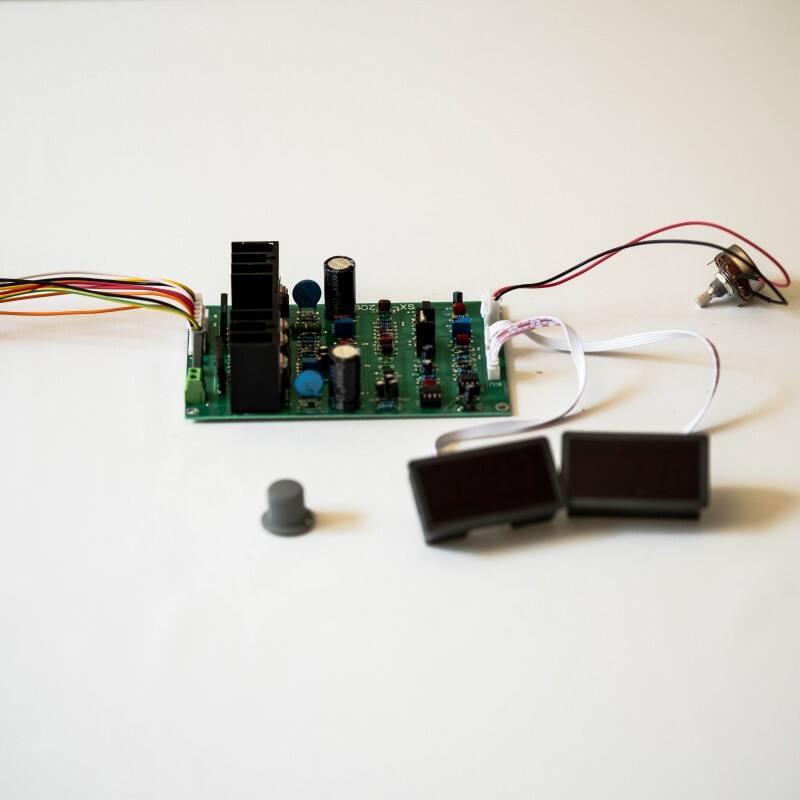
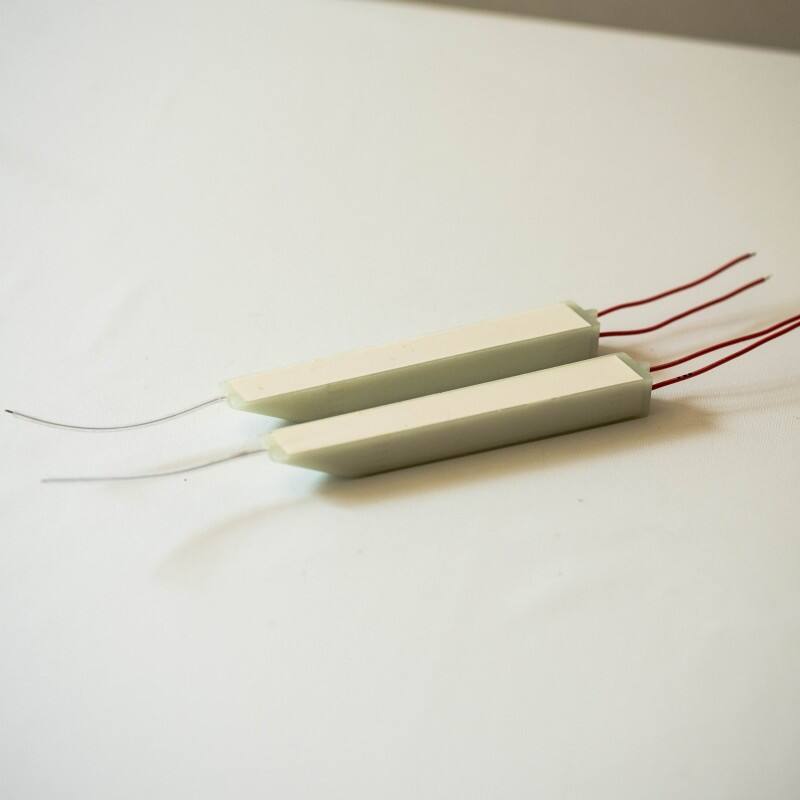
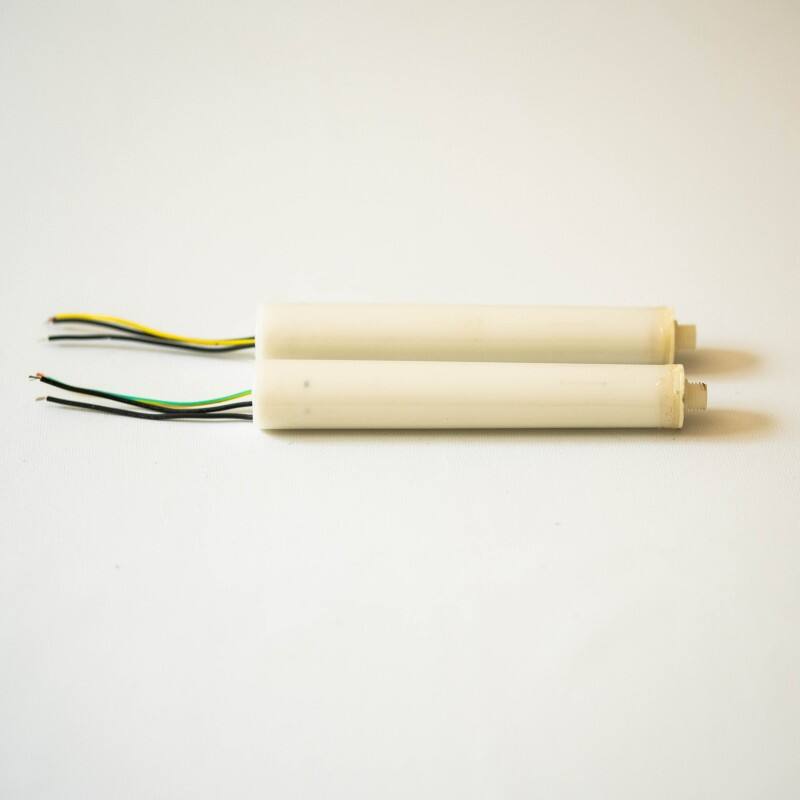
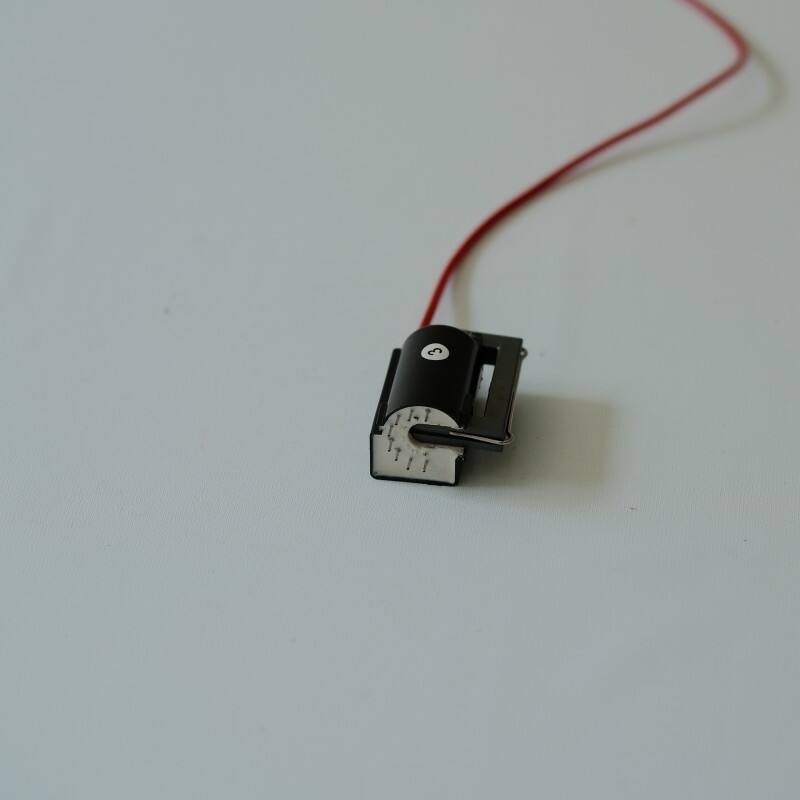
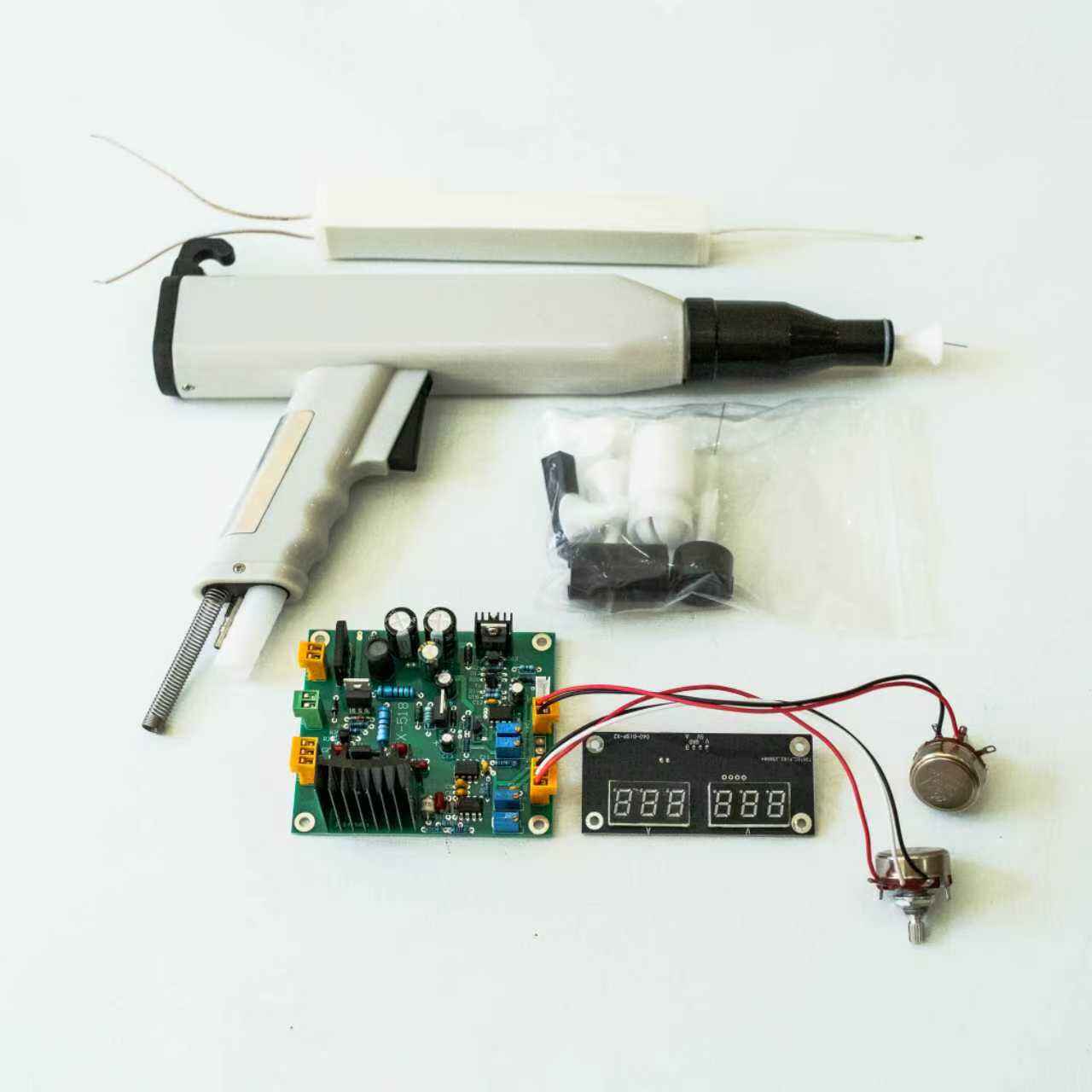
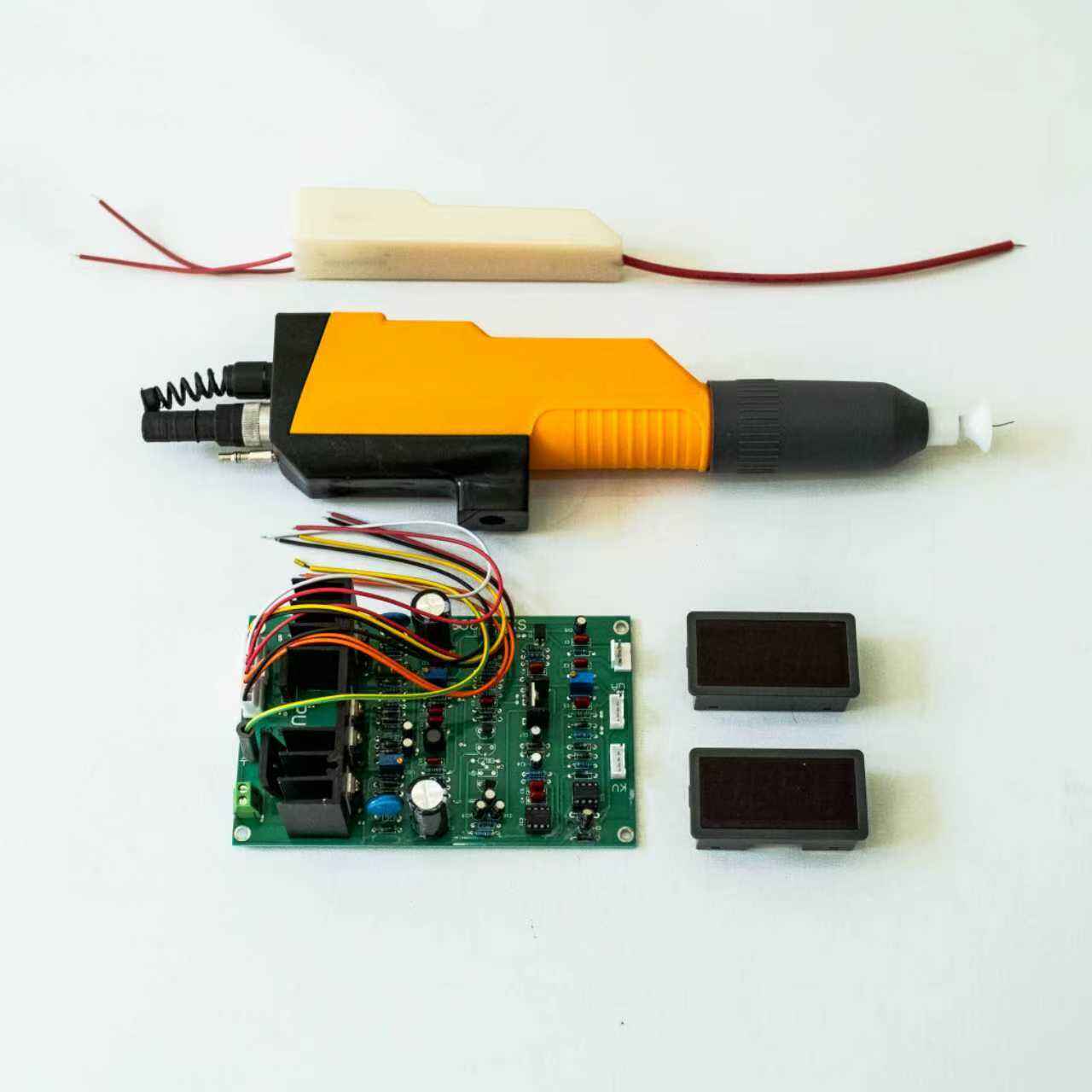
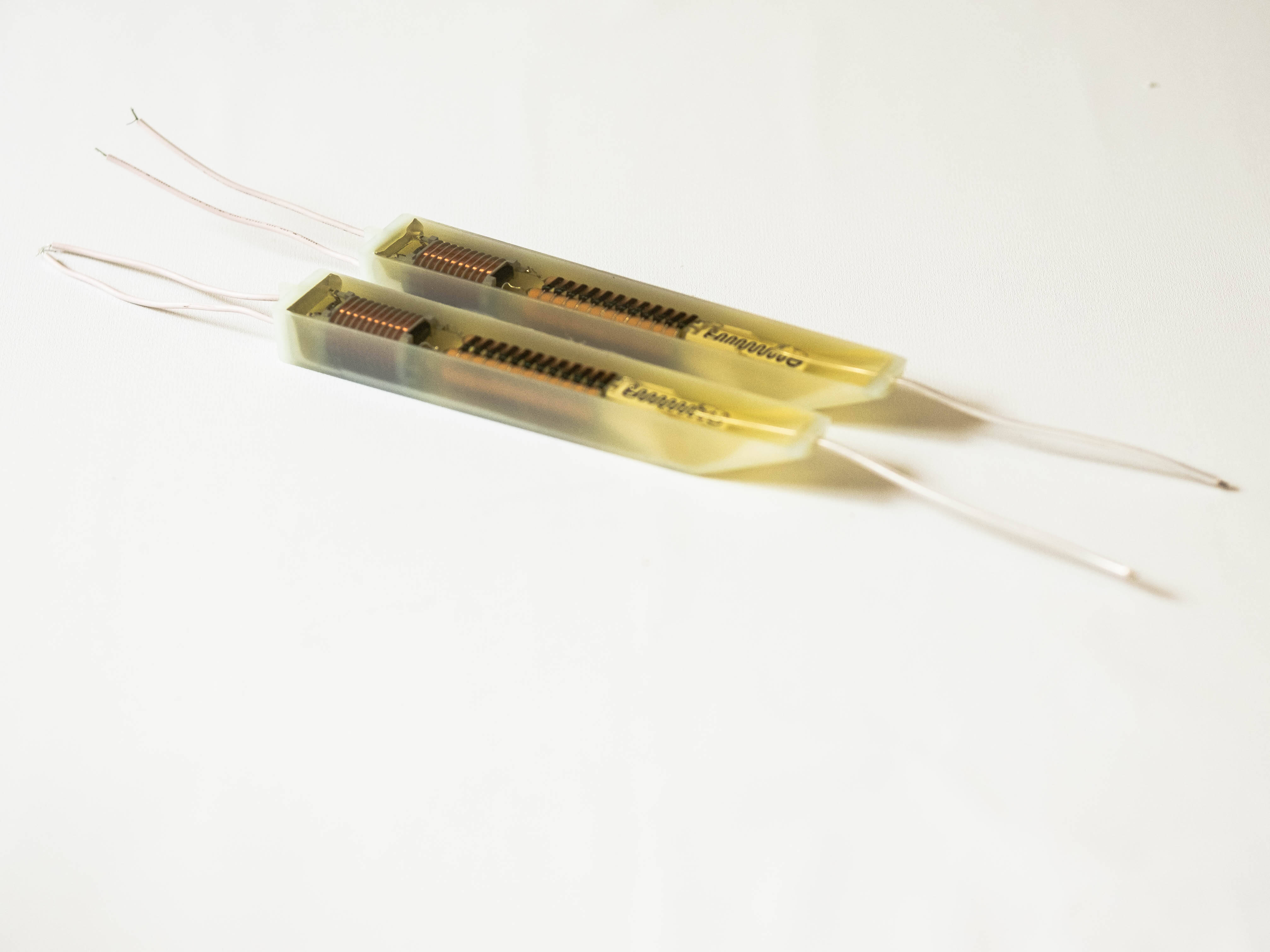
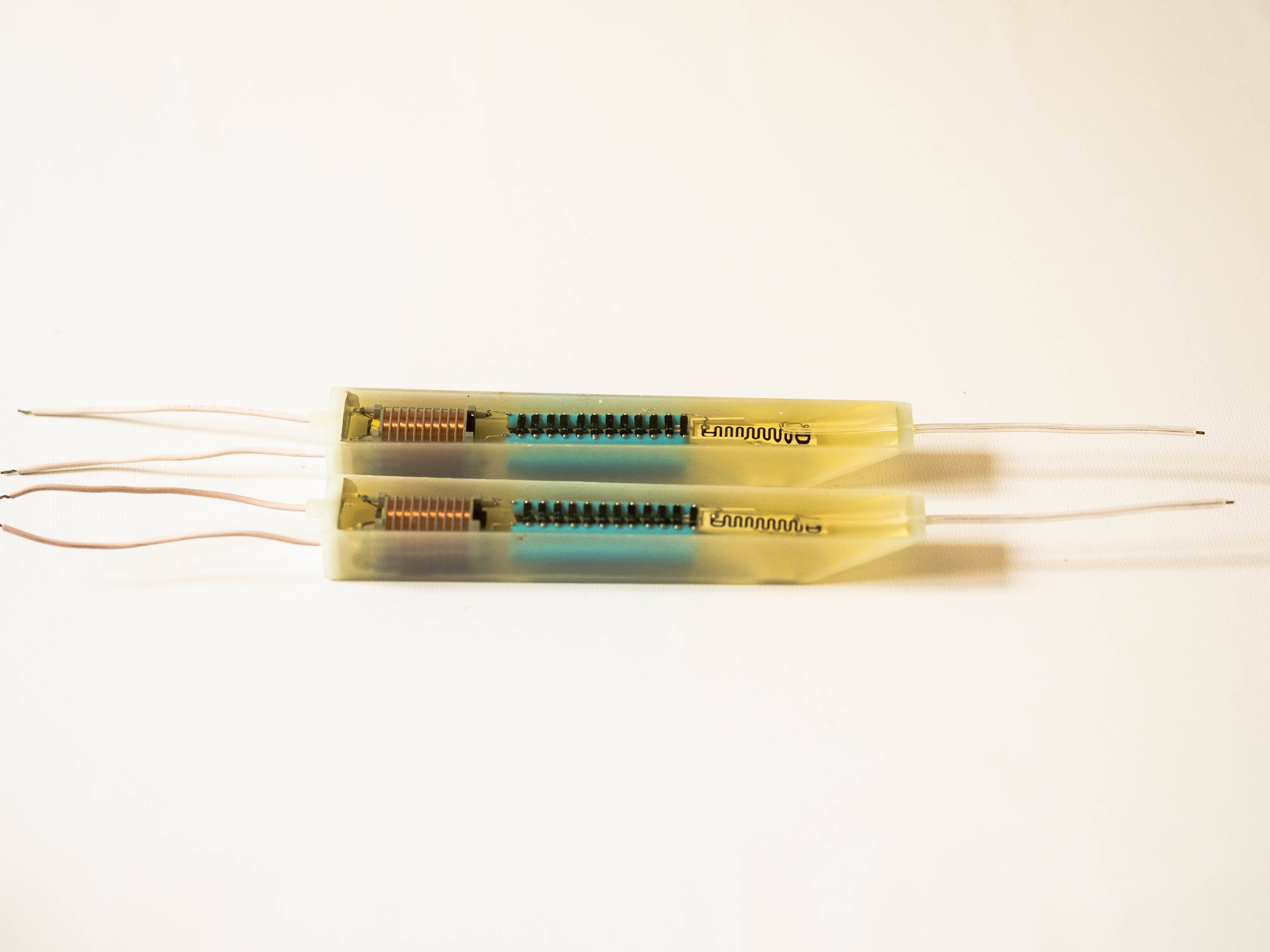
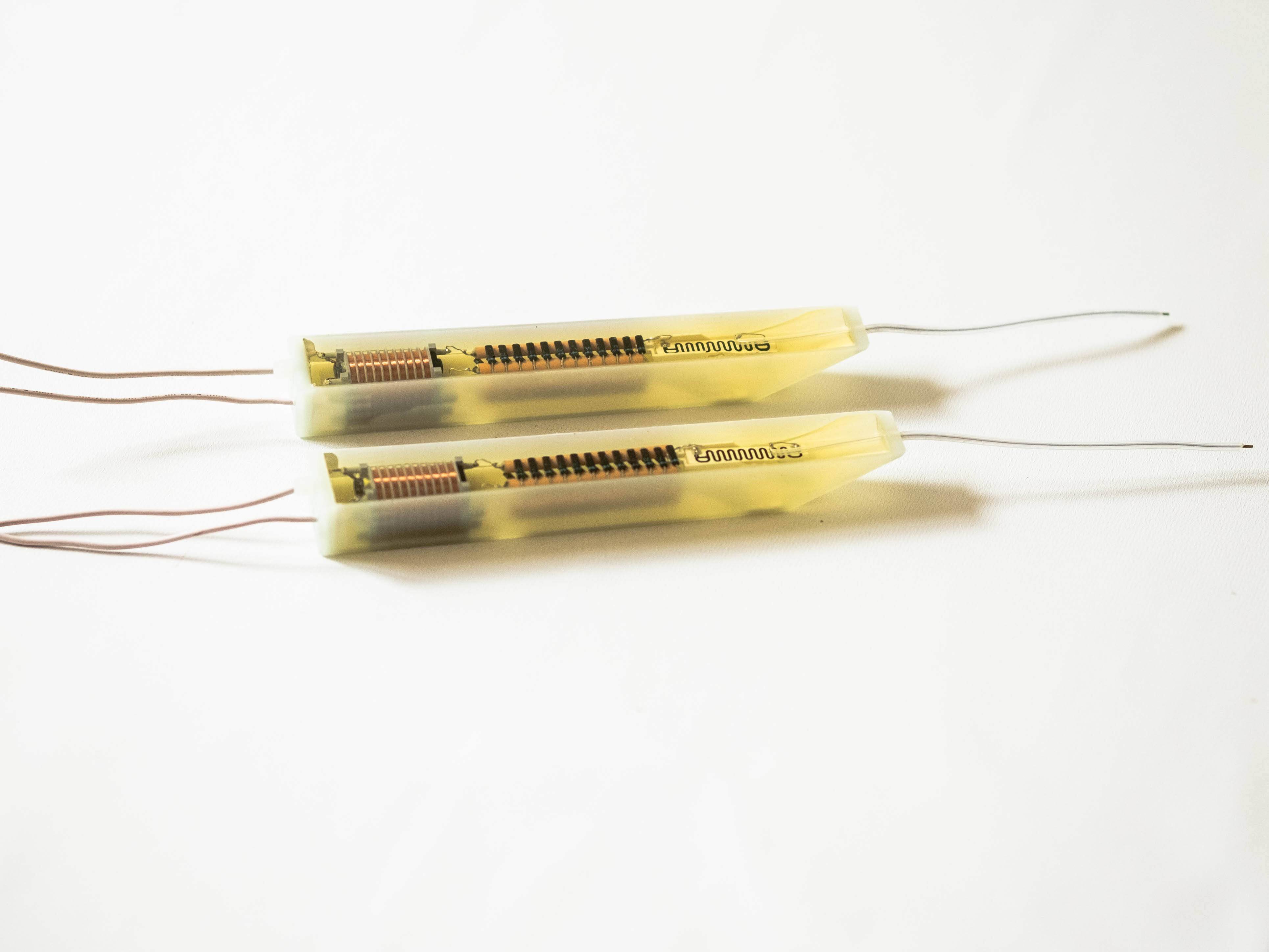
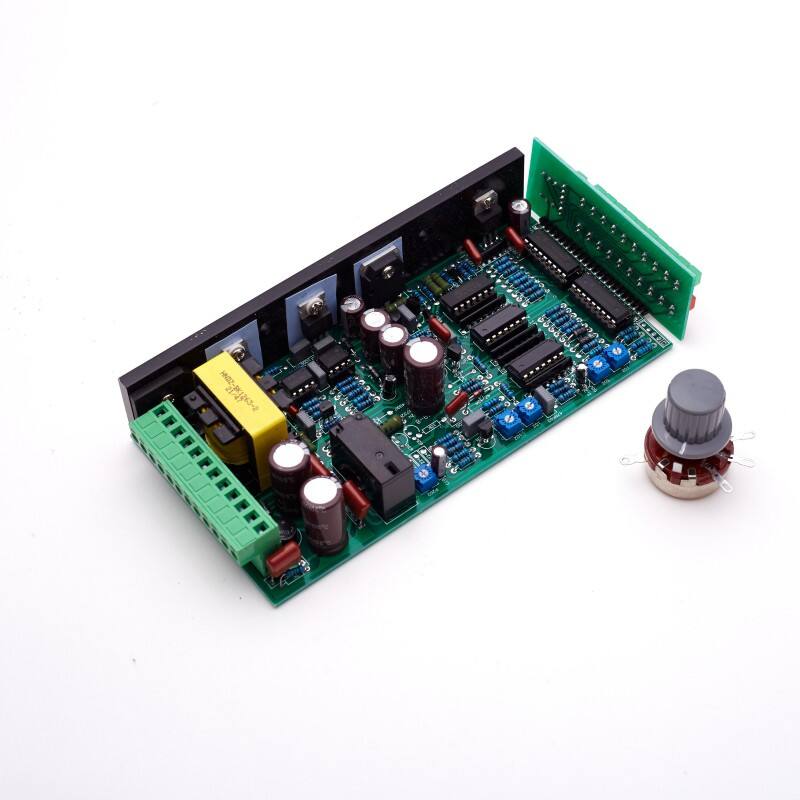
A high voltage electronic module represents a sophisticated power management solution designed to handle electrical operations requiring elevated voltage levels, typically ranging from hundreds to thousands of volts. These specialized modules serve as critical components in modern electrical systems where precise voltage control and reliable power distribution are essential. The primary function of a high voltage electronic module centers on converting, regulating, and distributing electrical power at high voltage levels while maintaining system safety and operational efficiency. These modules incorporate advanced circuitry that manages voltage transformation, current regulation, and protection mechanisms against electrical faults. The technological framework of a high voltage electronic module integrates multiple layers of protection including overvoltage safeguards, thermal management systems, and isolation barriers that prevent electrical hazards. Modern modules utilize cutting-edge semiconductor technology, incorporating components such as insulated gate bipolar transistors, high-voltage capacitors, and specialized transformers that enable efficient power conversion. Applications for high voltage electronic module technology span numerous industries and sectors. In medical equipment, these modules power diagnostic imaging devices, radiation therapy systems, and surgical instruments requiring precise high voltage control. Industrial manufacturing relies on these modules for electrostatic coating processes, laser cutting systems, and automated production machinery. The telecommunications sector employs them in signal amplification and transmission equipment, while automotive industries integrate them into electric vehicle charging infrastructure and hybrid power systems. Research facilities utilize high voltage electronic module solutions for particle accelerators, electron microscopes, and experimental apparatus. The aerospace industry depends on these modules for satellite power systems and avionics equipment. Energy sector applications include renewable power conversion systems, grid stabilization equipment, and power quality management solutions. Each application benefits from the module's ability to deliver stable, controlled high voltage output while maintaining compact form factors and ensuring operator safety through robust insulation and monitoring capabilities.

Popular Products

Investing in a high voltage electronic module delivers substantial practical benefits that directly impact operational efficiency and cost-effectiveness. First and foremost, these modules provide exceptional energy efficiency, converting electrical power with minimal loss, which translates to reduced electricity costs and lower environmental impact for your operations. The precision control capabilities ensure that your equipment receives exactly the voltage it needs, eliminating waste and extending the lifespan of connected devices. Safety represents another crucial advantage, as modern modules incorporate multiple protective features that automatically detect and respond to potential hazards. These built-in safeguards protect both your equipment and personnel, reducing the risk of costly accidents and downtime. The compact design of contemporary modules allows for flexible installation in space-constrained environments, making them ideal for facilities where every square foot matters. Reliability stands as a cornerstone benefit, with robust construction ensuring consistent performance even in demanding conditions. This dependability means fewer unexpected breakdowns, reduced maintenance requirements, and uninterrupted operations that keep your business running smoothly. The modules adapt easily to various power requirements, providing versatility across different applications without necessitating multiple specialized systems. This flexibility reduces inventory complexity and simplifies equipment management. Cost savings extend beyond initial efficiency gains, as the durability of quality modules minimizes replacement frequency and associated expenses. The straightforward integration process allows for quick deployment, reducing installation time and labor costs while accelerating return on investment. Advanced monitoring capabilities provide real-time performance data, enabling proactive maintenance scheduling that prevents small issues from becoming major problems. This predictive approach optimizes maintenance budgets and maximizes equipment availability. The standardized design of modern modules ensures compatibility with existing systems, eliminating the need for extensive modifications during upgrades or expansions. Temperature management features maintain optimal operating conditions automatically, preventing heat-related failures that plague inferior alternatives. The scalability of these solutions means they grow with your needs, protecting your initial investment as requirements evolve. Enhanced power quality delivered by these modules reduces electromagnetic interference, ensuring sensitive electronic equipment operates without disruption. The improved power factor contributes to lower demand charges on utility bills, providing ongoing financial benefits. Remote monitoring and control capabilities available in advanced modules enable centralized management, reducing the need for on-site personnel and enabling faster response to issues. The proven technology behind these modules offers peace of mind, backed by extensive testing and real-world performance validation across diverse industries and applications.

Latest News

Custom vs. Standard Flyback Transformers: When to Invest in Tailored Solutions

09

Jun

Custom vs. Standard Flyback Transformers: When to Invest in Tailored Solutions

Core Design Parameters That Dictate the Need for a Custom Flyback Transformer Turns Ratio, Winding Configuration, and Switching Frequency Alignment Precise turns ratio calibration is essential for optimal voltage conversion and efficiency in flybac...
View More
What are the key steps for flyback transformer maintenance

15

Apr

What are the key steps for flyback transformer maintenance

Proper maintenance of a flyback transformer is essential to ensure the longevity, reliability, and optimal performance of power supply systems across various industrial and commercial applications. Understanding the key steps for flyback transformer ...
View More
What are the performance differences between various powder coating spray guns

27

Apr

What are the performance differences between various powder coating spray guns

Understanding the performance differences between various powder coating spray gun models is critical for achieving optimal finishing results in industrial coating operations. Different spray gun designs, delivery mechanisms, voltage outputs, and con...
View More
How Does a Powder Coating Spray Gun Improve Coating Quality

01

Apr

How Does a Powder Coating Spray Gun Improve Coating Quality

Achieving superior coating quality in industrial finishing operations depends heavily on the equipment used to apply the coating material. The powder coating spray gun has emerged as a critical tool in modern manufacturing environments where uniformi...
View More

Get a Free Quote

Our representative will contact you soon.
Email
Mobile/WhatsApp
Name
Company Name
Message
0/1000

high voltage electronic module

Superior Power Conversion Efficiency Reduces Operating Costs

Superior Power Conversion Efficiency Reduces Operating Costs

The high voltage electronic module excels in converting electrical power with remarkable efficiency, a characteristic that delivers tangible financial benefits to organizations across all sectors. This exceptional conversion efficiency stems from advanced semiconductor technology and optimized circuit design that minimizes energy loss during voltage transformation processes. Traditional power conversion methods often waste significant energy as heat, driving up electricity bills and requiring additional cooling systems. In contrast, modern high voltage electronic module designs achieve conversion efficiencies exceeding ninety percent, meaning nearly all input power becomes usable output rather than dissipating as waste. This efficiency advantage compounds over time, generating substantial savings on utility costs, particularly for operations running continuously or at high power levels. The reduced heat generation also decreases cooling requirements, further lowering energy consumption and associated expenses. Beyond direct cost savings, improved efficiency supports environmental sustainability initiatives by reducing overall power demand and carbon footprint. Organizations pursuing green certifications or emissions reduction targets find that implementing efficient modules contributes measurably toward these objectives. The technology achieves this performance through careful component selection, including low-resistance conductors, high-quality magnetic cores, and optimized switching frequencies that balance conversion speed with loss minimization. Thermal management systems integrated within the high voltage electronic module maintain components at ideal operating temperatures, preserving efficiency across varying load conditions. Advanced control algorithms continuously adjust operating parameters to maintain peak efficiency regardless of input voltage fluctuations or output demand changes. This adaptive capability ensures consistent performance even as electrical conditions vary throughout the day or across seasons. The reliability of efficient operation extends component lifespan by reducing thermal stress, further enhancing long-term value. Facility managers appreciate how these modules simplify power budgeting and capacity planning, as predictable efficiency characteristics enable accurate energy consumption forecasting. The compact design resulting from reduced heat dissipation requirements allows installation in smaller enclosures, saving valuable floor space and simplifying system layouts. For businesses operating in regions with high electricity costs or time-of-use pricing, the efficiency of a high voltage electronic module becomes even more valuable, maximizing operation during lower-rate periods while minimizing consumption during peak pricing windows.
Comprehensive Safety Features Protect Equipment and Personnel

Comprehensive Safety Features Protect Equipment and Personnel

Safety considerations represent paramount concerns when working with high voltage systems, and the high voltage electronic module addresses these challenges through multiple integrated protection mechanisms that safeguard both equipment and people. These sophisticated safety features operate continuously and autonomously, monitoring electrical parameters and responding instantly to anomalous conditions before they escalate into dangerous situations. Overvoltage protection stands as a critical safety element, detecting voltage spikes that could damage sensitive components or create hazardous conditions. When the module identifies voltage exceeding safe thresholds, protective circuits activate immediately, either clamping the voltage to acceptable levels or shutting down output entirely to prevent damage. Overcurrent protection similarly monitors load conditions, disconnecting power if current draw exceeds safe limits, which prevents overheating, component failure, and potential fire hazards. Short circuit protection provides instantaneous response to fault conditions, isolating problematic circuits before excessive current can cause catastrophic failure or injury. Ground fault detection identifies unintended current paths that could energize equipment enclosures or create shock hazards, triggering protective shutdown sequences. Thermal monitoring throughout the high voltage electronic module tracks component temperatures, activating cooling systems or reducing power throughput if temperatures approach critical levels. This thermal management prevents heat-related failures while extending component lifespan through temperature-controlled operation. Electrical isolation features create physical and electrical barriers between input and output circuits, preventing voltage transients from propagating through systems and ensuring that faults in one section cannot affect others. Arc detection capabilities identify the characteristic signatures of electrical arcing, a particularly dangerous phenomenon in high voltage systems, enabling rapid intervention before arcs cause equipment damage or ignite flammable materials. The high voltage electronic module incorporates fail-safe design principles, ensuring that system failures default to safe states rather than creating hazardous conditions. Redundant protection circuits provide backup safety mechanisms, so even if one protective system fails, others remain operational. Status indication systems provide clear visual and electronic feedback about module operation and safety status, enabling operators to quickly assess system health and identify potential issues. Interlock systems prevent access to high voltage areas during operation, physically blocking contact with energized components until power is safely disconnected. These comprehensive safety features reduce liability exposure for organizations while creating safer working environments. The automated nature of these protections eliminates reliance on human vigilance, which can falter during routine operations. Maintenance personnel benefit from built-in safety mechanisms that facilitate safer servicing procedures, with clear lockout-tagout integration points and residual charge discharge systems that ensure circuits are safe before maintenance begins.
Flexible Integration Capabilities Simplify System Design and Deployment

Flexible Integration Capabilities Simplify System Design and Deployment

The high voltage electronic module offers exceptional integration flexibility that streamlines system design, accelerates deployment timelines, and reduces implementation complexity across diverse applications. This adaptability stems from standardized interfaces, modular architecture, and comprehensive compatibility with existing infrastructure, eliminating many obstacles that traditionally complicate high voltage system installations. Standardized mounting dimensions and connection points enable the high voltage electronic module to fit seamlessly into equipment racks, control panels, and machinery enclosures without requiring custom fabrication or extensive modifications. This mechanical compatibility reduces installation time and associated labor costs while simplifying replacement procedures for maintenance and upgrades. Electrical interface standardization ensures that modules connect easily to power sources and loads using common connector types and voltage levels, avoiding specialized wiring requirements that increase costs and limit technician availability. Communication protocol support enables the high voltage electronic module to integrate with building automation systems, industrial control networks, and remote monitoring platforms through industry-standard interfaces including Modbus, CANbus, Ethernet, and analog signaling. This connectivity facilitates centralized control and monitoring, enabling operators to oversee multiple modules from single workstations and integrate high voltage systems into broader facility management frameworks. The modular design philosophy allows engineers to combine multiple modules to achieve higher power outputs or redundant configurations without complex custom engineering. Parallel operation capabilities enable load sharing across modules, improving reliability through redundancy while allowing incremental capacity expansion as needs grow. Configuration flexibility accommodates varying input voltage ranges and output requirements through programmable parameters or selectable jumper settings, allowing single module designs to serve multiple applications and reducing inventory complexity. Mounting orientation flexibility permits horizontal, vertical, or inverted installation depending on space constraints and cooling airflow optimization. The high voltage electronic module adapts to both new construction projects and retrofit applications, with form factors and performance characteristics that complement legacy equipment while offering pathways for gradual system modernization. Pre-configured options address common application requirements out of the box, while customizable variants accommodate specialized needs without full custom engineering. Comprehensive documentation including electrical schematics, mechanical drawings, and integration guides accelerates design work and reduces errors during implementation. Technical support resources help engineers optimize integration approaches and troubleshoot challenges that arise during deployment. The backwards compatibility of newer module generations protects existing investments, allowing organizations to upgrade incrementally without wholesale system replacement. Testing and validation procedures simplified by standardized interfaces reduce commissioning time and help identify issues quickly. Environmental adaptability ensures modules function reliably across temperature ranges, humidity levels, and altitude variations encountered in real-world installations. The high voltage electronic module successfully balances standardization with flexibility, offering ready-to-deploy solutions while maintaining the adaptability necessary for unique applications and special requirements.

Get a Free Quote

Our representative will contact you soon.
Email
Mobile/WhatsApp
Name
Company Name
Message
0/1000
Newsletter
Please Leave A Message With Us