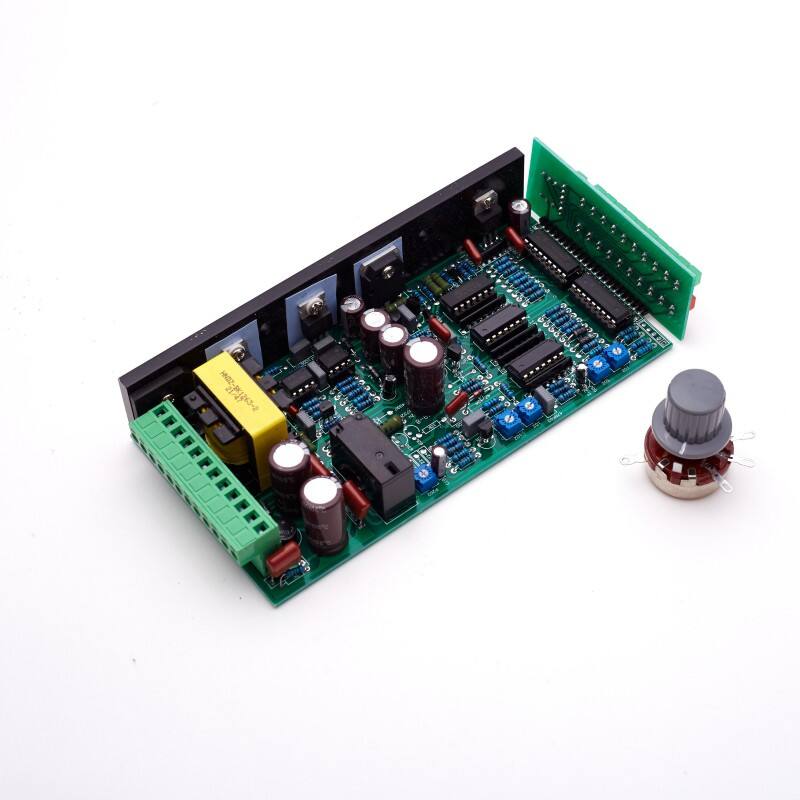
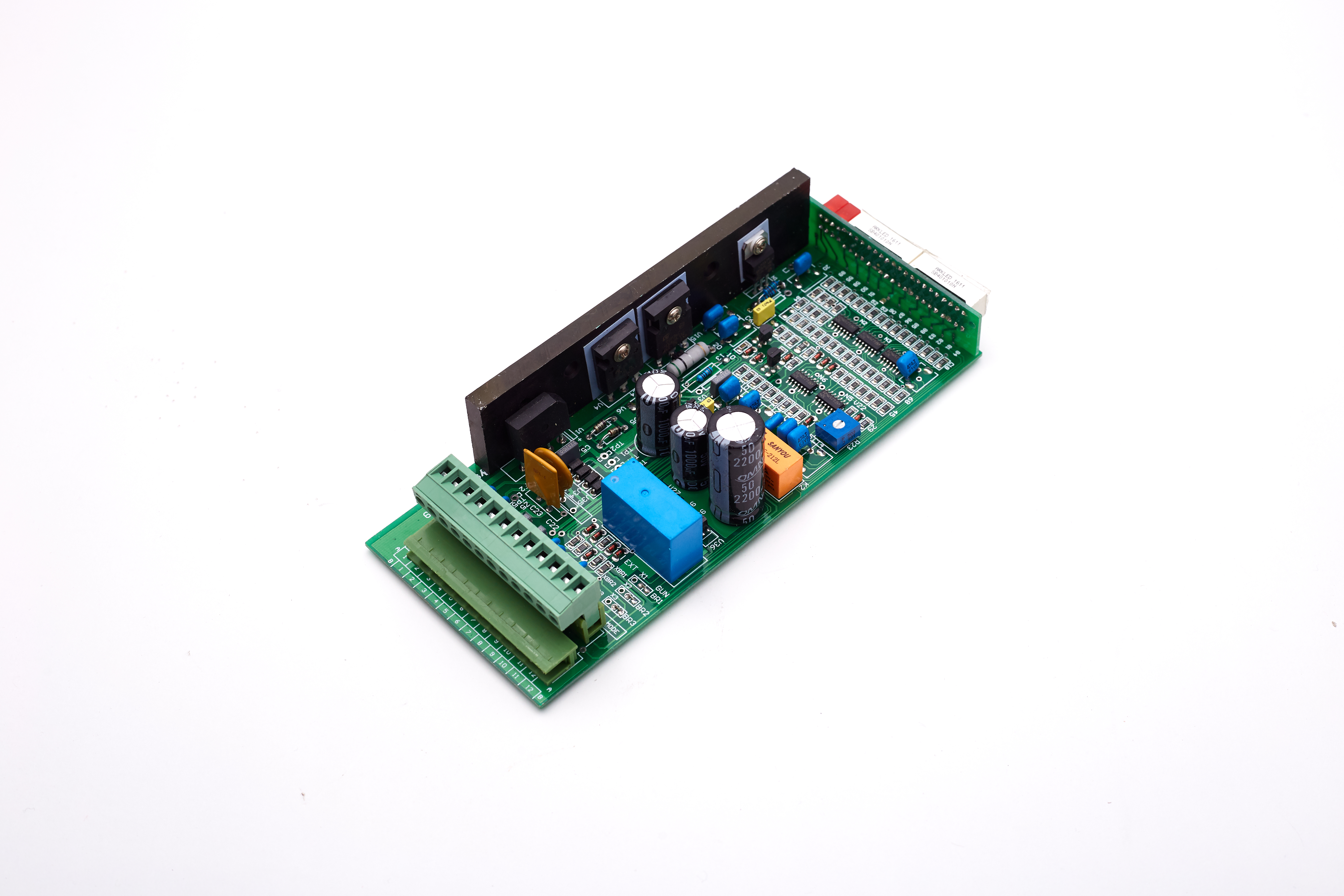
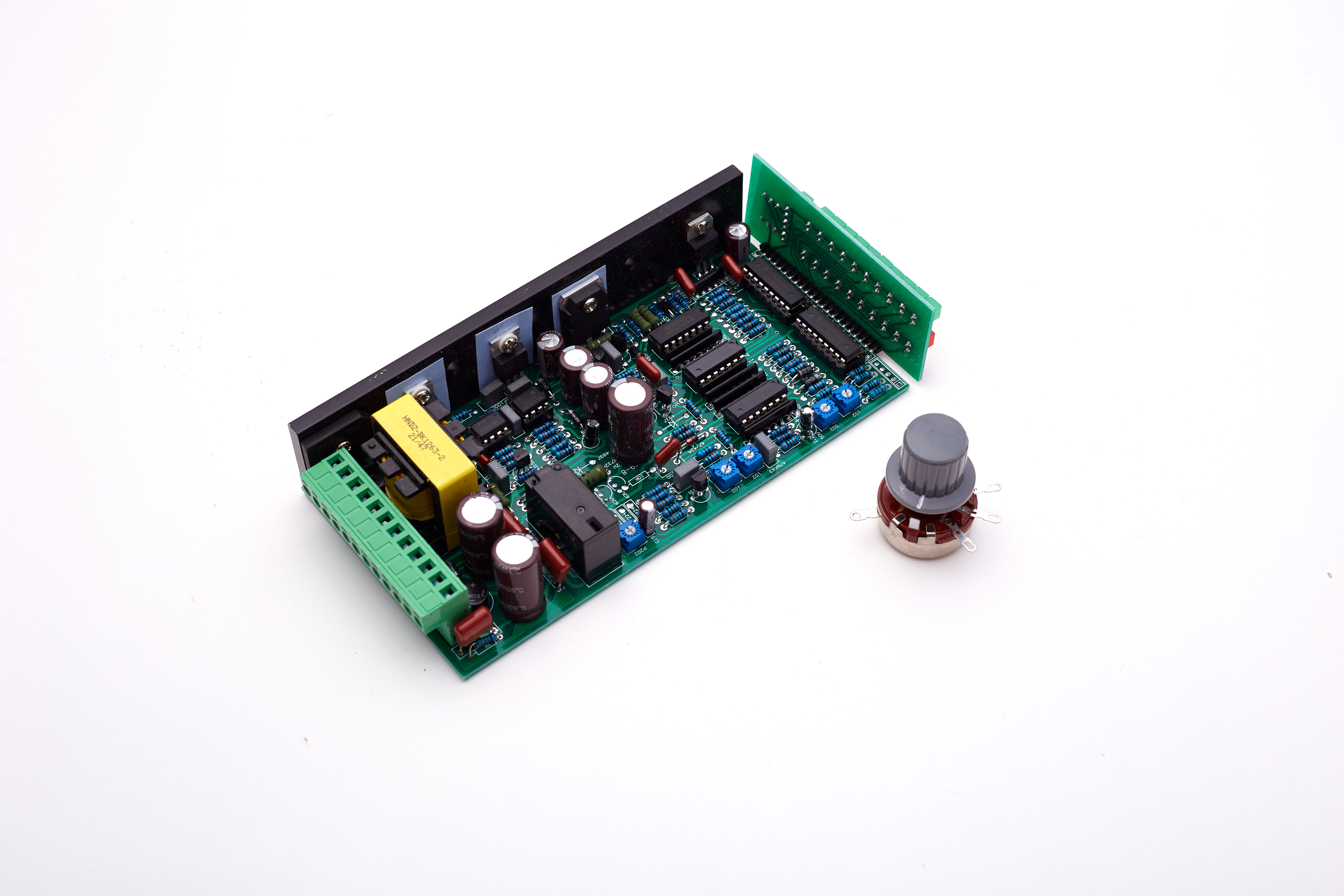
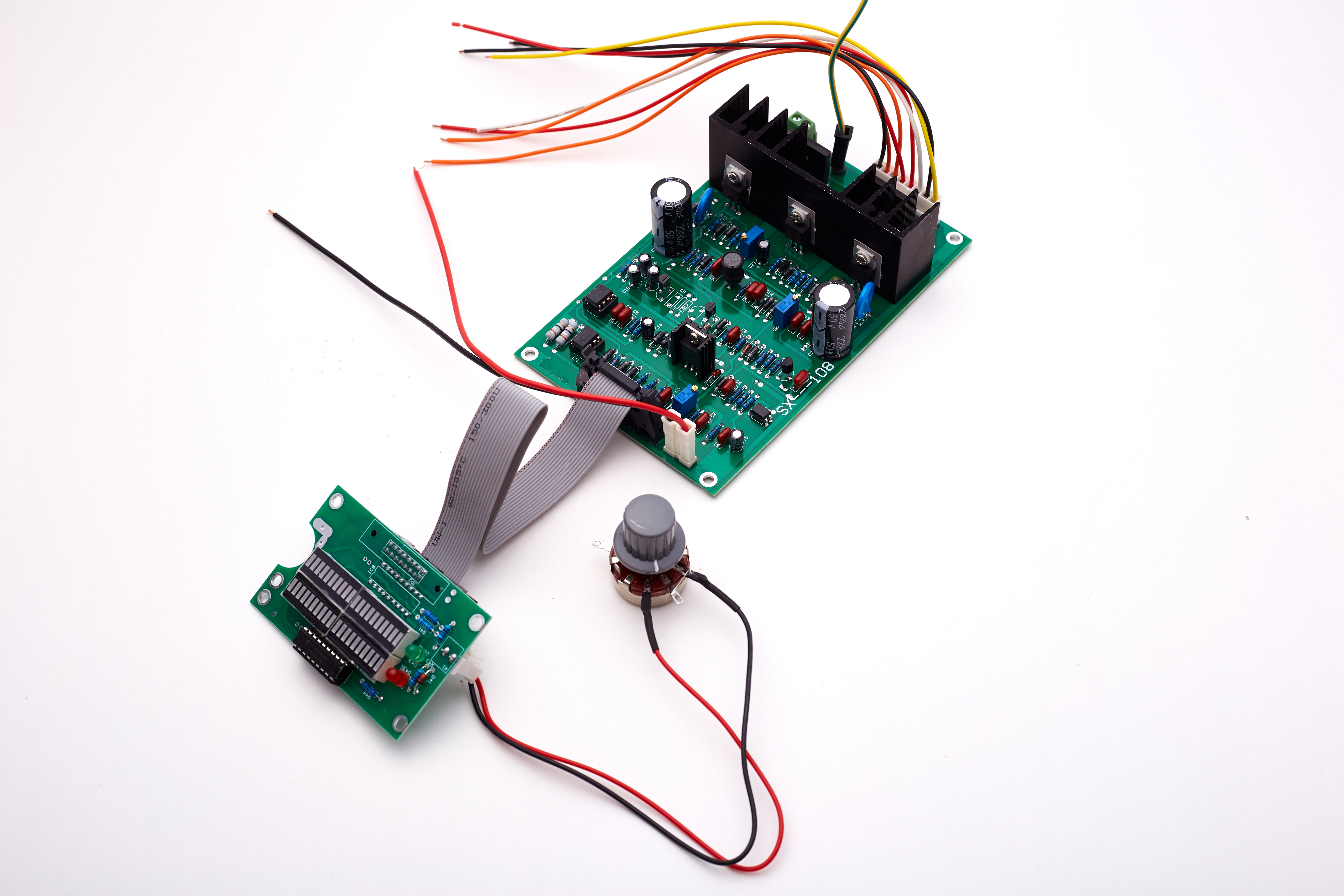
high voltage module circuit
A high voltage module circuit represents an essential electronic component designed to convert, regulate, and manage electrical power at elevated voltage levels, typically ranging from hundreds to thousands of volts. These sophisticated circuits serve as the backbone for numerous applications requiring precise voltage transformation and control. The high voltage module circuit integrates advanced semiconductor technology, specialized transformers, capacitors, and control electronics to deliver stable, reliable high voltage output from lower voltage inputs. The primary functions of a high voltage module circuit include voltage step-up conversion, output regulation, current limiting, and protection mechanisms against overcurrent, overvoltage, and short-circuit conditions. Modern high voltage module circuits employ pulse-width modulation, resonant conversion techniques, and intelligent feedback control systems to achieve exceptional efficiency and performance. Technological features distinguishing these circuits include compact form factors achieved through advanced circuit topology, low electromagnetic interference through careful shielding and filtering, thermal management systems ensuring reliable operation under demanding conditions, and programmable control interfaces allowing customization for specific applications. The high voltage module circuit finds extensive applications across diverse industries including medical equipment such as X-ray machines and electrophoresis systems, industrial automation for electrostatic precipitation and coating processes, scientific instrumentation including mass spectrometers and electron microscopes, telecommunications infrastructure, aerospace systems, and environmental monitoring equipment. The versatility of the high voltage module circuit makes it indispensable in both commercial and research settings where precise high voltage generation and control are critical requirements. These circuits continue evolving with improvements in efficiency, miniaturization, digital control capabilities, and integration with modern power management systems, ensuring they remain relevant solutions for emerging technological challenges across multiple sectors.