
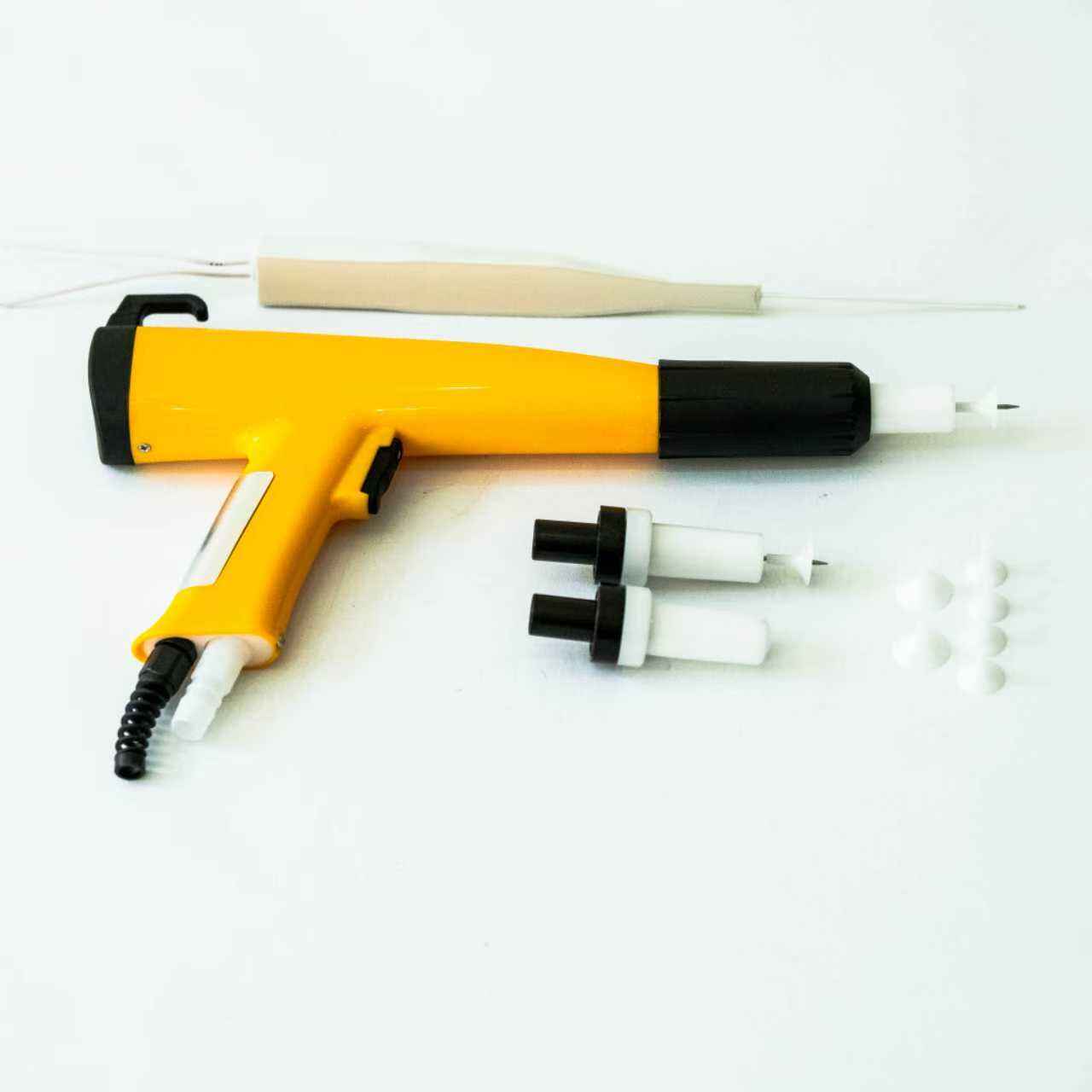
Proper maintenance of a flyback transformer is essential to ensure the longevity, reliability, and optimal performance of power supply systems across various industrial and commercial applications. Understanding the key steps for flyback transformer maintenance not only prevents unexpected failures but also reduces downtime and maintenance costs. Whether you're working with high-voltage power supplies, CRT displays, or modern switching power systems, a systematic maintenance approach is critical to preserving the integrity of these vital components.
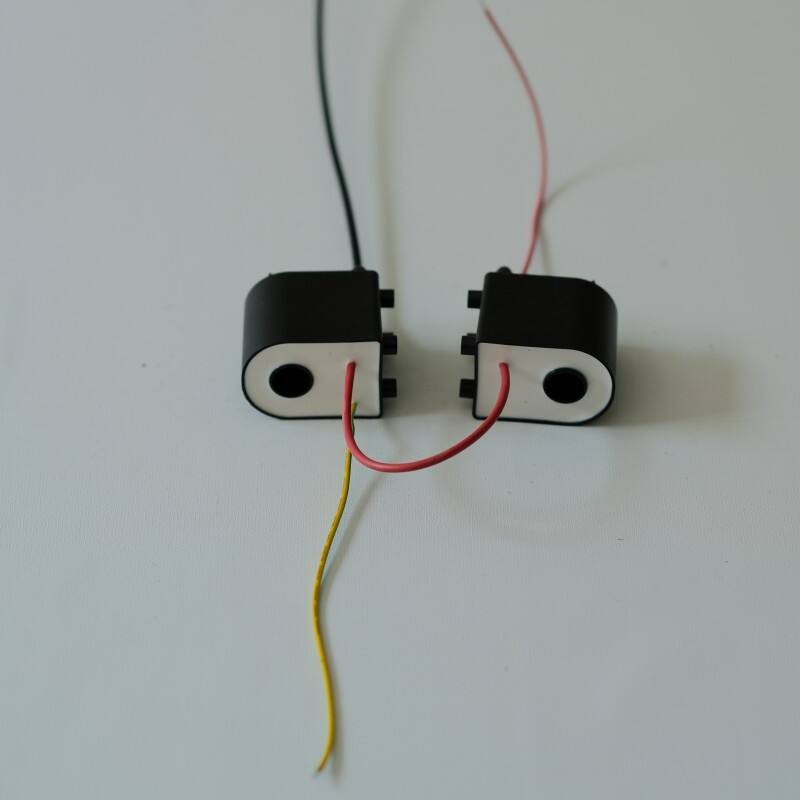
The flyback transformer operates under demanding electrical and thermal conditions, making it susceptible to insulation degradation, winding failures, and core saturation over time. By implementing a structured maintenance protocol that includes visual inspections, electrical testing, thermal monitoring, and preventive cleaning, engineers and technicians can identify potential issues before they escalate into costly system failures. This comprehensive guide outlines the essential steps required to maintain your flyback transformer effectively, ensuring sustained performance and extending operational lifespan in industrial environments.
Understanding Flyback Transformer Operating Conditions and Maintenance Needs
Operational Stress Factors Affecting Transformer Longevity
Flyback transformers function as energy storage devices and voltage converters, operating through cyclical magnetization and demagnetization of the core. This repetitive process generates significant electrical and thermal stress on the windings, insulation materials, and magnetic core. High-frequency switching, typically ranging from 20 kHz to several hundred kHz, subjects the transformer to continuous electrical transients that can gradually degrade insulation integrity. Additionally, the high-voltage secondary windings often operate at several kilovolts, creating intense electric field stress that accelerates aging of dielectric materials.
The thermal environment presents another critical maintenance consideration for flyback transformer systems. Heat generated by core losses, copper losses in windings, and proximity effects from high-frequency operation causes temperature fluctuations that expand and contract materials at different rates. This thermal cycling can lead to mechanical stress on solder joints, wire insulation, and potting compounds. Understanding these operational stresses helps maintenance personnel prioritize inspection areas and establish appropriate maintenance intervals based on actual operating conditions rather than arbitrary schedules.
Identifying Critical Components Requiring Regular Attention
Several components within and around the flyback transformer require focused maintenance attention. The primary winding connection points, particularly where lead wires enter the bobbin or are terminated at PCB connections, represent high-stress mechanical and electrical junctions prone to fatigue failures. The secondary winding insulation, especially near the high-voltage output terminal, experiences the greatest electric field stress and should be regularly inspected for tracking, carbonization, or breakdown evidence. The magnetic core, typically ferrite material, can develop cracks or chips from mechanical shock or thermal stress, compromising magnetic performance and potentially causing increased losses or electromagnetic interference.
External components directly affecting flyback transformer operation also warrant regular maintenance inspection. Snubber circuits, consisting of resistors, capacitors, and sometimes diodes connected across the primary winding, protect against voltage spikes during switching transitions. These components can degrade or fail, reducing circuit protection effectiveness. The switching transistor or MOSFET controlling primary current flow generates heat and experiences electrical stress that can affect switching characteristics over time, indirectly impacting transformer operation. Comprehensive maintenance protocols must therefore extend beyond the physical transformer to include these supporting circuit elements.
Essential Inspection and Testing Procedures
Visual Inspection Techniques for Early Problem Detection
Regular visual inspection forms the foundation of effective flyback transformer maintenance. Begin by examining the transformer exterior for physical damage, including cracks in the casing or potting material, discoloration indicating overheating, and any evidence of arcing or tracking on surfaces. Look particularly closely at areas near high-voltage terminals where corona discharge may leave telltale ozone odor or whitish residue. Check for any bulging or deformation of the transformer body, which might indicate internal pressure buildup from overheating or chemical decomposition of insulation materials.
Inspect all electrical connections and terminations carefully, searching for signs of oxidation, loose connections, or solder joint degradation. Wire insulation near connection points should be examined for cracking, brittleness, or discoloration that suggests thermal damage. Use magnification when necessary to identify hairline cracks or subtle changes in material appearance. For potted or encapsulated flyback transformers, inspect the potting compound for cracks, separation from the bobbin or core, or voids that could compromise insulation integrity. Document any observations with photographs and notes for trending analysis over multiple maintenance cycles.
Electrical Testing Protocols for Performance Verification
Electrical testing provides quantitative data about flyback transformer condition and performance characteristics. Begin with basic resistance measurements of both primary and secondary windings using a quality digital multimeter. Record baseline resistance values when the transformer is new or known-good, then compare subsequent measurements to detect winding damage, short circuits between turns, or connection problems. Resistance should be measured with the transformer disconnected from all circuitry and at consistent temperatures for meaningful comparisons. Significant changes in winding resistance indicate developing problems requiring further investigation.
Insulation resistance testing, performed with a megohmmeter or insulation tester at appropriate voltage levels, reveals insulation degradation before it leads to breakdown. Test between primary and secondary windings, between each winding and the core or chassis ground, and between different sections of multi-tap windings. Insulation resistance should typically measure in the hundreds of megohms or higher for healthy transformers. Declining insulation resistance over successive maintenance intervals signals progressive insulation deterioration, allowing preventive replacement before catastrophic failure occurs. Always follow manufacturer specifications for test voltage selection to avoid damaging the insulation during testing.
Functional Performance Testing Under Operating Conditions
In-circuit testing while the flyback transformer operates provides valuable information about real-world performance that static tests cannot reveal. Use an oscilloscope to examine switching waveforms at the primary winding, checking for proper rise and fall times, absence of excessive ringing or parasitic oscillations, and correct voltage levels during on and off periods. Abnormal waveforms may indicate problems with the transformer, the switching circuit, or associated components. Monitor the flyback pulse voltage during the switch-off period, as changes in peak voltage or pulse width can indicate altered inductance values or developing short circuits.
Temperature measurements during operation reveal thermal problems that might not be apparent during visual inspection. Use infrared thermometers or thermal imaging cameras to create temperature profiles of the transformer surface, identifying hot spots that suggest localized core losses, winding shorts, or inadequate cooling. Compare temperatures against manufacturer specifications and baseline measurements taken when the system was new. The core temperature typically runs warmer than the windings in properly designed systems, but excessive temperature or uneven heating patterns indicate problems requiring immediate attention. Continuous temperature monitoring during extended operation cycles helps identify intermittent thermal issues that might not appear during brief testing.
Cleaning and Environmental Control Methods
Contamination Removal and Surface Cleaning
Environmental contaminants accumulate on flyback transformer surfaces over time, particularly in industrial settings with airborne dust, oil mist, or chemical vapors. These contaminants can compromise high-voltage insulation by creating conductive paths across insulating surfaces, leading to tracking or flashover failures. Regular cleaning removes these deposits before they cause problems. Begin by disconnecting all power and discharging any stored energy in associated capacitors. Use compressed air or soft brushes to remove loose dust and debris, taking care not to damage delicate wire connections or introduce moisture into inaccessible areas.
For more stubborn contamination, use appropriate solvents selected based on the transformer construction and potting materials. Isopropyl alcohol works well for many applications, effectively dissolving oils and residues without attacking common plastics or epoxy materials. Apply solvents with lint-free cloths or swabs, avoiding excessive liquid that might seep into internal voids or beneath potting compounds. For transformers operating in particularly harsh environments with conductive contamination, specialized electrical contact cleaners designed to leave no residue provide better protection. After cleaning, allow sufficient drying time before re-energizing the circuit, ensuring all solvent has evaporated to prevent voltage breakdown through residual liquid.
Moisture Control and Environmental Management
Moisture represents one of the most damaging environmental factors affecting flyback transformer reliability. Water absorption into insulation materials dramatically reduces dielectric strength, enabling voltage breakdown at levels well below the transformer's design ratings. In humid environments or applications subject to condensation, implement moisture control measures as part of routine maintenance. Conformal coatings applied to exposed connections and surfaces provide protective barriers against moisture intrusion. For critical applications, consider housing the transformer and associated circuitry in sealed enclosures with desiccant materials or active dehumidification systems.
When working on flyback transformers that have been exposed to moisture, thorough drying becomes essential before returning them to service. Low-temperature baking in specialized ovens, typically 50-80 degrees Celsius for several hours, drives moisture from insulation materials without causing thermal damage. Monitor the drying process carefully, as excessive temperatures can damage modern insulation materials or potting compounds. After drying, perform insulation resistance testing to verify that dielectric strength has been restored to acceptable levels. In applications where moisture exposure cannot be avoided, establish more frequent maintenance intervals and consider using transformers specifically designed with enhanced moisture resistance features such as vacuum impregnation or hermetic sealing.
Preventive Measures and Operational Optimization
Thermal Management and Cooling System Maintenance
Effective thermal management significantly extends flyback transformer operating life by reducing thermal stress on insulation and magnetic materials. Verify that cooling systems, whether passive heatsinks or active fans, function properly and remain unobstructed. Clean heatsinks and ventilation paths regularly, as accumulated dust and debris dramatically reduce heat transfer efficiency. For fan-cooled systems, check fan operation, bearing condition, and airflow direction. Replace fans showing signs of wear such as unusual noise, reduced speed, or bearing play before they fail completely and leave the transformer without adequate cooling.
Evaluate the transformer mounting and positioning to ensure optimal heat dissipation. Transformers should be oriented according to manufacturer recommendations to promote natural convection cooling. Adequate clearance around the transformer allows air circulation and prevents heat buildup. In densely packed equipment, consider adding supplemental cooling or heat-conductive pathways to improve thermal performance. Thermal interface materials between the transformer and mounting surfaces should remain effective, without drying, cracking, or delamination that reduces heat transfer. Applying fresh thermal compound during maintenance intervals maintains optimal thermal coupling and helps prevent hot spots that accelerate aging.
Circuit Protection and Stress Reduction Strategies
The operating conditions imposed by the surrounding circuit significantly impact flyback transformer maintenance requirements and longevity. Verify that protective components such as snubber circuits, transient voltage suppressors, and current limiting resistors function correctly and remain within specification. These components absorb voltage spikes and limit current surges that would otherwise stress the transformer windings and insulation. Replace protective components showing signs of degradation, such as discolored resistors or bulging capacitors, even if they still measure within tolerance, as their protection effectiveness may be compromised.
Optimize circuit operating parameters to minimize transformer stress during routine maintenance procedures. Verify that switching frequencies remain within the transformer's design specifications and that duty cycles do not exceed rated values. Excessive duty cycle or frequency increases core losses and winding currents, generating additional heat and accelerating aging. Check that primary current limiting circuits function properly, preventing saturation of the magnetic core which causes excessive magnetizing current and rapid temperature rise. For applications with variable loads, ensure that load variations remain within the transformer's designed operating range, as operation outside specifications significantly shortens service life.
Documentation and Predictive Maintenance Records
Comprehensive documentation forms the backbone of effective predictive maintenance programs for flyback transformers. Establish standardized record-keeping procedures that capture all inspection findings, test measurements, cleaning activities, and component replacements. Record dates, technician names, environmental conditions, and any anomalies observed during maintenance activities. This historical data enables trending analysis that identifies gradual degradation patterns, allowing intervention before failures occur. Compare current measurements against baseline values and manufacturer specifications to quantify deterioration rates and predict remaining service life.
Use documented maintenance history to refine and optimize maintenance intervals for specific applications and operating conditions. Equipment operating in harsh environments or under heavy electrical stress may require more frequent attention than units in benign conditions. Analyzing failure patterns across similar transformers helps identify common failure modes and target preventive measures to address root causes. Digital maintenance management systems facilitate this analysis by enabling queries across multiple equipment records, identifying trends that might not be apparent from individual maintenance reports. This data-driven approach transforms maintenance from reactive repairs to proactive prevention, maximizing equipment availability and minimizing total ownership costs.
Troubleshooting Common Issues and Corrective Actions
Diagnosing Performance Degradation and Failure Modes
When flyback transformer performance declines, systematic troubleshooting identifies the root cause and appropriate corrective action. Common symptoms include reduced output voltage, excessive heating, audible noise or vibration, and visible arcing or corona discharge. Reduced output voltage may result from shorted turns in either winding, degraded switching transistor performance, or changes in load conditions. Measure winding resistances and inductances, comparing against baseline values to detect turn-to-turn shorts. Test switching components under operating conditions to verify proper gate drive and switching characteristics.
Excessive heating beyond normal operating temperatures indicates increased losses from core saturation, winding shorts, or inadequate cooling. Thermal imaging pinpoints hot spot locations, guiding diagnostic efforts toward specific problem areas. Audible buzzing or mechanical vibration often stems from loose core laminations or windings, inadequate impregnation or potting, or operation at excessive flux densities approaching core saturation. Corona discharge and arcing, evidenced by sharp crackling sounds, ozone odor, and visible light emissions, indicate insulation breakdown or inadequate creepage distances for the operating voltage. These symptoms require immediate attention as they typically progress rapidly to complete failure if not addressed.
Implementing Corrective Maintenance Strategies
When flyback transformer problems are identified during maintenance inspections, appropriate corrective actions depend on the severity and nature of the issue. Minor problems such as loose connections, contaminated surfaces, or degraded thermal interface materials can typically be corrected through cleaning, tightening, and material replacement. More serious issues like insulation degradation, turn-to-turn shorts, or core damage usually require transformer replacement, as these conditions generally cannot be economically repaired in the field. However, understanding the failure mechanism guides preventive measures to avoid similar problems in replacement units.
For transformers showing early signs of degradation but still operating within acceptable parameters, implement enhanced monitoring and shortened maintenance intervals to track progression. This approach balances immediate replacement costs against failure risk, allowing planned replacement during scheduled maintenance windows rather than emergency outages. Address root causes contributing to accelerated aging, such as inadequate cooling, circuit protection deficiencies, or environmental contamination. Correcting these underlying issues ensures that replacement transformers achieve their designed service life, providing better long-term reliability and lower total cost of ownership.
FAQ
How often should I perform maintenance on a flyback transformer?
Maintenance frequency for flyback transformers depends on operating conditions, environmental factors, and application criticality. For equipment operating in controlled, clean environments with moderate electrical stress, annual inspections typically suffice. However, transformers in harsh industrial environments with dust, moisture, temperature extremes, or heavy electrical loading may require quarterly or semi-annual maintenance. Critical applications where downtime carries high costs warrant more frequent inspections and condition monitoring. Establish initial maintenance intervals based on manufacturer recommendations, then adjust based on documented condition trends and failure history to optimize reliability while avoiding excessive maintenance costs.
What are the most common causes of flyback transformer failure?
The most prevalent flyback transformer failure modes include insulation breakdown from thermal stress or voltage transients, turn-to-turn shorts in windings caused by insulation degradation, core saturation from excessive primary current or inadequate gap dimensions, and connection failures at solder joints or wire terminations. Environmental factors such as moisture intrusion, contamination buildup creating tracking paths, and inadequate cooling leading to thermal runaway also contribute significantly to transformer failures. Many failures result from operation outside design specifications, including excessive switching frequency, improper duty cycle, or voltage levels exceeding insulation ratings. Proper maintenance practices identifying these conditions early prevent most premature failures.
Can I repair a damaged flyback transformer or must it be replaced?
Most flyback transformer damage, particularly to internal windings, insulation, or magnetic cores, cannot be economically repaired and requires complete replacement. The intricate winding construction, specialized insulation systems, and precision magnetic core assembly make field repairs impractical and unreliable. However, external problems such as broken lead wires, damaged terminal connections, or deteriorated potting compounds may be repairable depending on severity and accessibility. Attempting repairs on high-voltage windings or insulation systems risks safety hazards and subsequent failures. When replacement becomes necessary, document the failure mode and contributing factors to prevent recurrence, and consider whether circuit modifications or component upgrades might extend the service life of replacement transformers.
What safety precautions should I follow when maintaining flyback transformers?
Flyback transformers operate at high voltages and store energy that can persist after power removal, creating serious shock hazards. Always disconnect all power sources and discharge all associated capacitors before beginning maintenance work. Use proper lockout-tagout procedures to prevent accidental re-energization. Wait several minutes after power removal for internal capacitances to discharge naturally, then verify zero voltage with appropriate high-voltage test equipment before touching any components. Wear appropriate personal protective equipment including insulated gloves rated for the operating voltage when necessary. Be aware that some flyback transformers, particularly those in CRT displays and certain industrial equipment, can retain lethal voltage levels for extended periods even after power disconnection. Never work on energized circuits containing flyback transformers unless specifically trained and equipped for live high-voltage work.