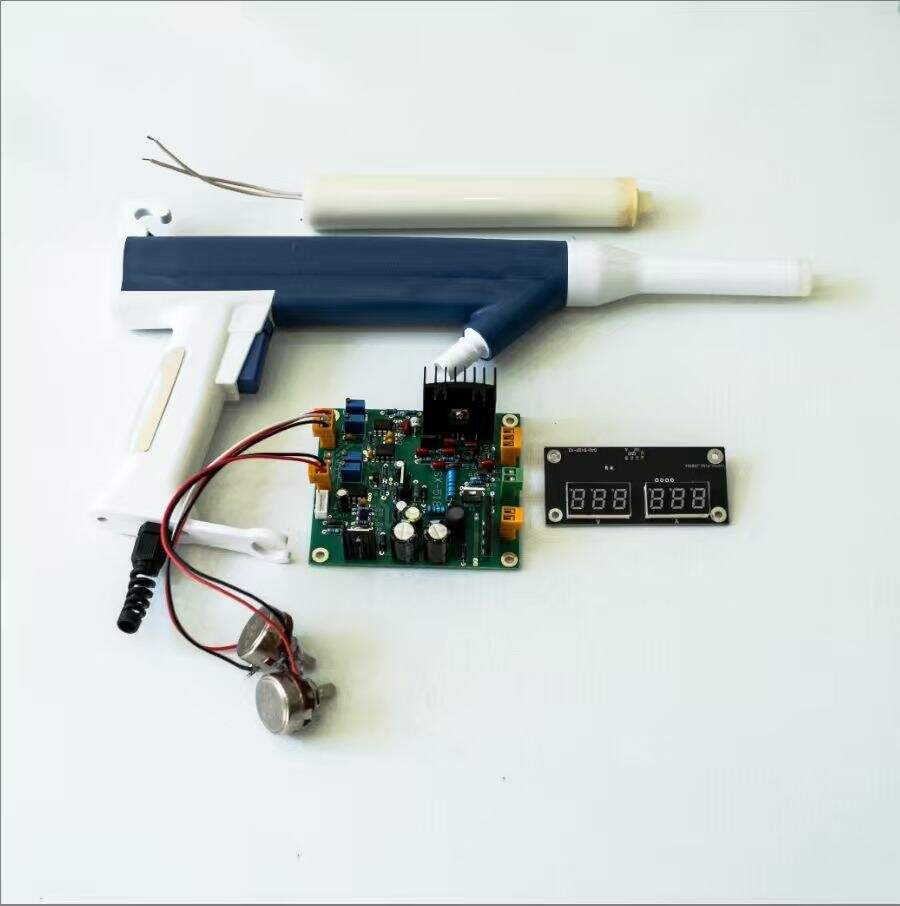
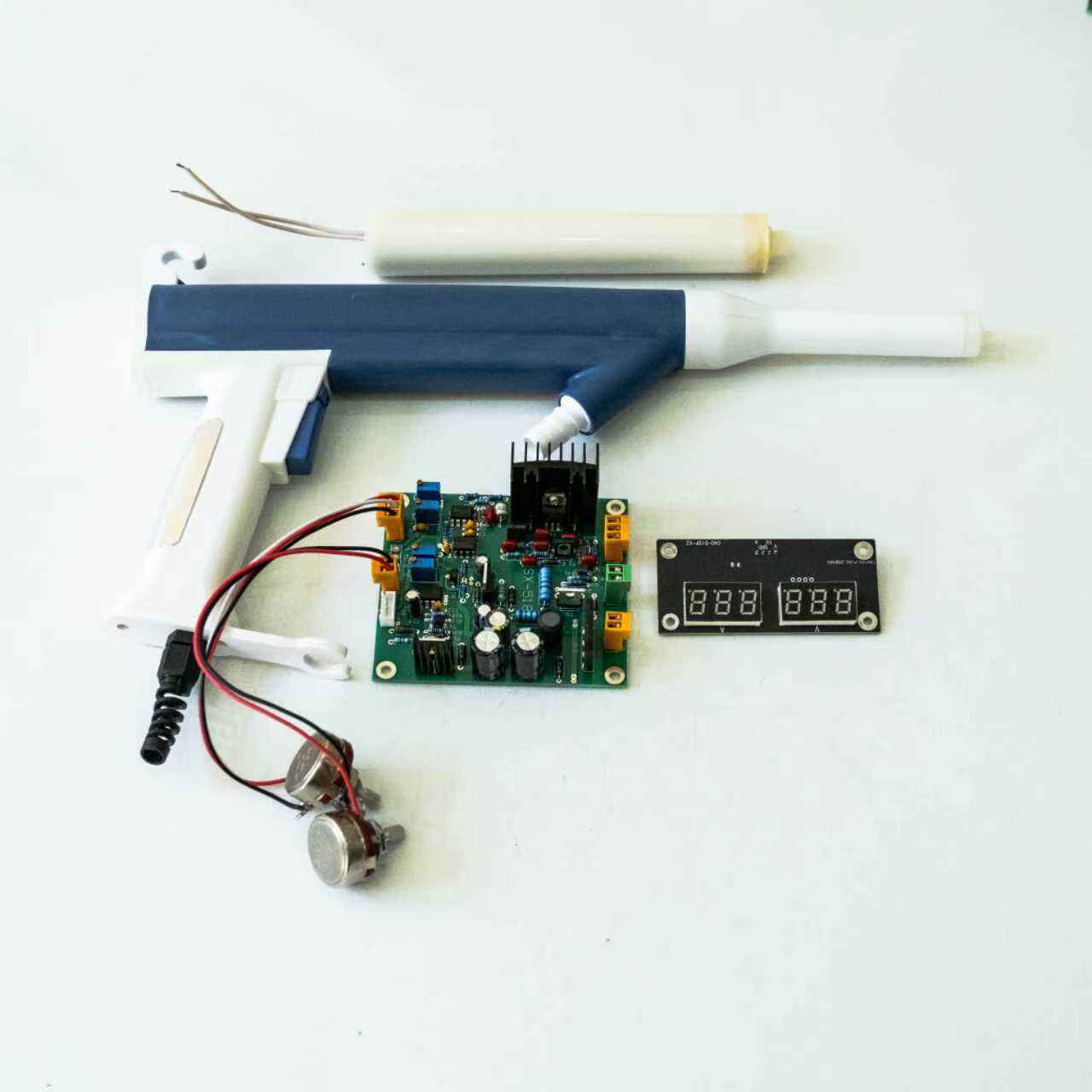
Powder Spray Gun: Advanced Coating Technology for Superior Finishing Results

Get a Free Quote

Our representative will contact you soon.
Email
Mobile/WhatsApp
Name
Company Name
Message
0/1000

powder spray gun

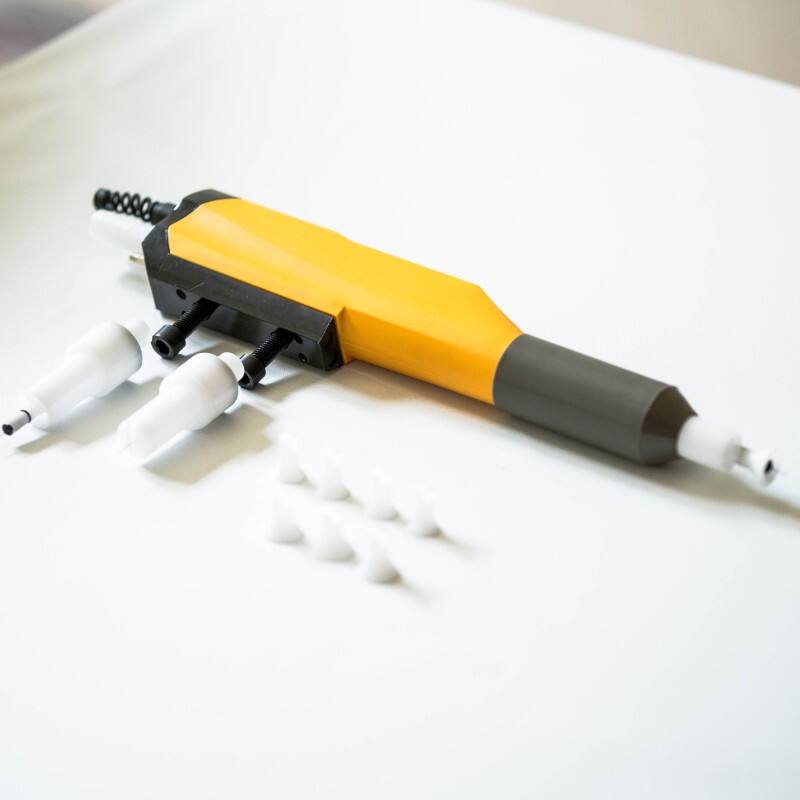
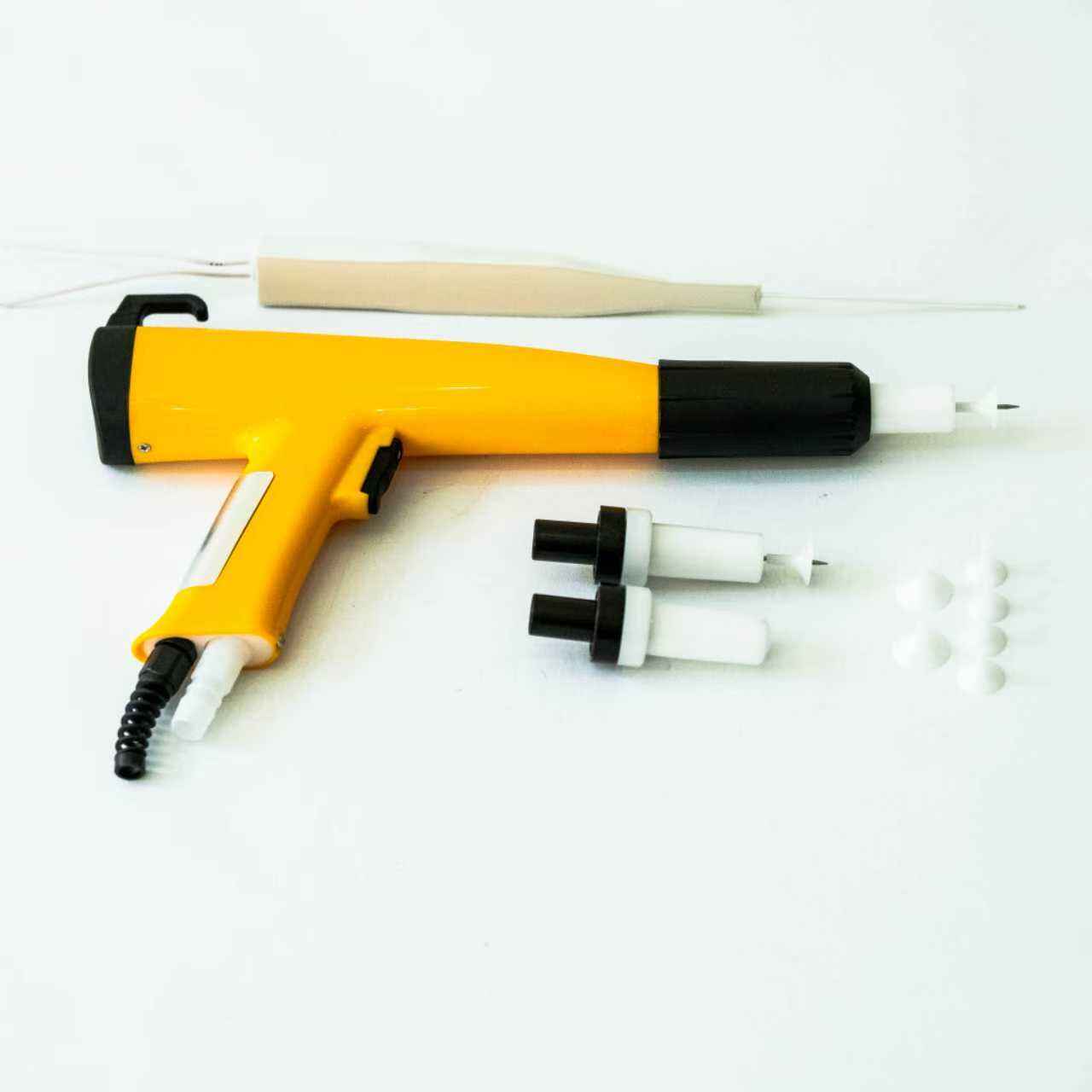
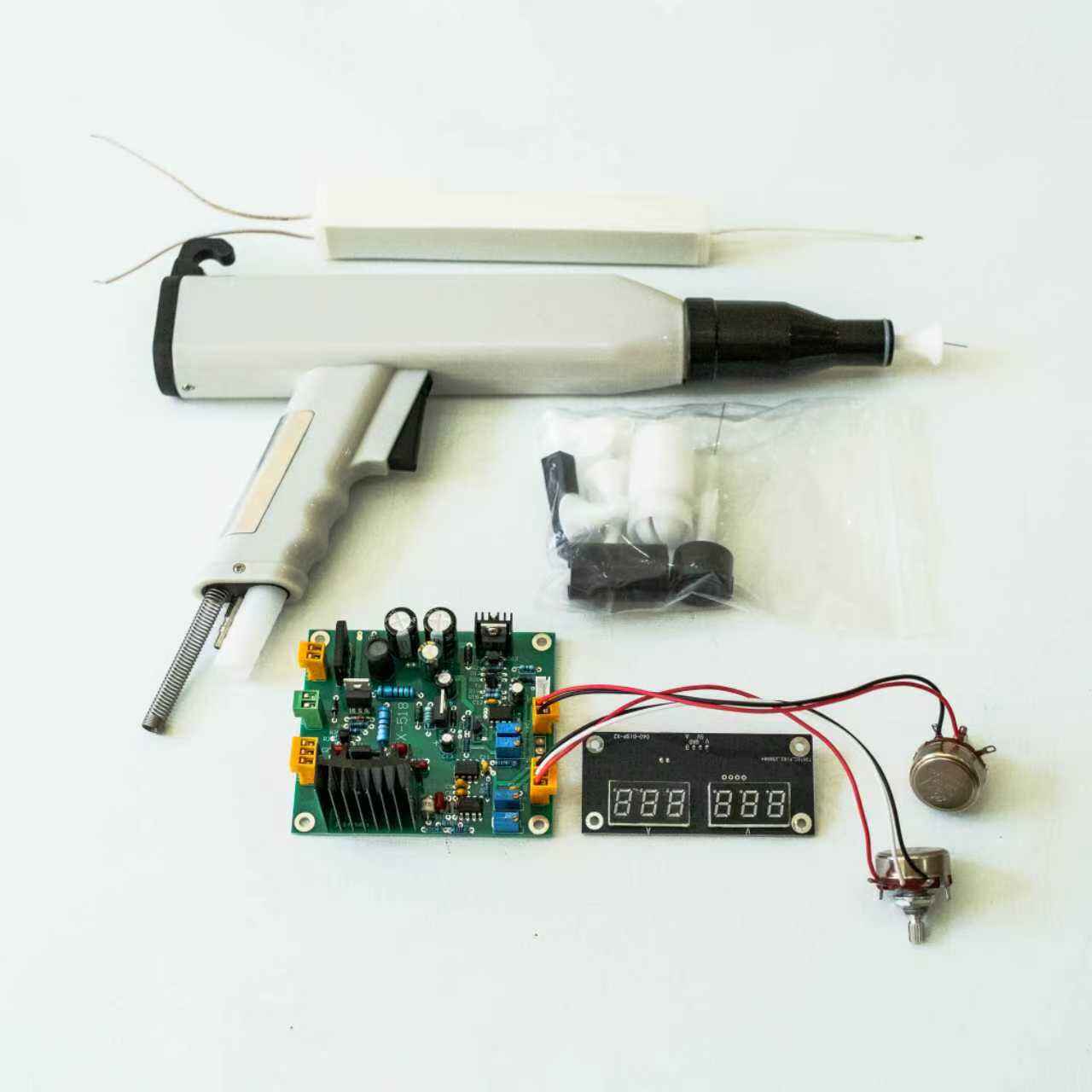
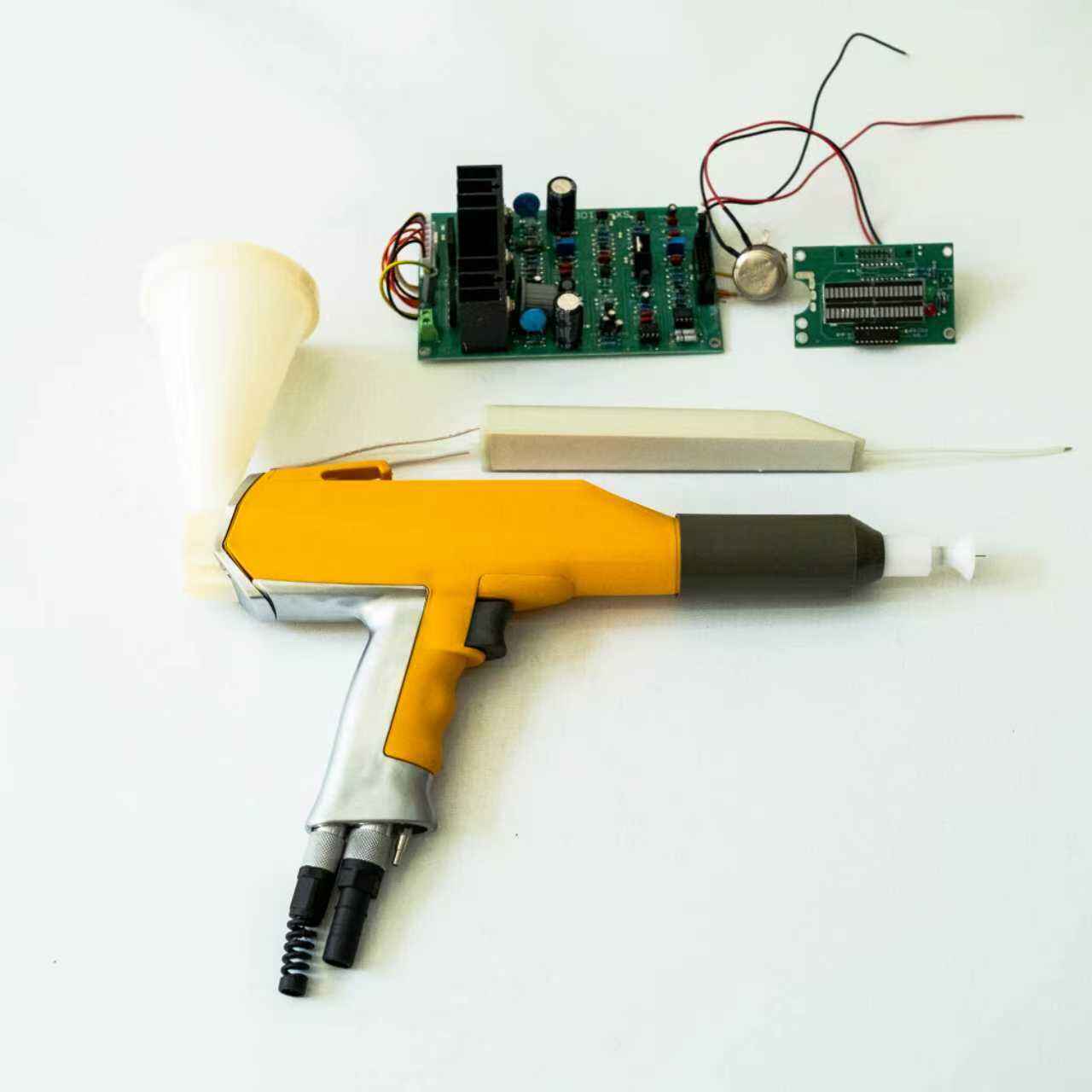
The powder spray gun represents a revolutionary advancement in modern coating technology, serving as an essential tool for applying dry powder materials onto various surfaces with precision and efficiency. This sophisticated device operates through electrostatic charging principles, where powder particles receive an electrical charge as they pass through the gun, creating a strong attraction to grounded workpieces. The powder spray gun has transformed industrial finishing processes across multiple sectors, offering superior coating quality compared to traditional liquid painting methods. At its core, this equipment consists of several integrated components including a powder reservoir, compressed air system, high-voltage generator, and specially designed nozzle that work harmoniously to deliver consistent results. The main functions encompass uniform powder distribution, adjustable spray patterns, and controlled particle velocity, enabling operators to achieve professional-grade finishes on metal, wood, plastic, and composite materials. Technological features include advanced ionization systems that maximize transfer efficiency, ergonomic designs reducing operator fatigue during extended use, and sophisticated air pressure regulation mechanisms ensuring optimal powder flow rates. Modern powder spray gun models incorporate digital controls for precise voltage adjustment, interchangeable nozzle configurations accommodating different powder types, and lightweight construction materials enhancing maneuverability. Applications span automotive manufacturing, furniture production, architectural components, appliance finishing, bicycle frames, metal fabrication, and countless other industries requiring durable, attractive surface coatings. The versatility of this equipment extends to both small-scale workshops and large production facilities, adapting seamlessly to manual operations and automated coating lines. Temperature resistance, chemical durability, and environmental compliance make powder coating applications increasingly popular, with the powder spray gun serving as the primary tool enabling these benefits to materialize in finished products.

New Product Recommendations

Investing in a quality powder spray gun delivers numerous practical benefits that directly impact your bottom line and operational efficiency. First and foremost, this equipment dramatically reduces material waste compared to conventional liquid painting systems, with transfer efficiency rates often exceeding 95 percent when properly calibrated. This means nearly all powder leaving the gun adheres to your workpiece rather than becoming overspray that requires disposal. The environmental advantages are substantial since powder coatings contain no volatile organic compounds or hazardous solvents, eliminating toxic fumes and reducing regulatory compliance burdens. Your workspace remains cleaner and safer for employees, while you avoid expensive ventilation systems and air quality monitoring required for solvent-based finishes. The cost savings extend beyond materials, as powder coatings cure quickly under heat, accelerating production cycles and increasing throughput without compromising quality. A powder spray gun enables single-coat applications that achieve film thicknesses and durability previously requiring multiple liquid paint layers, cutting labor hours and energy consumption. The equipment itself requires minimal maintenance, with fewer clogging issues and simpler cleaning procedures than liquid spray guns. Operational flexibility stands out as another significant advantage, allowing rapid color changes by simply replacing powder hoppers rather than flushing entire systems with solvents. The finish quality achievable with this technology surpasses many alternative methods, producing uniform, smooth coatings without runs, sags, or orange peel defects common in liquid applications. Durability represents a key selling point for end customers, as powder-coated products resist chipping, scratching, fading, and corrosion far better than conventional paints. This longevity translates to enhanced product value and customer satisfaction. The learning curve for operating a powder spray gun is surprisingly gentle, with most users achieving professional results after brief training periods. Adjustability features let operators fine-tune spray characteristics for different project requirements, from delicate detail work to broad coverage on large surfaces. Economic analysis consistently demonstrates favorable return on investment timelines, particularly for businesses coating more than occasional pieces. The initial equipment cost is offset by reduced material expenses, lower labor requirements, eliminated solvent purchases, and decreased waste disposal fees. Furthermore, the consistent finish quality minimizes rejection rates and rework, preserving materials and maintaining production schedules. Long-term reliability means your powder spray gun will continue delivering excellent performance across years of regular use, making it a sound capital investment rather than a consumable expense.

Practical Tips

Advanced Testing Methods for Flyback Transformer Insulation and Leakage Inductance

15

Jun

Advanced Testing Methods for Flyback Transformer Insulation and Leakage Inductance

Insulation Integrity Testing Under High-Frequency Flyback Stress Dielectric Withstand and Partial Discharge Testing per VDE 0806 & IEC 61558 Dielectric withstand testing applies high-potential AC/DC voltages to verify insulation breakdown threshold...
View More
Robotic Integration: Automating Powder Coating Spray Guns for Consistent Results

29

Jun

Robotic Integration: Automating Powder Coating Spray Guns for Consistent Results

Why Robotic Automation Eliminates Variability in Powder Coating Spray Gun Performance Human factors vs. robotic precision: Distance, angle, and powder flow rate control Manual powder coating introduces inherent variability due to physiological and ...
View More
What are the key steps for flyback transformer maintenance

15

Apr

What are the key steps for flyback transformer maintenance

Proper maintenance of a flyback transformer is essential to ensure the longevity, reliability, and optimal performance of power supply systems across various industrial and commercial applications. Understanding the key steps for flyback transformer ...
View More
What are the performance differences between various powder coating spray guns

27

Apr

What are the performance differences between various powder coating spray guns

Understanding the performance differences between various powder coating spray gun models is critical for achieving optimal finishing results in industrial coating operations. Different spray gun designs, delivery mechanisms, voltage outputs, and con...
View More

Get a Free Quote

Our representative will contact you soon.
Email
Mobile/WhatsApp
Name
Company Name
Message
0/1000

powder spray gun

Superior Transfer Efficiency Maximizes Material Utilization

Superior Transfer Efficiency Maximizes Material Utilization

The exceptional transfer efficiency of a powder spray gun stands as perhaps its most compelling economic advantage, fundamentally changing the cost structure of coating operations. Unlike traditional liquid spray systems where 40 to 60 percent of material becomes airborne overspray that never reaches the target surface, powder spray gun technology achieves transfer rates consistently above 90 percent, with optimized setups approaching 98 percent efficiency. This remarkable performance stems from the electrostatic charging mechanism at the heart of the system, where powder particles receive a negative electrical charge while passing through the gun's corona field. These charged particles experience powerful attraction to grounded workpieces, following curved trajectories that wrap around edges and coat recessed areas that would remain bare with conventional spray methods. The practical implications are transformative for any coating operation. Material costs drop dramatically since virtually every gram of powder leaving your gun contributes to the finished coating rather than settling as waste on booth floors and filters. A business coating 100 square meters daily might save thousands of dollars monthly in material costs alone compared to liquid alternatives. Environmental benefits accompany these economic gains, as reduced material consumption means less manufacturing demand for coating materials and decreased waste generation requiring disposal. The powder that does miss the workpiece during application does not become hazardous waste but instead can be collected by recovery systems and reused immediately, further enhancing overall efficiency. This closed-loop capability is impossible with liquid paints, where overspray mixes with solvents and contaminants, rendering it unusable. The efficiency advantage compounds when considering film thickness control, as powder spray gun technology delivers consistent coating depth across the entire workpiece surface. Operators avoid the thick-and-thin variations common with liquid applications, where gravity causes runs in vertical surfaces while horizontal areas receive inadequate coverage. Uniform thickness means you apply exactly the amount needed for proper protection and appearance, neither wasting material through excessive buildup nor risking premature failure from insufficient coating. Production planning becomes more predictable when transfer efficiency remains consistently high, allowing accurate material ordering and inventory management. You can calculate precisely how much powder is required for upcoming jobs, avoiding both shortage situations that halt production and excess purchases that tie up capital in stored materials. Quality control improves simultaneously, as the reliable powder spray gun performance eliminates finish defects related to inconsistent material application, reducing rejection rates and expensive rework cycles that consume time and materials while delaying deliveries.
Ergonomic Design Reduces Operator Fatigue and Enhances Productivity

Ergonomic Design Reduces Operator Fatigue and Enhances Productivity

The thoughtful ergonomic engineering incorporated into modern powder spray gun designs directly addresses the physical demands of coating work, delivering tangible benefits for operator comfort, safety, and sustained productivity throughout extended shifts. Manufacturers have invested substantially in research and development to create tools that minimize strain on hands, wrists, arms, and shoulders during repetitive spraying motions that previously caused discomfort and potential injury. Weight reduction represents a primary focus, with advanced materials and component miniaturization producing powder spray gun models weighing as little as 600 grams despite containing sophisticated electronics and robust construction. This lightweight design prevents the cumulative fatigue that develops when operators support heavier tools for hours, allowing workers to maintain proper technique and finish quality from the first piece to the last. Balanced weight distribution ensures the gun feels stable without requiring excessive grip pressure, reducing hand cramping and enabling relaxed, controlled movements. The handle geometry follows natural hand positions, with contoured grips that distribute pressure across larger surface areas rather than concentrating force on small contact points. Trigger mechanisms require minimal activation force, often incorporating adjustable resistance settings so individual operators can customize feel according to personal preference and hand strength. This attention to trigger design prevents the repetitive strain injuries associated with repeatedly compressing stiff controls throughout production shifts. Cable management systems prevent power cords and air hoses from dragging or creating resistance that would require additional effort to maneuver the gun. Rotating connector fittings let cables swivel freely, eliminating twisted lines that restrict movement and pull against operator motions. Quick-disconnect couplings facilitate rapid hose changes without wrestling with threaded connections, reducing setup time and physical effort during color changes or equipment maintenance. Temperature control represents another ergonomic consideration, with insulated grip areas preventing heat transfer from internal components that might cause discomfort during extended use. Ventilation channels direct airflow away from the operator's face and hands, maintaining comfortable working conditions even in warm production environments. The practical productivity benefits of these ergonomic refinements extend beyond immediate operator comfort. Workers experiencing less fatigue maintain better focus and attention to detail, producing more consistent finish quality throughout their shifts. Reduced physical strain decreases injury risks and associated workers' compensation costs while lowering turnover among skilled coating technicians. Training new operators becomes easier when equipment feels comfortable and intuitive, shortening the learning period before achieving full productivity. The powder spray gun's ergonomic advantages also enable flexible workforce utilization, as the tools accommodate operators of varying sizes, strengths, and experience levels without requiring multiple equipment types or extensive physical conditioning.
Versatile Application Range Serves Diverse Industry Needs

Versatile Application Range Serves Diverse Industry Needs

The remarkable versatility of powder spray gun technology enables effective coating across an extraordinarily diverse range of materials, product sizes, geometries, and industry applications, making it a valuable investment for businesses serving multiple markets or anticipating future expansion. Unlike specialized coating equipment limited to narrow application niches, quality powder spray gun systems adapt readily to varying production requirements through adjustable parameters and interchangeable components. Material compatibility extends across virtually all conductive substrates, with metals naturally serving as ideal candidates due to their inherent grounding properties. Steel, aluminum, brass, copper, and specialized alloys all accept powder coatings excellently, covering the material palette for automotive components, appliances, furniture frames, architectural elements, industrial equipment, and consumer products. Non-conductive materials including plastics, composites, wood, and glass can also receive powder coatings when pretreated with conductive primers or processed using specialized techniques, expanding application possibilities into previously restricted territories. Size flexibility accommodates projects ranging from tiny fasteners and electronic components measuring millimeters to massive structural elements spanning several meters. The powder spray gun maintains consistent performance across this dimensional spectrum, requiring only adjustments to spray pattern width, powder flow rate, and application distance. Small job shops coating bicycle parts can use identical equipment technology as large facilities finishing automobile bodies, simply adapting techniques and parameters to match workpiece dimensions. Geometric complexity poses no insurmountable challenges, as the electrostatic attraction inherent in powder spray gun operation naturally draws particles into recesses, around corners, and behind protrusions that would create shadows with conventional spray methods. Intricate castings, welded assemblies, perforated sheets, and tubular structures all receive complete coverage without elaborate masking or multiple spray angles. Production volume scalability represents another versatility dimension, with powder spray gun technology functioning effectively in prototype shops coating individual pieces, medium-volume manufacturers running batches, and high-speed automated lines finishing thousands of units daily. Manual handheld operation suits custom work and varied product mixes, while robotic mounting enables precision and repeatability for standardized mass production. The equipment transitions seamlessly between these operational modes, protecting your investment as business needs evolve. Finish characteristics can be tailored extensively through powder formulation selection rather than equipment changes, with a single powder spray gun applying glossy, matte, textured, metallic, or specialty effect coatings simply by changing powder supplies. Color ranges span the entire spectrum, with custom matching available to meet precise brand requirements or aesthetic visions. Film thickness adjustability lets operators apply thin decorative coatings or heavy protective layers using the same equipment, optimizing performance for each application's functional requirements. Industry breadth demonstrates the universal applicability of this technology, with powder spray gun systems serving automotive manufacturing, architectural fabrication, appliance production, furniture making, agricultural equipment, sporting goods, electronics enclosures, industrial machinery, signage, and countless other sectors requiring durable, attractive finishes.

Get a Free Quote

Our representative will contact you soon.
Email
Mobile/WhatsApp
Name
Company Name
Message
0/1000
Newsletter
Please Leave A Message With Us