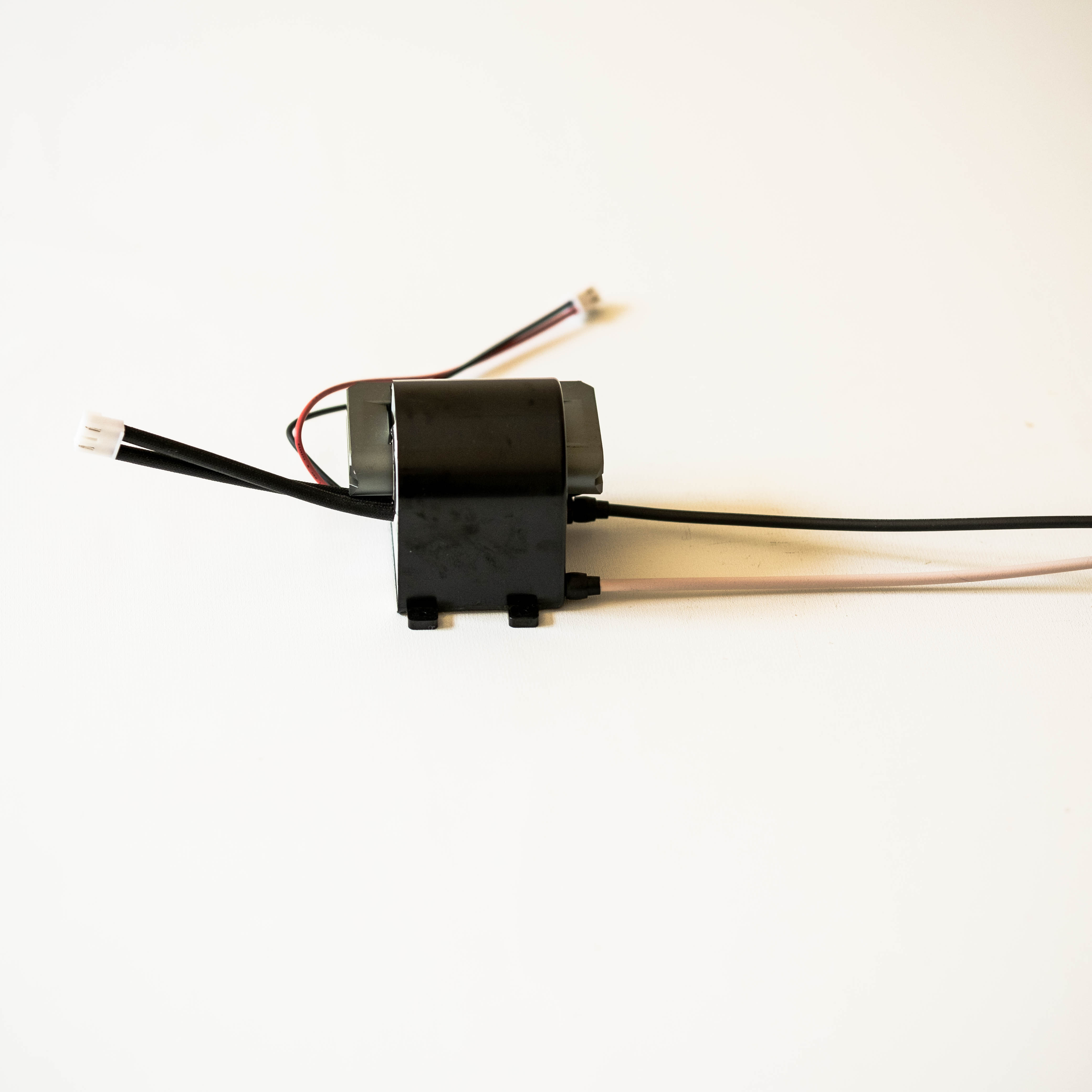
Versatile Multiple Output and Wide Input Range Capability
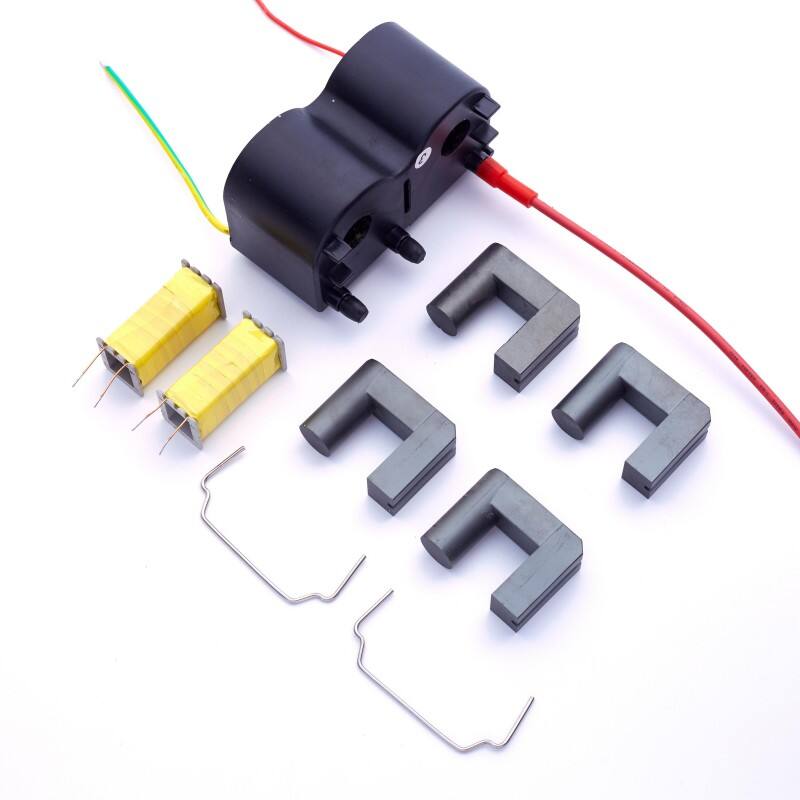
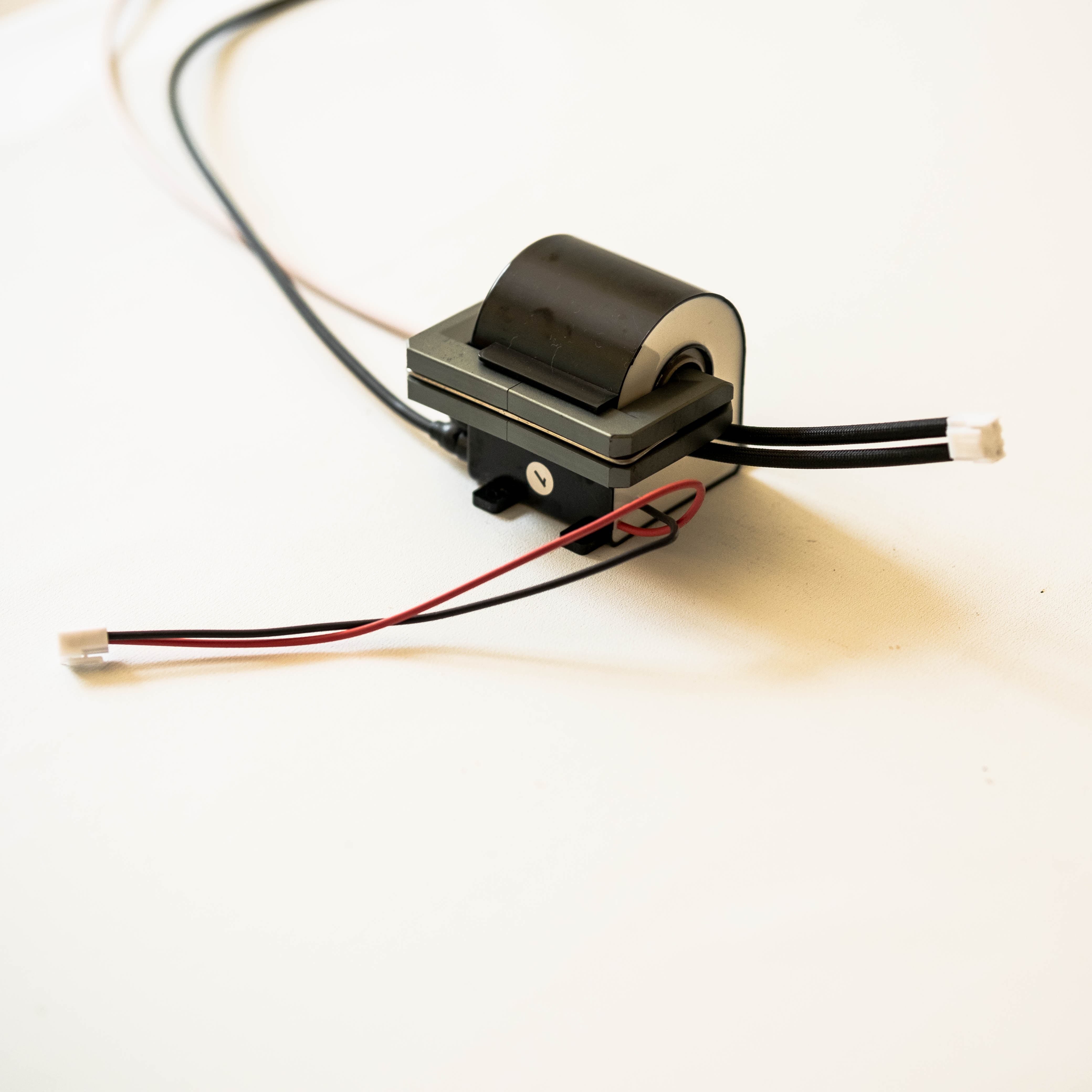
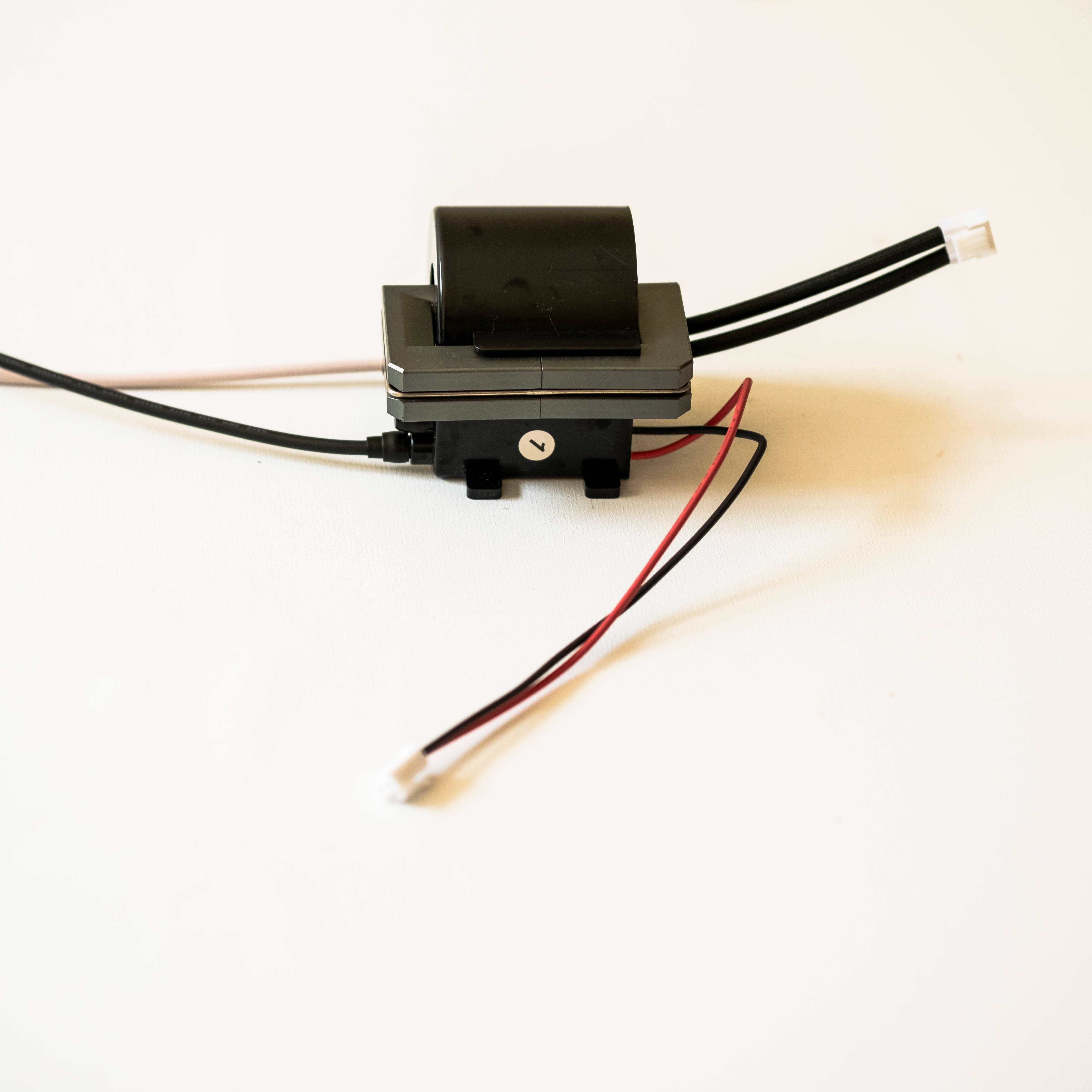
The miniature flyback transformer excels in applications requiring multiple output voltages through its inherent ability to support numerous secondary windings, each delivering independently regulated voltage levels from a single magnetic core. This multiple output capability dramatically simplifies power supply architecture by eliminating separate converter stages for each voltage rail, reducing component count, lowering costs, and improving overall system reliability through decreased complexity. A typical miniature flyback transformer design easily accommodates three to five separate output windings, each optimized for specific voltage and current requirements of different subsystems within electronic equipment. The main output usually feeds critical digital circuits requiring tight voltage regulation, while auxiliary outputs supply housekeeping functions such as cooling fans, indicator lights, and interface circuits with less demanding regulation needs. The magnetic coupling between windings provides inherent cross-regulation, where changes in one output partially compensate for load variations on other outputs, simplifying feedback control circuit design. Engineers leverage this characteristic to achieve acceptable regulation on auxiliary outputs without dedicated control loops, further reducing circuit complexity and cost. The turns ratio between primary and secondary windings determines output voltage levels with precision limited only by manufacturing tolerances, typically achieving better than five percent accuracy without trimming. Custom winding configurations accommodate unusual voltage requirements or specialized isolation needs without tooling changes, providing design flexibility that speeds new product introduction. The wide input voltage range capability of miniature flyback transformers addresses the reality that power sources vary significantly across geographic regions, applications, and operating conditions. Universal input designs accepting 90 to 264 volts AC enable single product configurations for worldwide markets, eliminating the need for voltage-specific variants that complicate inventory management and increase obsolescence risks. Battery-powered applications benefit from wide DC input range tolerance that maintains regulated outputs despite battery voltage declining from fully charged to nearly depleted states. This extended operating range maximizes usable battery capacity and extends operating time between recharge cycles. Solar-powered systems experience dramatic input voltage swings between dawn, midday, and dusk conditions, requiring power converters that maintain stable outputs across input variations exceeding three-to-one ratios. The miniature flyback transformer topology naturally accommodates these wide input ranges through duty cycle adjustment in the switching control circuit, requiring no transformer redesign or component substitutions. Automotive applications face particularly challenging input conditions, with vehicle electrical systems varying from below ten volts during cold cranking to above sixteen volts during high-speed charging, plus transient spikes exceeding one hundred volts from load dump events. The robust magnetic design and generous voltage ratings of miniature flyback transformers withstand these stresses while maintaining output regulation through integrated protection features. The flexibility extends to switching frequency selection, where designers optimize operating frequency based on specific application requirements balancing efficiency, electromagnetic interference characteristics, and transformer size. Higher frequencies enable smaller magnetic cores and capacitors, while lower frequencies reduce switching losses and electromagnetic emissions.