Flyback Transformer Frequency Guide: Optimization, Benefits & Applications | Power Supply Solutions

Get a Free Quote

Our representative will contact you soon.
Email
Mobile/WhatsApp
Name
Company Name
Message
0/1000

flyback transformer frequency

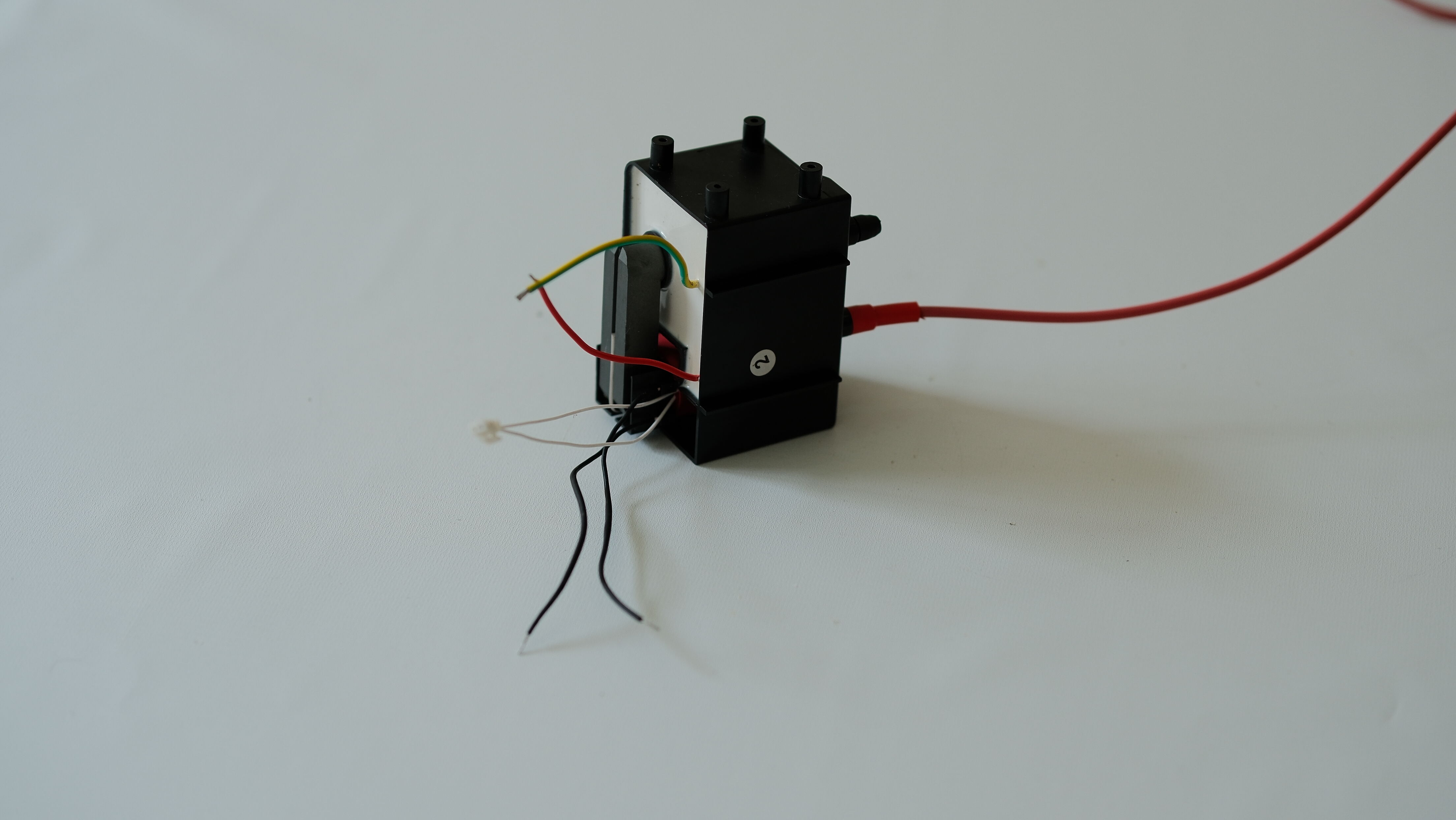
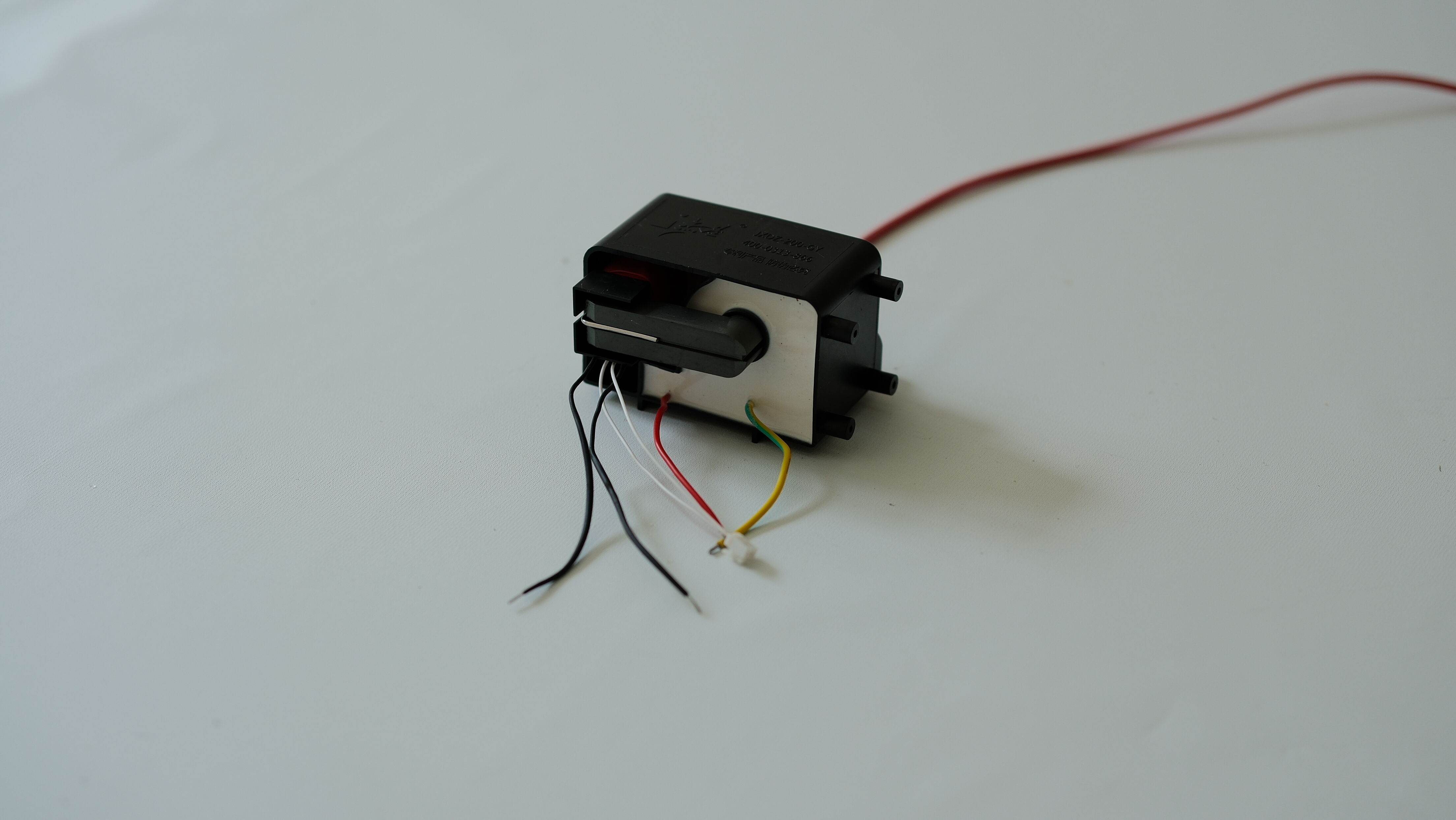
The flyback transformer frequency represents a critical parameter in power conversion systems, determining how efficiently electrical energy transfers from input to output. Operating typically between 20 kHz and 200 kHz, this frequency selection impacts the overall performance, size, and efficiency of power supply designs. Understanding flyback transformer frequency helps engineers and procurement specialists make informed decisions when selecting components for various electronic applications. The frequency at which a flyback transformer operates directly influences the magnetic core requirements, switching losses, and electromagnetic interference characteristics of the power supply. Higher flyback transformer frequency operation enables the use of smaller magnetic cores and capacitors, leading to more compact designs that save valuable circuit board space. This becomes particularly important in modern electronics where miniaturization drives product development. Lower frequencies, while requiring larger components, often provide better efficiency in high-power applications and generate less electromagnetic interference. The choice of flyback transformer frequency involves balancing multiple factors including cost, efficiency, component size, and thermal management. Modern power supply designers carefully evaluate these trade-offs to optimize performance for specific applications. The frequency selection also affects the transformer's winding design, insulation requirements, and overall reliability. When the flyback transformer frequency increases, skin effect and proximity effect in the windings become more pronounced, requiring careful conductor selection and winding techniques. Additionally, the switching frequency directly impacts the ripple current in both input and output capacitors, affecting their selection and lifespan. Power semiconductor selection also depends heavily on the chosen flyback transformer frequency, as faster switching speeds require transistors with lower gate charge and faster recovery times. The flyback transformer frequency essentially serves as a fundamental design parameter that cascades through every aspect of the power supply architecture, making it a crucial consideration for achieving optimal performance, reliability, and cost-effectiveness in power conversion applications across industries.

New Product Recommendations

Selecting the appropriate flyback transformer frequency delivers numerous practical benefits that directly impact your product's performance and bottom line. First and foremost, optimizing this frequency allows you to significantly reduce the physical size of your power supply components. When you increase the operating frequency, the magnetic core requires fewer turns and less core material to transfer the same amount of power. This miniaturization translates into lighter products, reduced shipping costs, and the ability to fit power supplies into increasingly compact electronic devices. Your customers appreciate smaller, lighter products, and this frequency optimization makes that possible without sacrificing performance. Another major benefit comes from improved transient response characteristics. Higher flyback transformer frequency operation means the system can respond more quickly to sudden changes in load demand. Your devices power up faster and handle dynamic loads more efficiently, providing users with a better experience. This responsiveness becomes especially valuable in applications like laptop adapters, LED drivers, and battery chargers where load conditions change frequently. The economic advantages also deserve attention. By carefully selecting your flyback transformer frequency, you reduce material costs through smaller components while simultaneously improving manufacturing efficiency. Automated assembly becomes easier with compact designs, and you spend less on raw materials like copper and magnetic core material. These savings accumulate across production volumes, improving your profit margins substantially. Energy efficiency represents another compelling advantage. The right frequency selection minimizes switching losses and improves overall conversion efficiency, meaning less energy wasted as heat. Your products consume less power, generate less heat, and require simpler thermal management solutions. This efficiency translates directly into lower operating costs for end users and helps meet increasingly stringent energy regulations worldwide. From a reliability standpoint, proper flyback transformer frequency selection reduces thermal stress on components. Lower operating temperatures extend component lifespan and decrease failure rates, reducing warranty costs and enhancing your brand reputation. Customers experience fewer problems, leading to higher satisfaction and repeat business. The frequency choice also affects electromagnetic compatibility. By selecting appropriate frequencies and implementing proper design techniques, you minimize electromagnetic interference that could disrupt other electronic devices or fail regulatory testing. This means fewer design iterations, faster time to market, and reduced certification costs. Additionally, modern control integrated circuits offer extensive support for various frequency ranges, giving you flexibility in design optimization. You can fine-tune performance parameters to match specific application requirements without completely redesigning your power supply architecture. This adaptability accelerates product development and allows you to respond quickly to market demands. Finally, working with established flyback transformer frequency ranges means accessing proven design methodologies, extensive component availability, and robust technical support from suppliers, reducing development risk and ensuring successful product launches.

Latest News

Ensuring EMC Compliance: Shielding and Grounding Techniques for HV Modules

18

May

Ensuring EMC Compliance: Shielding and Grounding Techniques for HV Modules

HV Module EMC Regulatory Landscape and Test Requirements High voltage modules must comply with stringent international electromagnetic compatibility (EMC) standards to prevent interference with critical vehicle systems. Component-level validation d...
View More
Flyback vs. Forward Transformers: Choosing the Right Topology for Your Application

01

Jun

Flyback vs. Forward Transformers: Choosing the Right Topology for Your Application

Operating Principles: Energy Storage vs. Energy Transfer How Flyback Transformers Store and Release Energy (Discontinuous Conduction Mode) Flyback transformers function as coupled inductors, storing energy in their magnetic core during the switch-o...
View More
Custom vs. Standard Flyback Transformers: When to Invest in Tailored Solutions

09

Jun

Custom vs. Standard Flyback Transformers: When to Invest in Tailored Solutions

Core Design Parameters That Dictate the Need for a Custom Flyback Transformer Turns Ratio, Winding Configuration, and Switching Frequency Alignment Precise turns ratio calibration is essential for optimal voltage conversion and efficiency in flybac...
View More
Overcoming Orange Peel and Faraday Cage Effects in Powder Coating Applications

23

Jun

Overcoming Orange Peel and Faraday Cage Effects in Powder Coating Applications

Root Causes of Orange Peel and Faraday Cage Defects Orange Peel: How Melt Flow, Film Thickness, and Cure Profile Interact Orange peel texture arises from the interplay of melt viscosity during curing, inconsistent film thickness, and suboptimal the...
View More

Get a Free Quote

Our representative will contact you soon.
Email
Mobile/WhatsApp
Name
Company Name
Message
0/1000

flyback transformer frequency

Compact Design Through Optimized Frequency Selection

Compact Design Through Optimized Frequency Selection

The relationship between flyback transformer frequency and physical component size represents one of the most significant advantages for modern electronic product development. When engineers increase the operating frequency of a flyback transformer, they fundamentally change the amount of energy transferred during each switching cycle. Higher frequencies mean more switching cycles per second, allowing each cycle to transfer smaller energy packets while maintaining the same total power throughput. This principle enables dramatic reductions in magnetic component sizes because the transformer core needs to store less energy per cycle. The magnetic core volume required decreases roughly inversely with frequency, meaning doubling the flyback transformer frequency can potentially halve the core size. This miniaturization extends beyond just the transformer itself. Output capacitors also benefit because higher frequencies produce smaller voltage ripple amplitudes, requiring less capacitance to achieve the same output voltage quality. Smaller capacitors occupy less board space and cost less, compounding the space savings. Input capacitors experience similar benefits, as the higher flyback transformer frequency creates smaller current ripples on the input side. The practical implications of these size reductions transform product possibilities. Consumer electronics manufacturers can create slimmer laptop chargers that fit more easily into bags and take up less desk space. Medical device designers can develop portable equipment that clinicians carry comfortably throughout hospitals. Industrial control system engineers can install more functionality within limited panel space. The size reduction also enables new product form factors that were previously impossible, opening up fresh market opportunities. Beyond the immediate space savings, compact designs reduce material consumption, lowering manufacturing costs and environmental impact. Less copper in windings, smaller magnetic cores, and reduced capacitor volumes all contribute to lower bills of materials. Shipping costs decrease when products weigh less and occupy smaller volumes, improving logistics efficiency across your supply chain. The thermal management benefits of higher flyback transformer frequency operation complement the size advantages. Smaller components typically have better surface-area-to-volume ratios, facilitating heat dissipation even in compact enclosures. This synergy between miniaturization and thermal performance creates a virtuous cycle where smaller designs actually perform better thermally than their larger, lower-frequency counterparts. However, achieving these benefits requires careful engineering. As flyback transformer frequency increases, switching losses in power semiconductors rise, and electromagnetic interference challenges become more complex. Successful implementation demands expertise in high-frequency circuit design, proper component selection, and meticulous layout techniques. When executed correctly, though, the compact design enabled by optimized frequency selection delivers unmatched value in space-constrained applications.
Enhanced Efficiency and Energy Savings

Enhanced Efficiency and Energy Savings

Operating efficiency stands as a paramount concern in modern power supply design, and flyback transformer frequency selection plays a pivotal role in achieving optimal energy conversion. The frequency at which a flyback transformer operates affects multiple loss mechanisms throughout the power supply, creating a complex optimization challenge that significantly impacts overall performance. Understanding these relationships helps you maximize efficiency and minimize wasted energy. Core losses in the magnetic transformer represent one major efficiency factor influenced by operating frequency. These losses consist of hysteresis losses, which increase linearly with frequency, and eddy current losses, which rise with the square of frequency. As flyback transformer frequency increases, these core losses grow, potentially reducing efficiency. However, modern magnetic materials specifically engineered for higher frequencies help mitigate this challenge. Ferrite materials with optimized formulations minimize losses even at elevated frequencies, enabling efficient operation across wider frequency ranges. Manufacturers now offer specialized core materials tailored to specific frequency bands, allowing designers to maintain high efficiency while benefiting from compact designs. Switching losses in power semiconductors present another critical consideration. Every time the transistor switches on or off, energy dissipates during the transition period when both voltage and current are simultaneously present. Higher flyback transformer frequency means more switching events per second, potentially increasing total switching losses. However, modern power MOSFETs and IGBTs feature dramatically reduced switching times and lower gate charges, minimizing these losses even at elevated frequencies. Silicon carbide and gallium nitride devices push efficiency boundaries further, enabling higher frequency operation with lower losses than traditional silicon devices ever achieved. The efficiency benefits extend to practical customer advantages. Higher efficiency means less electricity consumption during operation, reducing utility bills for end users. This becomes particularly significant for devices that operate continuously or in large deployments. Data centers, telecommunications facilities, and industrial installations with hundreds or thousands of power supplies realize substantial cost savings through even modest efficiency improvements. Lower energy consumption also reduces carbon footprints, helping organizations meet sustainability goals and regulatory requirements. Heat generation decreases proportionally with improved efficiency, simplifying thermal management requirements. Products run cooler, need smaller heat sinks, and may eliminate cooling fans entirely in some applications. This reduction in thermal stress extends component lifespans and improves reliability, decreasing maintenance costs and warranty expenses. Cooler operation also enables higher power density designs, packing more functionality into limited spaces without thermal limitations. The flyback transformer frequency selection process balances these various loss mechanisms to find the optimal operating point for each specific application. Low-power applications often benefit from higher frequencies despite increased switching losses because the absolute loss magnitudes remain small while size reductions provide significant value. High-power applications may favor moderate frequencies where core and switching losses reach equilibrium, maximizing overall efficiency. Sophisticated control techniques further enhance efficiency across varying load conditions, ensuring excellent performance not just at full power but throughout the entire operating range.

Superior Reliability and Extended Operational Lifespan

Superior Reliability and Extended Operational Lifespan

Reliability stands as the ultimate measure of power supply quality, and flyback transformer frequency selection profoundly influences long-term operational dependability. The frequency at which your transformer operates affects thermal stress, component degradation rates, and overall system robustness in ways that directly impact product lifespan and customer satisfaction. Understanding these reliability connections helps you design power supplies that perform consistently over many years of demanding service. Thermal management represents the most critical reliability factor influenced by flyback transformer frequency. Every watt of power lost in the conversion process becomes heat that components must dissipate. The frequency selection affects where losses occur and how much heat concentrates in specific components. Higher frequencies generally distribute losses more evenly across the circuit, with reduced conduction losses in semiconductors balanced against increased switching losses. This distribution prevents excessive hot spots that accelerate component aging. Electrolytic capacitors, often the life-limiting components in power supplies, benefit tremendously from cooler operating environments. Every ten-degree reduction in operating temperature approximately doubles capacitor lifespan. By selecting flyback transformer frequency values that optimize overall efficiency and minimize heat generation, you dramatically extend capacitor life and improve power supply reliability. Some designs achieve 100,000-hour operational lifespans through careful thermal management enabled by appropriate frequency selection. The magnetic components themselves also exhibit frequency-dependent reliability characteristics. Operating within the optimal frequency range for a given core material minimizes temperature rise in the transformer, reducing insulation stress and extending operational life. Excessive frequencies can cause cores to overheat despite using less core material, while excessively low frequencies require larger cores that may experience mechanical stress from handling and vibration. The properly selected flyback transformer frequency balances these factors to maximize transformer reliability. Electromagnetic interference management connects directly to reliability through its impact on system stability and regulatory compliance. Inappropriate frequency selection can generate interference patterns that disrupt sensitive control circuits or violate emissions standards. This interference may cause erratic operation, unexpected shutdowns, or even permanent damage to control electronics. Careful flyback transformer frequency selection, combined with proper filtering and shielding techniques, ensures clean operation that maintains reliability over the entire product lifetime. The relationship between frequency and component stress extends to power semiconductors as well. Switching devices experience voltage and current stresses during each transition, and the cumulative effect of millions of switching cycles over years of operation can cause gradual degradation. Lower frequencies reduce the total number of switching events over a product's life, potentially improving semiconductor reliability. However, lower frequencies may require higher peak currents that create other stress mechanisms. The optimal flyback transformer frequency balances switching frequency against current stress to maximize semiconductor lifespan. Modern design techniques incorporate multiple protection mechanisms that work synergistically with appropriate frequency selection to enhance reliability. Over-voltage protection, over-current limiting, and thermal shutdown circuits all benefit from the stable, predictable operation that proper frequency selection provides. These protection systems respond more reliably when the fundamental operating frequency remains within well-characterized ranges where component behaviors are thoroughly understood. Manufacturing consistency also improves with established flyback transformer frequency selections. Components designed for popular frequency ranges benefit from mature manufacturing processes, tighter tolerances, and more extensive quality testing. This manufacturing maturity translates directly into higher reliability through reduced component variation and fewer manufacturing defects. Your products experience fewer field failures, lower warranty costs, and enhanced reputation for dependability when built with components optimized for proven frequency ranges.

Get a Free Quote

Our representative will contact you soon.
Email
Mobile/WhatsApp
Name
Company Name
Message
0/1000
Newsletter
Please Leave A Message With Us