Industrial Powder Coating Gun - High Efficiency Electrostatic Coating Equipment for Professional Finishing

Get a Free Quote

Our representative will contact you soon.
Email
Mobile/WhatsApp
Name
Company Name
Message
0/1000

industrial powder coating gun

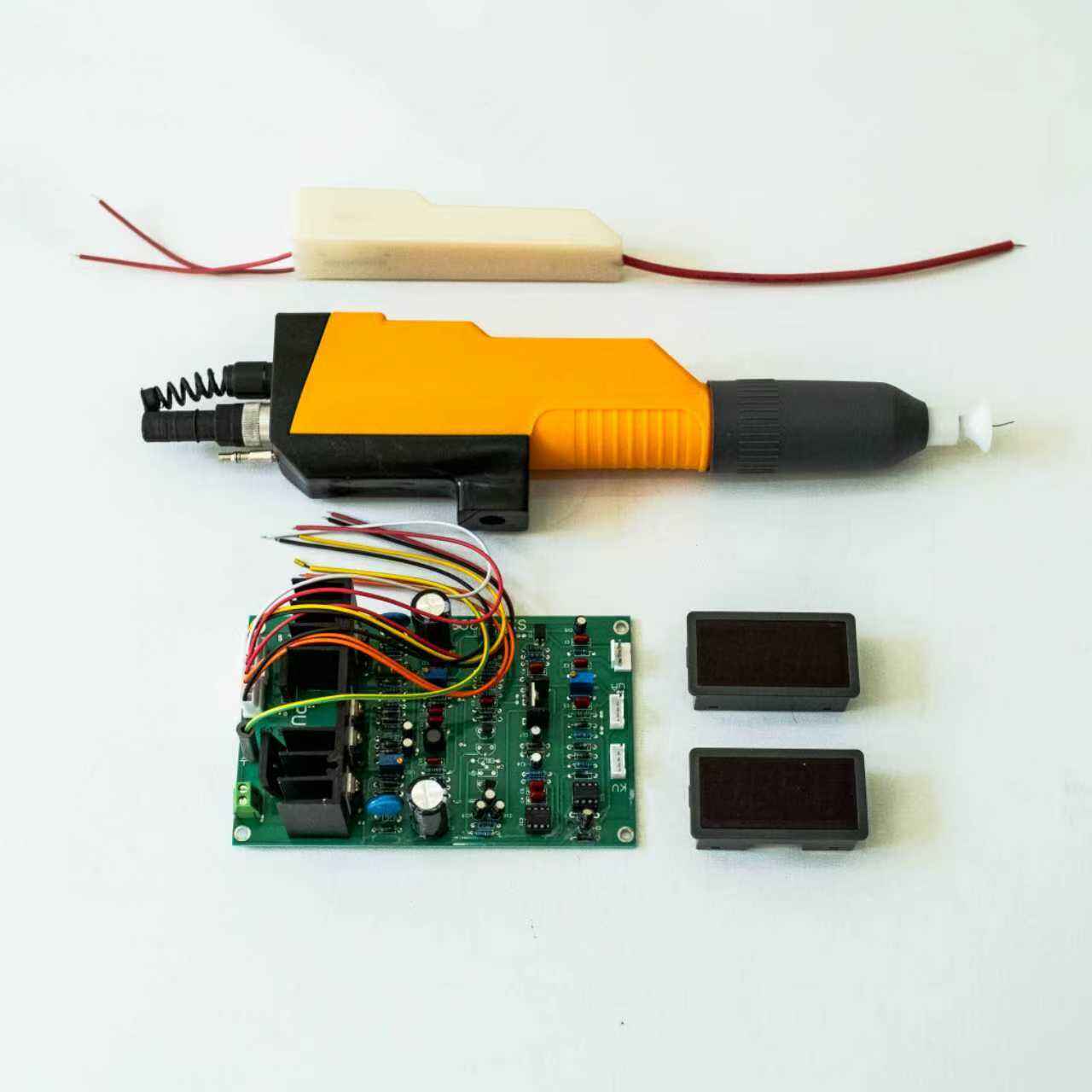
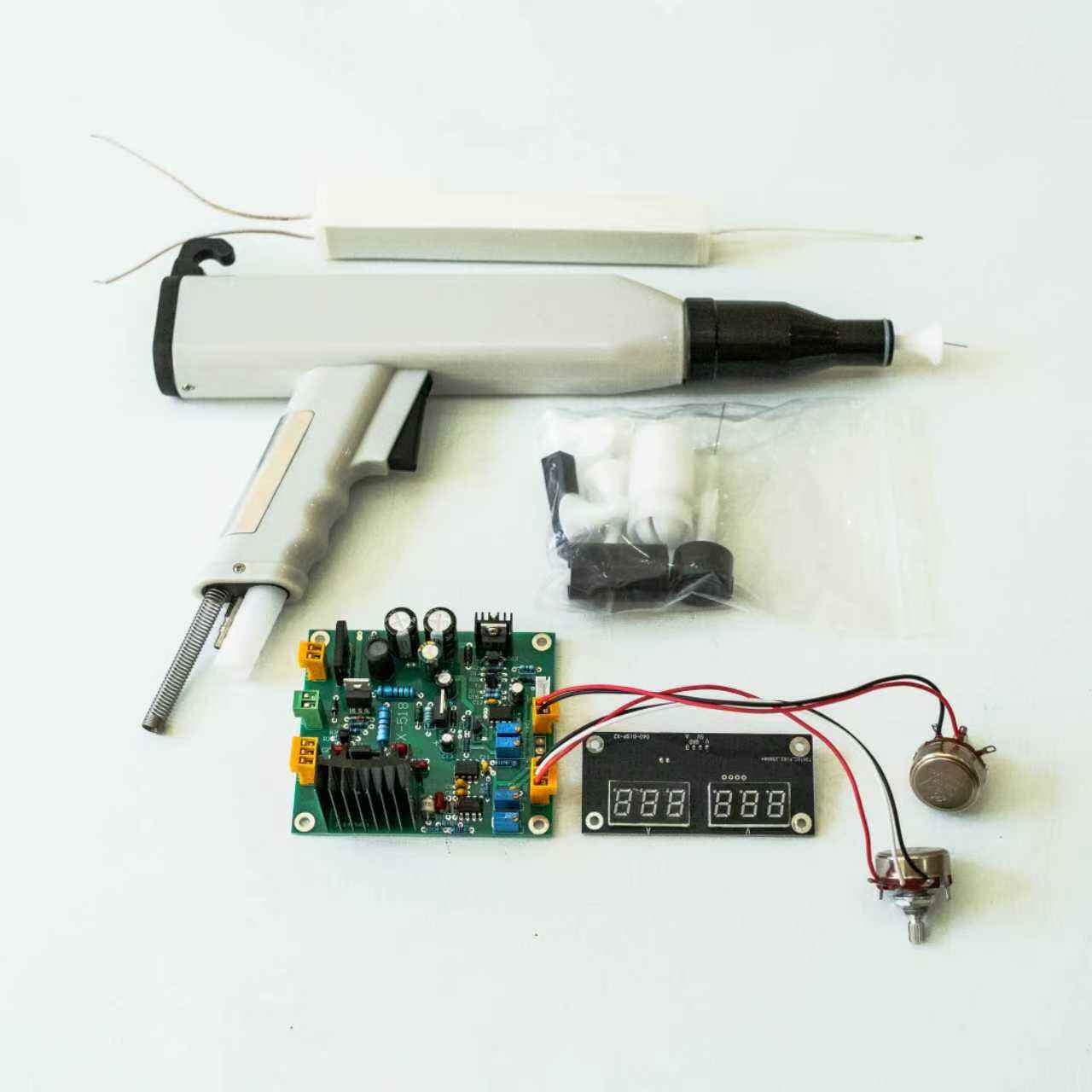
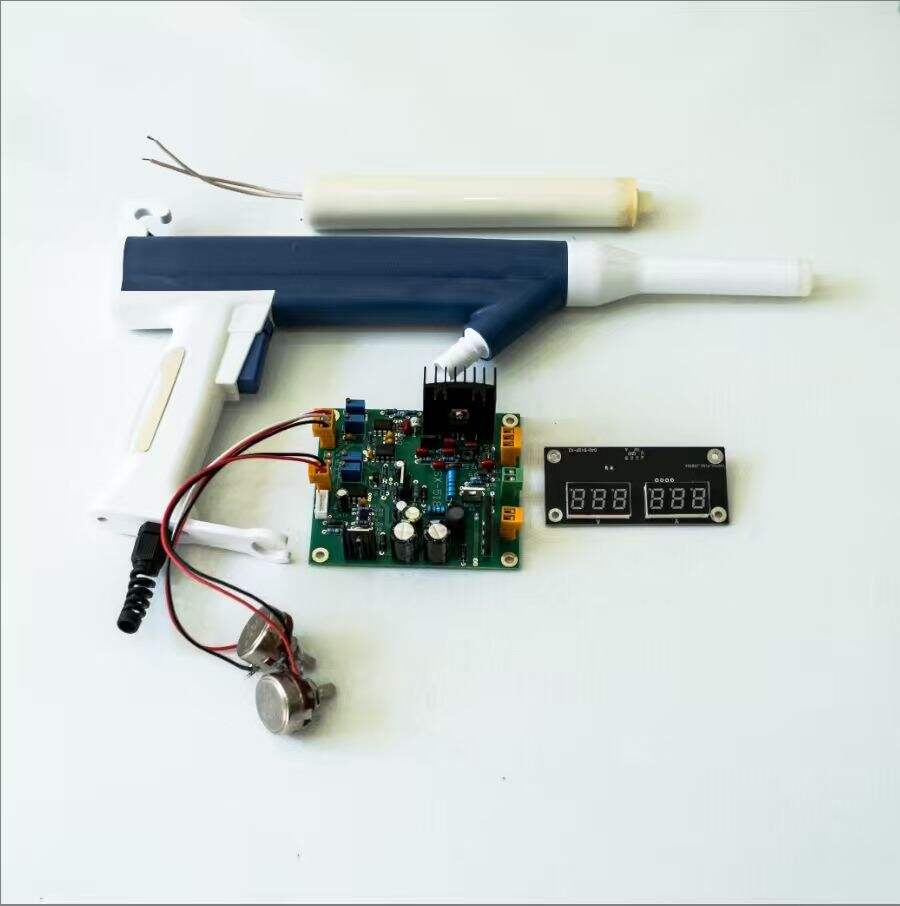
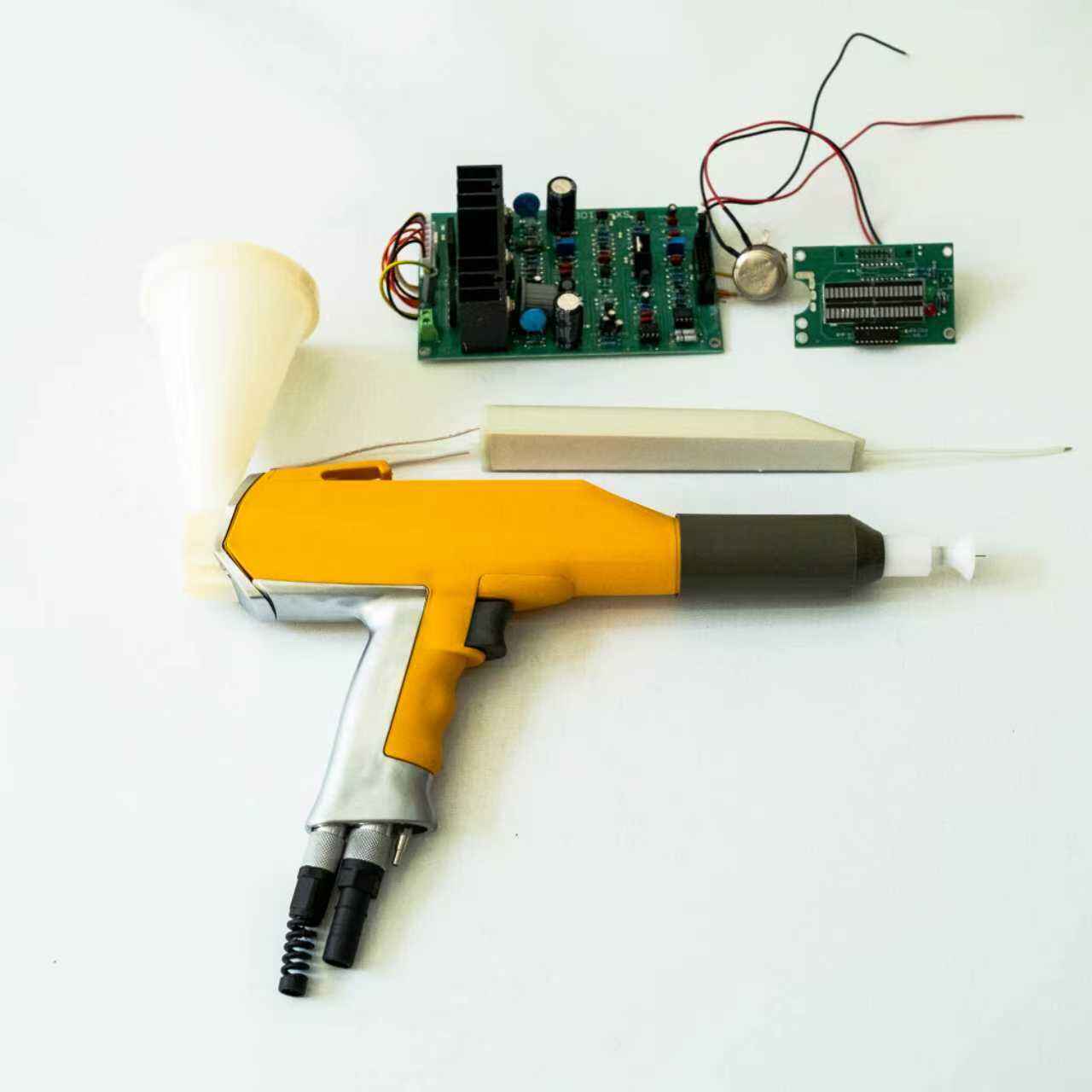
An industrial powder coating gun represents a critical piece of equipment in modern manufacturing and finishing operations, designed to apply dry powder coatings electrostatically onto metal surfaces and various substrates. This sophisticated tool transforms the coating process by utilizing advanced electrostatic technology to ensure uniform coverage and superior finish quality. The industrial powder coating gun operates by charging powder particles as they exit the nozzle, creating an electrical attraction between the coating material and the grounded workpiece. This fundamental principle enables exceptional transfer efficiency and reduces material waste significantly. The device typically consists of several key components including a powder delivery system, an electrostatic charging mechanism, a precision-engineered nozzle, and ergonomic controls that allow operators to adjust spray patterns and powder flow rates. Modern industrial powder coating guns incorporate microprocessor controls that maintain consistent voltage levels and powder output, ensuring repeatable results across production runs. These tools find extensive application across diverse manufacturing sectors including automotive component production, architectural metal fabrication, appliance manufacturing, furniture production, and general industrial equipment finishing. The technology has evolved considerably from early manual systems to today's automated and semi-automated solutions that integrate seamlessly with conveyor systems and robotic arms. The industrial powder coating gun delivers exceptional coating thickness control, typically ranging from 50 to 150 microns in a single pass, though multiple applications can achieve greater build-up when required. Environmental considerations make this equipment particularly valuable, as powder coating processes generate minimal volatile organic compounds compared to liquid coating alternatives. The recyclability of overspray powder further enhances the sustainability profile of operations utilizing industrial powder coating guns, with modern booth systems recovering up to 98 percent of unused material for reuse in subsequent coating cycles.

New Product Recommendations

The industrial powder coating gun delivers substantial cost savings through its exceptional material transfer efficiency, which typically reaches 60 to 70 percent for manual applications and can exceed 95 percent in automated systems with proper recovery equipment. This high efficiency translates directly into reduced material consumption and lower operational costs over time. Operators appreciate the reduced physical strain when using properly designed industrial powder coating guns, as these tools feature lightweight construction and balanced ergonomics that minimize fatigue during extended production shifts. The elimination of solvents from the coating process removes health hazards associated with volatile organic compound exposure, creating a safer working environment for production personnel. Maintenance requirements for an industrial powder coating gun remain minimal compared to liquid spray systems, with fewer components subject to clogging and no need for extensive cleaning between color changes in many applications. The quick color change capability stands out as a significant operational advantage, allowing manufacturers to switch between different powder formulations in minutes rather than hours, thereby increasing production flexibility and reducing downtime. Coating quality achieved with an industrial powder coating gun surpasses many alternative finishing methods, producing uniform film thickness, excellent edge coverage, and consistent appearance characteristics across large production volumes. The durability of powder-coated finishes exceeds that of many liquid coatings, providing superior resistance to chipping, scratching, fading, and corrosion, which reduces warranty claims and enhances product reputation. Energy efficiency represents another compelling benefit, as powder coating processes require lower curing temperatures than many liquid systems and the absence of solvent evaporation eliminates energy losses associated with exhaust air heating. The environmental footprint of operations using an industrial powder coating gun remains substantially lower than conventional liquid coating alternatives, with zero or near-zero volatile organic compound emissions, no hazardous waste generation from solvent disposal, and the ability to reclaim and reuse overspray material. Production speed increases significantly when utilizing an industrial powder coating gun, as the single-coat application capability and rapid curing cycles enable faster throughput compared to multiple-coat liquid systems. The versatility of these tools accommodates a wide range of powder formulations including epoxies, polyesters, acrylics, and hybrid chemistries, each offering specific performance characteristics suited to different application requirements. Investment return occurs relatively quickly due to material savings, reduced labor costs, lower environmental compliance expenses, and decreased rejection rates from improved coating consistency.

Practical Tips

Flyback vs. Forward Transformers: Choosing the Right Topology for Your Application

01

Jun

Flyback vs. Forward Transformers: Choosing the Right Topology for Your Application

Operating Principles: Energy Storage vs. Energy Transfer How Flyback Transformers Store and Release Energy (Discontinuous Conduction Mode) Flyback transformers function as coupled inductors, storing energy in their magnetic core during the switch-o...
View More
Nozzle Geometry and Spray Patterns: Matching Gun Design to Part Complexity

16

Jun

Nozzle Geometry and Spray Patterns: Matching Gun Design to Part Complexity

How Nozzle Geometry Shapes Spray Pattern Formation in Powder Coating Spray Guns Swirl Chamber Design and Inlet Orientation: Axial vs. Tangential Flow Effects on Pattern Symmetry Swirl chamber configuration fundamentally governs airflow dynamics&mda...
View More
Robotic Integration: Automating Powder Coating Spray Guns for Consistent Results

29

Jun

Robotic Integration: Automating Powder Coating Spray Guns for Consistent Results

Why Robotic Automation Eliminates Variability in Powder Coating Spray Gun Performance Human factors vs. robotic precision: Distance, angle, and powder flow rate control Manual powder coating introduces inherent variability due to physiological and ...
View More
How Does a Powder Coating Spray Gun Improve Coating Quality

01

Apr

How Does a Powder Coating Spray Gun Improve Coating Quality

Achieving superior coating quality in industrial finishing operations depends heavily on the equipment used to apply the coating material. The powder coating spray gun has emerged as a critical tool in modern manufacturing environments where uniformi...
View More

Get a Free Quote

Our representative will contact you soon.
Email
Mobile/WhatsApp
Name
Company Name
Message
0/1000

industrial powder coating gun

Superior Transfer Efficiency and Material Utilization

Superior Transfer Efficiency and Material Utilization

The industrial powder coating gun achieves remarkable transfer efficiency through its advanced electrostatic charging technology, representing a fundamental advantage that impacts both operational economics and environmental performance. When powder particles receive an electrostatic charge as they pass through the gun, they develop a strong attraction to the grounded workpiece, causing them to wrap around edges and penetrate into recessed areas that would be difficult to coat uniformly with conventional methods. This electrostatic attraction ensures that a significantly higher percentage of sprayed material actually adheres to the target surface rather than being wasted as overspray. In manual coating operations, a properly configured industrial powder coating gun typically achieves transfer efficiencies between 60 and 70 percent, meaning that more than half of the powder leaving the gun ultimately contributes to the finished coating. Automated systems incorporating reciprocating guns and optimized powder recovery equipment can push transfer efficiency above 95 percent, approaching near-total material utilization. The economic implications of this efficiency become clear when calculating material costs across large production volumes, where even small percentage improvements in transfer efficiency translate into substantial annual savings. Beyond the direct material cost savings, high transfer efficiency reduces the load on powder recovery systems, decreasing maintenance requirements and extending filter life in reclamation equipment. The industrial powder coating gun enables this efficiency through precise control of multiple parameters including voltage levels, powder flow rates, and air pressure settings, all of which operators can adjust to optimize performance for specific part geometries and powder formulations. Modern digital controls maintain these parameters consistently throughout production runs, eliminating the variation that often occurs with manual adjustment systems. The ability to reclaim and reuse overspray material further enhances overall material utilization, with properly maintained recovery systems returning undeposited powder to the coating process with no degradation in performance characteristics. This closed-loop approach to material management, enabled by the fundamental operating principles of the industrial powder coating gun, creates a nearly waste-free finishing process that benefits both the bottom line and environmental sustainability goals.
Exceptional Coating Quality and Consistency

Exceptional Coating Quality and Consistency

The industrial powder coating gun produces superior finish quality through precise control of powder delivery and electrostatic charging, resulting in uniform coating thickness, excellent appearance characteristics, and consistent performance across production volumes that would challenge other finishing methods. The electrostatic charging mechanism creates a controlled powder cloud that envelops the workpiece, ensuring even coverage on complex geometries including sharp edges, corners, and recessed areas where liquid coatings often run or sag. This wraparound effect, unique to electrostatically applied powder coatings, eliminates thin spots and bare areas that compromise both appearance and protective performance. Coating thickness uniformity achieved with an industrial powder coating gun typically varies by less than 10 microns across a properly coated surface, providing consistent protection and appearance that meets the most demanding quality standards. The dry powder application eliminates runs, sags, and drips that frequently occur with liquid coatings, particularly on vertical surfaces and complex part geometries. Operators can build coating thickness precisely by controlling powder flow and application technique, achieving exact film builds that optimize both performance and material usage. The industrial powder coating gun enables single-coat application for most projects, eliminating the multiple passes required with many liquid systems and reducing process complexity while improving productivity. Surface finish options range from smooth, glossy appearances to textured or matte effects, all achievable through proper powder selection and application technique without requiring specialized equipment for each finish type. Color consistency remains excellent throughout production runs, as the powder formulation does not change viscosity or concentration during application like liquid coatings that experience solvent evaporation. The absence of solvent-related defects such as popping, cratering, and orange peel further enhances finish quality, reducing rejection rates and rework requirements. Edge coverage, historically challenging for coating processes, becomes manageable with an industrial powder coating gun as the electrostatic attraction pulls powder particles around sharp edges and into corners. The resulting coating integrity provides superior corrosion protection compared to finishes with thin or bare edge areas. Quality control becomes more straightforward when using powder coating technology, as thickness measurement with simple magnetic gauges provides immediate feedback without waiting for solvent evaporation or complex testing procedures.

Operational Flexibility and Production Efficiency

Operational Flexibility and Production Efficiency

The industrial powder coating gun offers exceptional operational flexibility that enables manufacturers to respond quickly to changing production requirements, accommodate diverse coating specifications, and maximize equipment utilization across varied applications. Color change capability stands out as a particularly valuable feature, with most powder coating operations able to switch between colors in 15 to 30 minutes compared to the hours often required for liquid coating systems that need extensive cleaning to prevent cross-contamination. This rapid changeover capability allows economical production of smaller batch sizes, supporting just-in-time manufacturing strategies and reducing inventory carrying costs for finished goods. The industrial powder coating gun accommodates virtually any powder coating chemistry including epoxies for superior corrosion resistance, polyesters for excellent outdoor durability and color retention, acrylics for exceptional clarity and gloss, and hybrid formulations that combine multiple benefits. This material flexibility means a single coating system can handle diverse product lines with different performance requirements without capital investment in multiple finishing processes. Adjustability represents another dimension of flexibility, as operators can modify spray patterns, powder output, and electrostatic charging levels to optimize performance for different part sizes, shapes, and coating requirements. Modern industrial powder coating guns feature intuitive controls that allow quick parameter adjustment without tools or extensive training, enabling operators to respond to production variables efficiently. The equipment integrates readily with both manual and automated production systems, supporting growth from initial manual operations to fully automated robotic coating as production volumes increase. Powder coating processes using industrial powder coating guns require significantly less floor space than equivalent liquid coating systems, as the absence of flash-off zones, multiple spray booths for different coat layers, and extensive solvent storage areas reduces facility footprint requirements. Production speed advantages emerge from single-coat application capability and rapid cure cycles, with most powder-coated parts ready for packaging within 30 minutes of entering the coating process compared to hours or days for some liquid coating systems. The industrial powder coating gun supports lean manufacturing principles through reduced work-in-process inventory, simplified material handling, and elimination of the extensive quality hold points required for multi-coat liquid systems.

Get a Free Quote

Our representative will contact you soon.
Email
Mobile/WhatsApp
Name
Company Name
Message
0/1000
Newsletter
Please Leave A Message With Us