high voltage arc module
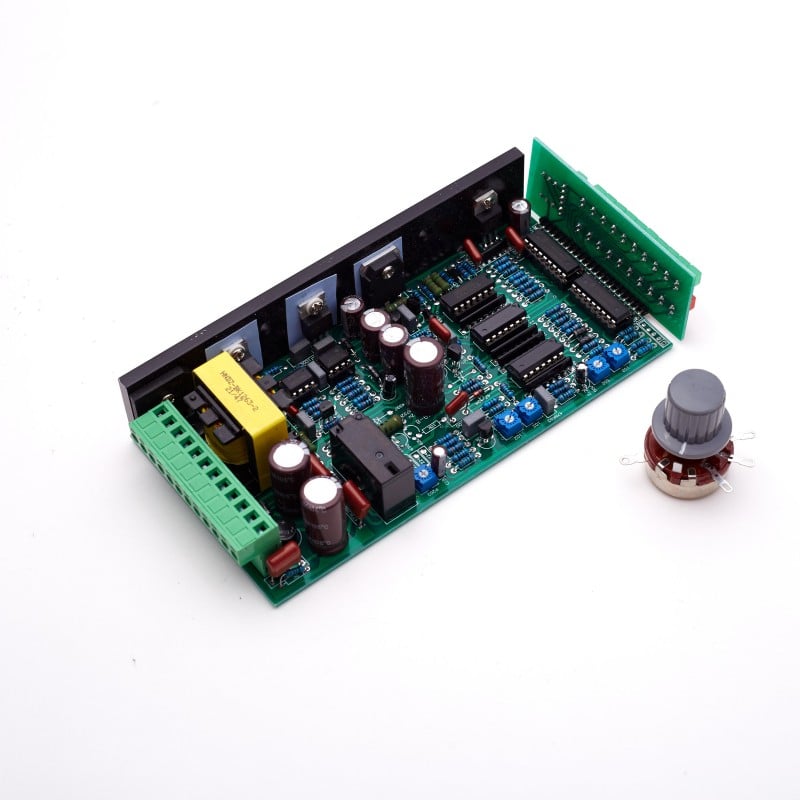
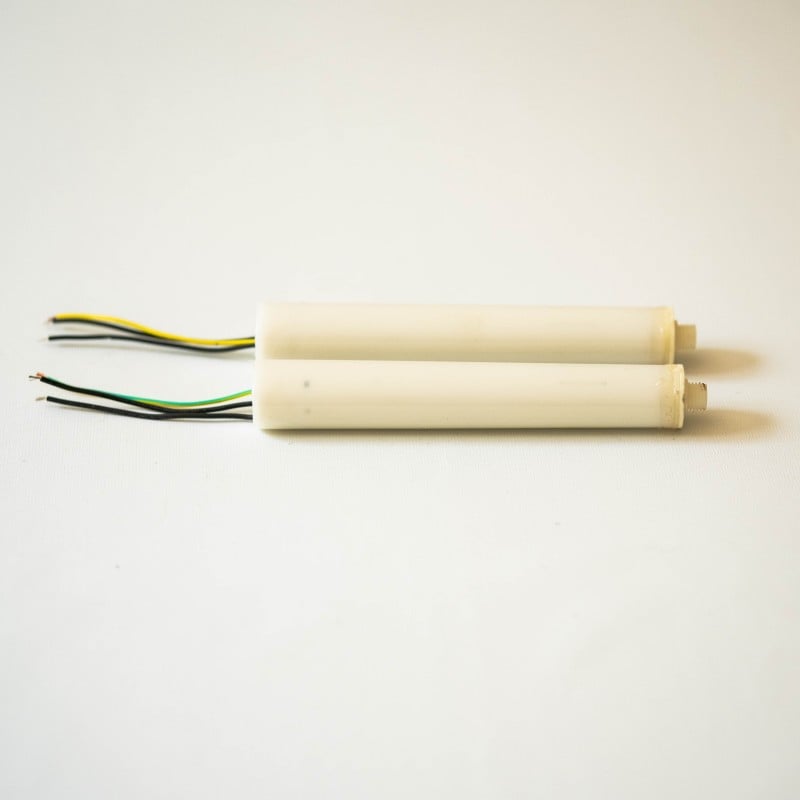
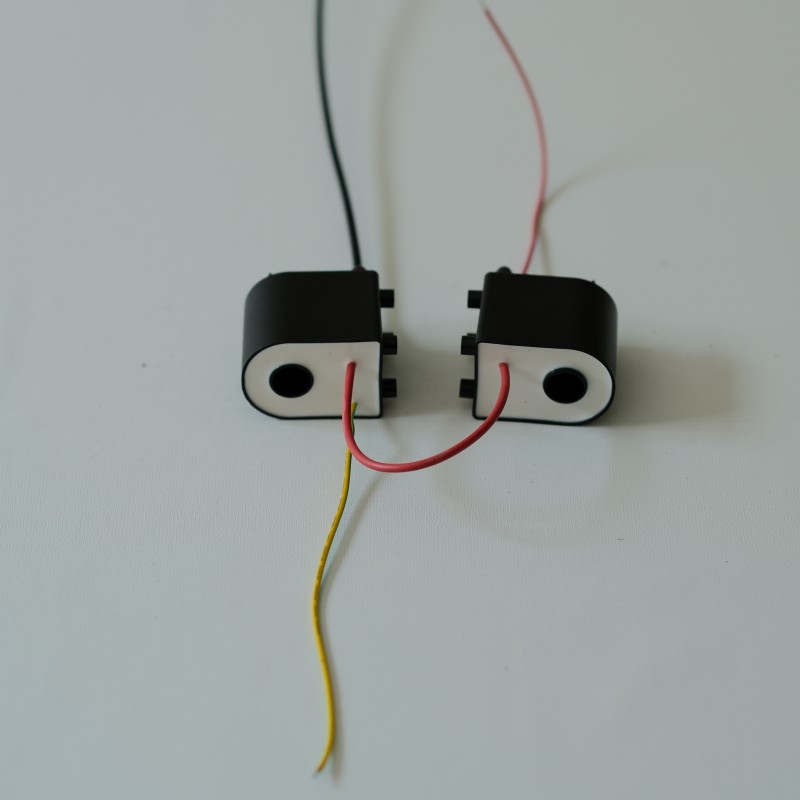
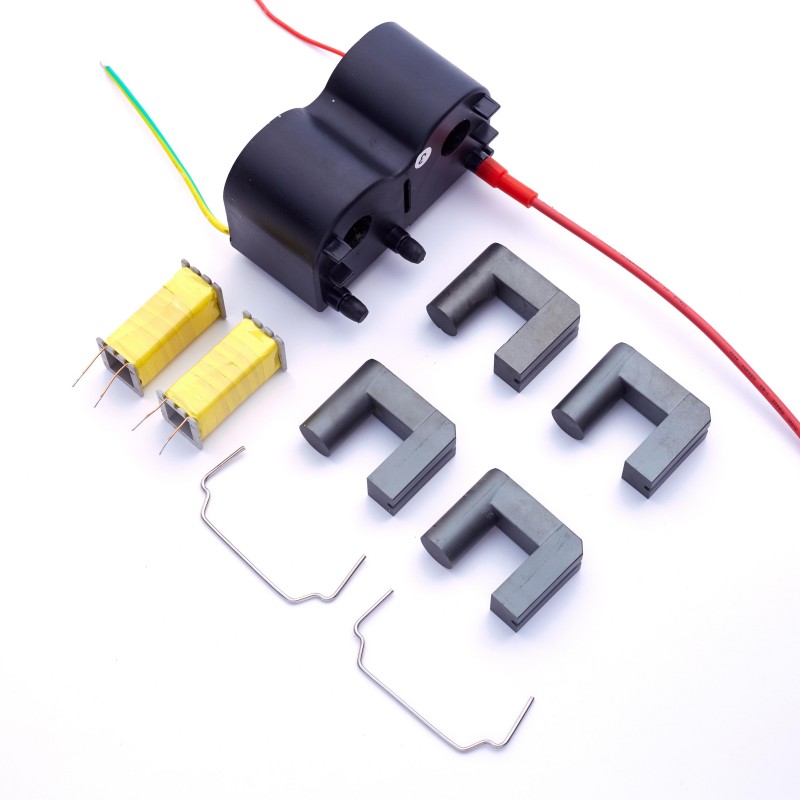
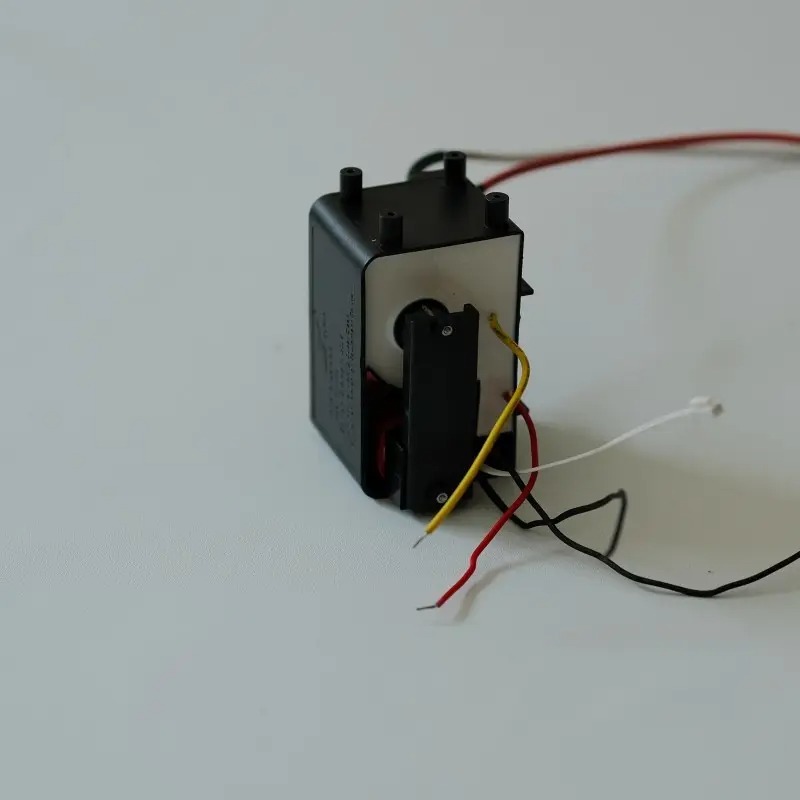
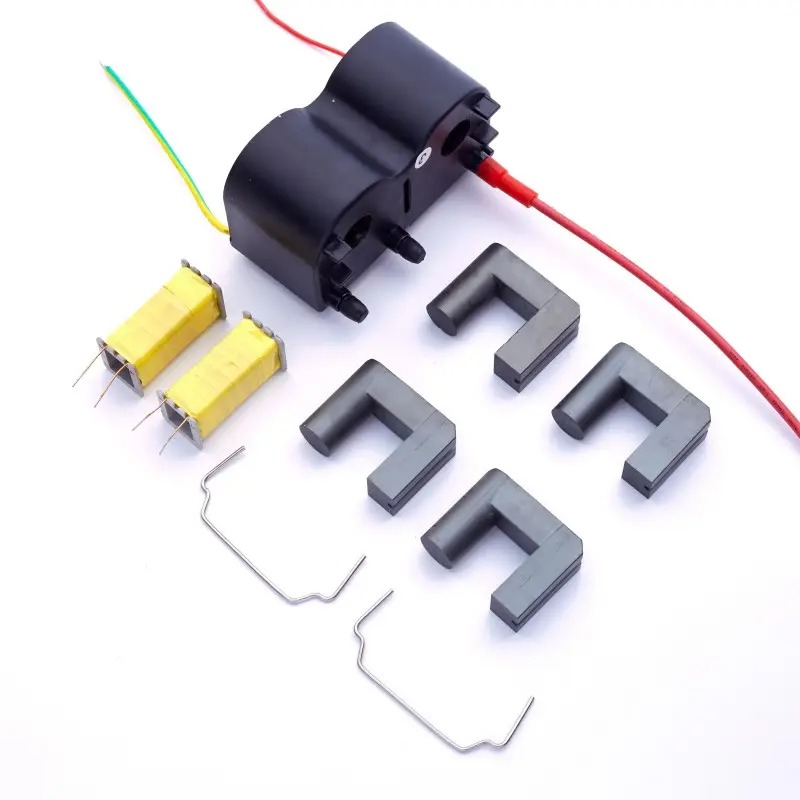
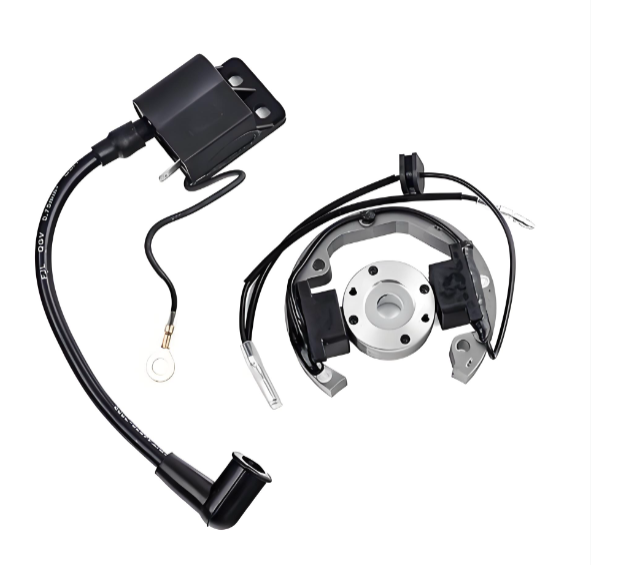
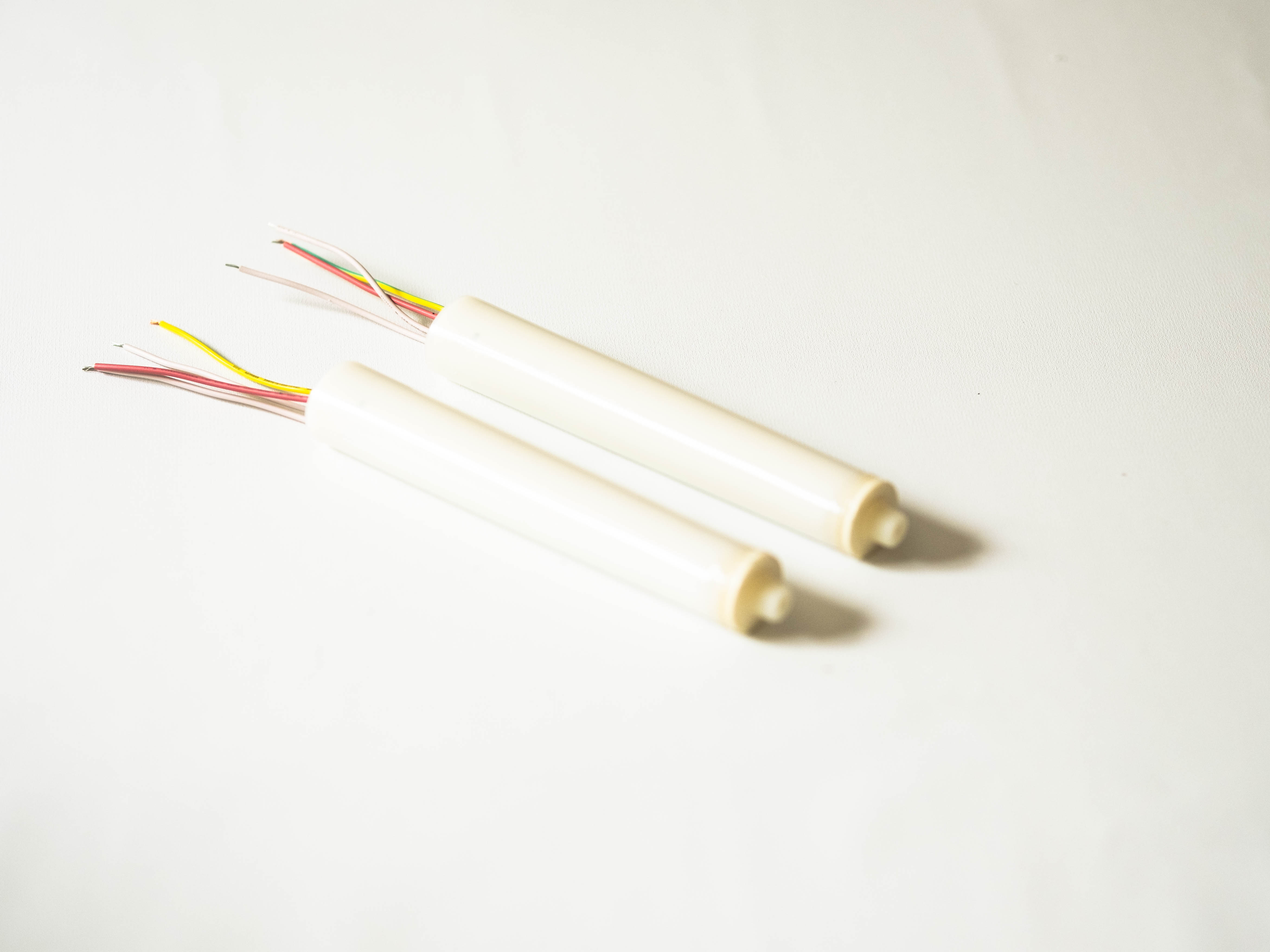
A high voltage arc module is a compact electronic unit that creates a controlled electrical arc for ignition, testing, switching, or other high energy applications. The high voltage arc module receives a low voltage input, raises it through an internal conversion circuit, and releases the stored energy through an insulated output path. This process gives equipment a dependable spark without requiring a large external power system. A high voltage arc module can support single pulse, repeated pulse, or timed operation, depending on its design and control method. Many models include a transformer, capacitor, driver circuit, trigger input, protective housing, and high voltage connector. The high voltage arc module may also include current limiting, thermal protection, short circuit protection, and status indicators to improve safe operation. A high voltage arc module can connect with a controller, sensor, relay, microprocessor, or manual switch. Its compact form helps designers place the high voltage arc module inside burners, laboratory instruments, sterilizers, plasma devices, and demonstration equipment. The high voltage arc module provides a repeatable arc when input power, timing, and output distance match its rated specifications. A high voltage arc module is available in different output ranges, pulse frequencies, insulation levels, and mounting formats. Before purchase, users should compare input voltage, output voltage, arc energy, duty cycle, connector style, operating temperature, and installation space. The right high voltage arc module simplifies system design, improves starting reliability, and supports consistent equipment performance. For demanding installations, choose a high voltage arc module with documented testing, stable components, clear wiring instructions, and suitable safety spacing.