
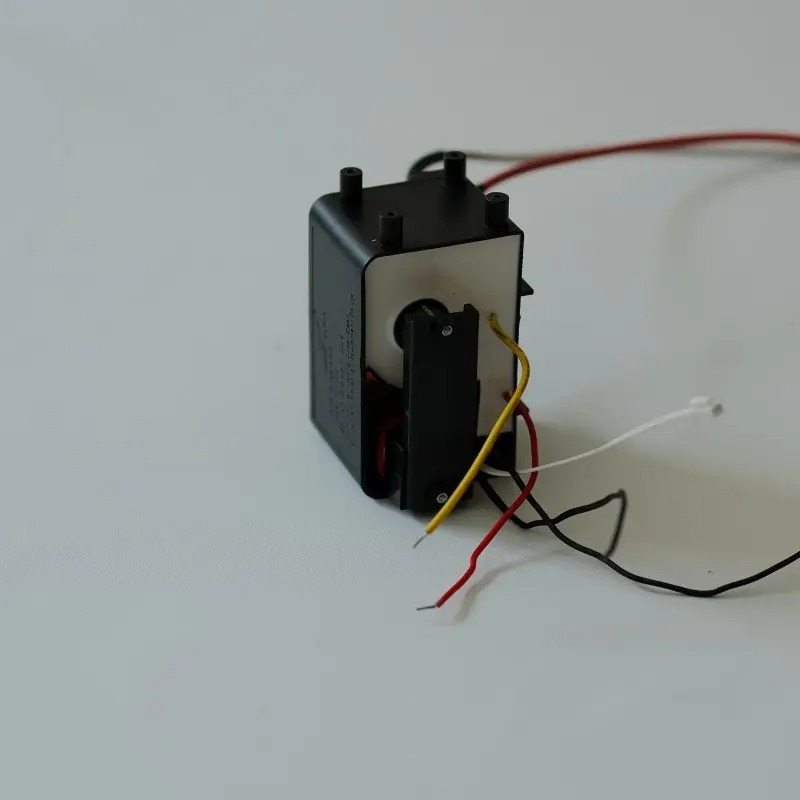
Big power transformers represent a critical investment for industrial facilities and utility companies seeking to optimize energy consumption and reduce operational costs. Understanding the energy-saving benefits of big power transformers is essential for decision-makers responsible for electrical infrastructure planning and maintenance. The efficiency gains delivered by modern big power transformers directly translate into measurable reductions in energy waste, lower utility bills, and improved environmental performance across manufacturing plants, data centers, and power distribution networks.
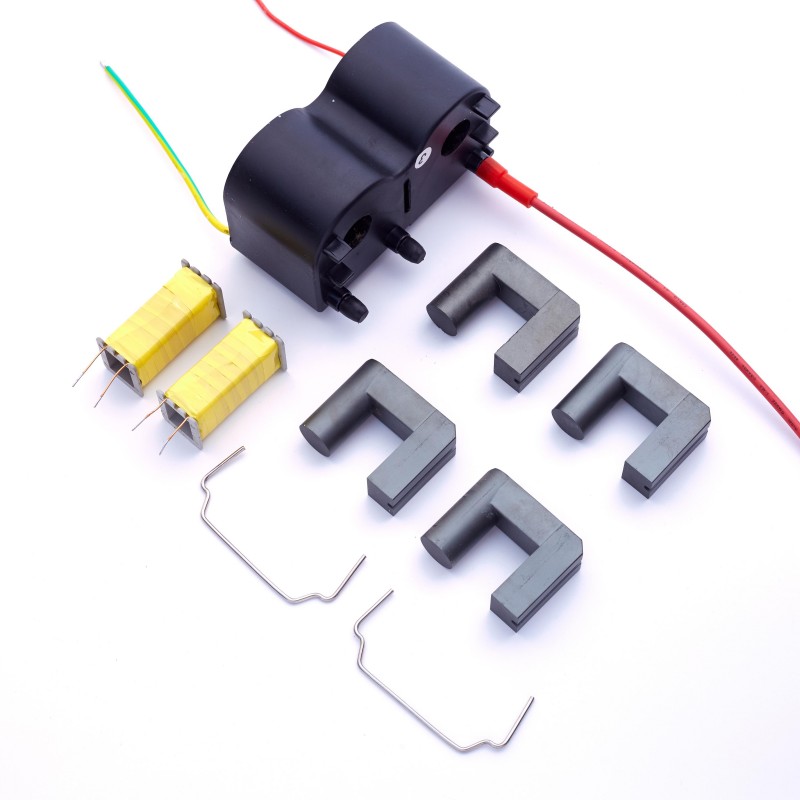
The energy-saving benefits of big power transformers stem from advanced core materials, improved winding designs, and precision manufacturing processes that minimize core losses and copper losses during electrical conversion. When properly sized and maintained, big power transformers can operate at efficiency levels exceeding 98.5 percent, dramatically reducing the amount of electrical energy dissipated as heat. This performance advantage becomes increasingly valuable as energy demand grows and organizations face mounting pressure to lower carbon footprints while maintaining reliable power delivery.
Efficiency Gains and Loss Reduction
Understanding Core and Copper Losses in Big Power Transformers
The primary source of energy loss in electrical systems occurs within the transformer itself, where big power transformers must convert voltage levels while maintaining power integrity. Core losses, also called iron losses, result from the magnetic properties of transformer steel and occur regardless of load conditions. Copper losses, also called resistive losses, vary with the square of the current flowing through transformer windings and represent energy converted to heat.
Modern big power transformers employ grain-oriented electrical steel in core construction to minimize magnetization losses and hysteresis effects. By reducing core losses through superior materials and lamination techniques, big power transformers significantly decrease the baseline energy waste that occurs even during light-load periods. The combination of advanced core steel and optimized winding geometry allows big power transformers to achieve dramatic improvements in overall system efficiency compared to older transformer technologies.
Load Optimization and Partial-Load Efficiency
Industrial operations rarely run equipment at full capacity continuously, meaning big power transformers often operate at partial loads where efficiency becomes particularly critical. Advanced big power transformers are specifically engineered to maintain high efficiency across a wider operating range, preventing dramatic efficiency drops during low-load conditions. This design philosophy ensures that big power transformers deliver consistent energy savings throughout the operational day, not just during peak demand periods.
The relationship between load factor and transformer efficiency demonstrates why selecting appropriately sized big power transformers matters significantly. Oversized big power transformers waste energy due to excessive core losses during light-load operation, while undersized transformers operate inefficiently under peak demand. Proper sizing of big power transformers, combined with load forecasting and capacity planning, ensures optimal efficiency across the full operational spectrum of industrial facilities.
Cost Reduction and Return on Investment
Calculating Lifetime Energy Savings
The financial benefits of investing in high-efficiency big power transformers extend across decades of operation, making the analysis of lifetime costs essential for infrastructure planning. Even a one-percent improvement in transformer efficiency translates into substantial annual energy savings in large industrial environments where big power transformers handle megawatts of continuous power flow. For a facility consuming one million kilowatt-hours annually through big power transformers, a one-percent efficiency gain represents approximately 10,000 kilowatt-hours of saved energy yearly.
Multiplying these annual savings across a 20 to 30-year transformer lifespan demonstrates why premium big power transformers often pay for their higher initial cost through operational savings alone. Many industrial organizations find that upgrading to high-efficiency big power transformers breaks even within five to eight years, after which all remaining savings contribute directly to improved profitability. The mathematics of energy efficiency make big power transformers a sound investment from both financial and environmental perspectives.
Reducing Peak Demand Charges
Beyond direct energy consumption savings, high-efficiency big power transformers help reduce peak demand charges that many utility companies impose on large industrial customers. When big power transformers minimize energy waste and operate at maximum efficiency, the overall facility electrical load decreases, potentially lowering peak demand registrations that determine monthly demand charges. This secondary benefit of big power transformers can sometimes exceed the direct energy savings, particularly for facilities with demand-responsive tariff structures.
Strategic deployment of big power transformers across multiple load centers allows facility managers to balance electrical demand more effectively and reduce system-wide peak demand exposure. By improving efficiency through big power transformers in distribution networks, organizations can defer expensive capacity upgrades and avoid penalty charges associated with exceeding contracted demand limits. The combined financial impact of energy savings and demand charge reductions makes high-efficiency big power transformers increasingly attractive to cost-conscious industrial operators.
Environmental Impact and Sustainability Performance
Reducing Carbon Emissions Through Transformer Efficiency
The environmental case for investing in energy-efficient big power transformers strengthens as power generation increasingly relies on renewable sources and utilities pursue carbon reduction targets. Every kilowatt-hour saved through efficient big power transformers represents one less unit of electricity that power plants must generate, directly reducing the carbon emissions associated with electrical production. For facilities powered by grid electricity with average carbon intensity, the environmental benefits of big power transformers compound significantly across the transformer lifespan.
Organizations committed to sustainability goals find that upgrading to high-efficiency big power transformers provides a measurable and verifiable contribution to carbon footprint reduction initiatives. Many industries now face regulatory pressure or voluntary commitments to reduce emissions, making the adoption of efficient big power transformers an essential component of environmental strategy. The positive correlation between transformer efficiency and carbon performance makes big power transformers valuable tools for organizations balancing operational costs with environmental responsibility.
Compliance with Efficiency Standards
Regulatory frameworks in many jurisdictions establish minimum efficiency standards for big power transformers, incentivizing the adoption of best-available technology in transformer procurement. These standards, often based on international specifications like IEC 60076 and IEEE C57.12.90, ensure that new big power transformers meet performance thresholds that benefit both operators and the broader electrical system. Selecting big power transformers that exceed minimum efficiency requirements positions organizations ahead of potential future regulatory tightening.
The evolution toward stricter efficiency standards reflects growing recognition that transformer energy losses represent significant untapped efficiency opportunities in industrial infrastructure. By choosing big power transformers designed to exceed current standards, organizations protect their investment against future compliance requirements and demonstrate commitment to best-practice energy management. Efficiency-leading big power transformers often qualify for utility rebates, tax incentives, or depreciation benefits that further enhance their financial attractiveness.
FAQ
How much energy can efficient big power transformers save annually?
Energy savings from efficient big power transformers depend on facility size, current transformer efficiency levels, and operational load profiles. A typical industrial facility with one megavolt-ampere of transformer capacity can expect annual energy savings of 5,000 to 15,000 kilowatt-hours when upgrading to premium-efficiency big power transformers, representing cost savings of $500 to $1,500 annually at average industrial electricity rates. Larger facilities with multiple big power transformers can achieve proportionally greater absolute savings, though the percentage improvement remains relatively consistent.
What factors determine the efficiency rating of big power transformers?
The efficiency of big power transformers depends primarily on core material quality, winding conductor specification, insulation system design, and manufacturing precision. Advanced grain-oriented electrical steel reduces core losses, while larger conductor cross-sections and optimized winding geometry minimize copper losses. The cooling system design, whether oil-cooled or air-cooled, also influences how effectively big power transformers dissipate waste heat and maintain optimal operating temperatures.
How long does it take for efficiency improvements to pay back the investment in new big power transformers?
The payback period for upgrading to high-efficiency big power transformers typically ranges from five to eight years for industrial applications, with significant variation based on current electricity rates, transformer utilization factor, and the efficiency gap between existing and new equipment. Facilities with high electricity costs, large transformer sizes, or existing inefficient transformers experience faster payback periods. Many organizations also benefit from utility rebates and tax incentives that accelerate payback timelines for efficient big power transformers.