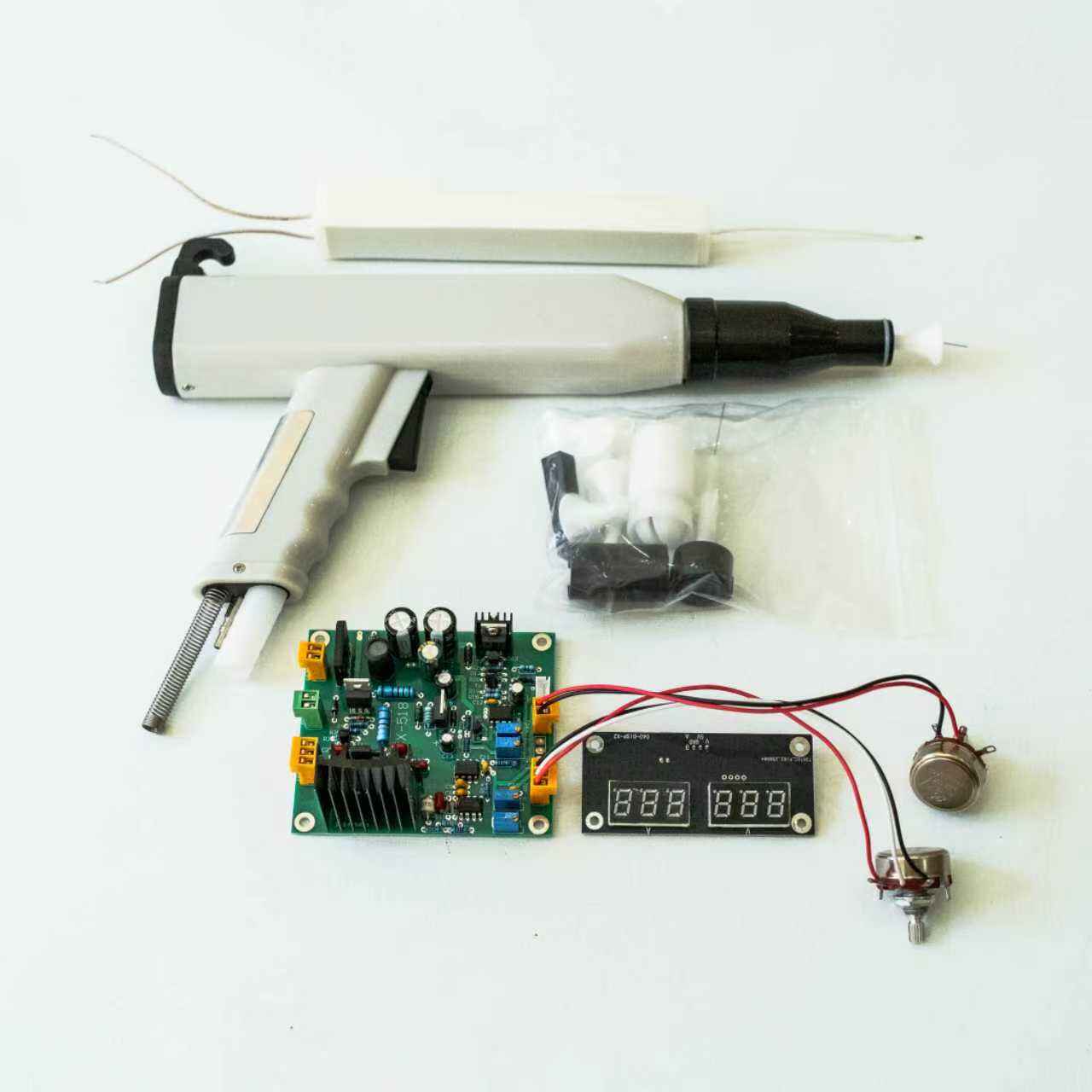
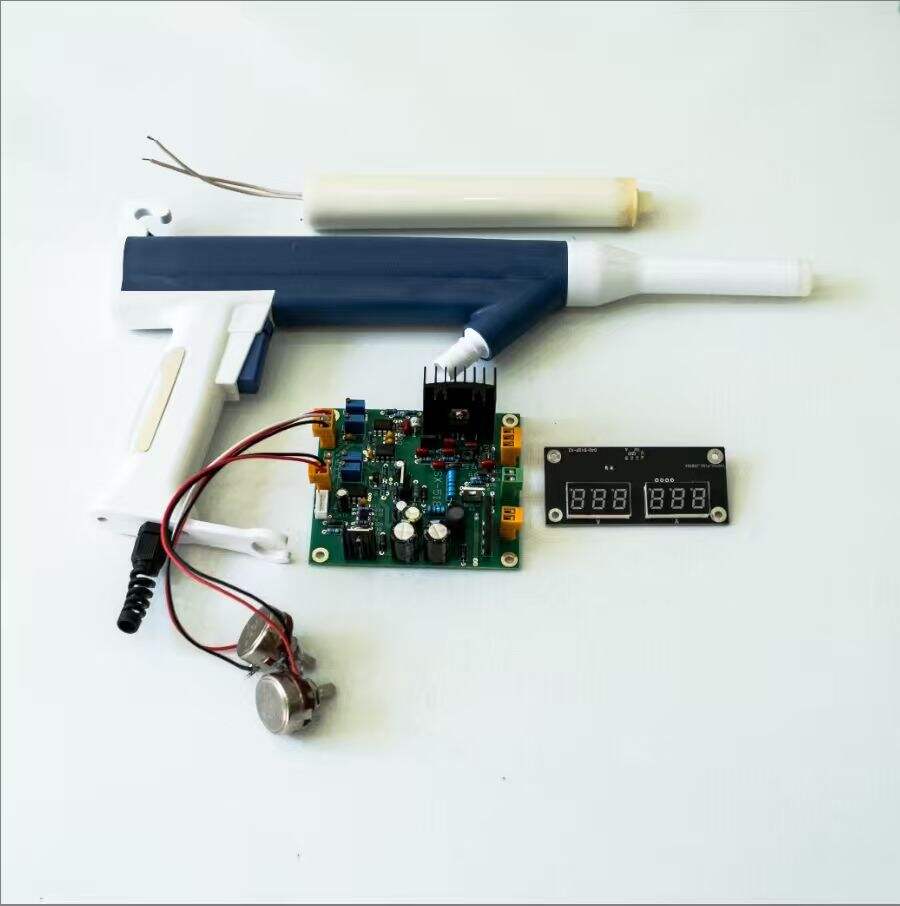
electrostatic spray system
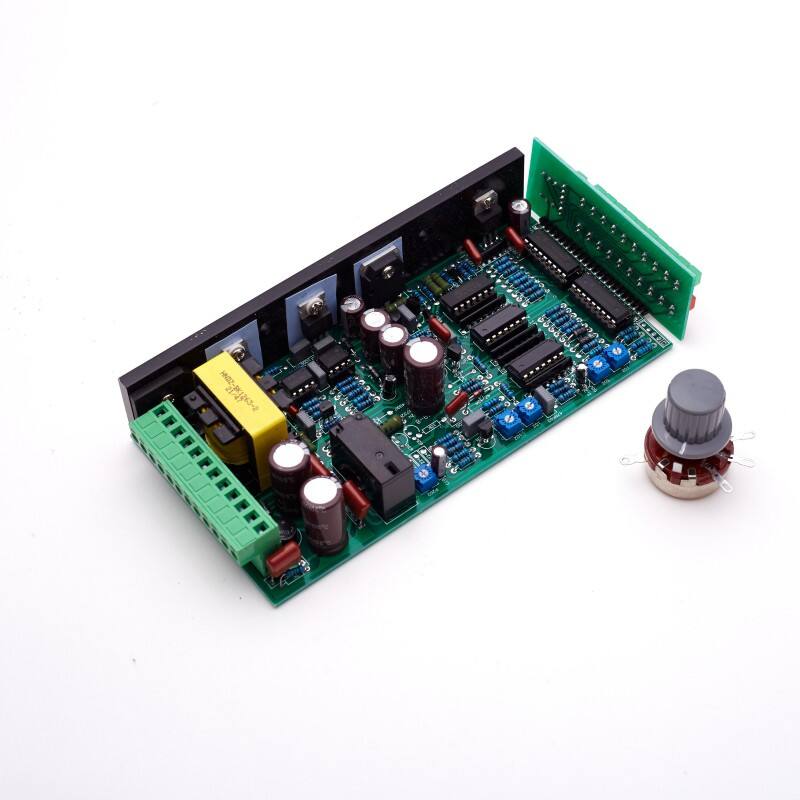
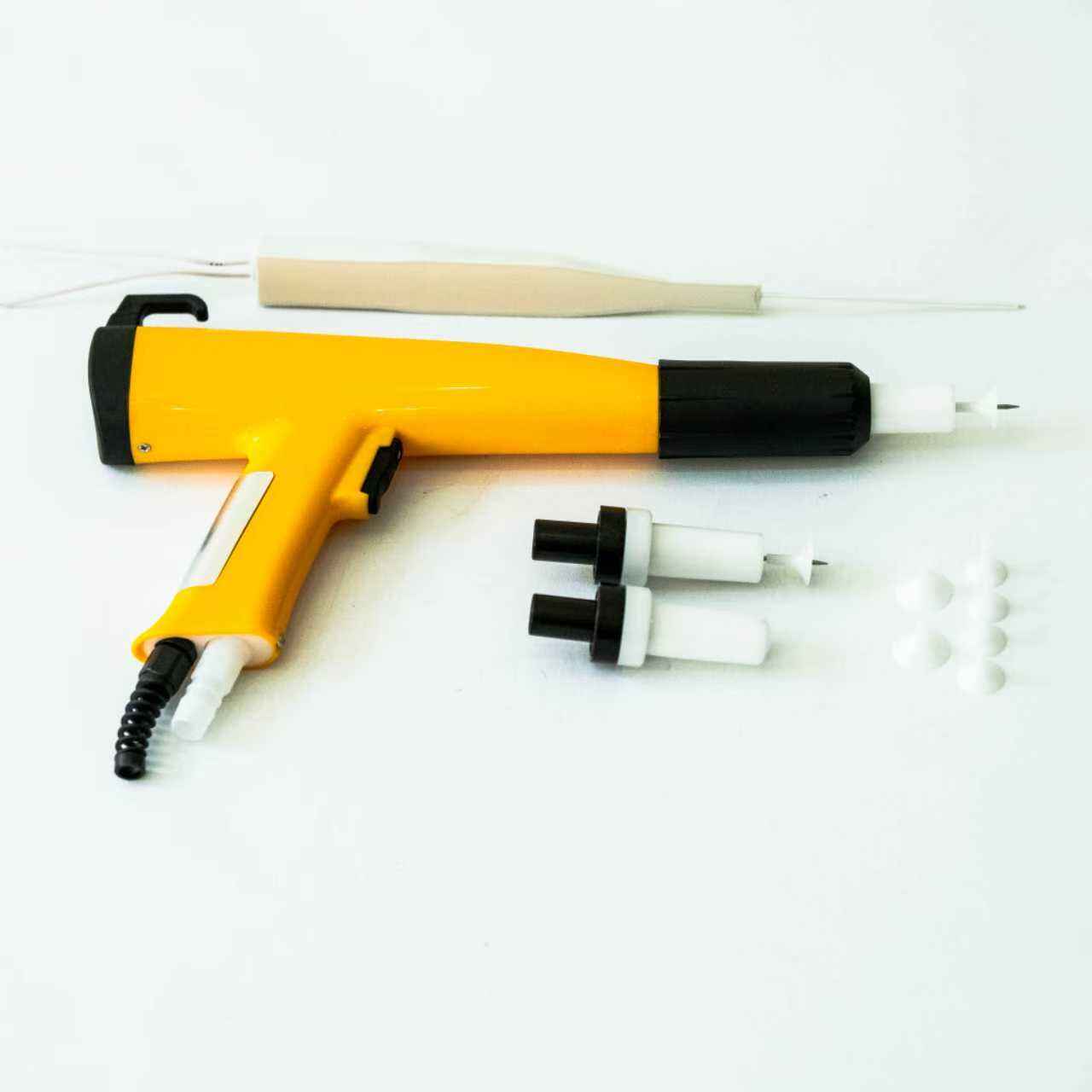
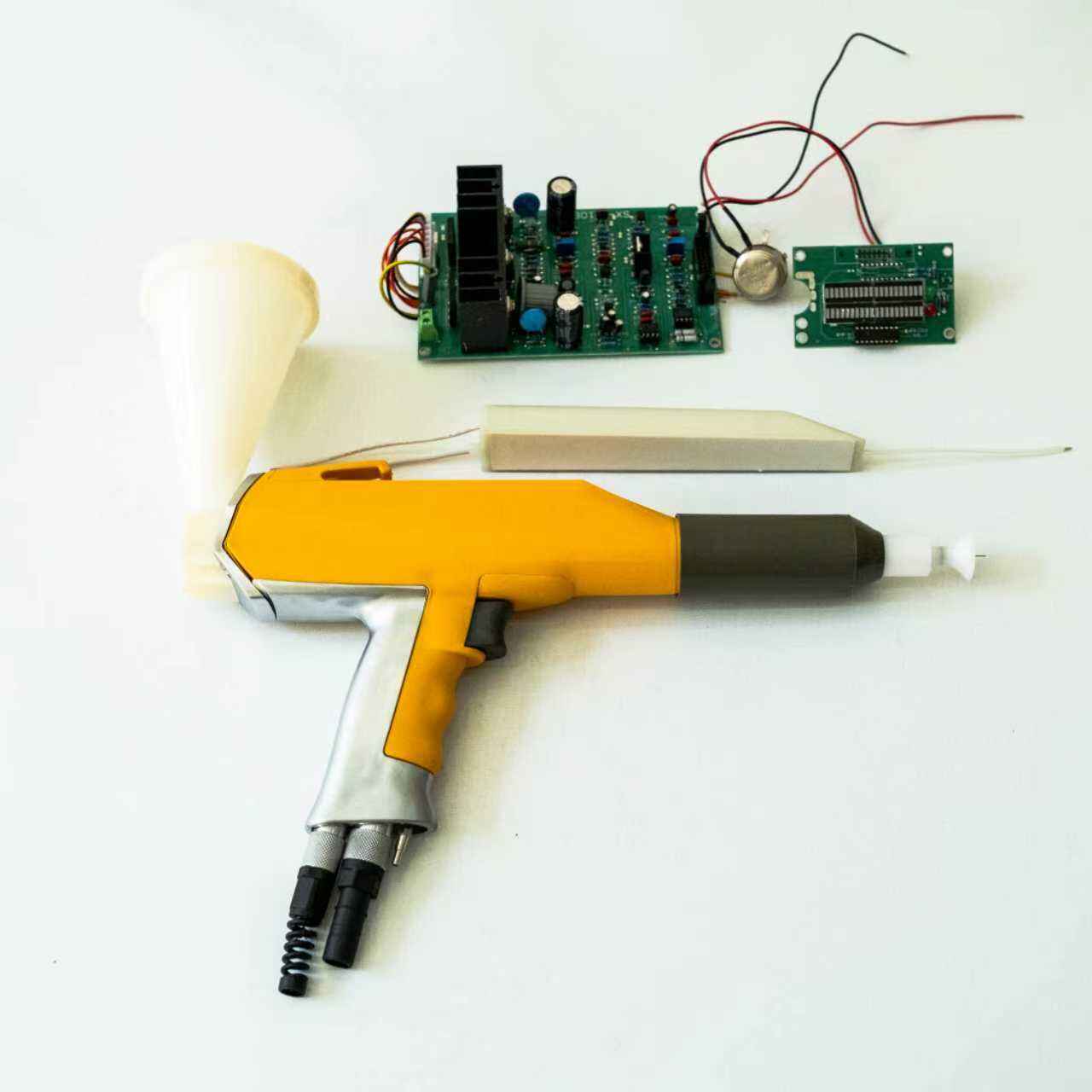
An electrostatic spray system represents a revolutionary coating technology that applies charged particles to surfaces with remarkable precision and efficiency. This advanced spraying method works by imparting an electrical charge to liquid droplets as they exit the nozzle, causing them to be naturally attracted to grounded surfaces. The core principle behind this electrostatic spray system involves creating an electrical field between the spray nozzle and the target object, ensuring that coating materials wrap around surfaces uniformly, reaching even hidden areas and complex geometries. The main functions of an electrostatic spray system include delivering superior coating coverage, minimizing material waste, and enhancing application speed across various industries. The technological features of this system encompass adjustable voltage controls that regulate particle charging, specialized nozzles designed for optimal atomization, and automated delivery mechanisms that maintain consistent flow rates. Modern electrostatic spray systems integrate sophisticated control panels that allow operators to fine-tune parameters such as spray pattern, droplet size, and electrostatic charge intensity. Applications for the electrostatic spray system span numerous sectors including automotive manufacturing, furniture production, agricultural crop protection, disinfection services, industrial equipment coating, and consumer product finishing. In manufacturing environments, this technology proves invaluable for applying paints, primers, powder coatings, and protective finishes to metal components, plastic parts, and wooden surfaces. The healthcare and sanitation industries have increasingly adopted the electrostatic spray system for applying disinfectants to large areas quickly and thoroughly. Agriculture professionals utilize these systems for pesticide and fertilizer application, ensuring crops receive even treatment while reducing chemical consumption. The versatility of an electrostatic spray system makes it suitable for both large-scale industrial operations and smaller commercial applications, with models available in stationary, handheld, and robotic configurations to meet diverse operational requirements.