
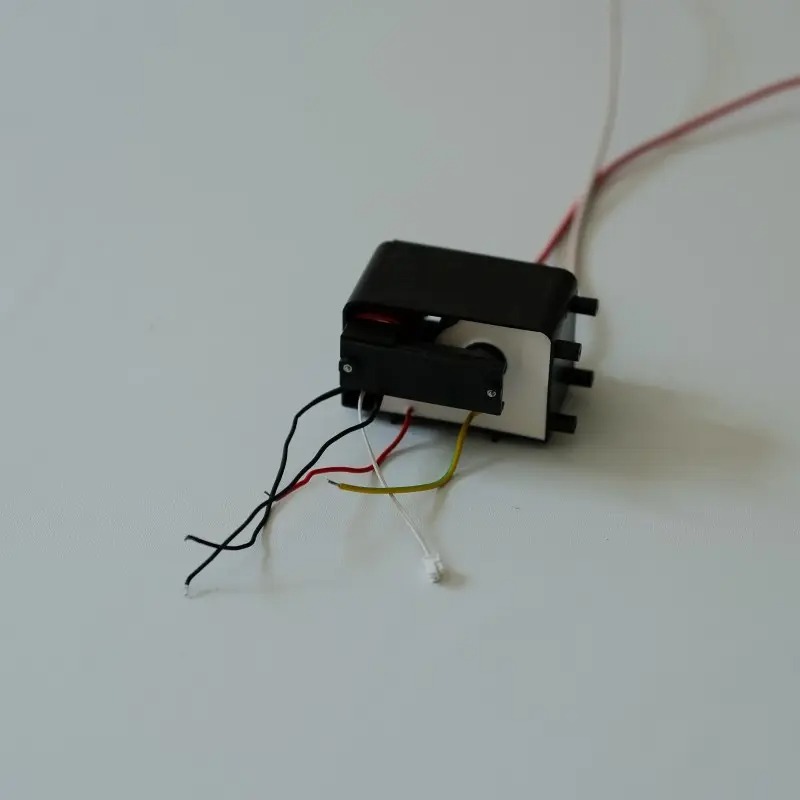
Choosing the correct high voltage module for your system is one of the most critical decisions in electrical design and industrial deployment. A poorly selected high voltage module can compromise system reliability, reduce operational efficiency, and create safety hazards that may prove costly to remediate. The right high voltage module, conversely, ensures stable power delivery, protects downstream components, and extends the overall lifespan of your equipment. This selection process demands careful attention to electrical specifications, application requirements, thermal characteristics, and long-term performance expectations.
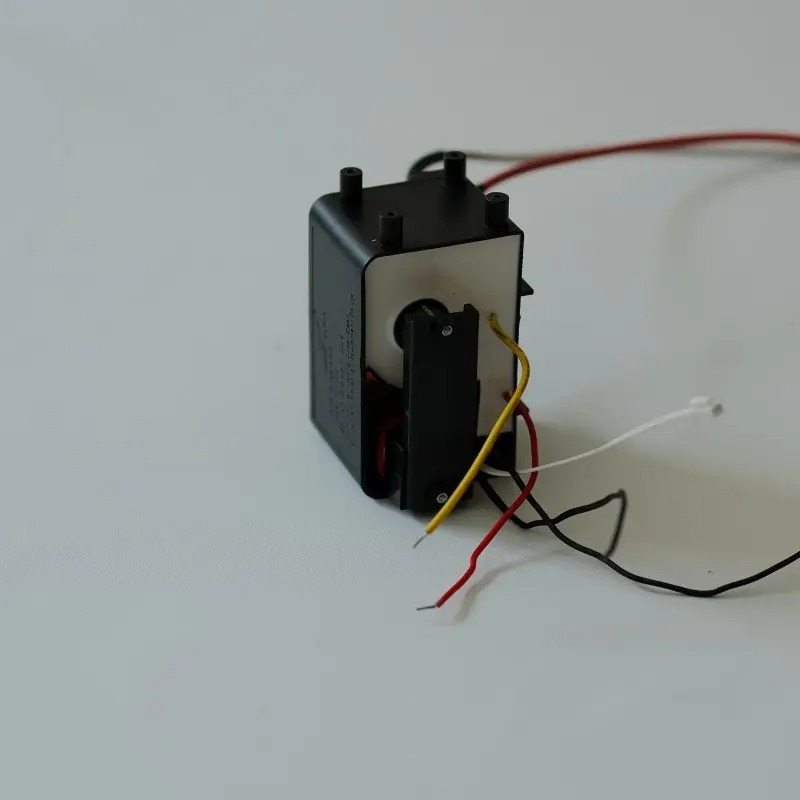
Industrial systems, laboratory equipment, medical devices, and specialized manufacturing applications all depend on precise voltage transformation and regulation. A high voltage module forms the backbone of these systems, converting input power to required output levels while maintaining voltage stability and protecting against transient surges. Understanding how to evaluate and select the appropriate high voltage module directly impacts your system's uptime, safety compliance, and cost-effectiveness over its operational lifetime.
Understanding Core Specifications and Electrical Requirements
Input and Output Voltage Parameters
The foundation of any high voltage module selection begins with clearly defining your input and output voltage requirements. A high voltage module must match your power source characteristics, whether that is single-phase or three-phase alternating current at standard industrial frequencies. Your output voltage specification determines the voltage level needed by downstream applications, and this must align precisely with component ratings and system design parameters. Exceeding rated voltage can destroy sensitive electronics, while insufficient voltage results in inadequate performance and equipment malfunction. A high voltage module rated for 120V input with 5kV output, for example, cannot be substituted with one designed for 240V input, even if both purport to deliver similar output levels.
Power and Current Capacity Considerations
Power rating expressed in watts or kilowatts indicates the maximum sustained power a high voltage module can deliver without exceeding safe thermal limits. The current capacity of a high voltage module is typically specified on the secondary side, where high voltage output currents are often quite small. Calculating the peak and continuous power demands of your application ensures you select a high voltage module with sufficient headroom for normal operation plus transient load spikes. Underestimating this requirement forces a high voltage module to operate at its thermal limits continuously, accelerating component degradation and reducing service life. Oversizing your high voltage module adds cost but improves reliability and provides margin for future system expansion or unforeseen load variations.
Evaluating Thermal Performance and Cooling Requirements
Heat Dissipation and Temperature Rise
Every high voltage module generates heat during normal operation due to resistive losses in copper windings and iron cores. The temperature rise of a high voltage module is typically specified in degrees Celsius above ambient conditions at rated load. Understanding how your environment's ambient temperature affects high voltage module performance is essential; a high voltage module rated for 50 degree Celsius temperature rise in a 40 degree Celsius room operates at 90 degrees Celsius, well within typical limits. However, that same high voltage module in a 60 degree Celsius industrial environment reaches 110 degrees Celsius, potentially triggering protective shutdowns or insulation degradation. Forced-air cooling, liquid cooling, or thermal management systems may be necessary for high voltage module installations in high-temperature environments or applications requiring continuous full-load operation.
Enclosure Type and Environmental Protection
The physical enclosure of a high voltage module determines its resilience to dust, moisture, vibration, and other environmental stressors. Industrial-grade high voltage module enclosures rated IP65 or higher withstand spray, dust ingress, and moderate impacts, making them suitable for factory floors and outdoor installations. Laboratory and cleanroom applications often require a high voltage module with sealed enclosures to prevent contamination of sensitive environments. A high voltage module designed for laboratory benchtop use lacks the robust shielding needed for a vibration-intensive manufacturing environment, and vice versa. Selecting the appropriate environmental protection rating ensures your high voltage module maintains performance specifications throughout its intended service life without premature failure or safety incidents.
Integration, Safety Features, and Regulatory Compliance
Protection Mechanisms and Fault Tolerance
Modern high voltage module designs incorporate multiple layers of protection against overcurrent, overvoltage, thermal runaway, and short-circuit conditions. A robust high voltage module includes fuses or circuit breakers on the primary side to interrupt excessive input current, protecting the module from damage and fire risk. Secondary-side protection in a high voltage module may consist of current-limiting resistors, zener diodes for overvoltage clamping, or active feedback circuits that reduce output when detecting fault conditions. These protective features in a high voltage module are not optional luxuries; they are essential safeguards that prevent cascade failures and potential injury to personnel. When evaluating candidate high voltage module options, carefully review the protection specifications and confirm they address credible fault scenarios in your application.
Certification, Standards, and Compliance
A high voltage module intended for commercial, industrial, or medical use must comply with relevant regulatory standards that govern electrical safety, electromagnetic compatibility, and operational reliability. Common certifications for a high voltage module include UL 544 for high-voltage transformers, IEC 61010 for measurement and laboratory equipment, and ISO 9001 for manufacturing quality assurance. Selecting a high voltage module from manufacturers who actively pursue and maintain these certifications reduces your liability exposure and ensures your system meets regulatory inspection requirements. A high voltage module without proper certification may save initial acquisition cost but introduces legal and safety risks that far outweigh any short-term savings. Request certification documentation and test reports before committing to a high voltage module purchase for safety-critical or regulated applications.
Practical Implementation and Performance Validation
Load Testing and Performance Verification
Before fully integrating a new high voltage module into production operations, conduct systematic load testing under representative operating conditions. A high voltage module should be brought up gradually from no-load to full-load conditions, monitoring input current, output voltage stability, and temperature rise throughout the test. Document baseline performance metrics for your high voltage module so you can detect performance degradation during long-term service. Many high voltage module failures result from application of conditions that exceed design parameters, so testing validates that your selection truly matches operational demands. If your high voltage module exhibits unexpected voltage sag, thermal runaway, or performance drift during testing, investigate the root cause before deployment rather than risk in-service failure and production interruption.
Maintenance, Lifespan, and Obsolescence Planning
A properly selected and installed high voltage module typically operates reliably for ten to twenty years, but specific lifespan depends on duty cycle, thermal management, and environmental stressors. Regular inspection of your high voltage module for signs of discoloration, unusual odors, or loose connections helps detect incipient failures before they manifest as complete loss of function. When selecting a high voltage module for critical systems, consider the manufacturer's track record for long-term component availability and spare parts inventory. Obsolescence of a high voltage module design can leave you unable to source replacements for repairs, potentially forcing expensive redesign of dependent systems. Establishing a proactive replacement schedule for aging high voltage module units prevents emergency failures and associated downtime costs.
FAQ
What distinguishes a high voltage module from a standard power supply?
A high voltage module is engineered specifically to generate and stabilize voltages in the kilovolt range, with heavy insulation between primary and secondary windings to contain electrical stress safely. Standard power supplies typically operate in the sub-kilovolt range and lack the specialized insulation and protective architecture found in a high voltage module. The design philosophy, component selection, and safety features of a high voltage module differ fundamentally from consumer or industrial low-voltage power supplies, making direct substitution impossible and unsafe.
Can I use a higher-rated high voltage module in place of my specified model?
Oversizing your high voltage module by one or two power rating steps is generally acceptable and may improve reliability by reducing stress on components. However, a high voltage module with significantly higher power rating than required introduces unnecessary cost and may occupy more physical space than available in your enclosure. A high voltage module also operates at lower efficiency when substantially underloaded, wasting energy and generating unnecessary heat. Match your high voltage module selection as closely as practical to actual load requirements rather than defaulting to the largest available option.
How do I ensure a high voltage module will be compatible with future system upgrades?
Select a high voltage module from a manufacturer with a strong market presence, established supply chain, and history of maintaining compatible product lines across multiple generations. Specify a high voltage module with input and output parameters that align with industry standards rather than proprietary configurations. Document the exact model, specifications, and procurement source of your high voltage module so replacement units can be sourced reliably years after initial purchase. Building modularity and future-proofing into your high voltage module selection strategy protects your investment and simplifies long-term system maintenance and evolution.