
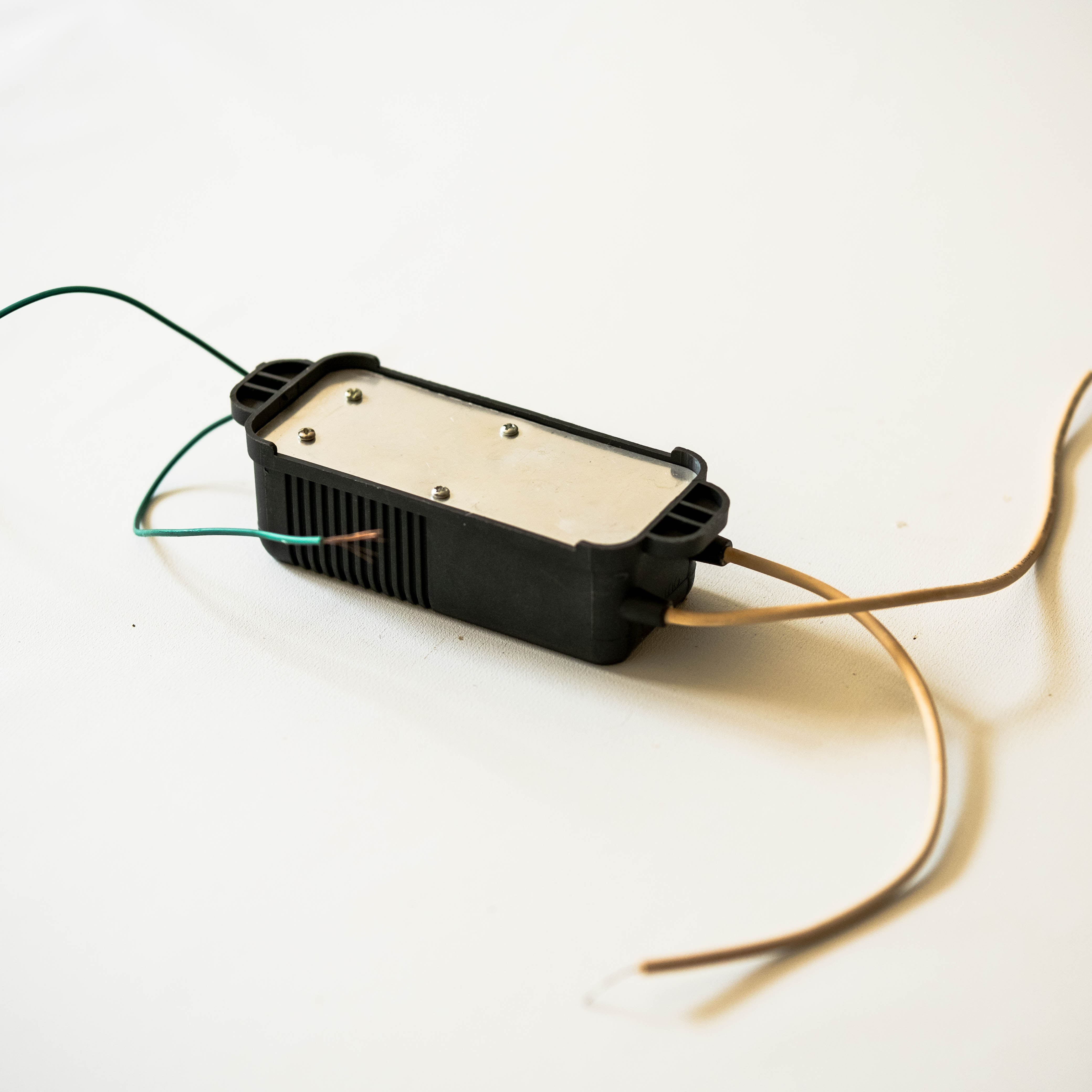
Selecting the right big ozone generator for industrial applications requires careful evaluation of multiple technical and operational factors. A big ozone generator paired with a high voltage transformer represents a critical investment for facilities relying on advanced oxidation processes, water treatment, air purification, and specialized manufacturing operations. The performance, reliability, and longevity of your equipment depend entirely on making an informed choice that aligns with your facility's unique demands, power infrastructure, and production goals.
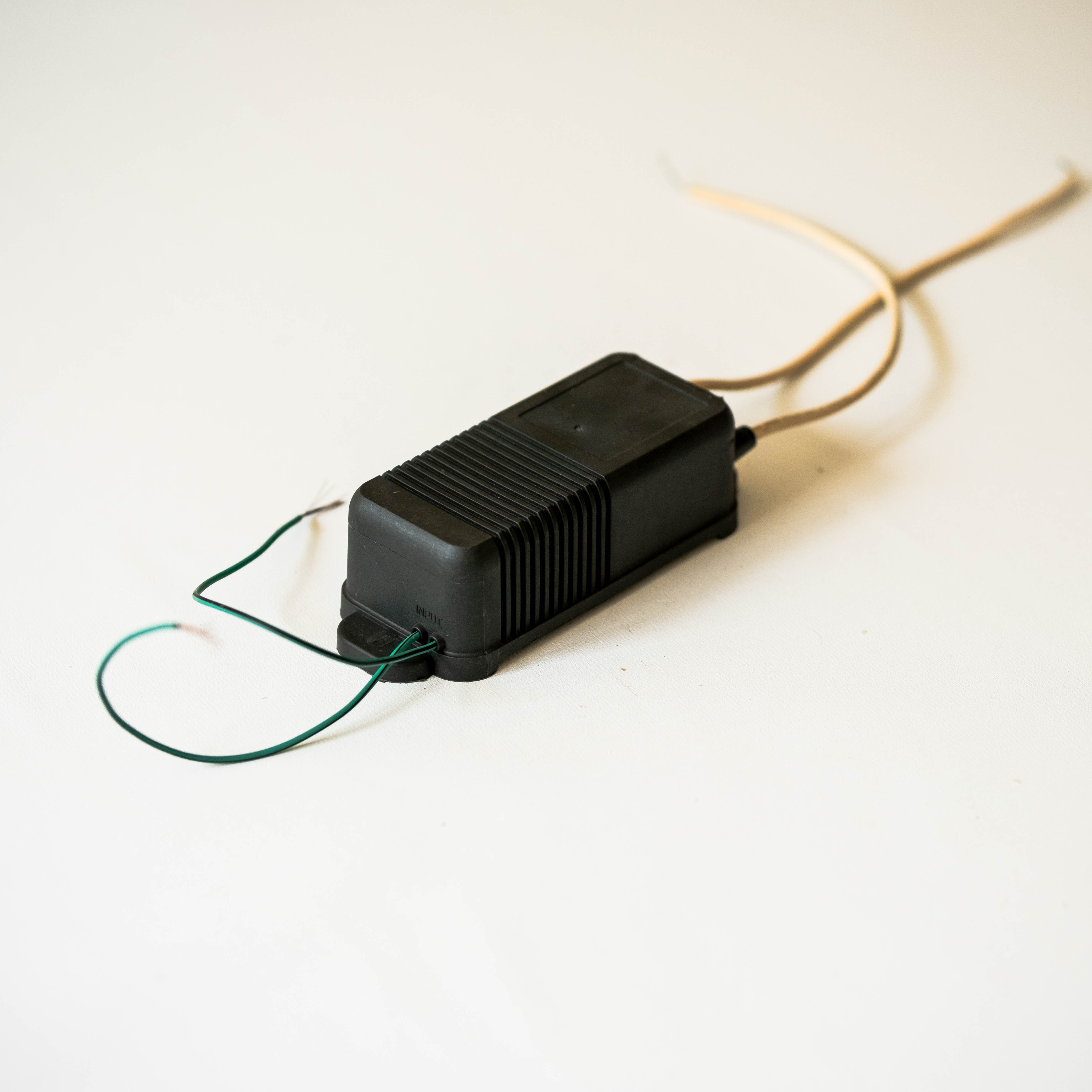
Industrial environments demand equipment that combines durability with precision performance. A big ozone generator operates through a complex interplay of electrical transformation and gas ionization, making the underlying high voltage transformer an inseparable component of system success. Understanding how to evaluate these systems holistically ensures that your facility avoids costly downtime, maintains regulatory compliance, and achieves optimal efficiency across ozone production cycles.
Understanding Power Requirements and Capacity Evaluation
Assessing Your Facility's Ozone Demand
The first step in choosing a big ozone generator involves accurately calculating your facility's ozone production requirements. Industrial applications vary dramatically in scope, from small-scale water treatment to large-scale manufacturing processes requiring continuous ozone generation. A big ozone generator must be sized appropriately to meet peak demand without constant operation at maximum capacity, which degrades equipment lifespan and increases energy costs unnecessarily.
Your ozone demand depends on treatment volume, desired concentration levels, and processing speed. Undersizing a big ozone generator forces the equipment to operate at near-maximum capacity continuously, leading to accelerated wear and thermal stress. Oversizing creates inefficiency and wasted energy expenditure. Proper sizing balances operational flexibility with energy economy, ensuring your big ozone generator performs reliably throughout its service life.
Power Supply Compatibility and Transformer Specifications
The high voltage transformer supporting your big ozone generator must match your facility's electrical infrastructure precisely. Industrial facilities operate on varied power systems—single-phase or three-phase configurations, different voltage levels, and varying frequency standards. A big ozone generator requires a transformer rated for your specific power supply to function safely and efficiently.
Transformer output voltage directly affects ozone production efficiency and system stability. A properly specified high voltage transformer ensures your big ozone generator achieves optimal ionization conditions without electrical instability or safety hazards. Mismatched transformer specifications can cause performance degradation, increased energy consumption, and potential equipment damage.
Technical Performance Specifications and Efficiency Considerations
Evaluating Ozone Output and Concentration Levels
Industrial-grade big ozone generators produce ozone at measured output rates and concentration levels, typically expressed in grams per hour and percentage by weight. Your selection must match these specifications to your actual treatment requirements. A big ozone generator producing excess ozone wastes energy and operational resources, while insufficient production fails to meet treatment objectives.
Concentration levels in a big ozone generator influence treatment effectiveness and downstream system requirements. Higher concentration output from a big ozone generator reduces the volume of gas needed for treatment but demands more robust equipment and stricter safety protocols. Evaluating concentration specifications ensures your big ozone generator balances treatment effectiveness with operational safety and cost-efficiency.
Electrical Efficiency and Heat Management
Modern big ozone generator systems vary significantly in electrical efficiency, with superior designs converting input power to ozone output more effectively than older technologies. The high voltage transformer supporting your big ozone generator should incorporate advanced components that minimize electrical losses during voltage transformation. Efficiency gains reduce operational costs, decrease cooling requirements, and extend equipment lifespan.
Heat generation represents a major challenge in big ozone generator operation, as electrical transformers and ionization processes generate substantial thermal energy. Your big ozone generator selection should include adequate cooling capacity—whether through air circulation, water cooling, or hybrid systems. Proper thermal management prevents performance degradation and maintains consistent ozone output throughout extended operating periods.
Reliability, Safety Features, and Long-Term Operational Considerations
Protective Systems and Safety Integration
A well-designed big ozone generator incorporates multiple protective systems safeguarding equipment and facility personnel. Your big ozone generator should include high-voltage disconnect switches, current limiting devices, thermal overload protection, and emergency shutdown systems. These features prevent catastrophic failures and ensure your big ozone generator operates safely within designed parameters.
The high voltage transformer within your big ozone generator system must include surge protection, insulation monitoring, and fault detection capabilities. These safety integrations prevent sudden equipment failures and alert operators to developing problems before critical damage occurs. When selecting a big ozone generator, verify that all protective systems meet industrial standards and regulatory requirements for your specific application industry.
Maintenance Requirements and Component Durability
Different big ozone generator designs have varying maintenance demands and component replacement cycles. Your big ozone generator selection should prioritize models with readily available replacement parts, straightforward maintenance procedures, and well-documented service protocols. Facility maintenance staff should receive adequate training on your big ozone generator system before deployment.
The high voltage transformer in your big ozone generator represents one of the most expensive components and typically has the longest lifespan when properly maintained. Regular inspection, coolant level monitoring, and electrical testing extend transformer life significantly. When evaluating big ozone generator options, consider manufacturer support, warranty coverage, and long-term parts availability to minimize total cost of ownership.
FAQ
What factors most influence big ozone generator selection?
The most critical factors include your facility's actual ozone demand, available electrical power specifications, treatment application requirements, space constraints, cooling capacity, and budget parameters. A big ozone generator must be appropriately sized—neither undersized nor oversized—to deliver optimal performance. Your big ozone generator should match your electrical infrastructure precisely to ensure safe, efficient operation and regulatory compliance.
How does the high voltage transformer affect big ozone generator performance?
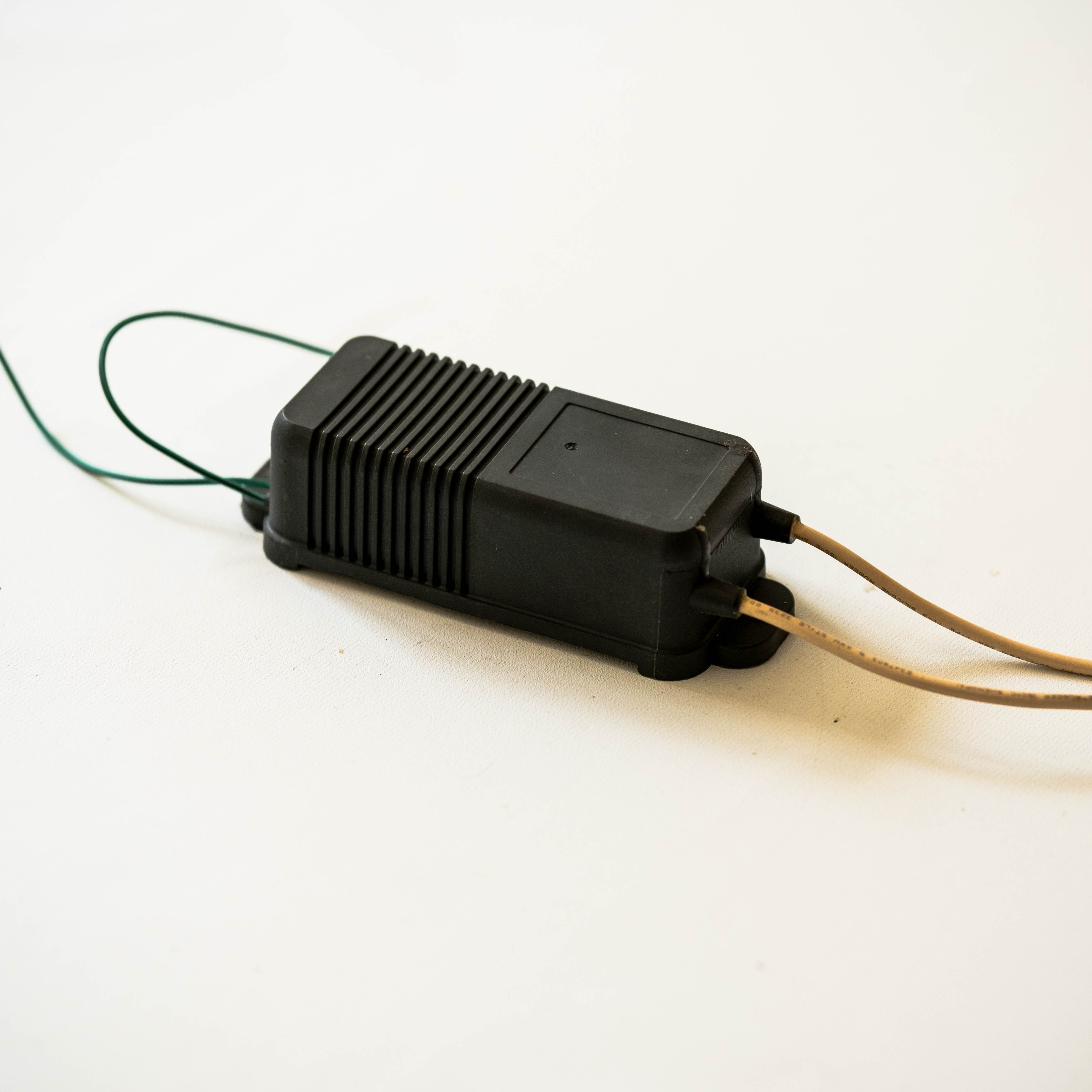
The high voltage transformer is fundamental to big ozone generator operation, converting input power to the high-voltage output required for ozone ionization. Transformer efficiency directly impacts your big ozone generator's energy consumption and operating costs. A properly specified and maintained transformer ensures your big ozone generator produces consistent ozone output, maintains electrical stability, and operates within safe parameters throughout its service life.
What maintenance schedule should I follow for a big ozone generator?
A comprehensive maintenance program for your big ozone generator includes regular visual inspection, coolant monitoring, electrical testing, and component verification according to manufacturer guidelines. Most big ozone generator systems require quarterly or semi-annual service intervals, with detailed inspections annually. Proper maintenance extends your big ozone generator lifespan, prevents unexpected failures, and ensures consistent compliance with performance specifications.