Chemical-Free Sanitization That Protects Health and Safety
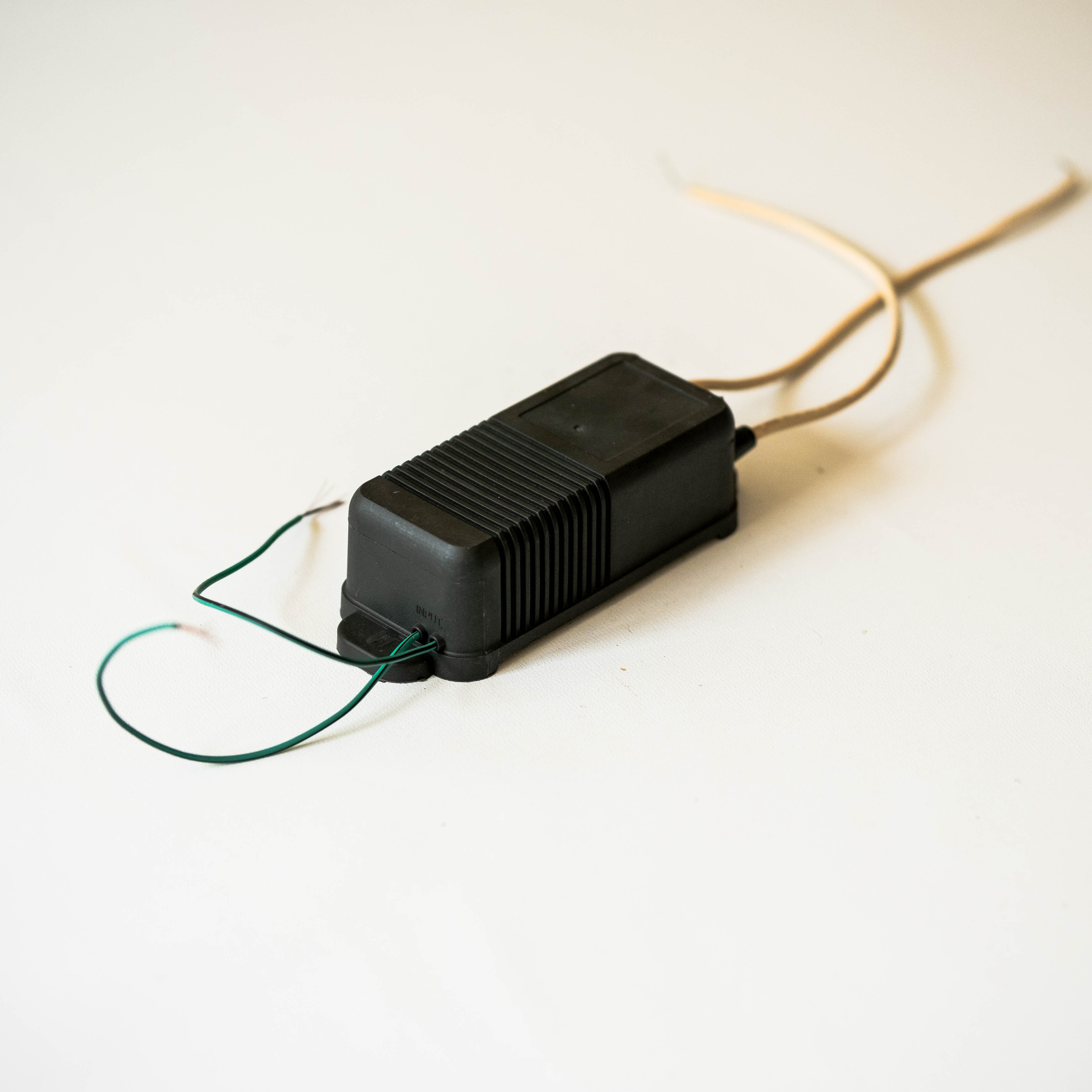
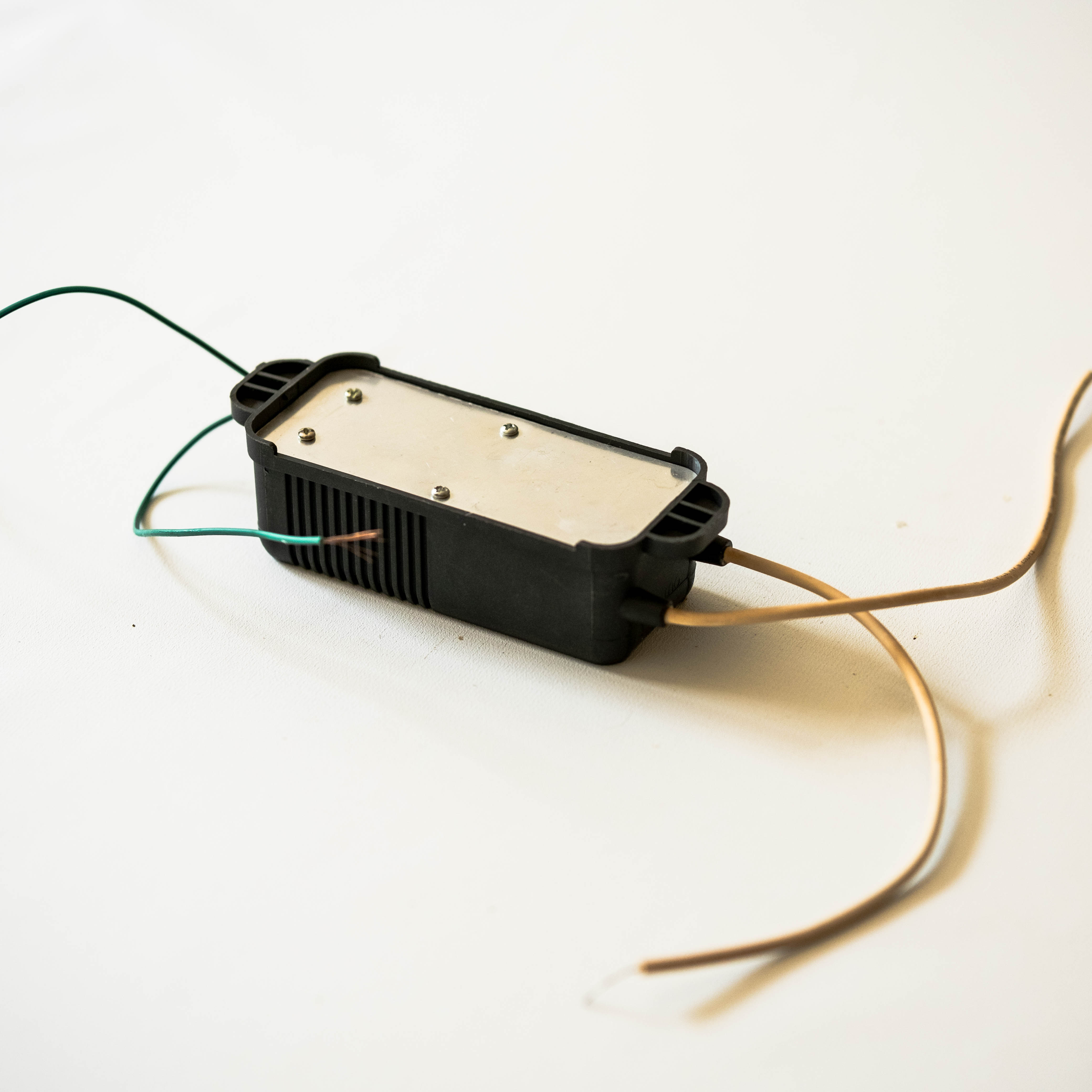
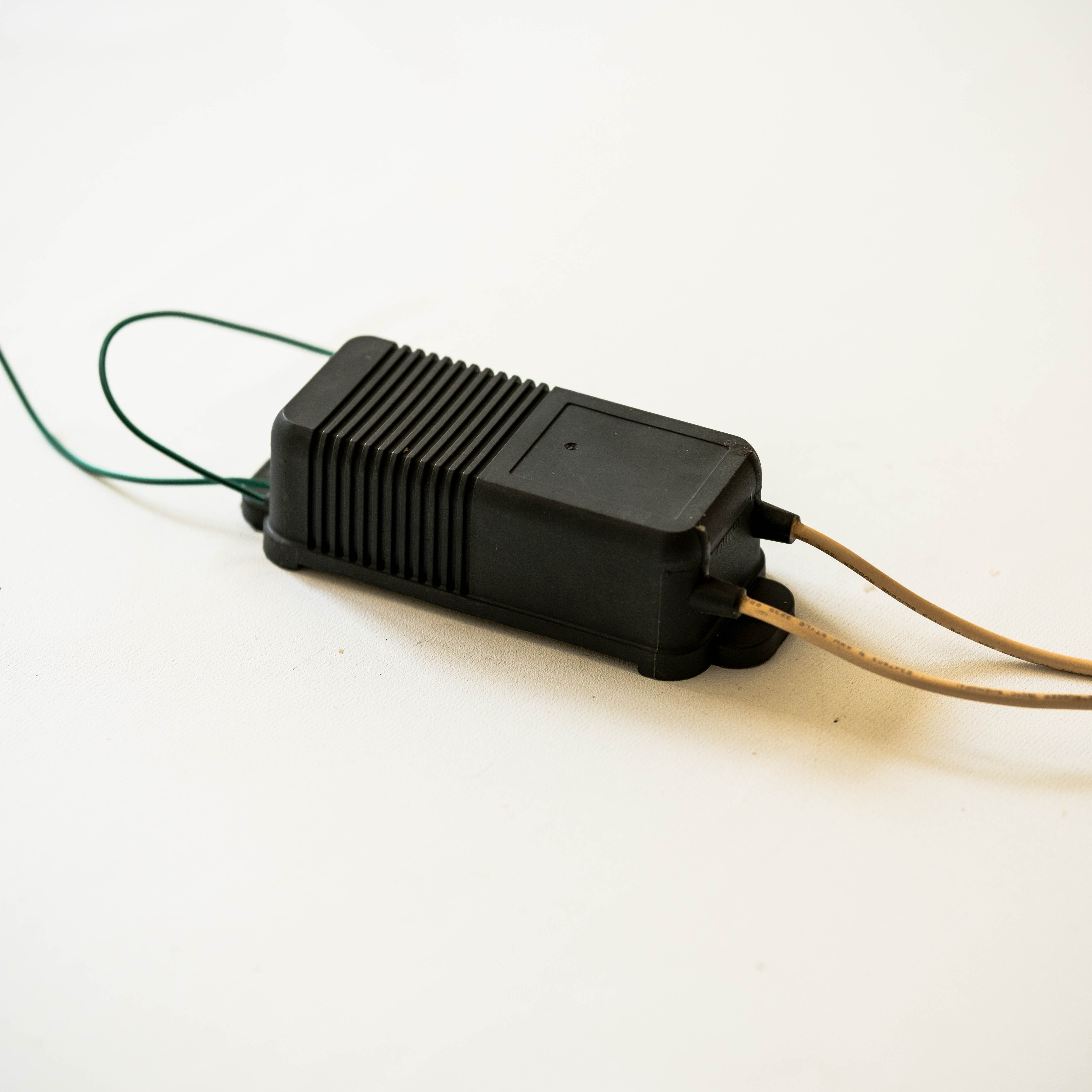
The aqueous ozone generator revolutionizes cleaning practices by delivering powerful sanitization without introducing any chemicals into your environment, addressing fundamental health concerns that plague traditional cleaning methods. This technology proves especially valuable for settings where chemical sensitivity presents ongoing challenges, such as schools, daycare centers, healthcare facilities, and homes with family members who suffer from allergies or respiratory conditions. Unlike conventional cleaners that contain harsh ingredients like bleach, ammonia, quaternary compounds, or phenols, the aqueous ozone generator uses only water and electricity to create its sanitizing power, ensuring that no toxic substances contact your skin, enter your lungs, or remain on surfaces after cleaning. Parents gain peace of mind knowing their children can safely touch freshly cleaned counters, tables, and toys without exposure to chemical residues that might cause skin irritation or accidental poisoning if transferred to mouths. Food service operators benefit tremendously from this chemical-free approach, as they can sanitize food preparation surfaces, wash fruits and vegetables, and clean equipment without any risk of chemical contamination that might alter food taste or compromise food safety. The absence of chemicals also means no safety data sheets to manage, no special handling procedures to follow, no protective equipment requirements for staff, and no hazardous waste disposal concerns that add complexity and cost to operations. Healthcare facilities particularly value the aqueous ozone generator because it sanitizes effectively without leaving residues that might interfere with medical procedures or cause adverse reactions in patients with compromised immune systems or chemical sensitivities. The natural decomposition of ozone back into oxygen means that even in enclosed spaces, the air quality remains healthy and breathable, unlike areas where chemical fumes linger and accumulate. This health-protective characteristic extends to professional cleaning staff who traditionally face occupational hazards from daily exposure to cleaning chemicals, as the aqueous ozone generator eliminates their contact with substances linked to skin conditions, respiratory problems, and other chronic health issues. Organizations also reduce liability risks associated with chemical accidents, including spills, splashes, mixing errors, and improper storage that could harm employees or customers.