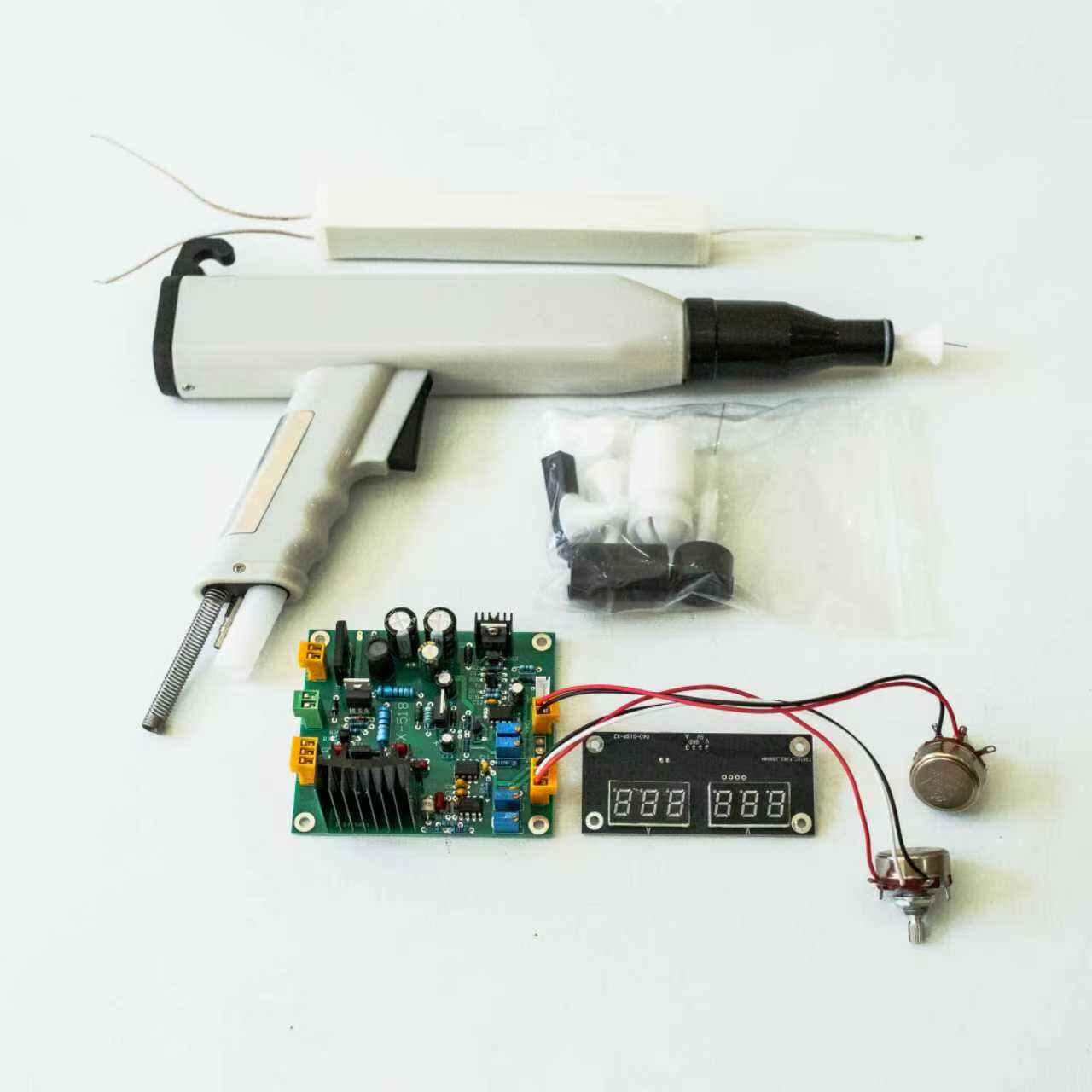
spray gun for powder coating
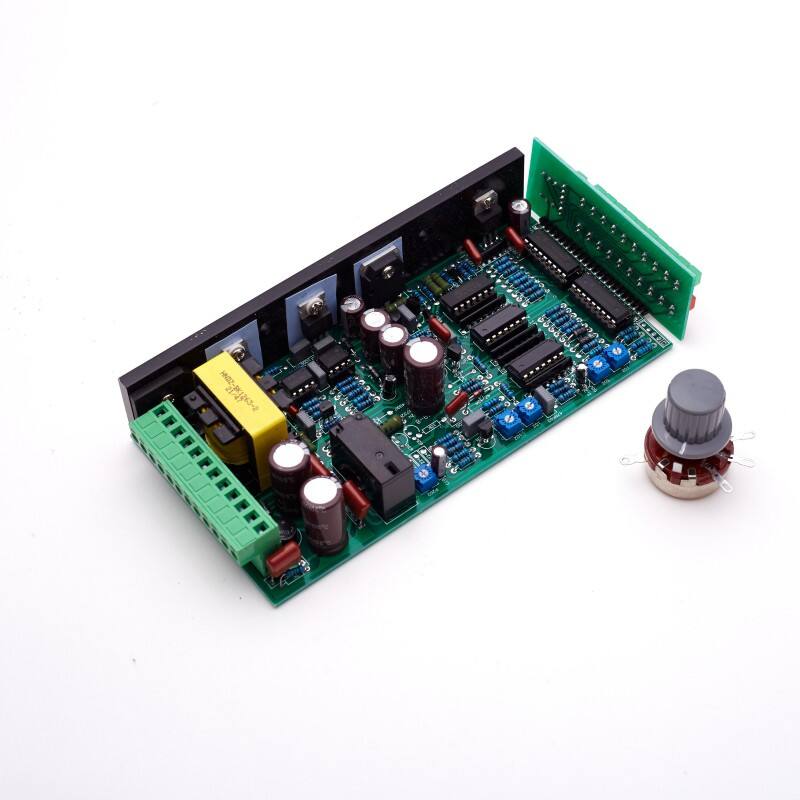
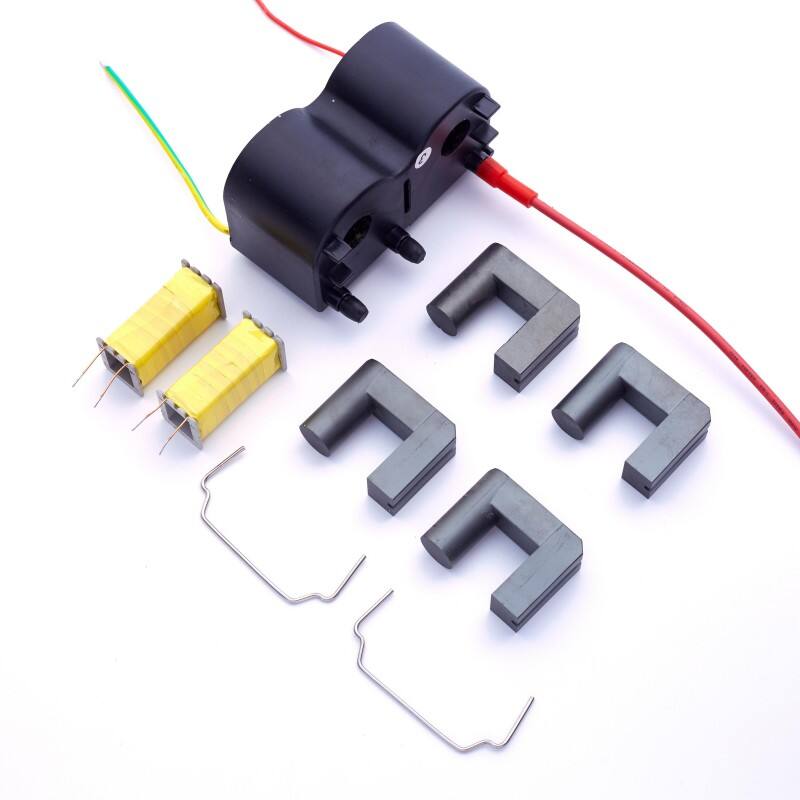
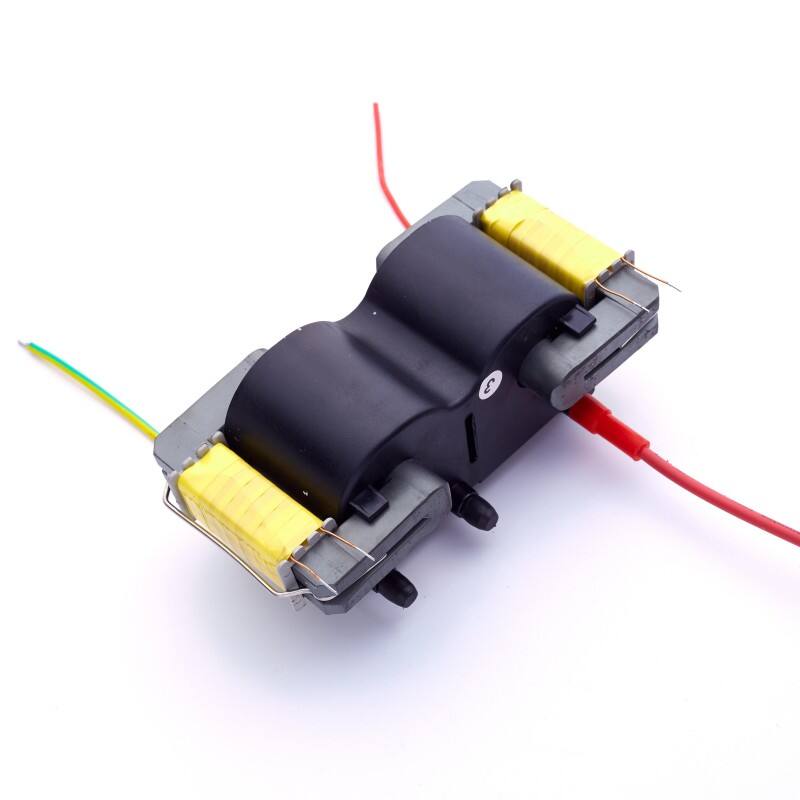
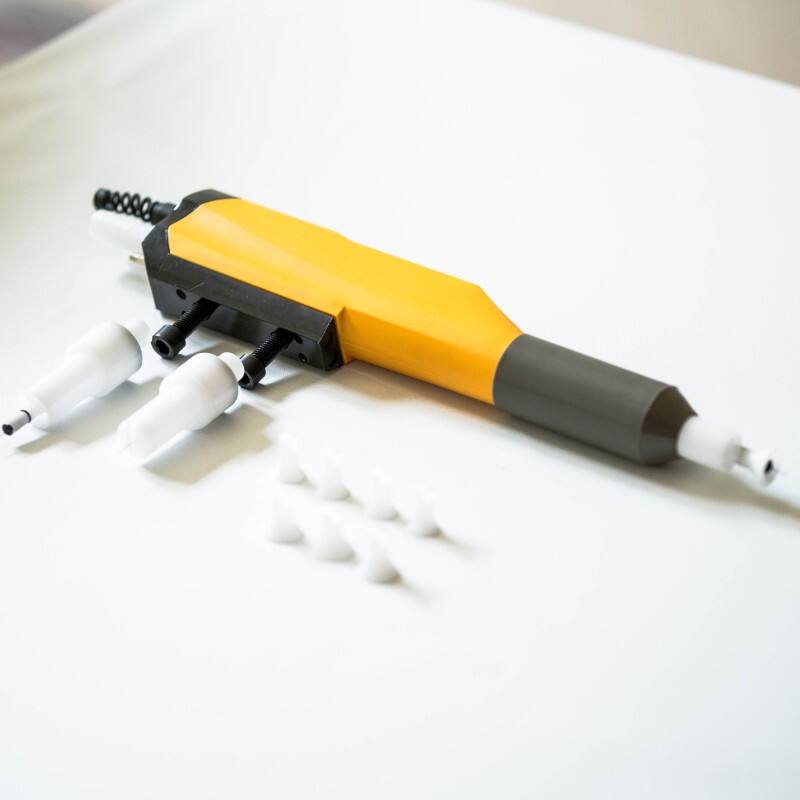
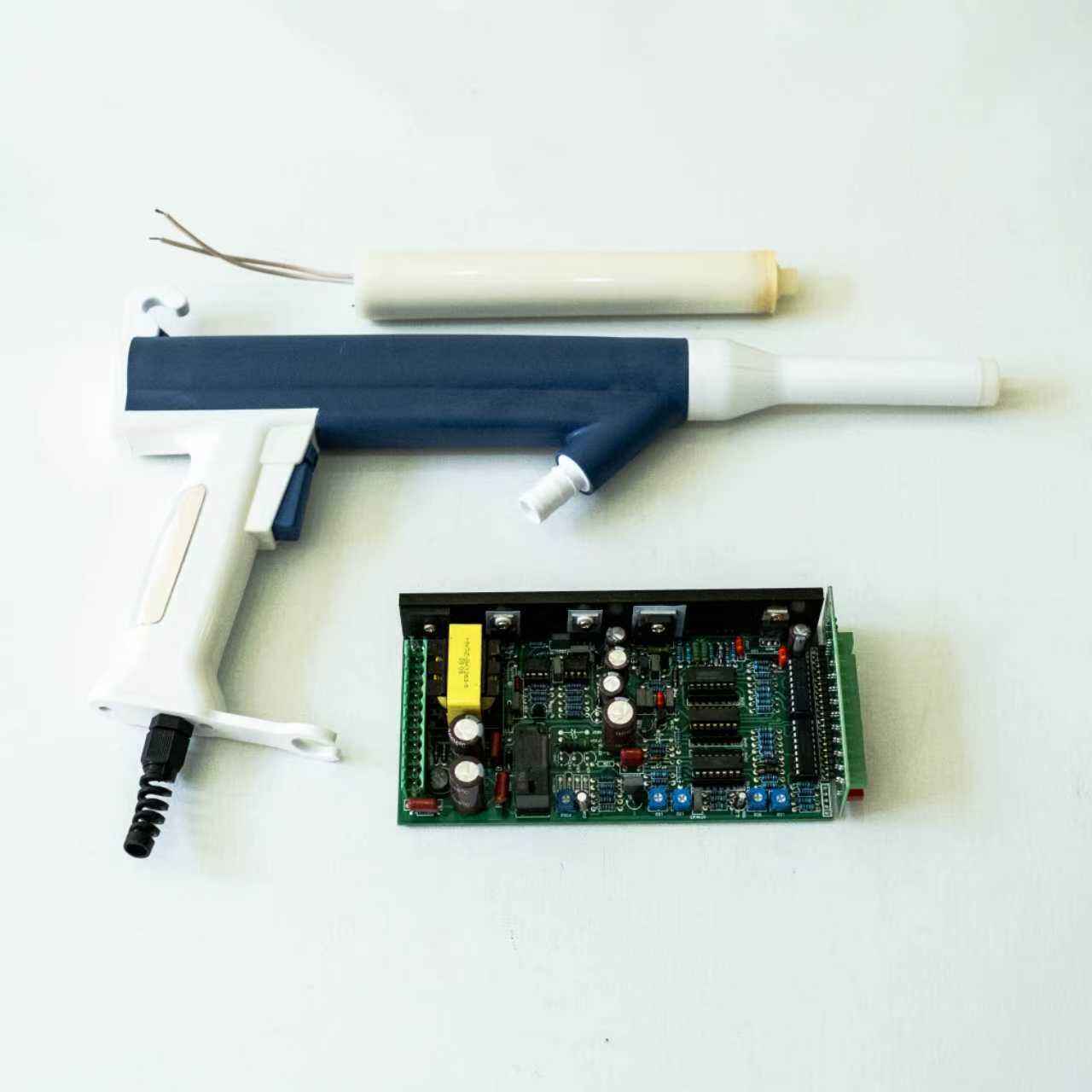
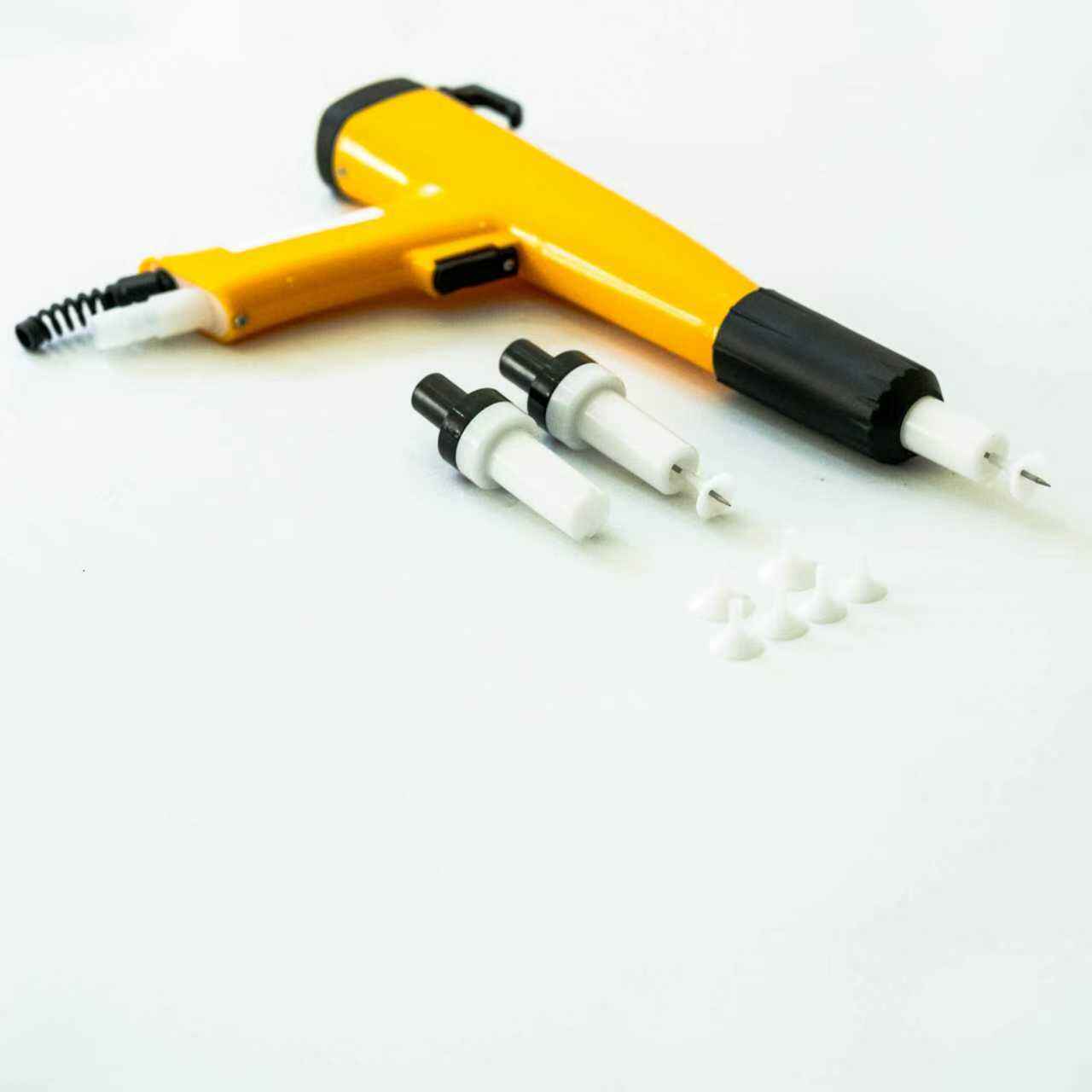
The spray gun for powder coating represents a revolutionary advancement in industrial finishing technology, designed to deliver superior coating results across diverse manufacturing applications. This specialized equipment utilizes electrostatic charging principles to apply dry powder materials onto metal surfaces, creating durable and aesthetically pleasing finishes. Unlike traditional liquid paint systems, the spray gun for powder coating operates without solvents, making it an environmentally responsible choice for modern production facilities. The device consists of several critical components including a powder delivery system, electrostatic charging mechanism, precision nozzle, and ergonomic handle designed for extended operational periods. Professional operators appreciate how the spray gun for powder coating maintains consistent powder flow rates while minimizing material waste through efficient transfer efficiency. The technological foundation relies on corona charging or tribo-charging methods to impart electrical charges to powder particles as they exit the nozzle. These charged particles experience strong attraction to grounded metal workpieces, ensuring uniform coverage even on complex geometries and hard-to-reach areas. Manufacturing sectors ranging from automotive components to architectural metalwork depend on the spray gun for powder coating to achieve finishes that withstand harsh environmental conditions. The equipment accommodates various powder formulations including epoxy, polyester, and hybrid chemistries, each offering distinct performance characteristics for specific applications. Modern versions incorporate advanced controls for voltage adjustment, powder output regulation, and air pressure optimization, allowing operators to fine-tune parameters for different coating requirements. The spray gun for powder coating delivers exceptional film thickness control, typically ranging from 50 to 150 microns in a single application pass. This precision prevents common defects such as orange peel texture, inadequate coverage, or excessive buildup that compromise finish quality. Industrial facilities benefit from reduced operational costs since overspray powder can be recovered and reused through reclamation systems integrated with booth infrastructure.