High Voltage Module for Medical Devices - Precision Power Solutions for Healthcare Equipment

Get a Free Quote

Our representative will contact you soon.
Email
Mobile/WhatsApp
Name
Company Name
Message
0/1000

high voltage module for medical devices

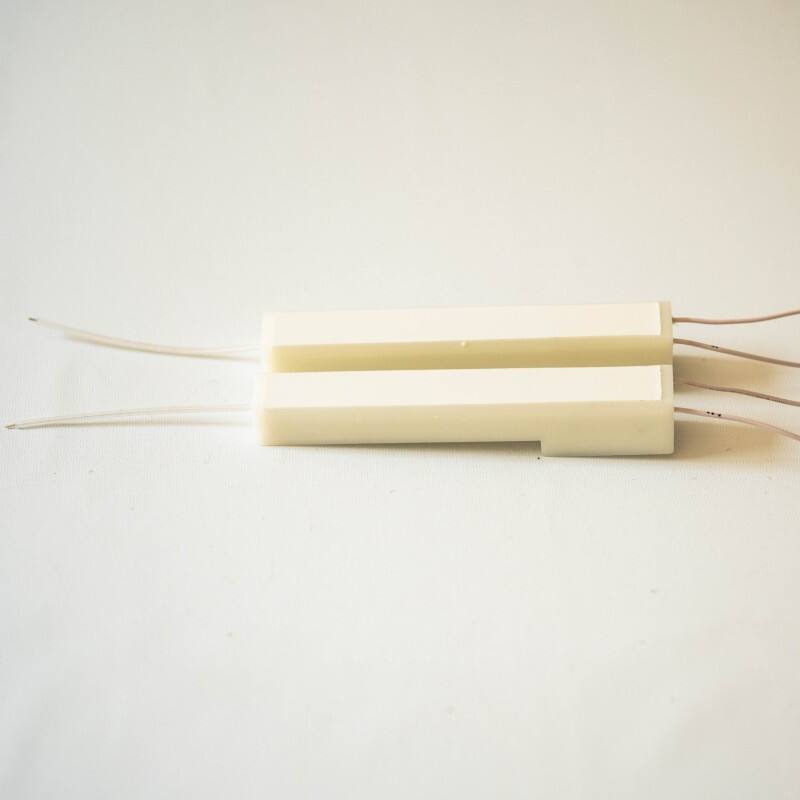
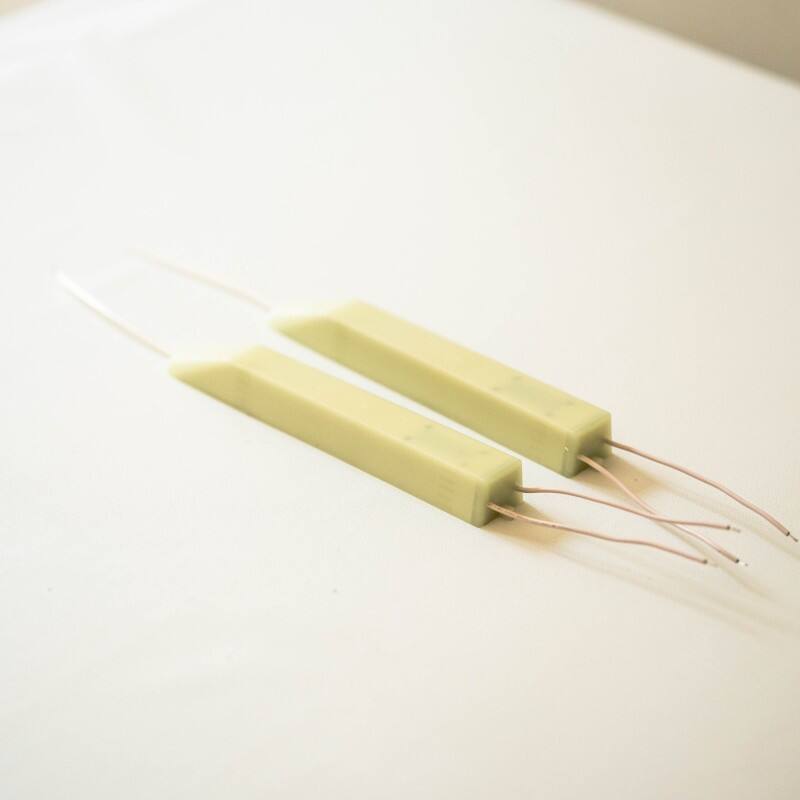
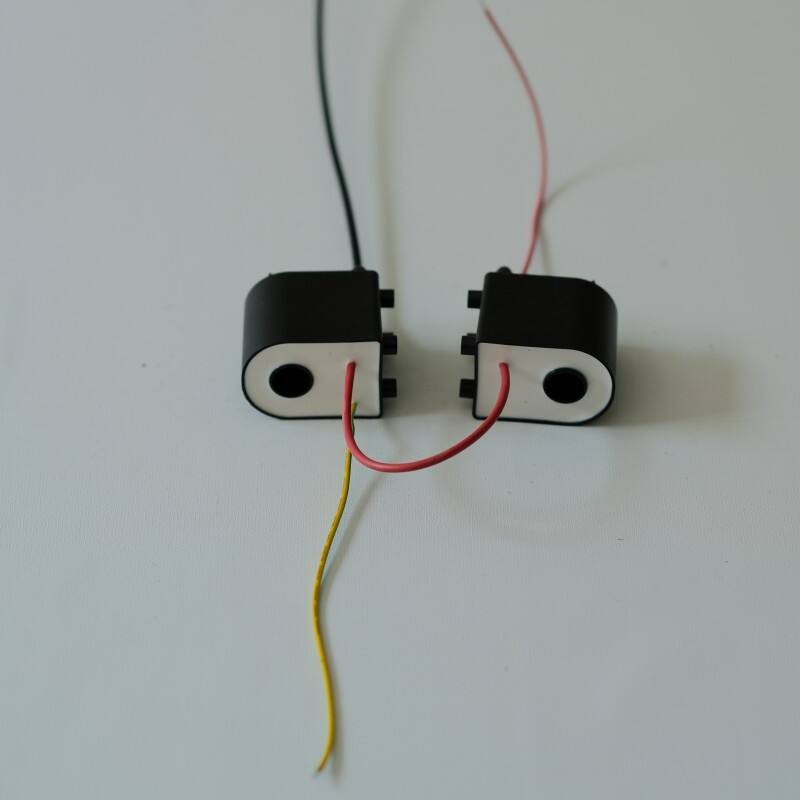
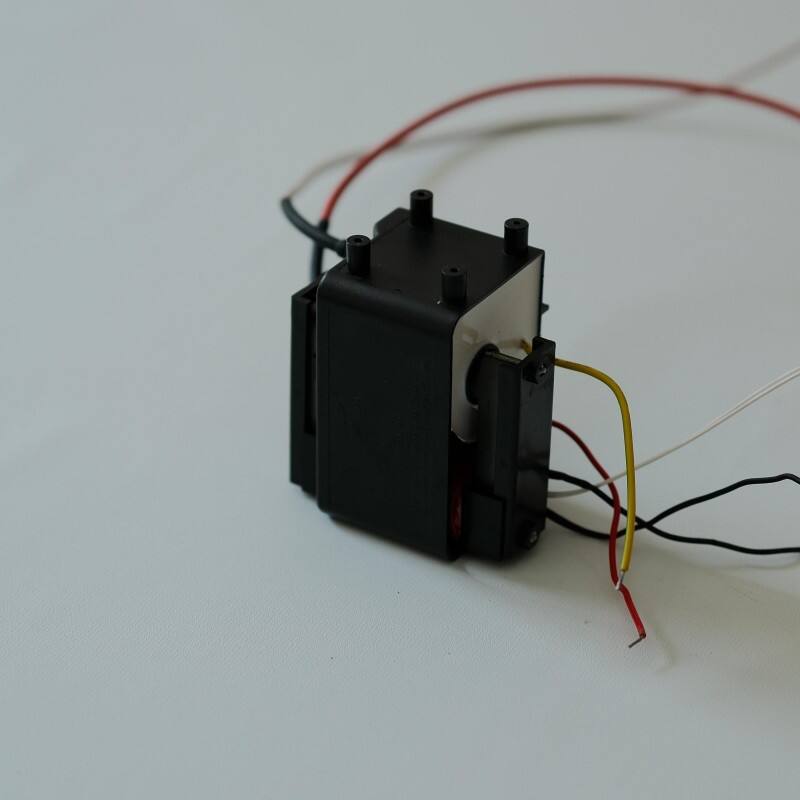
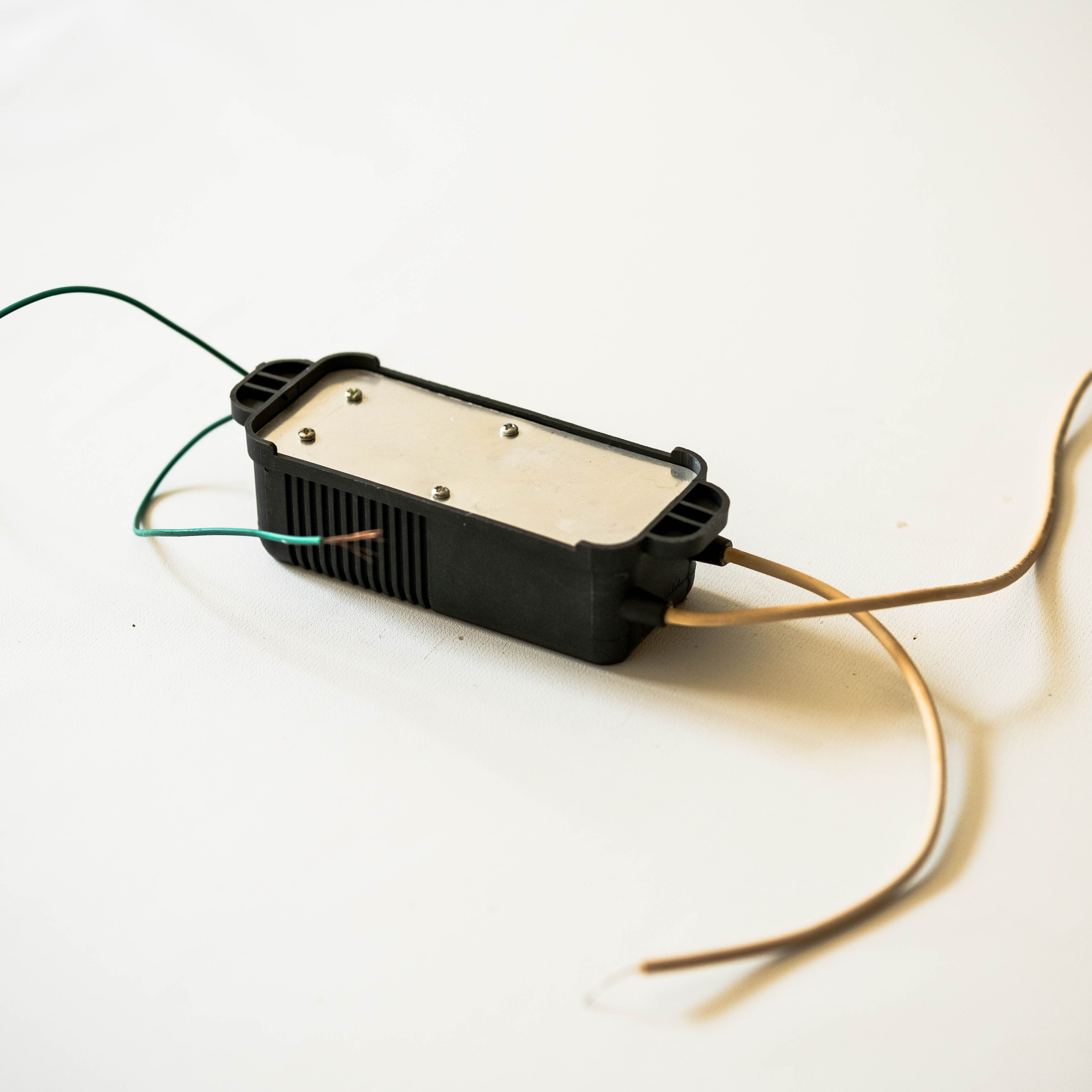
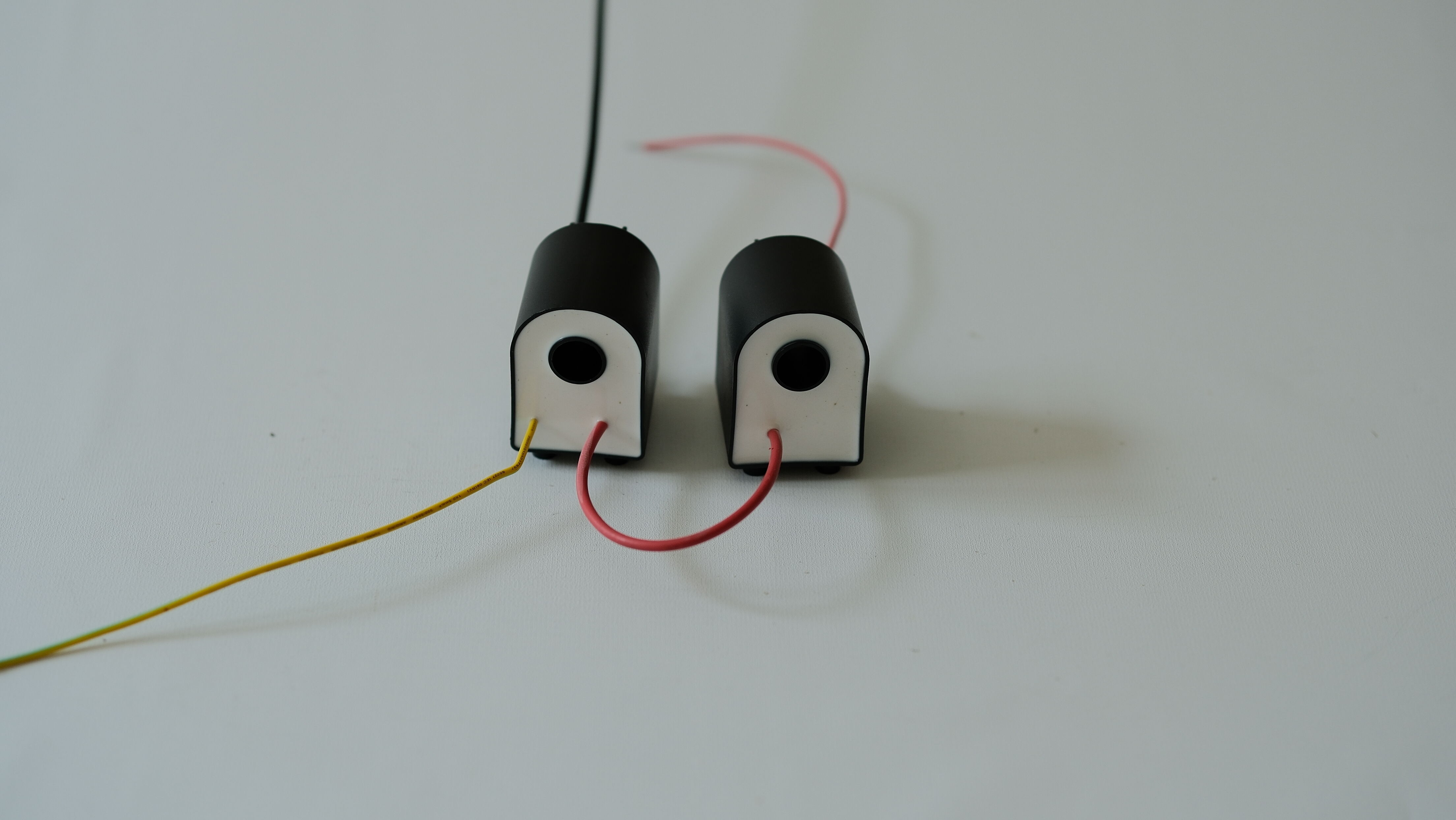
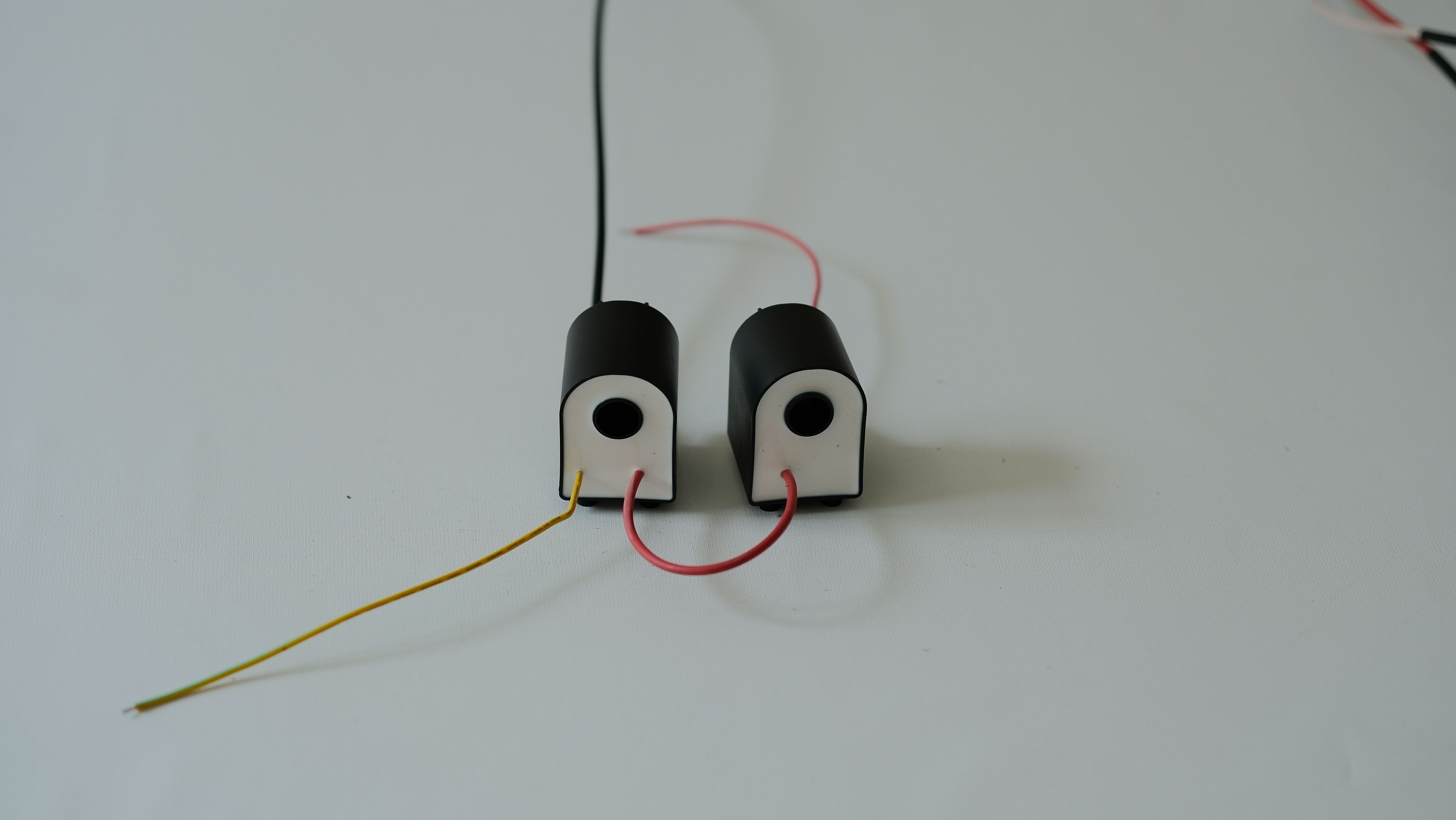
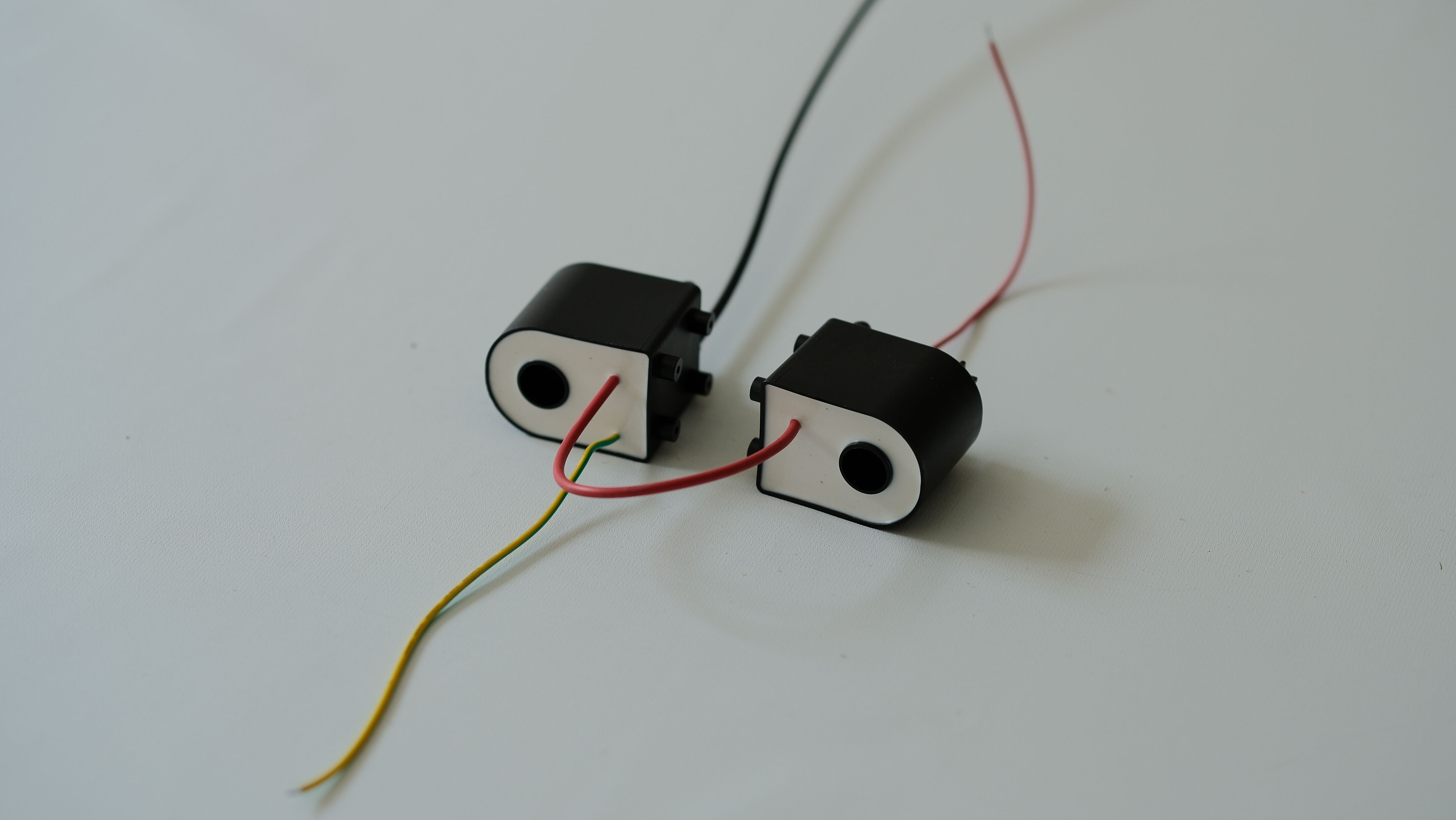
A high voltage module for medical devices represents a critical power supply component designed specifically to meet the stringent requirements of medical equipment applications. These specialized modules generate precise high voltage outputs typically ranging from hundreds to thousands of volts, enabling various diagnostic and therapeutic medical procedures. The primary function of a high voltage module for medical devices centers on converting low-voltage input power into stable, regulated high-voltage output suitable for X-ray machines, ultrasound systems, electrosurgical units, and other medical imaging equipment. The technological architecture incorporates advanced switching power supply technology, featuring sophisticated control circuits that ensure exceptional voltage regulation and minimal ripple characteristics. These modules integrate comprehensive safety mechanisms including overvoltage protection, overcurrent limiting, and arc detection systems to prevent equipment damage and ensure patient safety. The compact design philosophy allows seamless integration into space-constrained medical device enclosures while maintaining optimal thermal management through efficient heat dissipation techniques. Key technological features include digital control interfaces, remote monitoring capabilities, and programmable output parameters that accommodate diverse medical application requirements. The high voltage module for medical devices utilizes medical-grade components certified for healthcare environments, ensuring compliance with international medical device standards such as IEC 60601. Applications span across diagnostic imaging systems where precise voltage control directly impacts image quality and patient diagnosis accuracy. Therapeutic applications include electrosurgical procedures requiring consistent power delivery for effective tissue treatment. The modules support various medical specialties including radiology, cardiology, oncology, and surgical departments. Advanced isolation techniques protect both patients and operators from electrical hazards while maintaining signal integrity. The robust construction withstands challenging medical environment conditions including electromagnetic interference, temperature fluctuations, and continuous operation demands typical in healthcare facilities.

New Products

The high voltage module for medical devices delivers numerous practical benefits that directly translate to improved healthcare outcomes and operational efficiency. First, these modules provide exceptional voltage stability that ensures consistent performance across all medical procedures. This reliability means medical professionals can depend on their equipment to deliver accurate results every time, whether conducting routine diagnostics or performing critical surgeries. The precision voltage regulation eliminates fluctuations that could compromise image quality in diagnostic equipment or affect treatment effectiveness in therapeutic applications. Second, the compact design significantly reduces equipment footprint, allowing medical facilities to maximize valuable space utilization. Smaller medical devices equipped with these modules can be positioned closer to patients, improving workflow efficiency and reducing procedure times. This space optimization particularly benefits crowded emergency rooms and compact surgical suites where every square foot matters. Third, enhanced safety features protect both patients and medical staff from electrical hazards. The integrated protection systems automatically shut down operations when abnormal conditions occur, preventing potential injuries and equipment damage. This safety-first approach reduces liability concerns and creates a more secure working environment for healthcare providers. Fourth, improved energy efficiency translates to lower operational costs over the equipment lifetime. The advanced power conversion technology minimizes energy waste, reducing electricity bills and supporting sustainability initiatives many healthcare organizations pursue. Fifth, the modular design simplifies maintenance procedures and reduces downtime. When service is required, technicians can quickly replace or repair individual modules without affecting entire medical systems. This maintainability ensures medical equipment remains operational when patients need it most. Sixth, the wide input voltage range accommodates various global power standards, making medical devices more versatile for international markets. Healthcare facilities can deploy the same equipment worldwide without power compatibility concerns. Finally, the digital control interfaces enable remote monitoring and diagnostic capabilities, allowing proactive maintenance scheduling that prevents unexpected failures during critical medical procedures.

Practical Tips

Get a Free Quote

Our representative will contact you soon.
Email
Mobile/WhatsApp
Name
Company Name
Message
0/1000

high voltage module for medical devices

Precision Voltage Control Technology

Precision Voltage Control Technology

The precision voltage control technology integrated within high voltage modules for medical devices represents a revolutionary advancement in medical equipment reliability and performance. This sophisticated control system maintains voltage output stability within extremely tight tolerances, typically less than 0.1% variation under varying load conditions. The technology employs advanced feedback mechanisms that continuously monitor output parameters and make real-time adjustments to compensate for input fluctuations, temperature changes, and load variations. This level of precision proves absolutely critical in medical applications where even minor voltage deviations can significantly impact diagnostic accuracy or therapeutic effectiveness. In X-ray imaging systems, precise voltage control directly correlates to image contrast and resolution quality, enabling radiologists to detect subtle abnormalities that might otherwise go unnoticed. The consistent power delivery ensures reproducible imaging results, allowing medical professionals to make confident diagnoses based on reliable visual data. For electrosurgical applications, the precision control technology maintains exact cutting and coagulation power levels, giving surgeons complete control over tissue interaction while minimizing collateral thermal damage. The intelligent control algorithms automatically adapt to different tissue types and surgical conditions, optimizing energy delivery for each specific procedure. The technology incorporates predictive compensation mechanisms that anticipate load changes before they occur, maintaining stable output even during rapid power transitions common in medical procedures. This proactive approach eliminates the voltage sags and spikes that could disrupt sensitive medical equipment operations. The digital control interface provides comprehensive parameter monitoring and adjustment capabilities, allowing medical technicians to optimize settings for specific procedures and patient requirements. Real-time diagnostics enable immediate identification of potential issues before they affect medical procedures, supporting preventive maintenance strategies that maximize equipment uptime. The precision voltage control technology fundamentally enhances patient safety by ensuring medical devices operate within their designed parameters consistently, reducing the risk of equipment-related complications during critical medical interventions.
Medical-Grade Safety Compliance

Medical-Grade Safety Compliance

Medical-grade safety compliance represents the cornerstone of high voltage module design for medical devices, encompassing comprehensive protection systems that exceed industry standards and regulatory requirements. These modules undergo rigorous testing and certification processes to meet international medical device standards including IEC 60601, FDA regulations, and CE marking requirements. The safety architecture incorporates multiple redundant protection layers that safeguard patients, medical staff, and equipment from electrical hazards throughout all operating conditions. Primary isolation systems provide galvanic separation between input and output circuits, eliminating ground loop risks and ensuring patient electrical safety even during equipment malfunctions. The isolation barriers can withstand test voltages exceeding 4000V AC, providing substantial safety margins beyond normal operating requirements. Secondary protection includes comprehensive overcurrent limiting that instantly responds to abnormal load conditions, preventing component damage and fire hazards. The intelligent current monitoring systems distinguish between normal operational variations and genuine fault conditions, avoiding unnecessary shutdowns while maintaining absolute safety standards. Overvoltage protection circuits continuously monitor output levels and implement immediate shutdown procedures when voltages exceed predetermined safe limits. These systems respond within microseconds to prevent equipment damage and eliminate patient exposure risks. Arc detection technology identifies dangerous electrical arcing conditions and triggers instant protective responses, preventing equipment fires and ensuring operator safety. The modules incorporate sophisticated ground fault detection that identifies insulation failures and implements appropriate protective measures before hazardous conditions develop. Thermal protection systems monitor component temperatures throughout the module and initiate protective shutdown sequences when safe operating temperatures are exceeded. The medical-grade enclosures provide appropriate ingress protection ratings suitable for healthcare environments, preventing contamination and moisture intrusion that could compromise safety. Comprehensive electromagnetic compatibility testing ensures the modules do not interfere with other medical equipment while maintaining immunity to external electromagnetic disturbances common in healthcare facilities. The safety compliance extends to materials selection, utilizing only medical-approved components that meet biocompatibility requirements and resist degradation in disinfectant environments typical of medical settings.
Advanced Integration Capabilities

Advanced Integration Capabilities

Advanced integration capabilities distinguish high voltage modules for medical devices through seamless compatibility with modern medical equipment architectures and smart healthcare systems. These modules feature sophisticated communication interfaces that enable direct integration with medical device control systems, hospital information networks, and remote monitoring platforms. The standardized communication protocols support real-time data exchange, allowing medical equipment to share operational status, performance metrics, and diagnostic information with centralized monitoring systems. This connectivity enables healthcare facilities to implement comprehensive equipment management strategies that optimize maintenance scheduling and prevent unexpected failures during critical procedures. The modular architecture supports plug-and-play installation procedures that significantly reduce medical device manufacturing complexity and assembly time. Standardized mounting configurations and electrical connections allow equipment manufacturers to streamline production processes while maintaining flexibility for customized applications. The modules incorporate intelligent power management features that automatically optimize energy consumption based on operational requirements, extending equipment battery life in portable medical devices and reducing overall power consumption in stationary systems. Advanced thermal management integration capabilities enable optimal heat dissipation coordination with host medical equipment, preventing thermal stress that could affect sensitive electronic components or compromise measurement accuracy. The modules support multiple output configurations within single packages, reducing component count and system complexity while improving overall reliability. Programmable output parameters allow medical device manufacturers to customize voltage levels, current limits, and protection thresholds to match specific application requirements without requiring hardware modifications. The integration capabilities extend to mechanical interfaces that accommodate various mounting orientations and space constraints common in medical device designs. Flexible cable management systems support clean routing within medical equipment enclosures while maintaining electromagnetic compatibility requirements. The modules provide comprehensive diagnostic feedback that integrates with medical device self-test routines, enabling automated equipment verification procedures that ensure operational readiness before patient procedures begin. Remote firmware update capabilities allow medical device manufacturers to deploy performance improvements and feature enhancements without requiring physical service visits, reducing maintenance costs and minimizing equipment downtime that could impact patient care delivery.

Get a Free Quote

Our representative will contact you soon.
Email
Mobile/WhatsApp
Name
Company Name
Message
0/1000
Newsletter
Please Leave A Message With Us