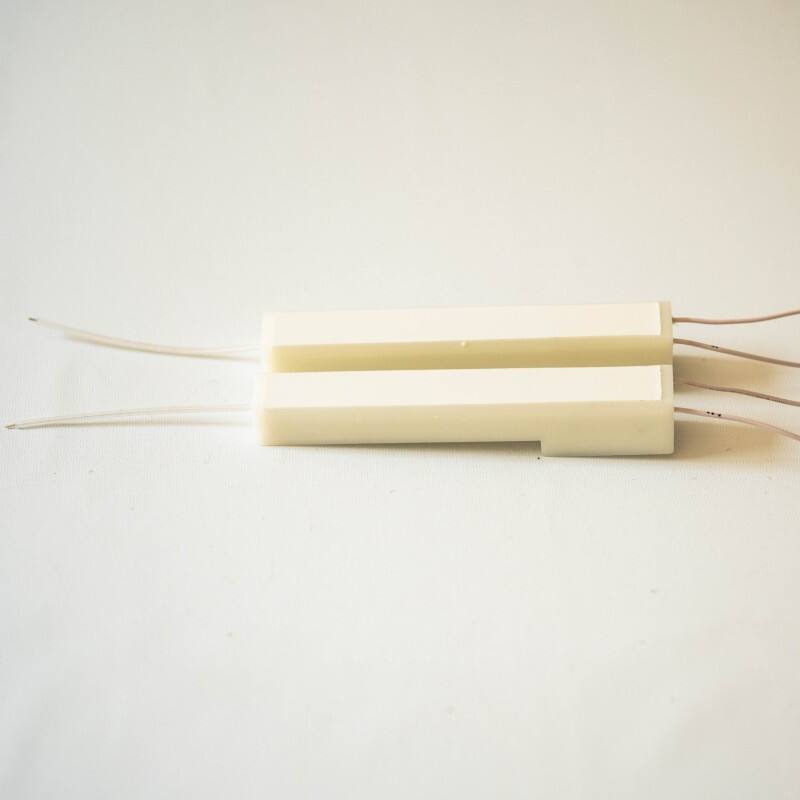
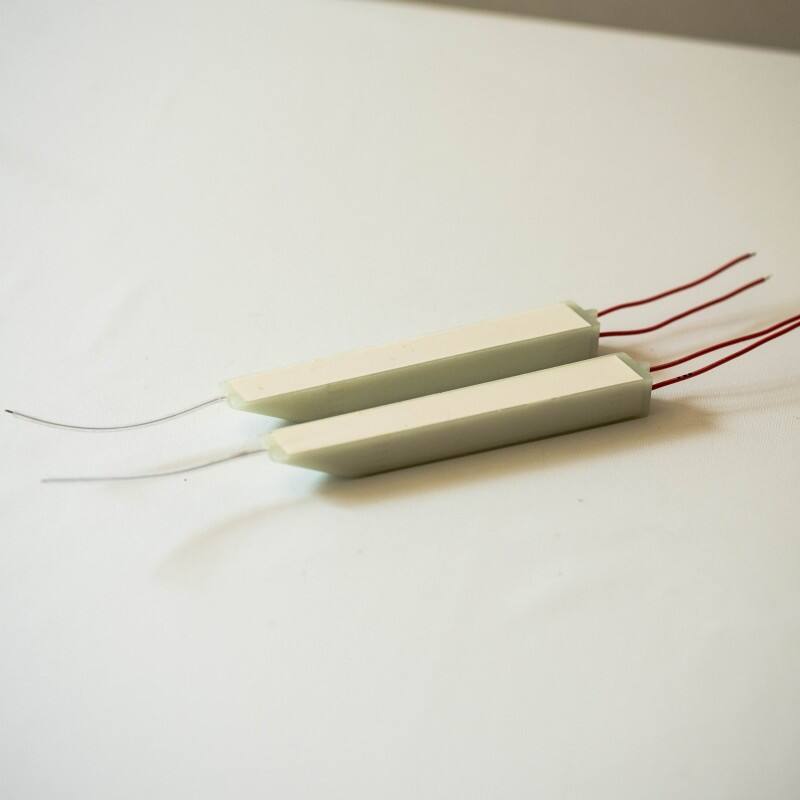
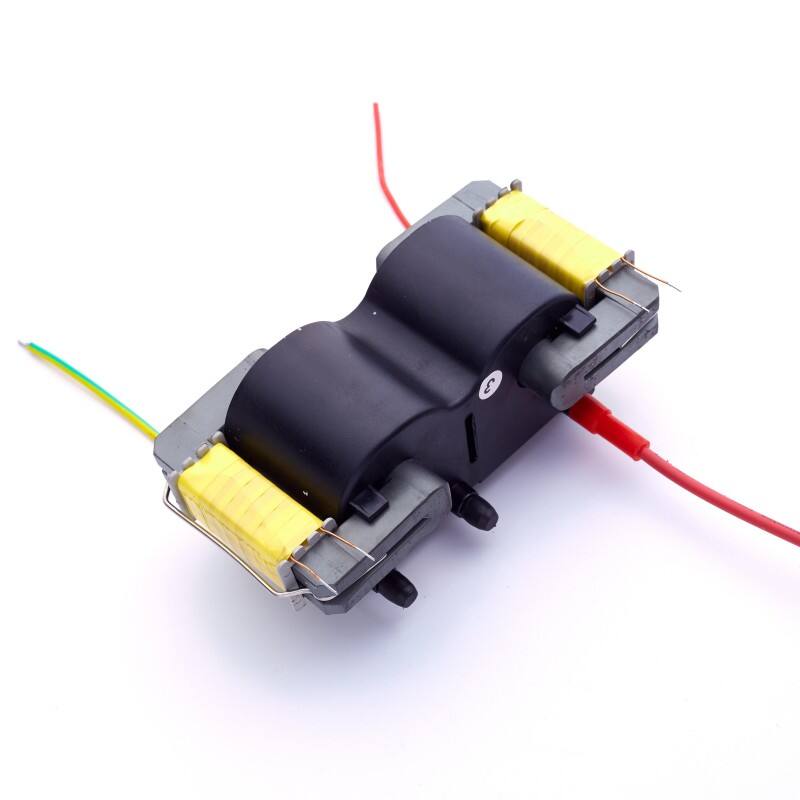
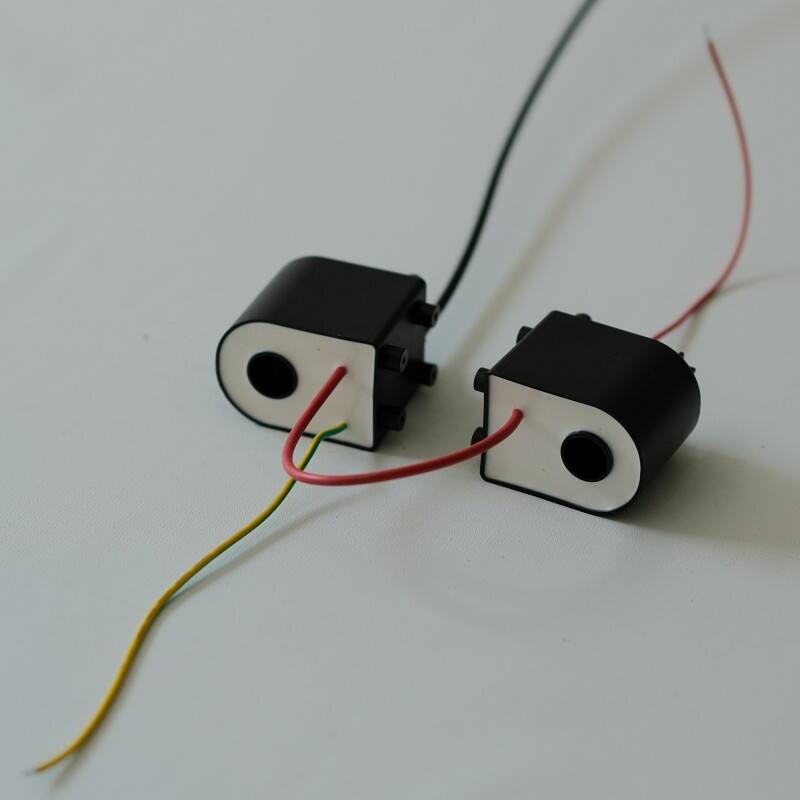
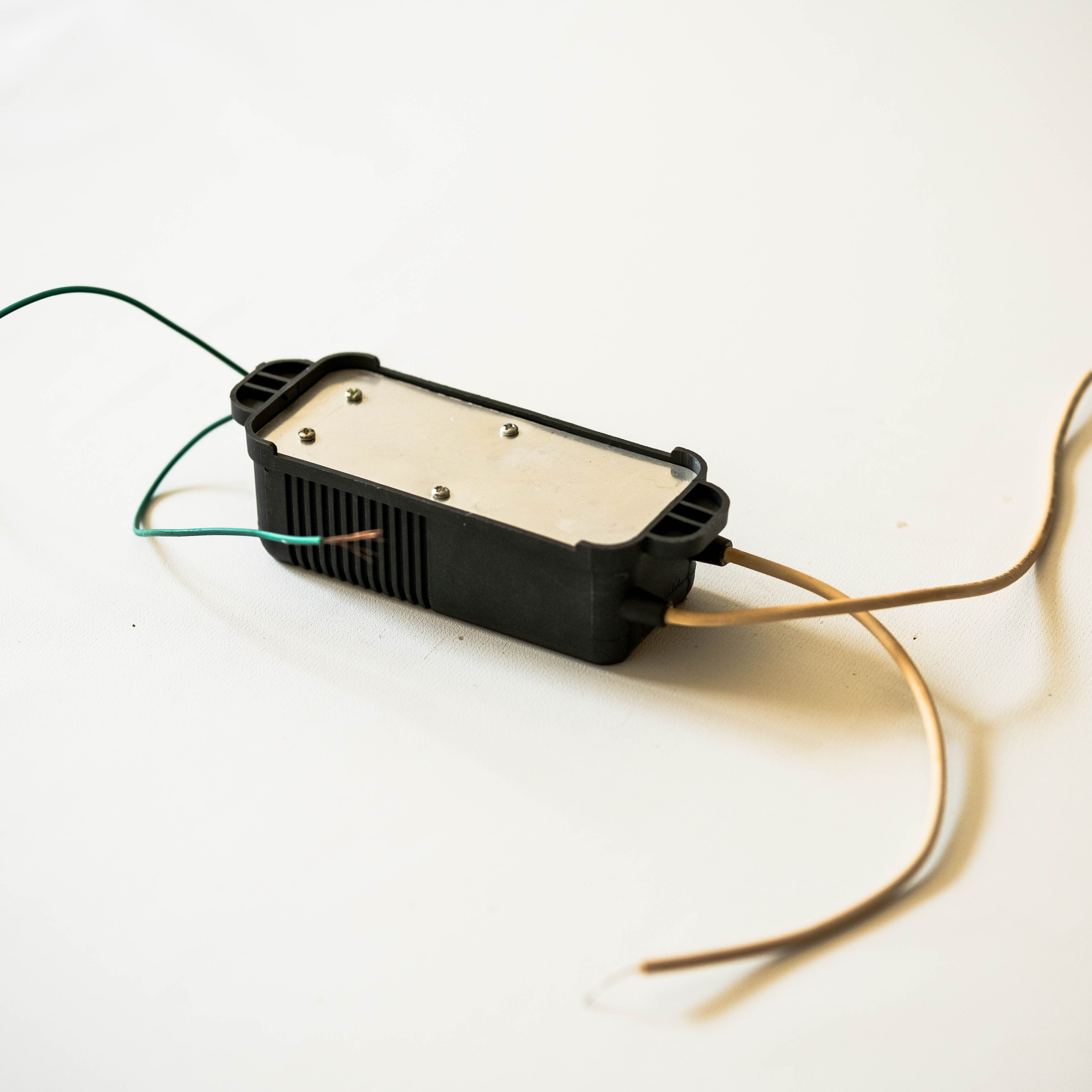
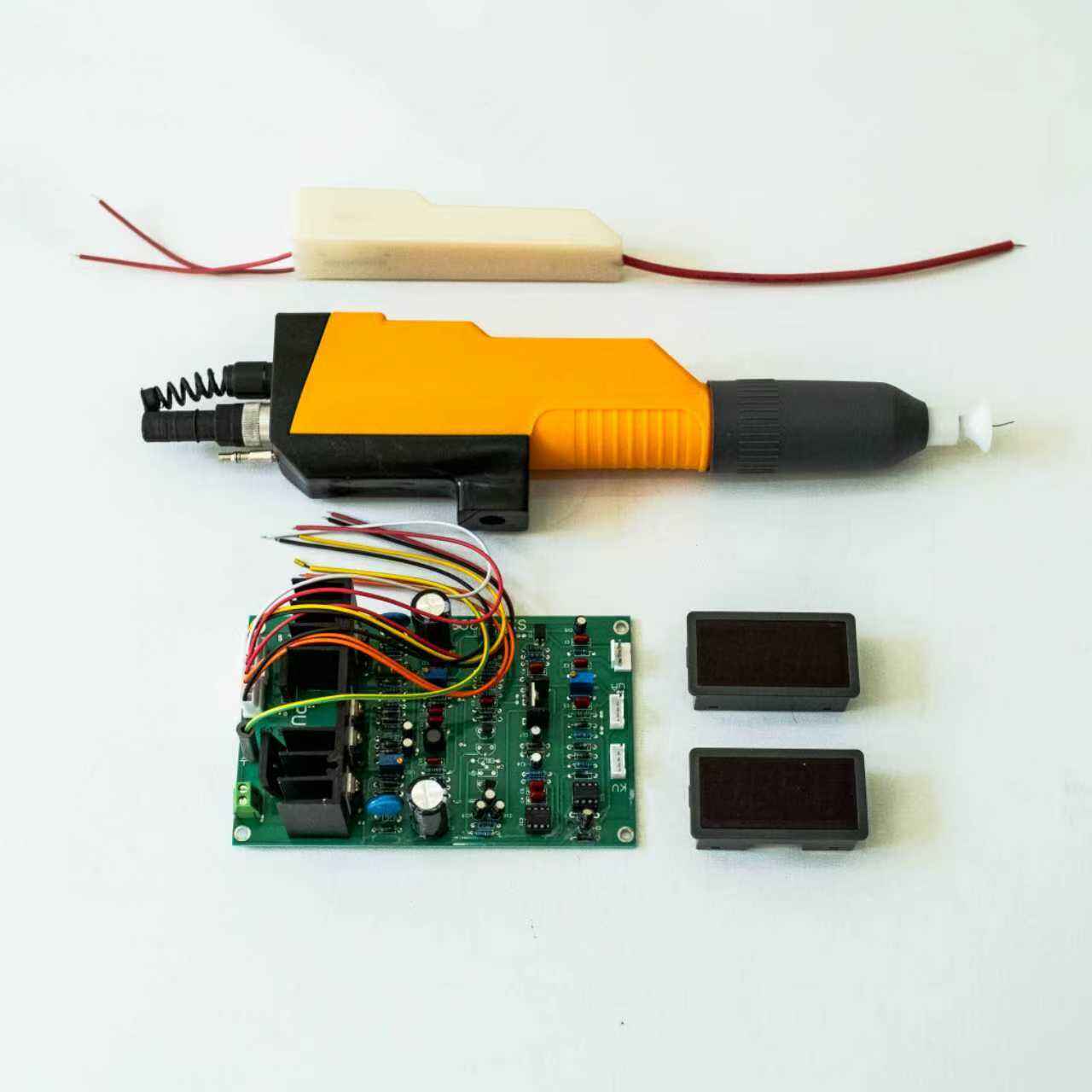
high voltage flyback transformer circuit
The high voltage flyback transformer circuit represents a fundamental power conversion topology widely utilized in electronics where substantial voltage step-up capabilities are required. This circuit configuration derives its name from the flyback operation principle, where energy storage and transfer occur during distinct phases of the switching cycle. At its core, the high voltage flyback transformer circuit consists of a switching transistor, a specially designed transformer with primary and secondary windings, rectification diodes, filtering capacitors, and control circuitry that orchestrates the entire operation. The primary function involves converting low input voltages into significantly higher output voltages, often reaching several thousand volts, making it indispensable for applications demanding elevated potential differences. The technological foundation rests upon electromagnetic induction principles combined with precise switching control mechanisms. During the on-state of the switching transistor, electrical current flows through the primary winding, storing magnetic energy within the transformer core. When the transistor switches off, this stored energy rapidly transfers to the secondary winding, inducing a voltage proportional to the turns ratio between windings. The flyback configuration uniquely allows the transformer to function simultaneously as an energy storage inductor and a voltage transformation device. This dual functionality distinguishes it from conventional forward-mode transformers. Applications span diverse industries including cathode ray tube displays, medical imaging equipment, industrial power supplies, plasma generation systems, electrostatic precipitation units, and scientific instrumentation requiring stable high voltage sources. The circuit's versatility enables designers to achieve multiple isolated outputs with different voltage levels from a single transformer, enhancing system integration and reducing component count. Modern implementations incorporate advanced control strategies such as pulse width modulation, frequency modulation, and resonant switching techniques to optimize efficiency and minimize electromagnetic interference. The high voltage flyback transformer circuit continues evolving with semiconductor advancements, enabling higher switching frequencies, improved power density, and enhanced reliability for contemporary electronic systems demanding compact, efficient, and precise high voltage generation capabilities across commercial, industrial, and specialized application domains.