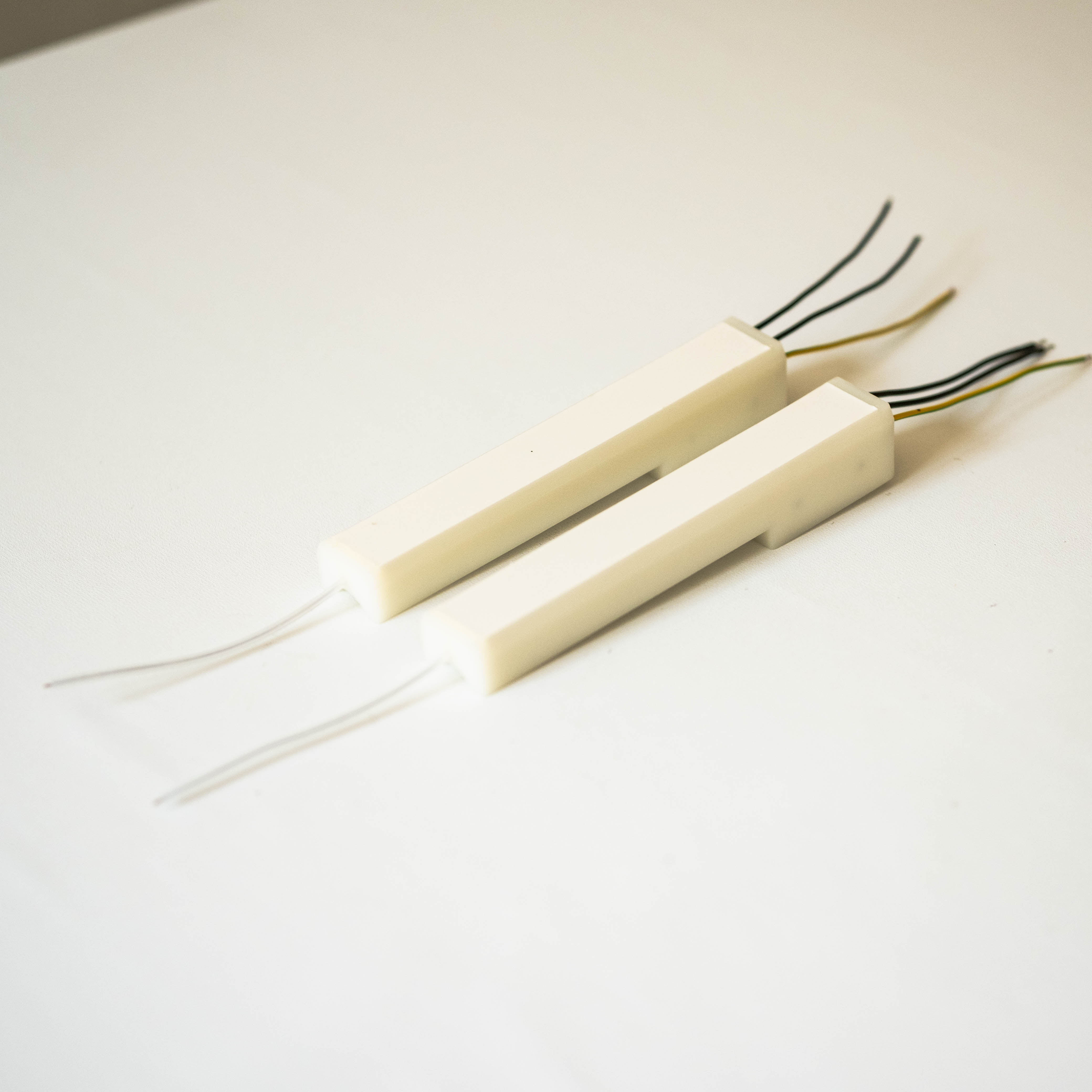
Comprehensive Protection and Enhanced Safety
The comprehensive protection features and enhanced safety characteristics built into modern high voltage dc-dc module designs deliver substantial value by safeguarding expensive equipment, preventing production losses, and protecting personnel from electrical hazards inherent in high voltage systems. Working with elevated voltages always carries risks, as electrical breakdown, component failures, or improper operating conditions can create dangerous situations potentially causing equipment damage, fire hazards, or injury to operators and maintenance personnel. Recognizing these concerns, reputable manufacturers incorporate multiple layers of protection circuitry that automatically detect abnormal conditions and take corrective action before problems escalate into failures or safety incidents. Overvoltage protection represents a fundamental safeguard, monitoring output voltage and limiting or shutting down the module if voltage exceeds safe thresholds, preventing damage to connected equipment that might result from regulation failures or component malfunctions. Overcurrent protection similarly detects excessive output current that might indicate short circuits, insulation breakdown, or overloaded conditions, immediately limiting current or disabling output to prevent thermal damage to the module itself or connected circuits. Short circuit protection provides robust defense against the most severe fault condition, allowing modules to survive direct output short circuits without damage and automatically recover when the fault clears, eliminating the need for component replacement after accidental shorts during installation or service. Thermal protection monitors internal temperatures and reduces output power or shuts down operation if temperature limits are approached, preventing thermal runaway scenarios and extending component longevity by avoiding excessive temperature stress. Input undervoltage lockout prevents erratic operation or potential damage during power-up or brown-out conditions by ensuring the module only operates when input voltage reaches minimum specified levels. Many high voltage dc-dc modules incorporate electrical isolation between input and output circuits, providing safety barriers that prevent high voltages from reaching low-voltage control systems and protecting operators who might contact input connections while output operates at dangerous potentials. Isolation specifications often reach thousands of volts, meeting rigorous safety standards for medical equipment, industrial machinery, and other applications where personnel safety regulations apply. The remote enable or inhibit functions found on many modules allow external safety interlocks to disable high voltage output during equipment access or maintenance procedures, integrating with broader machine safety systems. Status monitoring outputs provide real-time indication of operating conditions and fault states, enabling remote monitoring systems to track module health and alert operators to developing problems before they cause failures. The robust construction typical of quality high voltage dc-dc modules includes conformal coating or potting compounds that provide moisture resistance, prevent contamination-induced tracking or breakdown, and contain potential arc events within the module enclosure. These physical protection measures prove especially valuable in harsh environments or applications where equipment must operate reliably despite exposure to humidity, dust, chemicals, or other contaminants. The combination of electrical protection circuits, physical construction quality, and safety-oriented design features reduces total cost of ownership by preventing equipment damage, minimizing unplanned downtime, extending service intervals, and creating safer working environments that reduce liability exposure and insurance costs while demonstrating commitment to employee welfare and regulatory compliance.