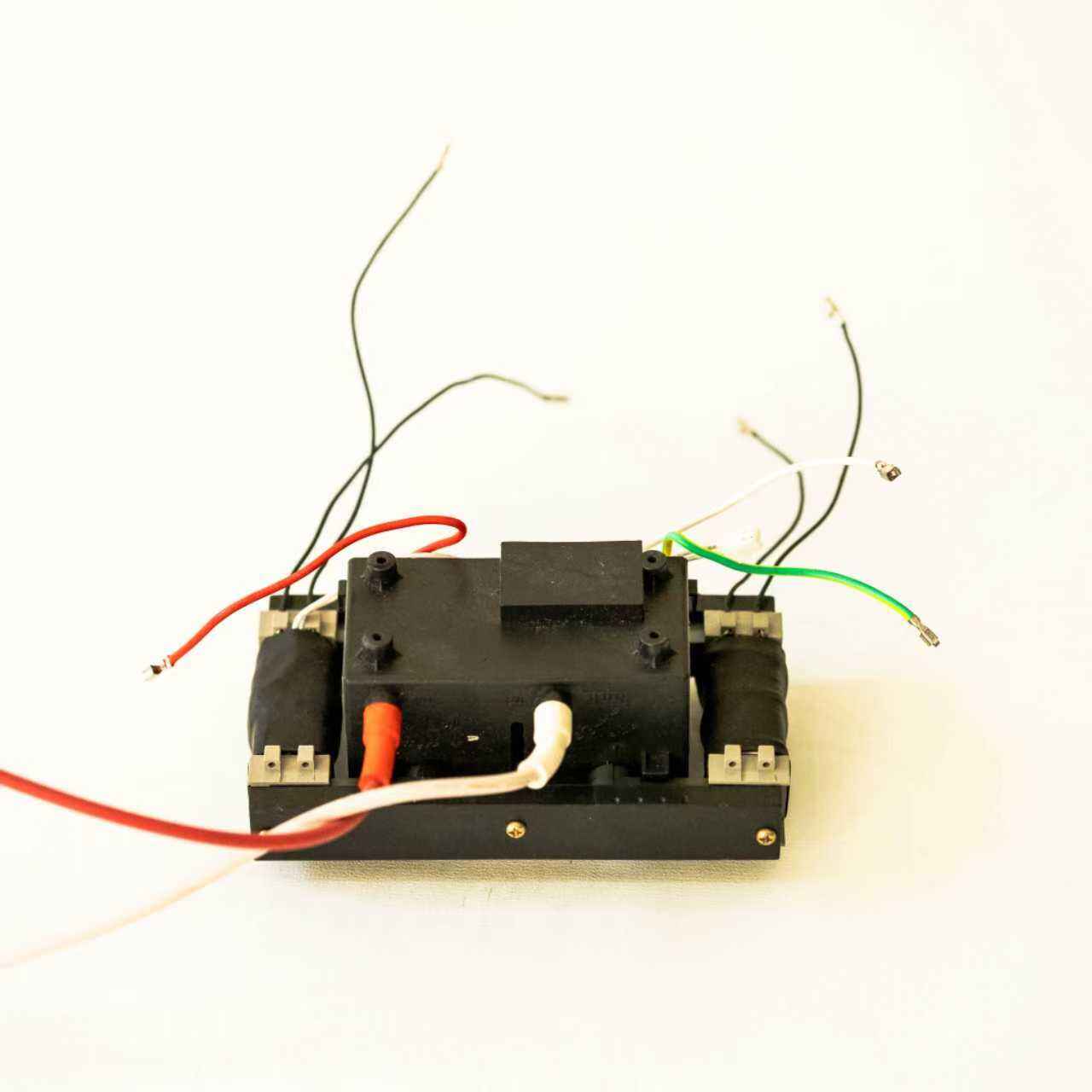
High Frequency Flyback Transformer Solutions - Efficient Power Conversion Technology

Get a Free Quote

Our representative will contact you soon.
Email
Mobile/WhatsApp
Name
Company Name
Message
0/1000

high frequency flyback transformer

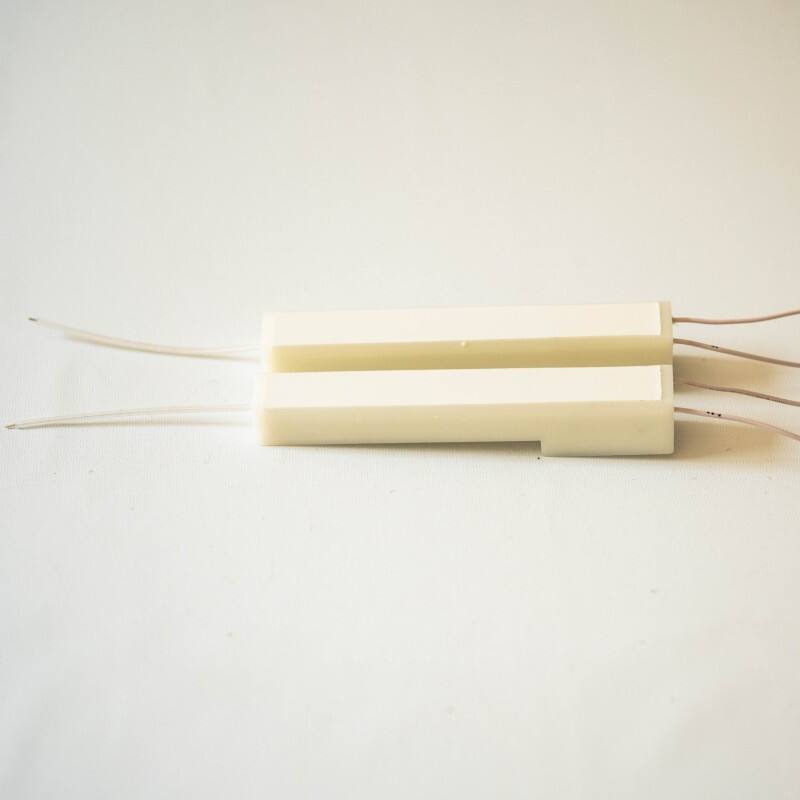
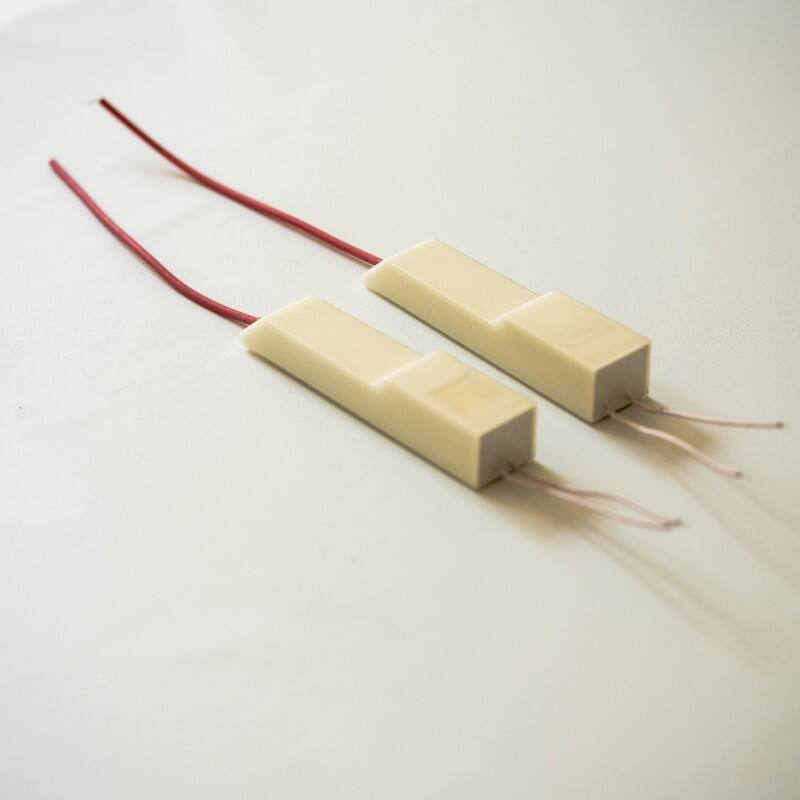
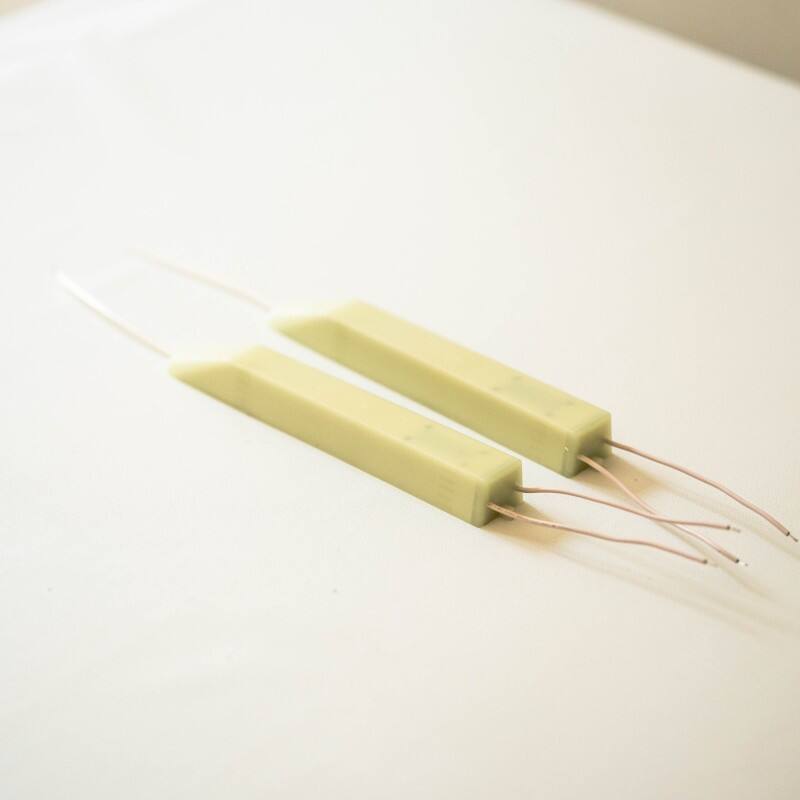
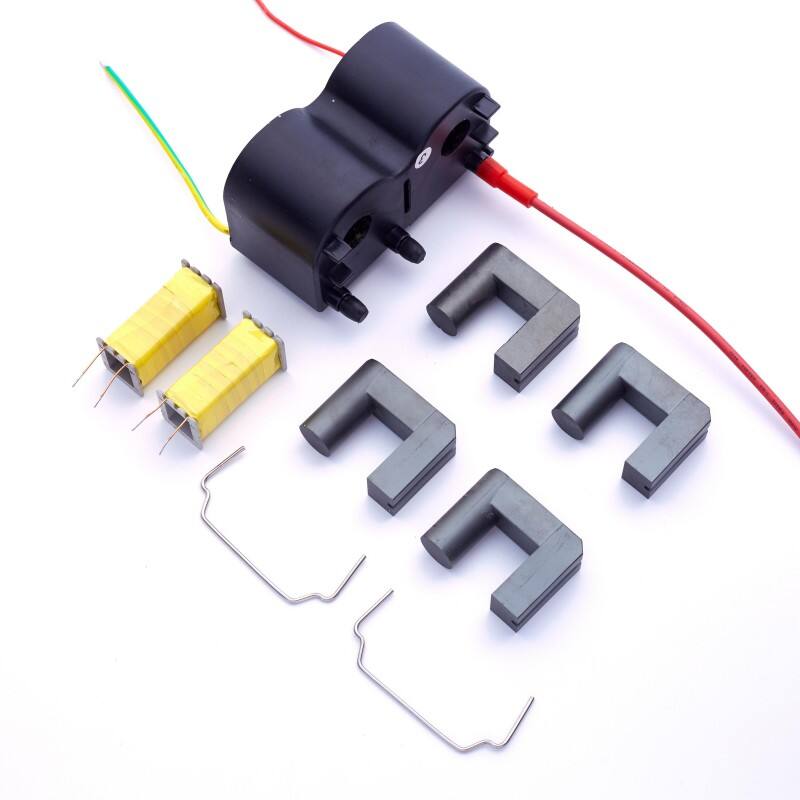
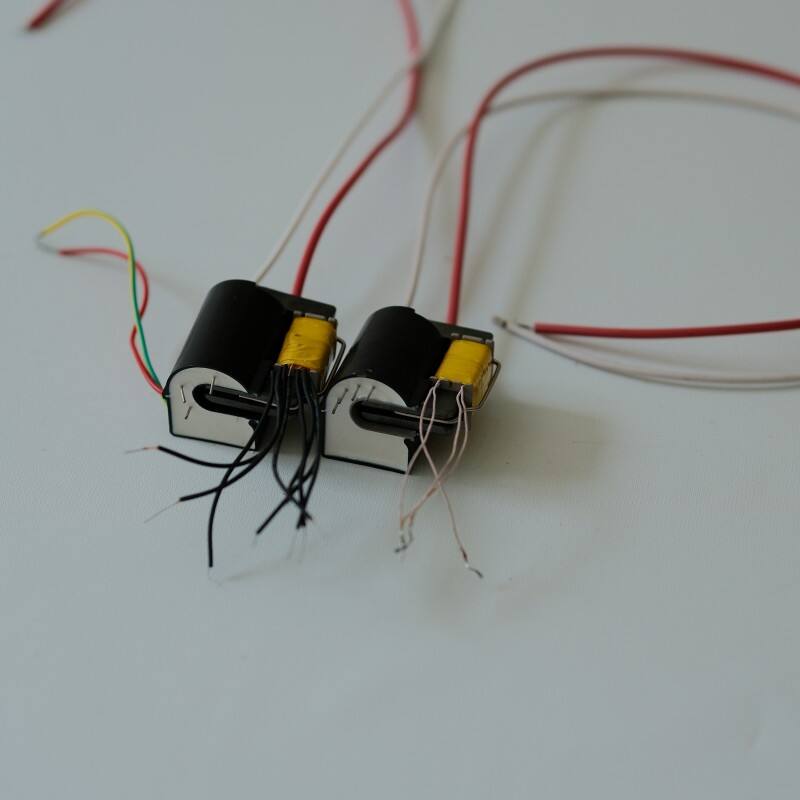
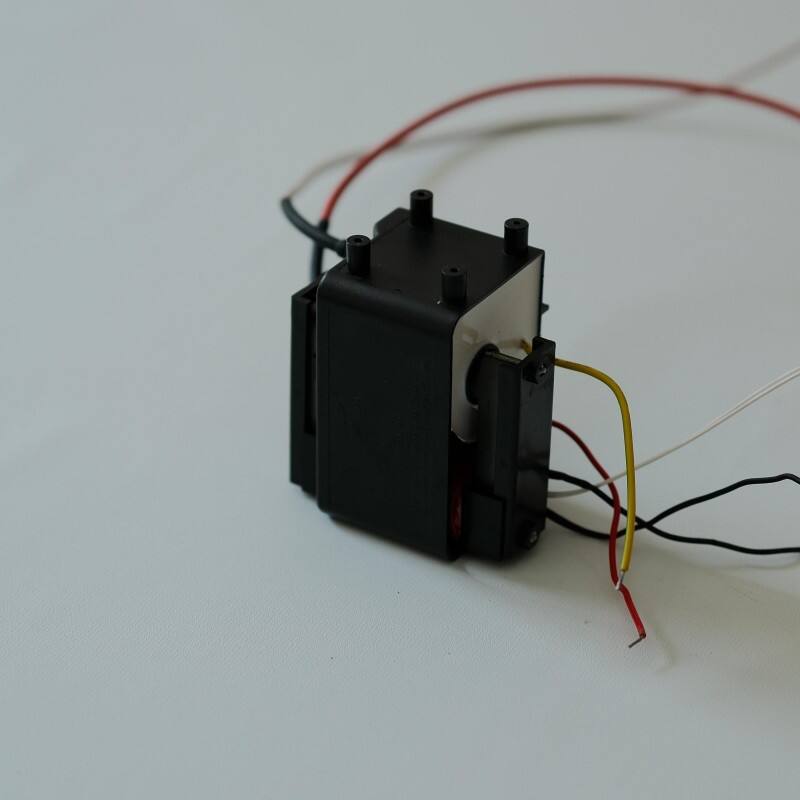
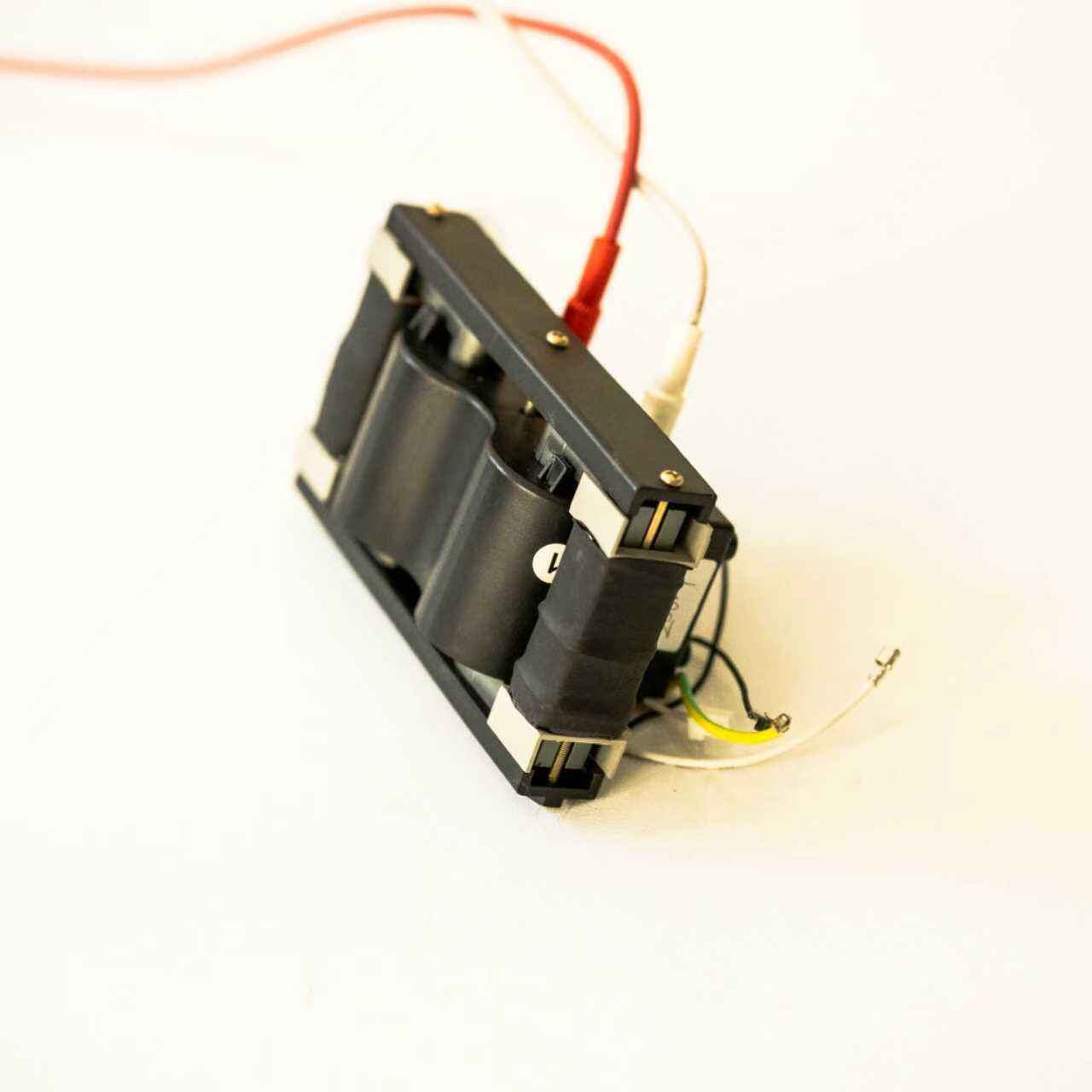
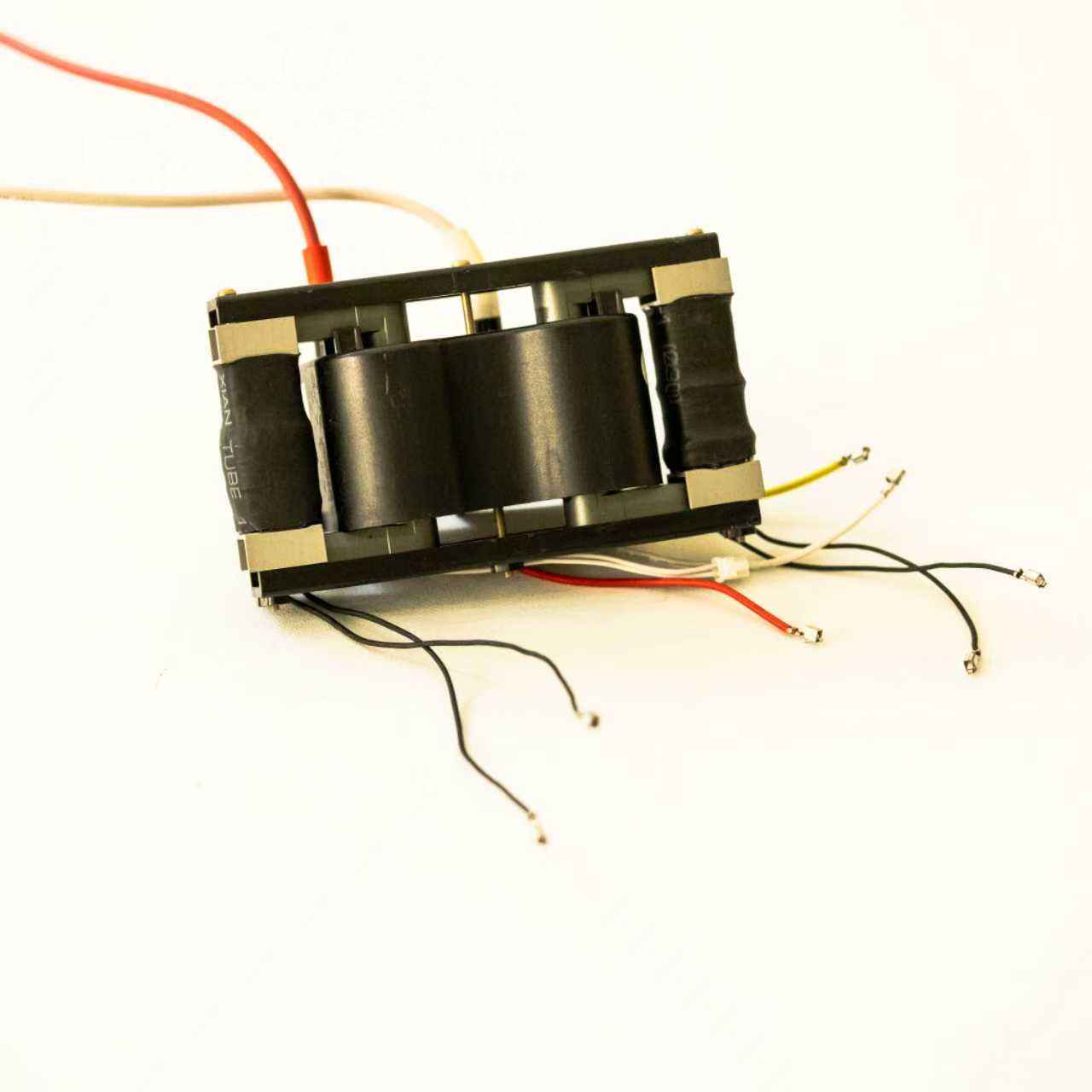
The high frequency flyback transformer represents a critical component in modern power conversion systems, serving as an essential element in switching power supplies and energy conversion applications. This sophisticated device operates by storing energy in its magnetic core during one phase of the switching cycle and releasing it during another phase, making it fundamentally different from conventional transformers. The high frequency flyback transformer combines the functions of energy storage, voltage transformation, and electrical isolation into a single compact unit, which makes it invaluable for designers seeking efficient power solutions. Operating at frequencies typically ranging from 20 kHz to several hundred kHz, these transformers enable significant reductions in size and weight compared to traditional low-frequency alternatives. The core construction utilizes advanced ferrite materials specifically engineered to handle high-frequency operations with minimal losses, ensuring optimal performance across demanding applications. Multiple output voltages can be generated simultaneously through carefully designed secondary windings, providing remarkable flexibility for complex electronic systems. The primary winding connects to a switching circuit that rapidly turns the input voltage on and off, creating the pulsating magnetic field necessary for energy transfer. During the on-time, energy accumulates in the magnetic core, while during the off-time, this stored energy transfers to the load through the secondary winding. This discontinuous operation mode distinguishes the high frequency flyback transformer from continuous-mode transformers, offering unique advantages in specific applications. Built-in isolation between primary and secondary circuits provides essential safety features, protecting sensitive electronics and users from potential hazards. The compact form factor achieved through high-frequency operation makes these transformers ideal for space-constrained applications, from consumer electronics to industrial equipment. Engineers value the design simplicity that high frequency flyback transformers offer, as fewer external components are required compared to alternative topologies, reducing overall system complexity and cost while maintaining robust performance across varying load conditions.

New Product Releases

Choosing a high frequency flyback transformer brings numerous practical benefits that directly impact your product development and operational costs. First and foremost, the compact size achieved through high-frequency operation means you can design smaller, lighter products that consumers find more appealing and convenient. This space efficiency translates directly into material savings and reduced shipping costs, improving your bottom line while meeting market demands for portability. The inherent electrical isolation provided by the high frequency flyback transformer eliminates the need for additional isolation components, simplifying your circuit design and reducing component count. This isolation feature also enhances safety by preventing dangerous voltages from reaching user-accessible areas, helping you meet stringent safety regulations without additional engineering effort. Cost-effectiveness stands out as another major advantage, since the high frequency flyback transformer combines multiple functions in one component, reducing both material costs and assembly time. Your production becomes more streamlined when fewer components need to be sourced, tested, and installed, accelerating time-to-market for new products. The ability to generate multiple output voltages simultaneously from a single high frequency flyback transformer provides exceptional design flexibility, allowing you to power different circuit sections with appropriate voltage levels without multiple separate power supplies. Energy efficiency reaches impressive levels with modern high frequency flyback transformers, as advanced core materials and optimized winding techniques minimize energy losses during conversion. Lower energy consumption means your products generate less heat, reducing the need for expensive cooling solutions and improving reliability over the product lifetime. The wide input voltage range capability allows your devices to operate across different power grids worldwide, expanding your market reach without redesigning the power supply for each region. Reliability benefits emerge from the simple circuit topology enabled by high frequency flyback transformers, as fewer components mean fewer potential failure points throughout the system. The robust design withstands voltage spikes and transient conditions that commonly occur in real-world applications, protecting your investment and reducing warranty claims. Manufacturing scalability improves because high frequency flyback transformers can be produced with automated winding equipment and standardized processes, maintaining consistent quality across large production volumes. The established technology behind these transformers means readily available design tools and extensive application knowledge exist, reducing development risks and shortening the learning curve for your engineering team, ultimately delivering reliable, cost-effective power solutions that meet demanding performance requirements.

Practical Tips

Flyback vs. Forward Transformers: Choosing the Right Topology for Your Application

01

Jun

Flyback vs. Forward Transformers: Choosing the Right Topology for Your Application

Operating Principles: Energy Storage vs. Energy Transfer How Flyback Transformers Store and Release Energy (Discontinuous Conduction Mode) Flyback transformers function as coupled inductors, storing energy in their magnetic core during the switch-o...
View More
Minimizing EMI Radiation in High-Power Flyback Transformer Circuits

08

Jun

Minimizing EMI Radiation in High-Power Flyback Transformer Circuits

Understanding EMI Generation in Flyback Transformers dv/dt and di/dt Transients as Primary Radiated EMI Sources Rapid voltage transitions (dv/dt) and current spikes (di/dt) during flyback transformer switching cycles generate intense electromagneti...
View More
Overcoming Orange Peel and Faraday Cage Effects in Powder Coating Applications

23

Jun

Overcoming Orange Peel and Faraday Cage Effects in Powder Coating Applications

Root Causes of Orange Peel and Faraday Cage Defects Orange Peel: How Melt Flow, Film Thickness, and Cure Profile Interact Orange peel texture arises from the interplay of melt viscosity during curing, inconsistent film thickness, and suboptimal the...
View More
Robotic Integration: Automating Powder Coating Spray Guns for Consistent Results

29

Jun

Robotic Integration: Automating Powder Coating Spray Guns for Consistent Results

Why Robotic Automation Eliminates Variability in Powder Coating Spray Gun Performance Human factors vs. robotic precision: Distance, angle, and powder flow rate control Manual powder coating introduces inherent variability due to physiological and ...
View More

Get a Free Quote

Our representative will contact you soon.
Email
Mobile/WhatsApp
Name
Company Name
Message
0/1000

high frequency flyback transformer

Superior Energy Efficiency Through Advanced Magnetic Design

Superior Energy Efficiency Through Advanced Magnetic Design

The high frequency flyback transformer achieves remarkable energy efficiency through sophisticated magnetic core engineering and optimized winding configurations that minimize power losses during operation. At the heart of this efficiency lies the carefully selected ferrite core material, which exhibits extremely low core losses even when subjected to rapid magnetic field reversals occurring at high frequencies. These specialized ferrite compounds feature molecular structures engineered to reduce hysteresis losses and eddy current formation, two primary sources of energy waste in magnetic components. The high frequency flyback transformer benefits from precise gap sizing within the magnetic core, which controls the energy storage capacity and prevents core saturation under varying load conditions. This air gap, though seemingly simple, requires exact calculations to balance inductance requirements with saturation limits, ensuring optimal performance across the entire operating range. Winding techniques employed in manufacturing high frequency flyback transformers significantly impact overall efficiency, as wire gauge selection, layer arrangement, and insulation materials all contribute to minimizing resistive losses. Engineers designing these transformers carefully consider skin effect and proximity effect, phenomena that increase AC resistance at high frequencies, by using litz wire or optimized conductor shapes that maintain low resistance despite rapid current changes. The interleaving of primary and secondary windings in advanced high frequency flyback transformer designs reduces leakage inductance, which otherwise stores energy that cannot transfer to the load, wasting power and potentially causing voltage spikes. Thermal management integrates into the efficiency equation, as the compact construction of high frequency flyback transformers requires effective heat dissipation to maintain performance and longevity. Lower operating temperatures resulting from high efficiency mean extended component lifespans and reduced cooling requirements, creating a positive feedback loop that benefits overall system reliability. Modern high frequency flyback transformer designs incorporate computer-aided optimization techniques that analyze thousands of design parameters simultaneously, identifying configurations that maximize efficiency while meeting size, cost, and performance constraints. The resulting efficiency improvements translate directly into reduced operating costs for end users, lower environmental impact through decreased energy consumption, and improved battery life in portable applications, making the high frequency flyback transformer an environmentally responsible choice that delivers measurable economic benefits throughout the product lifecycle.
Exceptional Design Flexibility for Multiple Output Requirements

Exceptional Design Flexibility for Multiple Output Requirements

The high frequency flyback transformer excels in providing exceptional design flexibility, particularly when applications demand multiple output voltages with different specifications, making it the preferred solution for complex power distribution challenges. Unlike many transformer topologies that struggle with multiple outputs, the high frequency flyback transformer naturally accommodates several secondary windings, each providing independently regulated voltage levels tailored to specific circuit requirements. This capability stems from the fundamental operating principle where energy storage in the magnetic core during the switch-on period transfers to all secondary windings during the switch-off period, with each winding delivering power according to its turns ratio and load requirements. Designers appreciate how the high frequency flyback transformer simplifies system architecture by eliminating multiple separate power supplies, reducing board space, component costs, and design complexity while improving overall system reliability through reduced interconnections. The isolation between outputs inherent in the high frequency flyback transformer design provides crucial advantages for sensitive applications where ground loops or noise coupling between different voltage rails could compromise performance or create safety hazards. Each secondary winding can be configured for positive or negative output voltages relative to its ground reference, enabling bipolar supply generation from a single high frequency flyback transformer without additional inverting circuits. Load regulation characteristics can be optimized for specific outputs by adjusting winding positions and coupling factors, allowing designers to prioritize regulation performance for critical loads while accepting broader tolerances for less demanding applications. Cross-regulation between outputs, while present, can be managed through careful magnetic design and appropriate output filtering, ensuring that load changes on one output minimally affect other outputs powered by the same high frequency flyback transformer. The ability to generate high voltage outputs efficiently makes the high frequency flyback transformer particularly valuable in applications requiring several hundred or even thousands of volts, such as display backlighting, photomultiplier tubes, or electrostatic applications. Auxiliary outputs for housekeeping functions like bias supplies for control circuits integrate seamlessly into the high frequency flyback transformer design, providing these necessary voltages without dedicated power circuits. Feedback and regulation can be implemented on the primary side or referenced to any secondary output, with the high frequency flyback transformer accommodating various control strategies including voltage mode, current mode, or resonant control techniques. Prototyping and production flexibility improves dramatically since the same basic high frequency flyback transformer core size can accommodate different winding configurations, allowing rapid design iterations or product variants without completely redesigning the magnetic component, accelerating development cycles and reducing tooling costs for manufacturers serving diverse market segments.

Outstanding Reliability in Demanding Operating Conditions

Outstanding Reliability in Demanding Operating Conditions

The high frequency flyback transformer demonstrates outstanding reliability even under demanding operating conditions, making it the trusted choice for applications where failure is not an option and consistent performance across varying environments is essential. Robust construction begins with the carefully selected core material that maintains stable magnetic properties across wide temperature ranges, ensuring the high frequency flyback transformer performs consistently whether installed in arctic environments or tropical climates. The potting or encapsulation processes commonly applied to high frequency flyback transformers provide mechanical protection against vibration, shock, and environmental contaminants while improving thermal conductivity for better heat dissipation from internal components. Insulation systems within the high frequency flyback transformer employ multiple layers of specialized materials rated for high voltages and temperatures, creating reliable electrical barriers that prevent breakdown even during transient overvoltage conditions. Creepage and clearance distances designed into the physical structure exceed regulatory requirements, providing safety margins that accommodate aging effects and ensure long-term reliability without degradation of isolation integrity. The inherent current limiting characteristic of the high frequency flyback transformer during short circuit conditions protects both the transformer itself and connected circuitry from catastrophic damage, allowing systems to survive fault conditions that would destroy less robust power conversion approaches. Thermal cycling resistance built into high frequency flyback transformer construction addresses the repeated expansion and contraction that occurs during normal operation, with mechanical designs that accommodate these movements without creating stress concentrations that could initiate failures. Quality manufacturing processes including precision winding tension control, uniform impregnation with insulating varnishes, and rigorous testing procedures ensure each high frequency flyback transformer meets stringent performance standards before shipment. The simple topology enabled by high frequency flyback transformers means fewer semiconductor switches and passive components in the complete power supply, reducing the total number of potential failure points and improving overall system reliability statistics. Electromechanical stress management through proper mounting techniques and strain relief provisions protects the high frequency flyback transformer from external mechanical forces that could damage windings or compromise connections during installation or field operation. Moisture resistance achieved through conformal coatings and sealed construction prevents corrosion and electrical tracking, maintaining performance integrity even in humid environments or applications exposed to condensation cycles. The proven track record of high frequency flyback transformers across decades of deployment in countless applications provides confidence in their reliability, backed by extensive field data demonstrating their ability to operate continuously for years without maintenance or performance degradation, making them the economical choice for applications where service accessibility is limited or downtime costs are prohibitive.

Get a Free Quote

Our representative will contact you soon.
Email
Mobile/WhatsApp
Name
Company Name
Message
0/1000
Newsletter
Please Leave A Message With Us