Electrostatic Disinfectant Spraying: Advanced Technology for Superior Surface Disinfection

Get a Free Quote

Our representative will contact you soon.
Email
Mobile/WhatsApp
Name
Company Name
Message
0/1000

electrostatic disinfectant spraying

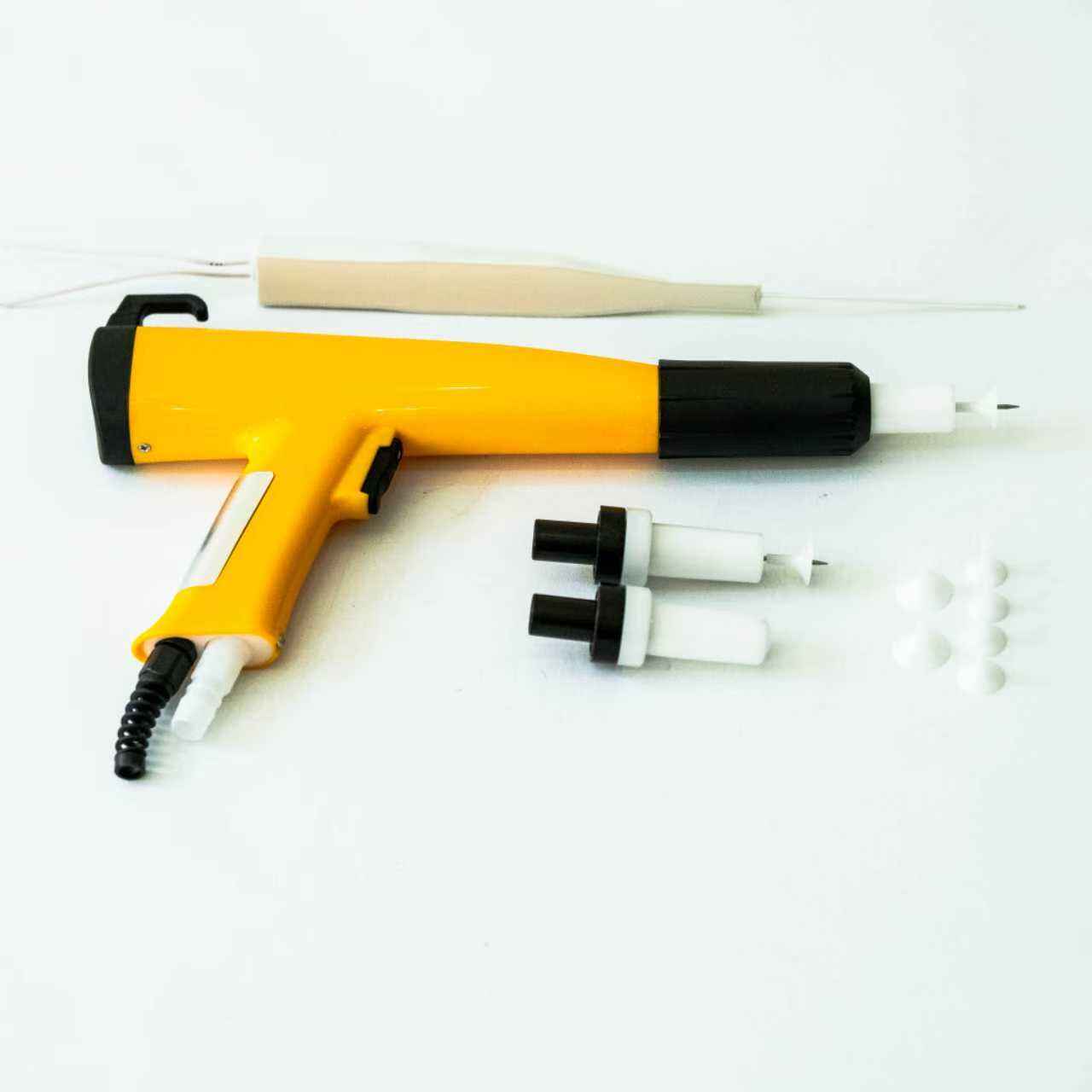
Electrostatic disinfectant spraying represents a revolutionary advancement in sanitation technology that has transformed how businesses and institutions approach surface disinfection. This innovative method utilizes electrostatic charging principles to ensure comprehensive coverage of disinfectant solutions across all surface types, including hard-to-reach areas that traditional cleaning methods often miss. The core technology behind electrostatic disinfectant spraying involves applying a positive electrical charge to liquid disinfectant particles as they pass through a specially designed nozzle. Once charged, these microscopic droplets are naturally attracted to negatively charged or neutral surfaces, creating a magnetic-like effect that causes the disinfectant to wrap around and coat objects uniformly from all angles. This technology finds extensive applications across healthcare facilities, educational institutions, commercial offices, transportation hubs, food processing plants, hospitality venues, and residential properties. The main functions of electrostatic disinfectant spraying include rapid pathogen elimination, comprehensive surface coverage, efficient chemical usage, and time-saving application processes. Technological features that distinguish this method include adjustable particle size control, precise flow rate management, rechargeable battery operation for cordless convenience, and compatibility with various EPA-approved disinfectant formulations. The spraying system typically delivers particles ranging from 40 to 80 microns, ensuring optimal adhesion without excessive wetness or dripping. Healthcare environments benefit particularly from electrostatic disinfectant spraying due to its ability to reach complex medical equipment surfaces, patient room furnishings, and high-touch areas where pathogenic microorganisms commonly reside. Schools and universities employ this technology to maintain hygienic learning environments, treating classrooms, cafeterias, gymnasiums, and common areas efficiently. Commercial facilities appreciate the reduced labor time required compared to manual wiping while achieving superior disinfection outcomes. The technology proves especially valuable during outbreak situations or flu seasons when rapid, thorough disinfection becomes critical for maintaining operational continuity and protecting occupant health.

New Products

The advantages of electrostatic disinfectant spraying extend far beyond conventional cleaning methods, offering tangible benefits that directly impact operational efficiency, cost management, and health outcomes. First and foremost, this technology dramatically reduces application time by up to 50 percent compared to traditional manual wiping or standard spray-and-wipe techniques. A single operator using electrostatic disinfectant spraying equipment can treat an entire classroom or office space in minutes rather than the extended periods required for manual disinfection. This time efficiency translates directly into labor cost savings, allowing organizations to maintain rigorous sanitation schedules without proportionally increasing staffing requirements. The wraparound coverage capability ensures that disinfectant reaches shadowed areas, undersides of furniture, backsides of equipment, and crevices that manual application typically misses, resulting in more complete pathogen elimination. Chemical efficiency represents another significant advantage, as the electrostatic charging process reduces waste by ensuring that more disinfectant adheres to intended surfaces rather than falling to the floor or dispersing into the air. Organizations typically experience a 30 to 40 percent reduction in disinfectant consumption when switching to electrostatic disinfectant spraying systems, lowering supply costs while maintaining or improving disinfection efficacy. The uniform coating achieved through electrostatic attraction ensures consistent dwell time across all treated surfaces, which is essential for disinfectants to achieve their labeled kill claims against specific pathogens. Users benefit from reduced physical strain since the technology eliminates repetitive wiping motions that can lead to worker fatigue and musculoskeletal injuries over time. The cordless, portable nature of modern electrostatic disinfectant spraying equipment enhances mobility, enabling operators to move freely between spaces without managing extension cords or searching for power outlets. Environmental advantages include the reduced chemical usage mentioned earlier, plus the ability to target specific areas precisely, minimizing unnecessary exposure of unoccupied spaces to disinfectant chemicals. The visible commitment to advanced sanitation technology provides psychological benefits to building occupants, employees, customers, and visitors who gain confidence from observing sophisticated disinfection procedures. Documentation becomes simpler as well, since the systematic nature of electrostatic disinfectant spraying allows for easier tracking of which areas have been treated and when, supporting compliance requirements in regulated industries. The technology adapts well to various facility types and sizes, from compact retail spaces to expansive warehouses, offering scalable solutions that grow with organizational needs without requiring completely different equipment investments.

Latest News

Thermal Management Strategies for High-Frequency High Voltage Modules

12

May

Thermal Management Strategies for High-Frequency High Voltage Modules

Why Thermal Management Is Critical for High-Voltage Modules Thermal runaway risks and reliability degradation at high voltage and >10 MHz switching High-voltage modules operating above 10 MHz face exponentially greater thermal runaway risks due to ...
View More
Certification Standards: Navigating UL, CE, and ISO Requirements for HV Modules

26

May

Certification Standards: Navigating UL, CE, and ISO Requirements for HV Modules

UL Certification: Safety and EMC Foundations for High Voltage Modules UL certification establishes critical safety benchmarks for high voltage modules in industrial and automotive applications. As a voluntary standard, it validates product reliabil...
View More
Sustainability Advantages: Zero-VOC Powder Coating Compared to Solvent-Based Paints

30

Jun

Sustainability Advantages: Zero-VOC Powder Coating Compared to Solvent-Based Paints

Zero-VOC Emissions: Regulatory Compliance and Health Protection How powder coating eliminates VOC release by design—no solvents, no off-gassing Unlike solvent-based paints that release volatile organic compounds (VOCs) during application and ...
View More
How to select the right flyback transformer model and specification

01

Apr

How to select the right flyback transformer model and specification

Selecting the right flyback transformer model and specification is a critical engineering decision that directly impacts power supply performance, reliability, and cost-effectiveness in switched-mode power supply (SMPS) applications. Engineers and pr...
View More

Get a Free Quote

Our representative will contact you soon.
Email
Mobile/WhatsApp
Name
Company Name
Message
0/1000

electrostatic disinfectant spraying

Superior Coverage Through Electrostatic Attraction Technology

Superior Coverage Through Electrostatic Attraction Technology

The fundamental advantage that sets electrostatic disinfectant spraying apart from all other disinfection methods lies in its scientifically engineered coverage capability, which leverages basic physics principles to achieve results impossible through manual application. When disinfectant droplets receive a positive electrical charge as they exit the sprayer nozzle, they actively seek out surfaces with opposite or neutral charges, creating an attraction force that can be up to 75 times stronger than gravity alone. This electromagnetic bonding causes the charged particles to change direction mid-flight, wrapping around cylindrical objects like chair legs, adhering to vertical surfaces without running or dripping, and even coating the undersides of horizontal surfaces that face downward. Traditional spray bottles or pump sprayers rely solely on the force of application and gravity, meaning disinfectant can only reach surfaces in the direct line of spray and quickly runs off vertical surfaces before adequate dwell time is achieved. The electrostatic disinfectant spraying method ensures that each surface receives a uniform coating of approximately 10 to 15 microns thickness, which represents the optimal balance between complete coverage and practical drying time. This consistent application proves critical for disinfectant efficacy, as most EPA-registered products require specific contact times on surfaces to achieve their claimed pathogen kill rates. Inconsistent application leaves some areas under-treated while wasting product on over-saturated zones. The three-dimensional coverage pattern means that complex environments filled with equipment, furniture, fixtures, and architectural features receive thorough treatment without requiring staff to manually reposition items or hand-wipe each surface individually. Healthcare settings particularly benefit from this capability when disinfecting patient rooms containing medical equipment with numerous surfaces, angles, and hard-to-access areas where pathogens might harbor. Educational facilities find value in treating classroom furniture arrangements without needing to move desks and chairs, significantly reducing the time required for daily or periodic deep cleaning procedures. The technology proves equally effective on porous and non-porous surfaces, including fabrics, upholstery, and textured materials that trap pathogens in ways that smooth surfaces do not, expanding the range of treatable items beyond what manual wiping can practically address in time-constrained operational environments.
Enhanced Operational Efficiency and Cost Effectiveness

Enhanced Operational Efficiency and Cost Effectiveness

Organizations implementing electrostatic disinfectant spraying experience measurable improvements in operational metrics that directly impact their financial performance and resource allocation strategies. The primary efficiency gain comes from the dramatic reduction in labor hours required to maintain equivalent or superior sanitation standards compared to conventional methods. Time-motion studies conducted across various facility types consistently demonstrate that electrostatic disinfectant spraying reduces disinfection time by 40 to 60 percent, depending on room complexity and furniture density. A custodial worker who previously required 20 minutes to manually disinfect a standard classroom can complete the same task in 8 to 10 minutes using electrostatic equipment, freeing substantial time for other maintenance priorities or reducing overall staffing requirements during budget-constrained periods. This efficiency multiplies across entire facilities, with large buildings potentially saving hundreds of labor hours monthly. The chemical cost savings complement labor efficiencies, as the precision application inherent in electrostatic disinfectant spraying technology minimizes waste through better adhesion and targeted delivery. Organizations typically reduce disinfectant purchases by 25 to 40 percent annually after implementing electrostatic systems, even while treating surfaces more frequently or expanding coverage to additional areas previously considered too time-intensive to address regularly. The equipment investment recovers relatively quickly through these combined savings, with most organizations achieving payback periods of 12 to 18 months depending on facility size and usage intensity. Maintenance costs remain minimal, as quality electrostatic disinfectant spraying units feature durable construction with few moving parts requiring replacement, and battery packs typically maintain effective performance through thousands of charge cycles. Training requirements prove straightforward, with most operators becoming proficient after just 30 to 60 minutes of instruction and supervised practice, eliminating the need for extensive or specialized training programs. The standardization of the disinfection process itself creates operational value by reducing variability in cleaning outcomes that often occurs with manual methods where individual technique, thoroughness, and attention to detail vary significantly between different staff members. Supervisors gain confidence that disinfection protocols are being executed consistently regardless of which team member performs the work, supporting quality assurance objectives and regulatory compliance in industries where sanitation documentation is scrutinized. The ability to quickly respond to contamination incidents or heightened infection risk periods provides organizational agility that protects operational continuity, as facilities can rapidly implement enhanced disinfection schedules without proportionally increasing costs or dramatically disrupting normal activities.
Versatile Application Across Multiple Industries and Environments

Versatile Application Across Multiple Industries and Environments

The remarkable versatility of electrostatic disinfectant spraying technology has driven its adoption across an exceptionally diverse range of industries, facility types, and specific use cases, each benefiting from the core advantages while addressing unique sectoral requirements. Healthcare facilities were among the earliest adopters, recognizing that patient rooms, operating theaters, emergency departments, and diagnostic areas require the most rigorous disinfection standards to prevent healthcare-associated infections that affect millions of patients annually. The technology enables terminal cleaning of patient rooms between occupants to be completed more thoroughly and rapidly, reducing room turnover time while enhancing infection control. Medical equipment, examination tables, imaging devices, and the countless surfaces patients and providers contact during care delivery receive comprehensive treatment that manual wiping struggles to match given time constraints and surface complexity. Educational institutions from elementary schools through universities have embraced electrostatic disinfectant spraying to protect students and staff from seasonal illnesses and infectious disease outbreaks that can disrupt learning and strain attendance. The ability to quickly treat classrooms, laboratories, cafeterias, libraries, and athletic facilities during evening hours or between class periods means schools can maintain high sanitation standards without interfering with educational programming. Commercial office environments utilize the technology to support employee wellness initiatives and reduce absenteeism related to workplace illness transmission, treating open-plan workspaces, conference rooms, break areas, and high-traffic lobbies efficiently. The hospitality industry, including hotels, resorts, restaurants, and entertainment venues, leverages electrostatic disinfectant spraying to meet elevated guest expectations for cleanliness while managing the rapid room turnover that characterizes their operations. Transportation facilities such as airports, train stations, and bus terminals employ the technology to address the constant pathogen exposure risk created by high volumes of travelers from diverse locations. Food processing and manufacturing environments benefit from the ability to disinfect production areas, packaging lines, and equipment surfaces thoroughly without excessive moisture that might compromise product quality or create slip hazards. Fitness centers and recreational facilities treat exercise equipment, locker rooms, and shared spaces where perspiration and close human contact create ideal conditions for pathogen transmission. Even residential applications have emerged, with professional cleaning services offering electrostatic disinfectant spraying as a premium service for homes, particularly during illness recovery periods or for clients with immunocompromised household members. This breadth of application demonstrates that the core technology transcends industry boundaries, providing valuable sanitation enhancement wherever human activity creates infection risk and surface contamination concerns.

Get a Free Quote

Our representative will contact you soon.
Email
Mobile/WhatsApp
Name
Company Name
Message
0/1000
Newsletter
Please Leave A Message With Us