Exceptional Coating Durability Ensures Long-Term Performance
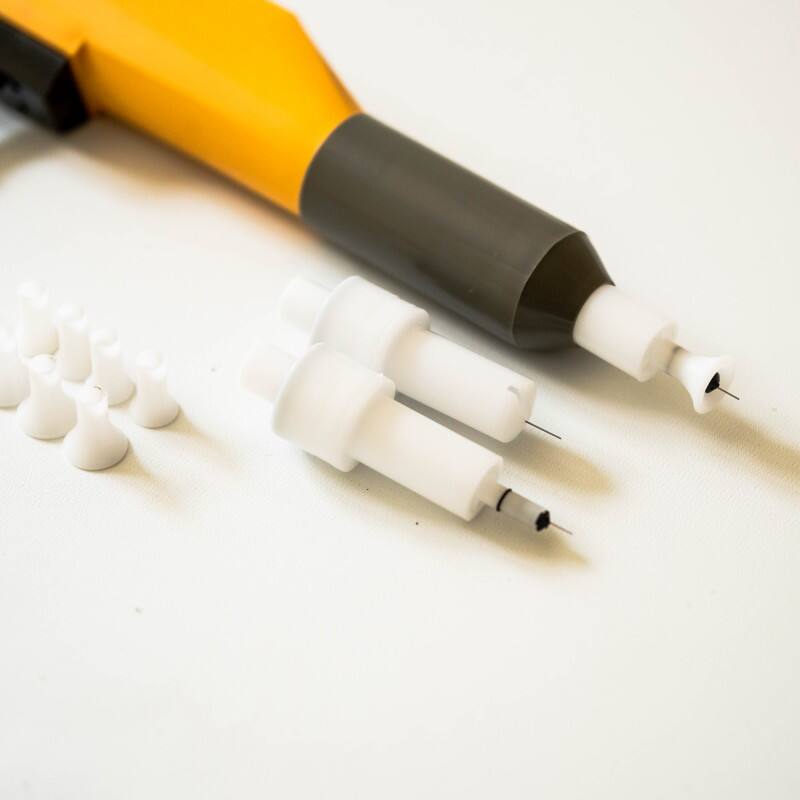
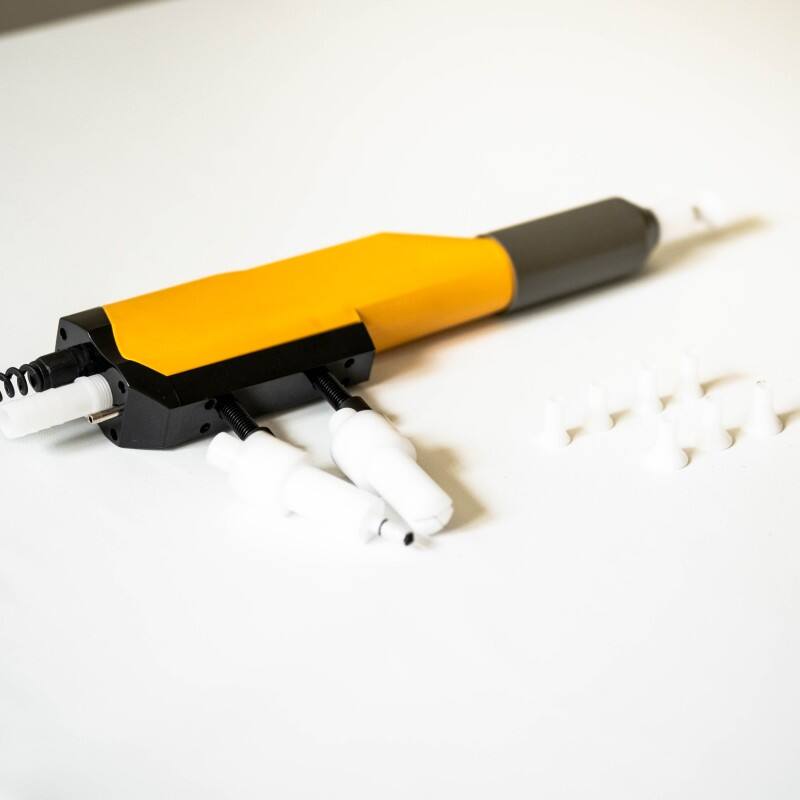
Products finished with a powder coating electrostatic gun exhibit remarkable durability characteristics that significantly outlast alternative coating methods, delivering tangible value to end users through extended service life and maintained appearance. The superior performance stems from the fundamental chemistry of powder coatings combined with the uniform application enabled by electrostatic technology. Unlike liquid coatings that contain 40 to 60 percent solvents which evaporate during curing, powder formulations consist entirely of solid resin and pigment components that crosslink into dense, continuous films without pinholes or weak spots. This molecular structure creates an armor-like barrier that protects underlying metal substrates from corrosion, chemical attack, and physical damage far more effectively than conventional paint films. The powder coating electrostatic gun contributes to this durability advantage by depositing uniform film thickness across entire surfaces, eliminating the thin spots and sags that compromise protective properties in liquid-coated items. Field performance data consistently demonstrates that powder-coated products resist chipping from impact, scratching from abrasion, and fading from ultraviolet exposure substantially better than painted equivalents. Outdoor applications particularly benefit from powder coating durability, with architectural aluminum components, outdoor furniture, and automotive parts maintaining color stability and gloss retention for decades rather than years. The chemical resistance of powder coatings protects industrial equipment exposed to solvents, oils, acids, and alkaline solutions that would quickly degrade painted surfaces, reducing maintenance costs and extending replacement intervals. Temperature stability represents another durability dimension where powder coatings excel, maintaining integrity and appearance at elevated temperatures that cause liquid coatings to discolor, blister, or fail entirely. Appliance manufacturers leverage this thermal resistance for oven components, water heaters, and other heat-generating products that demand reliable performance throughout extended service lives. The flexibility engineered into modern powder formulations prevents the brittleness that plagued early powder coatings, allowing finished parts to withstand fabrication stresses, thermal expansion cycles, and mechanical flexing without cracking or delamination. This combination of hardness and flexibility creates an optimal balance for real-world applications where coated products experience varied stresses throughout their lifecycles. Corrosion protection achieved through powder coating electrostatic gun application meets or exceeds the most demanding industry standards, including automotive underbody specifications and marine environment requirements where salt spray accelerates metal degradation. The electrical insulation properties of cured powder films provide additional value in applications where preventing current flow or electrical discharge matters for safety or functional reasons. Maintenance requirements decrease dramatically because powder-coated surfaces resist dirt accumulation and clean easily with simple soap and water, eliminating the need for harsh chemicals or abrasive cleaning methods that damage other finishes. When repairs become necessary, the toughness of powder coatings often allows localized touch-up rather than complete refinishing, saving time and money while maintaining appearance quality throughout product life.