Manual Powder Coating Gun: Professional Electrostatic Finishing Equipment for Superior Results

Get a Free Quote

Our representative will contact you soon.
Email
Mobile/WhatsApp
Name
Company Name
Message
0/1000

manual powder coating gun

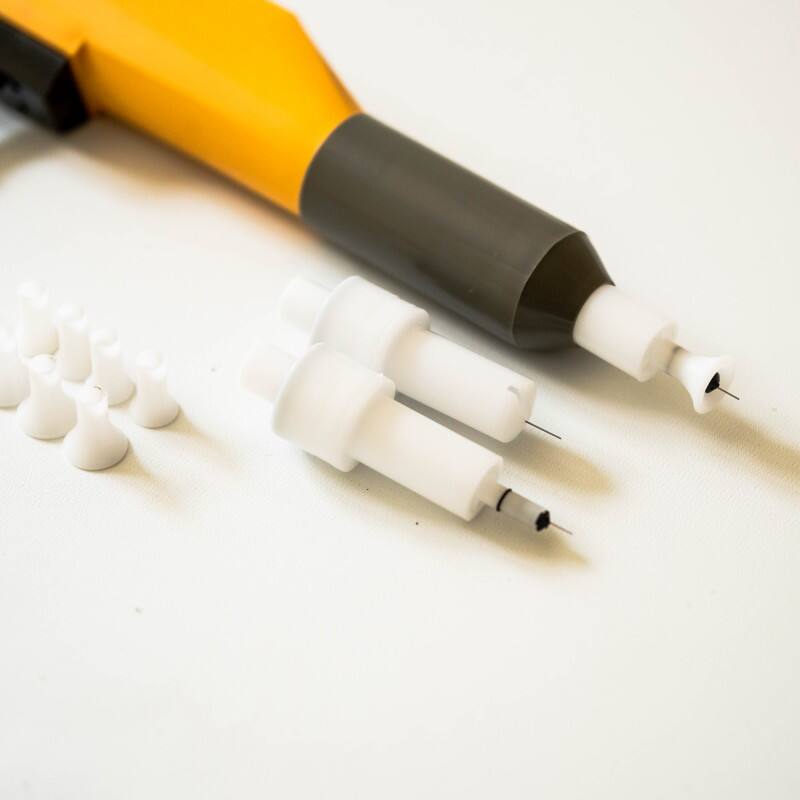
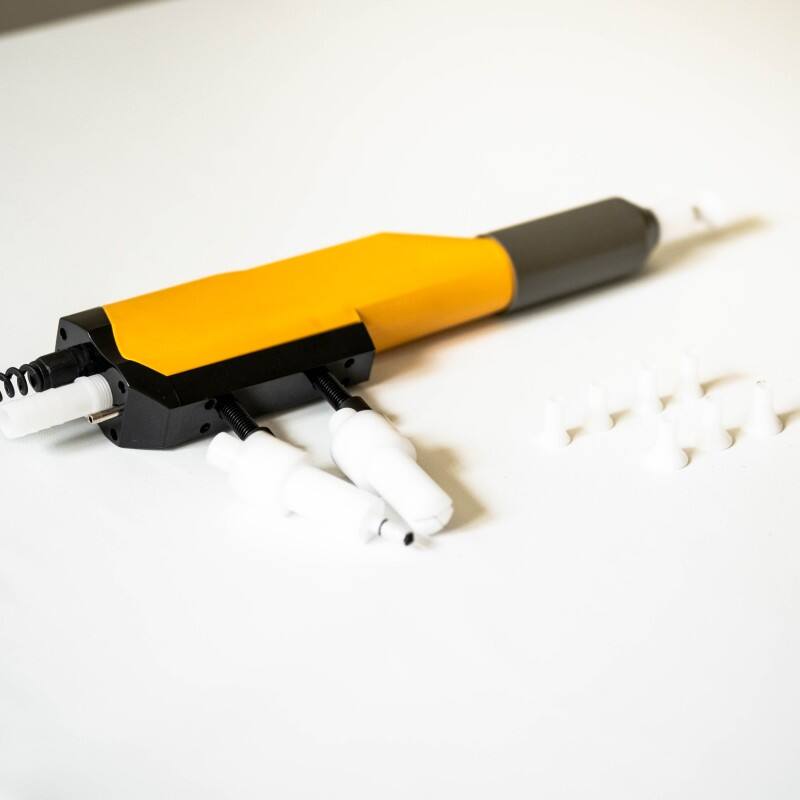
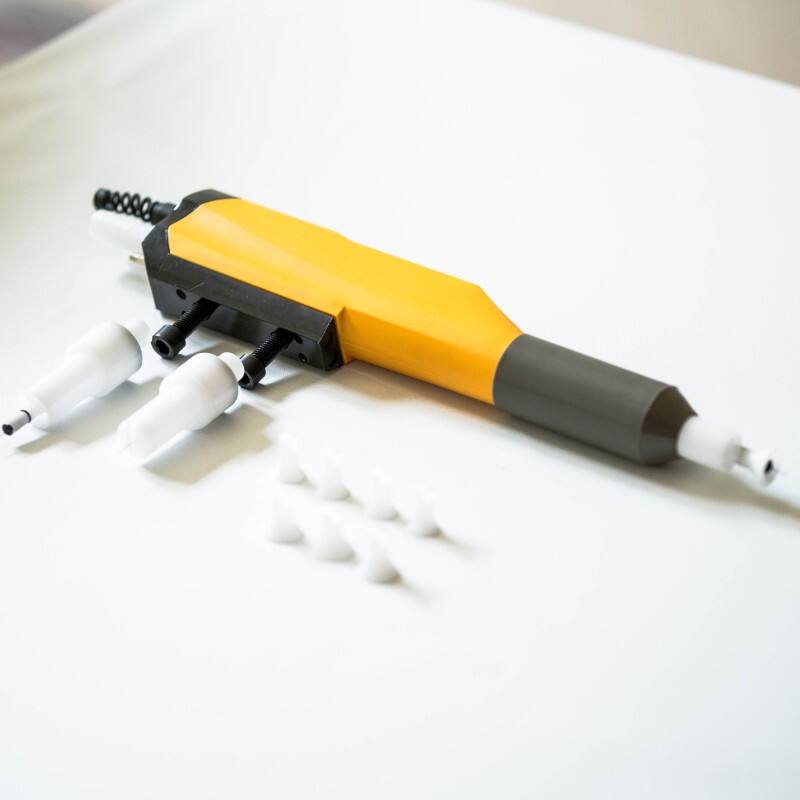
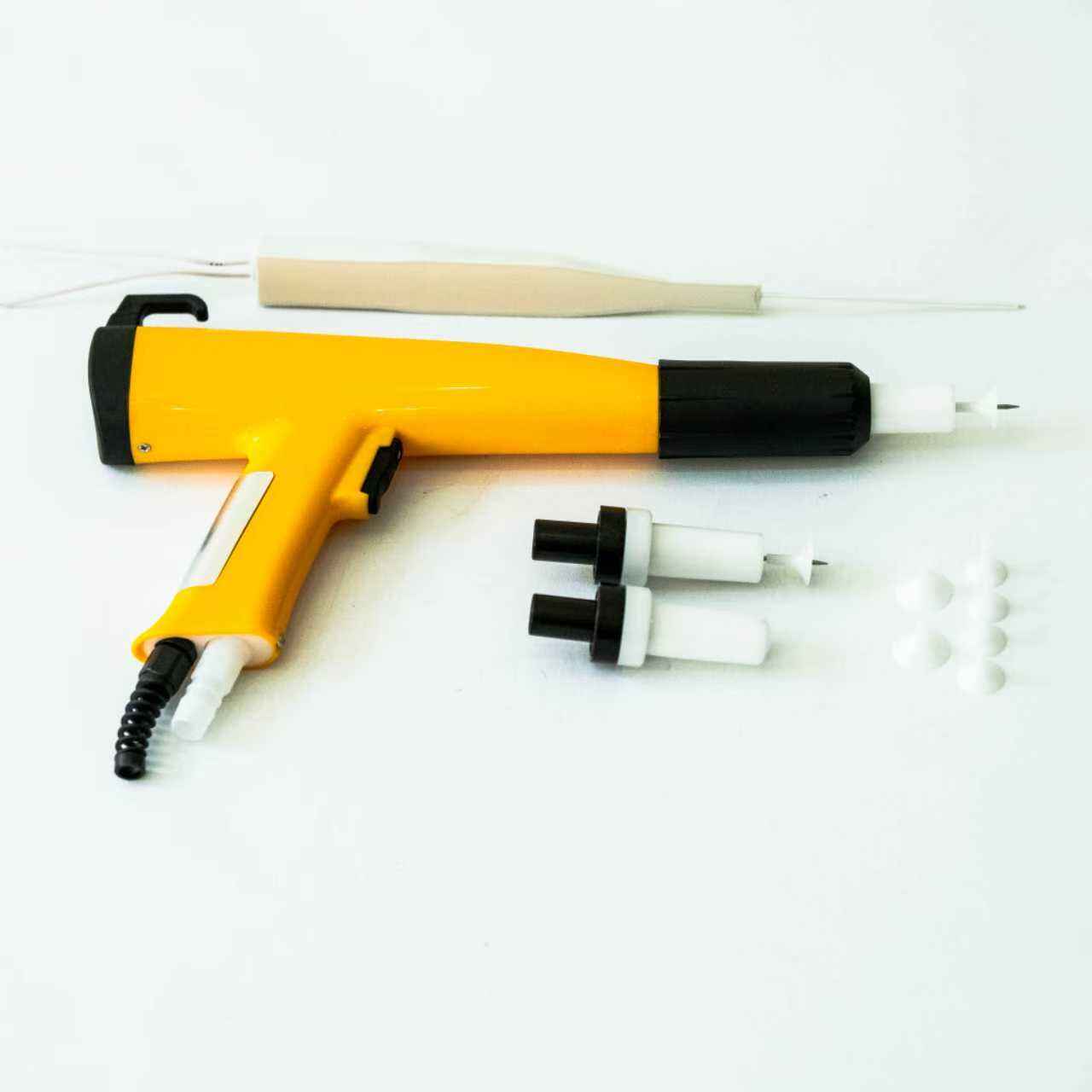
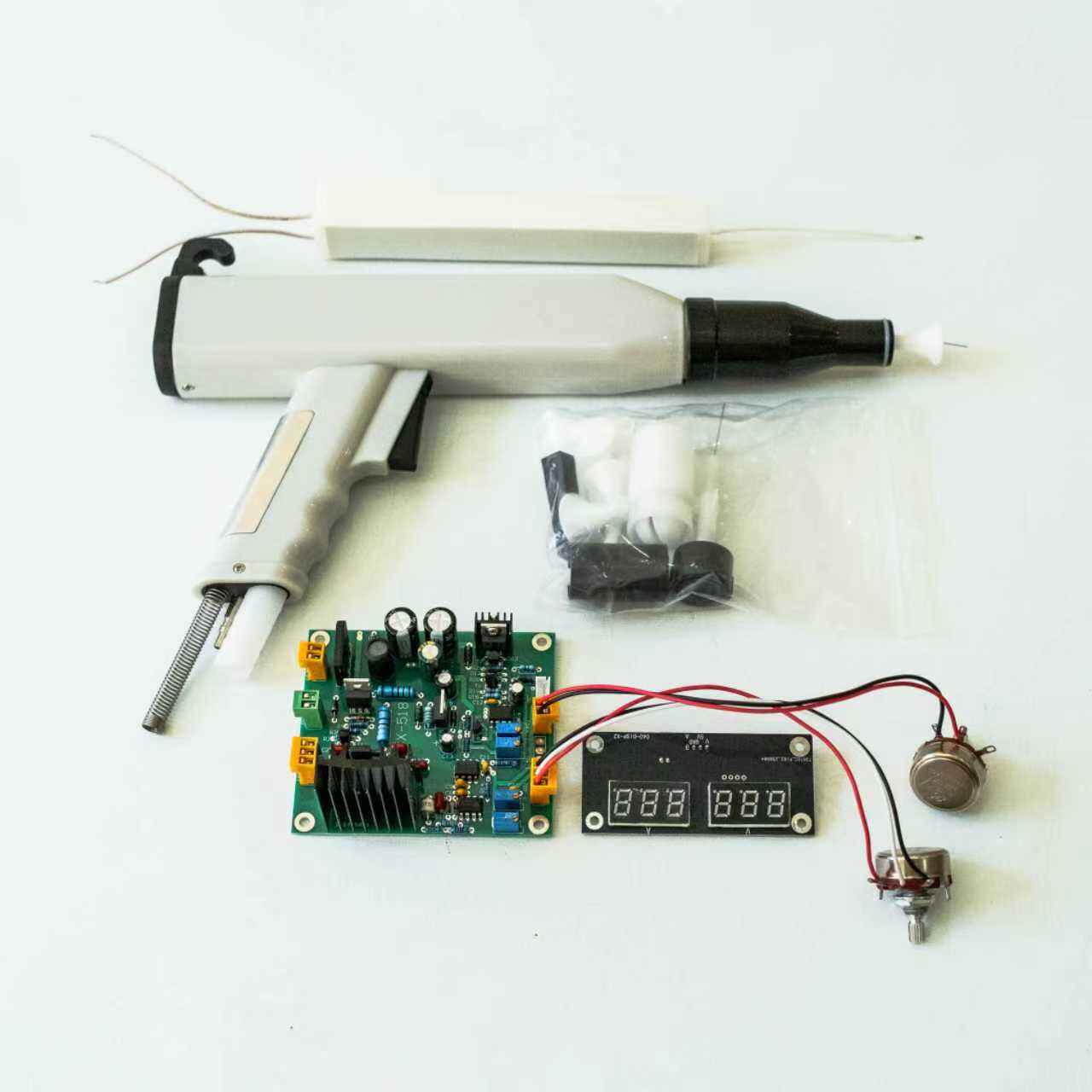
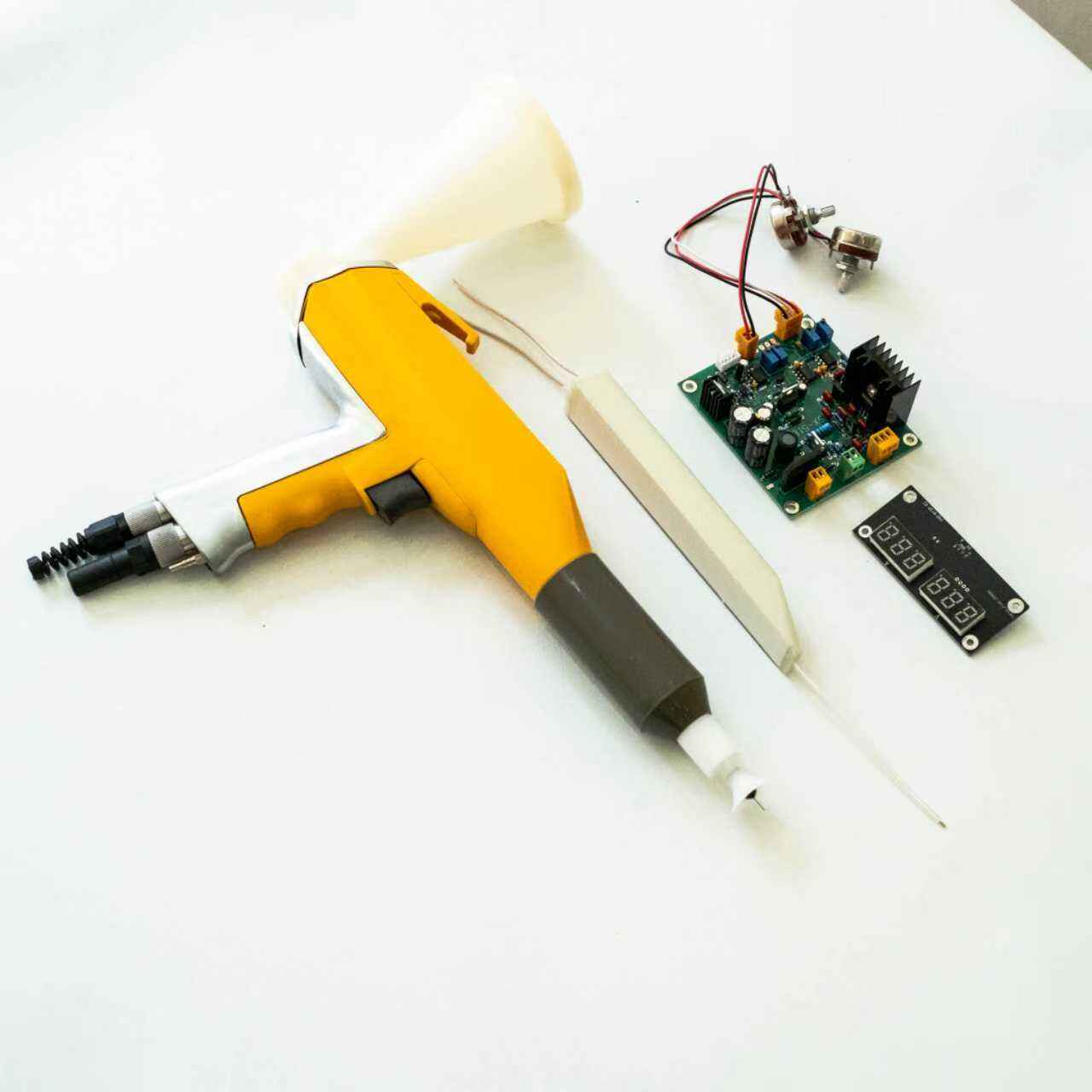
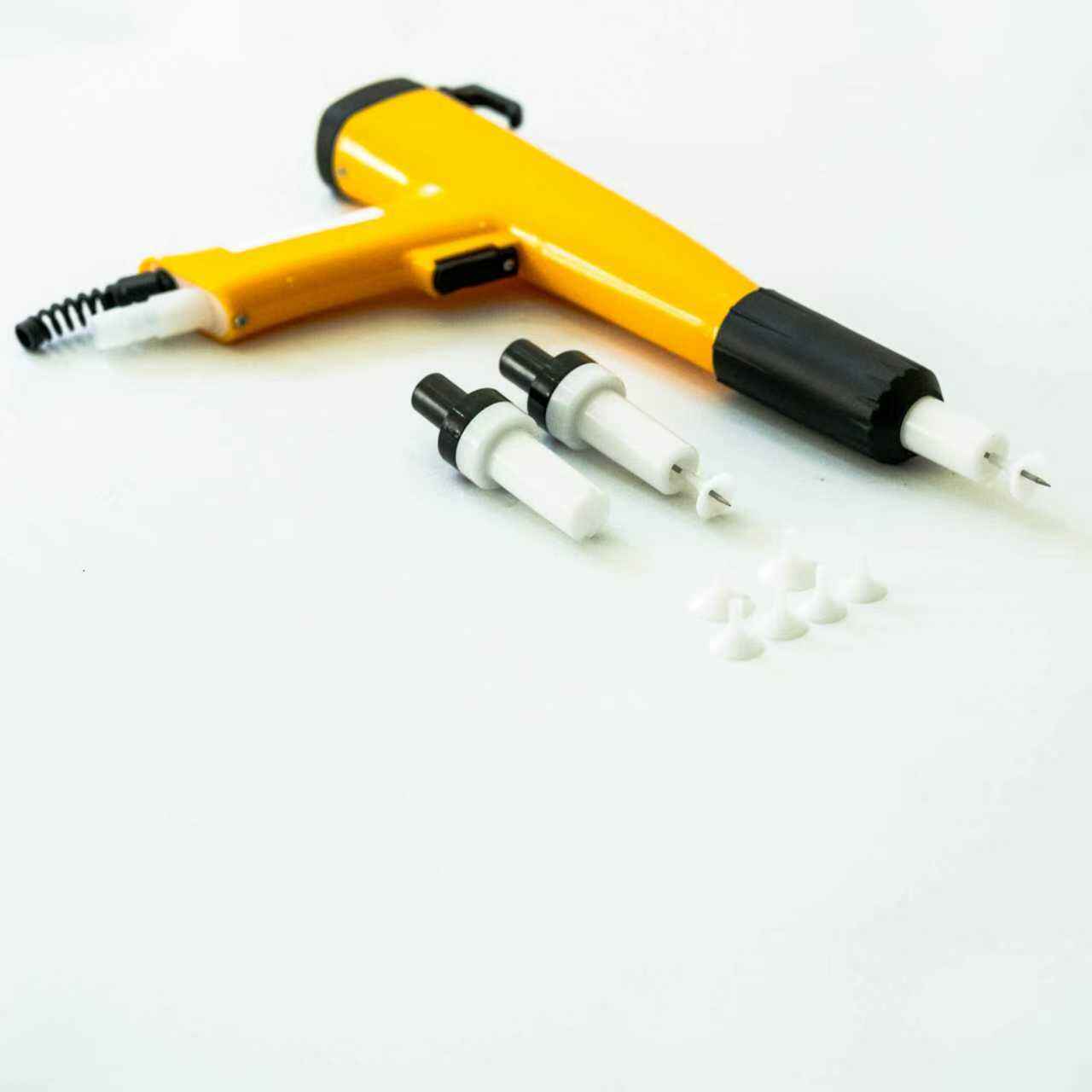
The manual powder coating gun represents a fundamental tool in modern surface finishing operations, designed to apply dry powder coating materials onto various metal substrates through electrostatic charging technology. This handheld device operates by propelling powder particles through a specialized nozzle while simultaneously charging them electrically, creating an attractive force between the coating material and the grounded workpiece. The core mechanism involves a high-voltage generator that produces an electrostatic field, causing powder particles to acquire a negative charge as they exit the gun barrel. These charged particles then travel toward the positively grounded object, adhering uniformly to its surface until the curing process begins. The manual powder coating gun serves multiple functions in professional finishing environments, from small-scale custom projects to medium-volume production runs. Its primary purpose centers on delivering consistent, controllable powder application that ensures optimal coverage while minimizing material waste. The technological framework of this equipment incorporates precision-engineered components including adjustable air regulators, powder flow control valves, electrode systems, and ergonomic trigger mechanisms. Modern manual powder coating gun designs feature interchangeable nozzles to accommodate different powder types and particle sizes, voltage adjustment capabilities for various substrate geometries, and lightweight construction materials that reduce operator fatigue during extended use. Applications for this versatile tool span numerous industries including automotive parts finishing, furniture manufacturing, architectural metalwork, industrial equipment coating, appliance production, and custom fabrication shops. The equipment proves particularly valuable for coating complex geometries, handling small batch production, performing touch-up work, and addressing specialized finishing requirements where automated systems lack flexibility. The manual powder coating gun delivers professional-grade results while maintaining operational simplicity, making it an indispensable asset for businesses seeking efficient, economical, and high-quality surface finishing solutions.

New Products

Investing in a manual powder coating gun brings substantial practical benefits that directly impact your bottom line and production quality. First and foremost, this equipment dramatically reduces material costs compared to liquid painting alternatives, as the overspray powder can be collected and reused multiple times without degradation in quality. You will notice immediate savings on coating materials, with waste reduction rates reaching up to 95 percent in well-configured systems. The application process itself requires no solvents or thinners, eliminating ongoing expenses for these consumables while simultaneously removing storage and handling costs associated with hazardous liquids. Operational efficiency represents another compelling advantage, as the manual powder coating gun enables faster coverage rates than traditional brush or spray painting methods. Operators can coat surfaces more quickly while achieving superior uniformity, which translates to increased throughput and shorter turnaround times for customer orders. The equipment requires minimal setup time between color changes, particularly when compared to liquid systems that demand extensive cleaning procedures. Simply purge the remaining powder, swap the supply container, and resume coating operations within minutes rather than hours. Durability and finish quality delivered by this technology surpass conventional painting methods significantly. The cured powder coating creates a harder, more resistant surface that withstands chips, scratches, fading, and chemical exposure far better than liquid paints. Your customers will appreciate products that maintain their appearance and protection over extended service lives, leading to enhanced satisfaction and repeat business opportunities. Environmental and safety advantages cannot be overlooked, as the manual powder coating gun produces zero volatile organic compounds during application. Your facility avoids air quality complications, regulatory compliance issues, and employee exposure concerns associated with solvent-based systems. The workspace remains cleaner and safer, with no offensive odors or ventilation challenges. Maintenance requirements for this equipment remain refreshingly straightforward, involving basic cleaning procedures and occasional replacement of wear components like nozzles and seals. You avoid the complex upkeep demands of automated systems while still achieving professional results. The initial investment proves modest compared to automated coating lines, making this technology accessible for small to medium operations. Your business gains professional finishing capabilities without massive capital expenditure or operational complexity. Flexibility stands as perhaps the most valuable practical benefit, allowing you to handle diverse projects, accommodate custom colors, coat intricate shapes, and respond quickly to changing production requirements without reconfiguring expensive automated systems.

Practical Tips

Nozzle Geometry and Spray Patterns: Matching Gun Design to Part Complexity

16

Jun

Nozzle Geometry and Spray Patterns: Matching Gun Design to Part Complexity

How Nozzle Geometry Shapes Spray Pattern Formation in Powder Coating Spray Guns Swirl Chamber Design and Inlet Orientation: Axial vs. Tangential Flow Effects on Pattern Symmetry Swirl chamber configuration fundamentally governs airflow dynamics&mda...
View More
Overcoming Orange Peel and Faraday Cage Effects in Powder Coating Applications

23

Jun

Overcoming Orange Peel and Faraday Cage Effects in Powder Coating Applications

Root Causes of Orange Peel and Faraday Cage Defects Orange Peel: How Melt Flow, Film Thickness, and Cure Profile Interact Orange peel texture arises from the interplay of melt viscosity during curing, inconsistent film thickness, and suboptimal the...
View More
Robotic Integration: Automating Powder Coating Spray Guns for Consistent Results

29

Jun

Robotic Integration: Automating Powder Coating Spray Guns for Consistent Results

Why Robotic Automation Eliminates Variability in Powder Coating Spray Gun Performance Human factors vs. robotic precision: Distance, angle, and powder flow rate control Manual powder coating introduces inherent variability due to physiological and ...
View More
What are the key steps for flyback transformer maintenance

15

Apr

What are the key steps for flyback transformer maintenance

Proper maintenance of a flyback transformer is essential to ensure the longevity, reliability, and optimal performance of power supply systems across various industrial and commercial applications. Understanding the key steps for flyback transformer ...
View More

Get a Free Quote

Our representative will contact you soon.
Email
Mobile/WhatsApp
Name
Company Name
Message
0/1000

manual powder coating gun

Precision Electrostatic Charging Technology for Superior Coating Adhesion

Precision Electrostatic Charging Technology for Superior Coating Adhesion

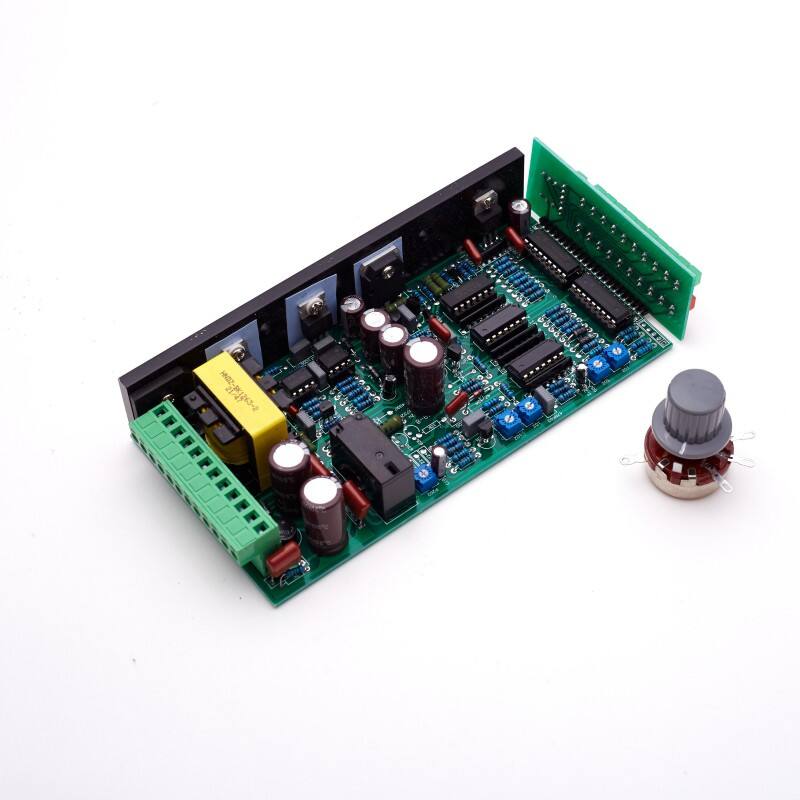
The manual powder coating gun employs sophisticated electrostatic charging technology that fundamentally transforms how powder particles interact with target surfaces, delivering coating adhesion and uniformity that traditional application methods simply cannot match. At the heart of this technology lies a high-voltage cascade generator that produces electrical potential differences ranging from 30,000 to 100,000 volts, depending on the specific gun model and application requirements. As powder particles exit the gun nozzle and pass through the electrostatic field created near the electrode tip, each microscopic particle acquires a negative electrical charge through a process called corona charging. This charging mechanism occurs when air molecules surrounding the electrode become ionized by the intense electrical field, creating a corona discharge zone where powder particles pick up electrons and become negatively charged. The beauty of this system manifests when these charged particles encounter the grounded workpiece, as fundamental physics dictates that opposite charges attract with measurable force. The electrostatic attraction pulls powder particles directly toward the substrate surface, causing them to wrap around edges, penetrate recessed areas, and coat complex geometries that would challenge conventional spray methods. This wrapping effect proves particularly valuable when coating items with intricate shapes, hollow sections, or three-dimensional features, as the charged particles literally seek out uncoated surfaces rather than simply traveling in straight lines like liquid paint droplets. The manual powder coating gun gives operators precise control over charging intensity through voltage adjustment features, enabling optimization for different powder formulations, substrate materials, and part geometries. Lower voltage settings work effectively for thin-walled components or heat-sensitive materials, while higher voltages maximize coverage efficiency on heavy-gauge metals or deeply recessed areas. The consistent particle charging delivered by quality equipment ensures uniform film thickness across the entire coated surface, eliminating the thin spots, sags, and runs that plague liquid coating applications. Operators appreciate how the electrostatic attraction holds powder in place on vertical and inverted surfaces before curing, preventing the gravitational slumping that liquid paints experience. This technology also contributes significantly to material efficiency, as the electrical attraction between powder and substrate means more coating material actually adheres to the intended surface rather than drifting away as waste. The result translates to transfer efficiency rates exceeding 85 percent in typical applications, dramatically reducing material consumption compared to liquid systems that often waste 40 to 60 percent of applied coating.
Ergonomic Design and Operational Flexibility for Enhanced Productivity

Ergonomic Design and Operational Flexibility for Enhanced Productivity

The manual powder coating gun distinguishes itself through carefully engineered ergonomic features and operational versatility that directly enhance productivity while reducing operator fatigue during extended coating sessions. Modern designs prioritize user comfort through balanced weight distribution, placing the gun's center of gravity close to the operator's natural grip point to minimize wrist strain and muscular effort required to maintain steady aim. Manufacturers construct gun bodies from lightweight yet durable materials such as reinforced polymers and aluminum alloys, achieving total equipment weights typically ranging from 1.2 to 2.5 pounds depending on configuration and features. This thoughtful weight management becomes critically important during production runs lasting several hours, as heavy equipment causes cumulative fatigue that degrades coating quality and slows application rates. The grip design incorporates contoured surfaces that conform naturally to hand shapes, distributing pressure across broader contact areas rather than creating concentrated stress points that lead to discomfort. Textured grip surfaces ensure secure handling even when operators wear gloves, preventing slippage that could compromise coating precision or create safety concerns. Trigger mechanisms feature smooth, progressive actuation that allows operators to modulate powder flow rates intuitively through trigger pressure variation, providing fingertip control over coating density without requiring separate adjustment procedures. This responsive control enables skilled operators to apply heavier coats in areas requiring maximum protection while using lighter applications on less critical surfaces, optimizing material usage and finish quality. The manual powder coating gun adapts seamlessly to diverse production requirements through interchangeable components and adjustable parameters. Quick-change nozzle systems allow rapid switching between different orifice sizes to accommodate fine detail work with small powder particles or high-volume coverage using coarser materials. Air pressure regulators built into the gun body or supplied as inline accessories provide precise control over powder delivery velocity, enabling operators to match application characteristics to specific project requirements. Cable lengths connecting the gun to power supplies typically extend six to ten feet, providing adequate mobility for coating large items or moving around workpieces without constant repositioning of equipment. Some advanced manual powder coating gun models incorporate integrated powder containers that attach directly to the gun body, eliminating external hoses and creating a more compact, maneuverable tool particularly suited for small parts or detailed touch-up work. The operational flexibility extends to color changing procedures, which proceed quickly through simple equipment purging rather than extensive cleaning rituals. Operators simply exhaust remaining powder from the system, disconnect the supply container, attach a new color source, and resume coating within five to ten minutes, supporting efficient small-batch production and custom finishing operations that frequently change between different powder formulations and colors.
Cost-Effective Material Efficiency and Environmentally Responsible Operation

Cost-Effective Material Efficiency and Environmentally Responsible Operation

The manual powder coating gun delivers exceptional economic value through outstanding material efficiency while simultaneously supporting environmentally responsible manufacturing practices that align with modern sustainability expectations and regulatory requirements. Unlike liquid coating systems where overspray represents permanent waste requiring disposal, the powder application process inherently supports material recovery and reuse. Powder particles that miss the target workpiece during application do not undergo chemical changes or contamination, maintaining their original properties and coating performance capabilities. This characteristic enables collection of overspray material through booth filtration systems, followed by screening to remove contaminants and direct return to the coating process. Well-designed operations routinely reclaim and reuse 90 to 95 percent of overspray powder, transforming what would constitute waste in liquid systems into recyclable inventory. The financial implications prove substantial, as powder coating materials represent significant operating costs in finishing operations. By recovering and reusing material rather than discarding overspray, facilities using a manual powder coating gun reduce their material consumption by 40 to 60 percent compared to theoretical usage calculations based solely on part surface areas. These savings accumulate rapidly in production environments, often recovering the equipment investment within months through reduced material purchases alone. The application efficiency of electrostatic powder coating technology further amplifies material savings, as the electrical attraction between charged particles and grounded workpieces ensures that substantially more applied material actually adheres to intended surfaces. Transfer efficiency rates typically range from 75 to 90 percent depending on part geometry and operator skill, dramatically exceeding the 40 to 50 percent transfer efficiency common in conventional liquid spray applications. Environmental advantages extend far beyond material efficiency, as powder coating processes eliminate volatile organic compound emissions entirely. The manual powder coating gun applies dry powder containing zero solvents, producing no air pollution during application and requiring no ventilation systems to capture harmful vapors. Facilities avoid the complex air quality permits, monitoring requirements, and emission control equipment mandated for liquid coating operations, reducing both capital investment and ongoing compliance costs. Worker safety improves substantially in powder coating environments, as employees face no exposure to solvent vapors, toxic thinners, or hazardous liquid chemicals. The worst-case exposure scenario involves nuisance dust that simple respiratory protection easily addresses, creating a fundamentally safer workplace compared to liquid finishing operations. Cleanup procedures become simpler and more environmentally benign, involving collection of dry powder residue rather than management of contaminated solvents, dirty thinner, and hazardous liquid waste. The overall operational footprint of facilities using a manual powder coating gun shrinks considerably, requiring less energy for ventilation, generating minimal hazardous waste, and eliminating storage requirements for flammable liquids and associated fire suppression systems. These combined advantages position powder coating technology as the environmentally preferred finishing method while simultaneously delivering superior economic performance through material efficiency and reduced operational complexity.

Get a Free Quote

Our representative will contact you soon.
Email
Mobile/WhatsApp
Name
Company Name
Message
0/1000
Newsletter
Please Leave A Message With Us