Enhanced HVAC System Performance and Longevity
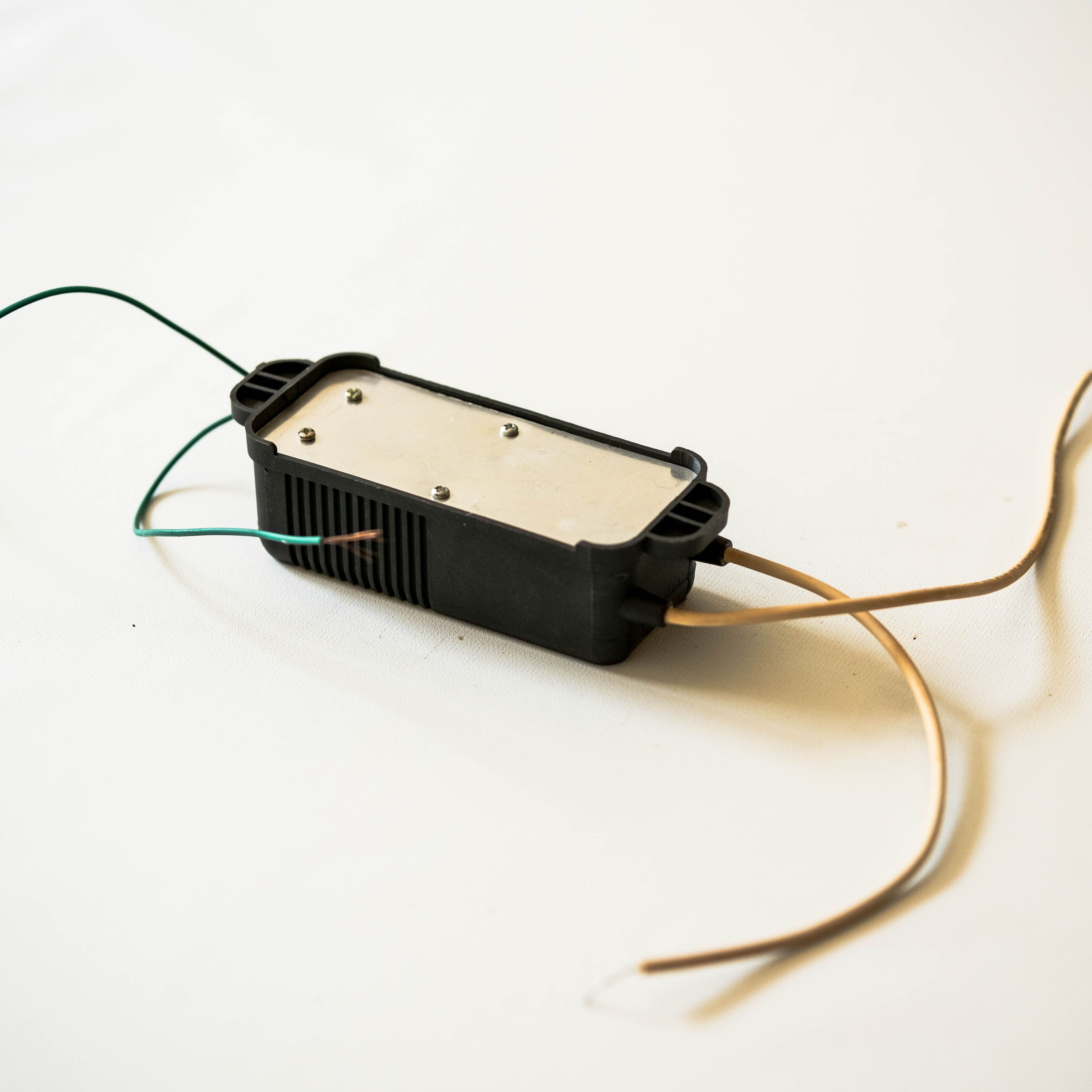
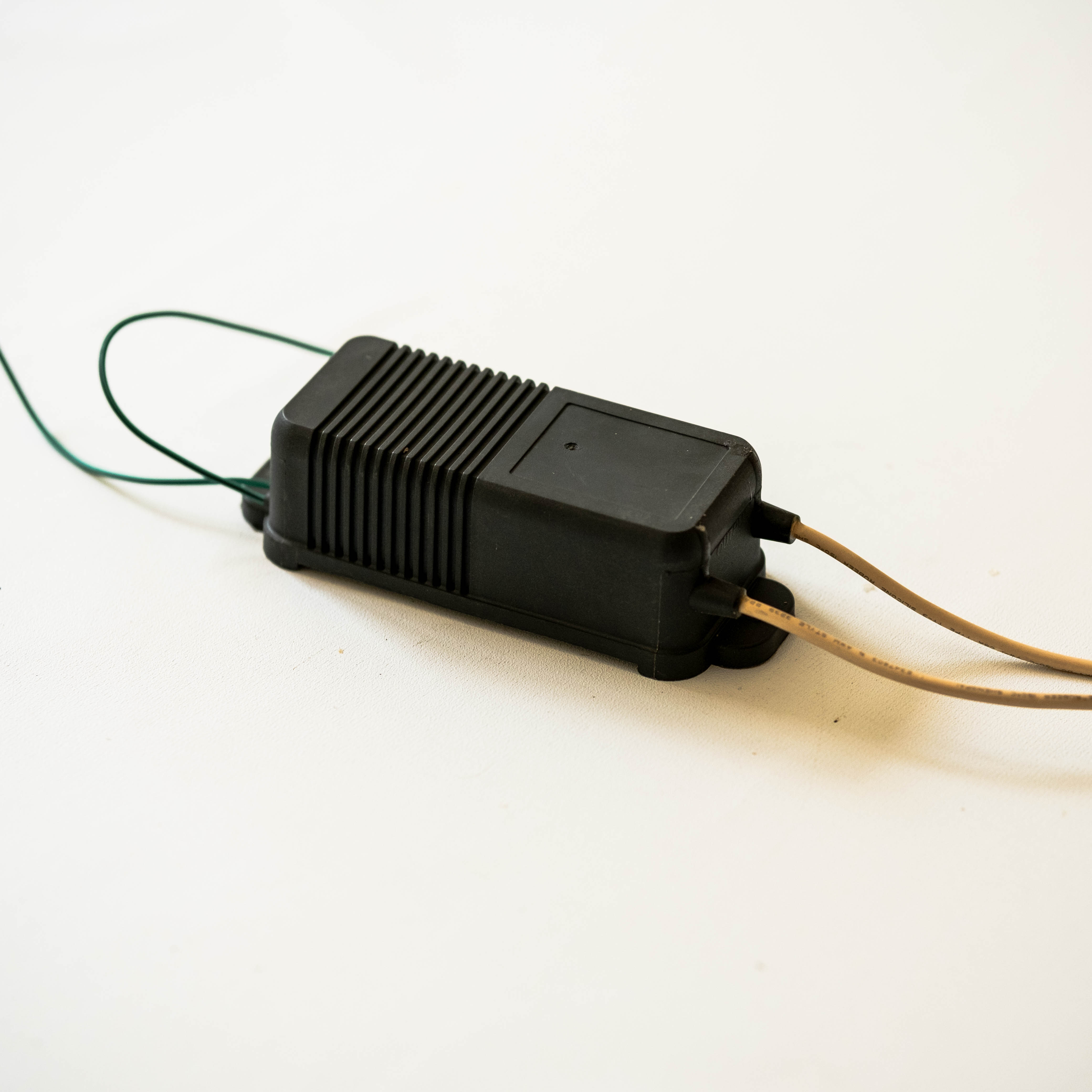
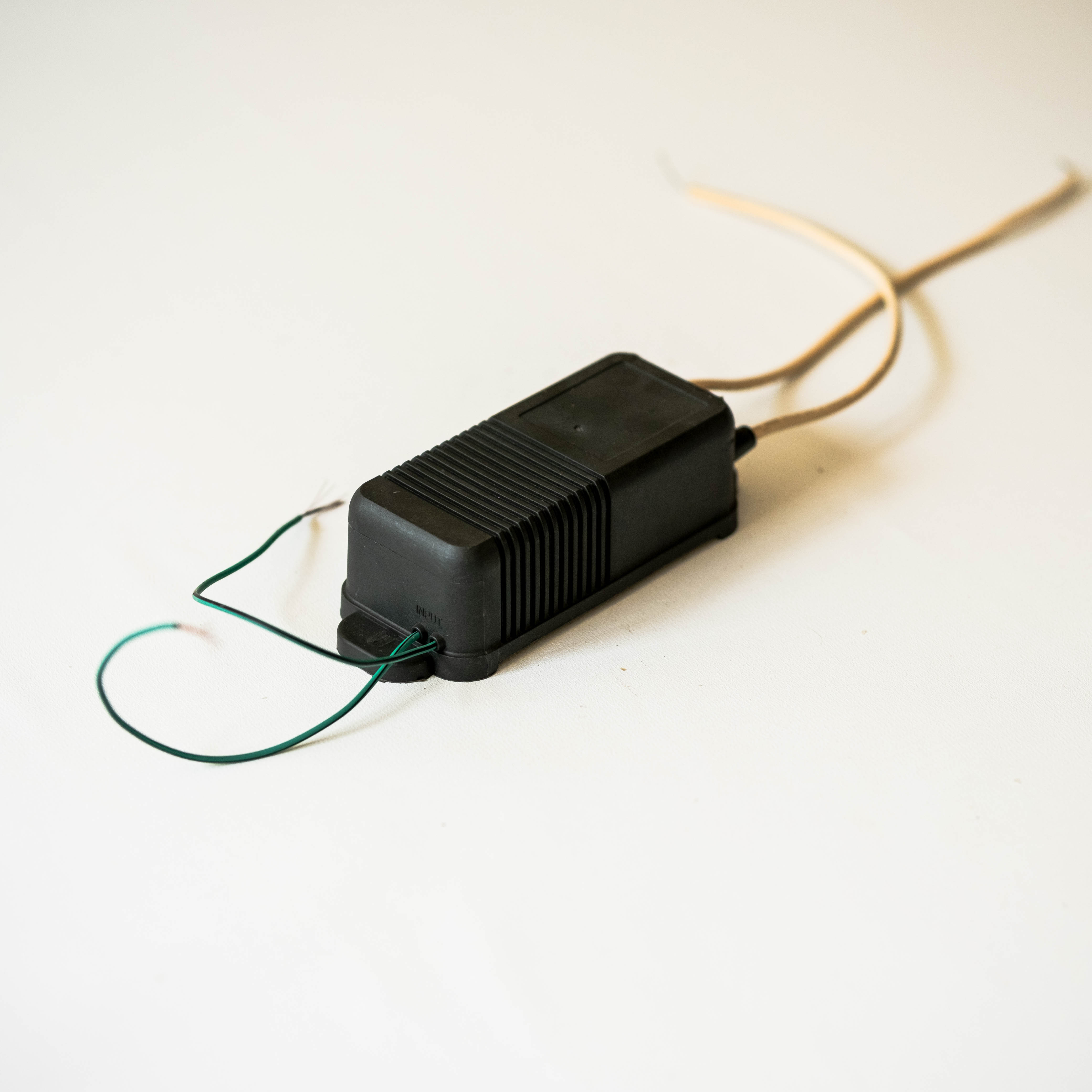
Integrating an hvac ozone generator into your climate control infrastructure delivers substantial benefits that extend far beyond air quality improvement, directly impacting system performance, operational efficiency, and equipment lifespan. HVAC systems naturally accumulate biological growth within their dark, sometimes damp internal environments, with mold, mildew, bacteria, and algae colonizing evaporator coils, condensate drain pans, and ductwork surfaces. These accumulations restrict airflow, reduce heat transfer efficiency, create unpleasant odors, and force systems to work harder to maintain desired temperatures. Regular ozone treatment prevents these biological films from establishing themselves, keeping coil surfaces clean and maximizing thermal exchange effectiveness. When evaporator coils remain free from microbial buildup, your air conditioner cools more effectively using less energy, translating directly into lower utility bills month after month. The hvac ozone generator also addresses condensate drain line clogs, a common maintenance headache that leads to water damage, emergency service calls, and system shutdowns. By preventing slime and algae growth in these drain lines, ozone treatment helps water flow freely, eliminating overflow risks and the need for chemical drain treatments. Ductwork benefits similarly, as ozone prevents dust-bound mold spores from taking root on interior surfaces and subsequently spreading throughout your building every time the system operates. Cleaner ducts mean cleaner air delivery and reduced filter replacement frequency, as less particulate matter circulates through the system. HVAC technicians consistently report that systems receiving regular ozone treatment require fewer service calls, experience fewer component failures, and demonstrate measurably better performance metrics compared to untreated systems. Blower motors run more smoothly when not forcing air through restricted, contaminated coils, reducing electrical consumption and mechanical wear. The compressor, often the most expensive HVAC component, benefits from improved overall system efficiency, operating within optimal parameters rather than straining under unnecessary load. For building owners managing multiple HVAC systems across large facilities, implementing hvac ozone generator technology represents a strategic maintenance investment that reduces long-term capital expenditure by postponing costly equipment replacement. The preventive nature of ozone treatment aligns perfectly with modern predictive maintenance philosophies, addressing problems before they escalate into failures that disrupt operations and require emergency interventions at premium costs.