Comprehensive Antimicrobial Protection for Enhanced Food Safety
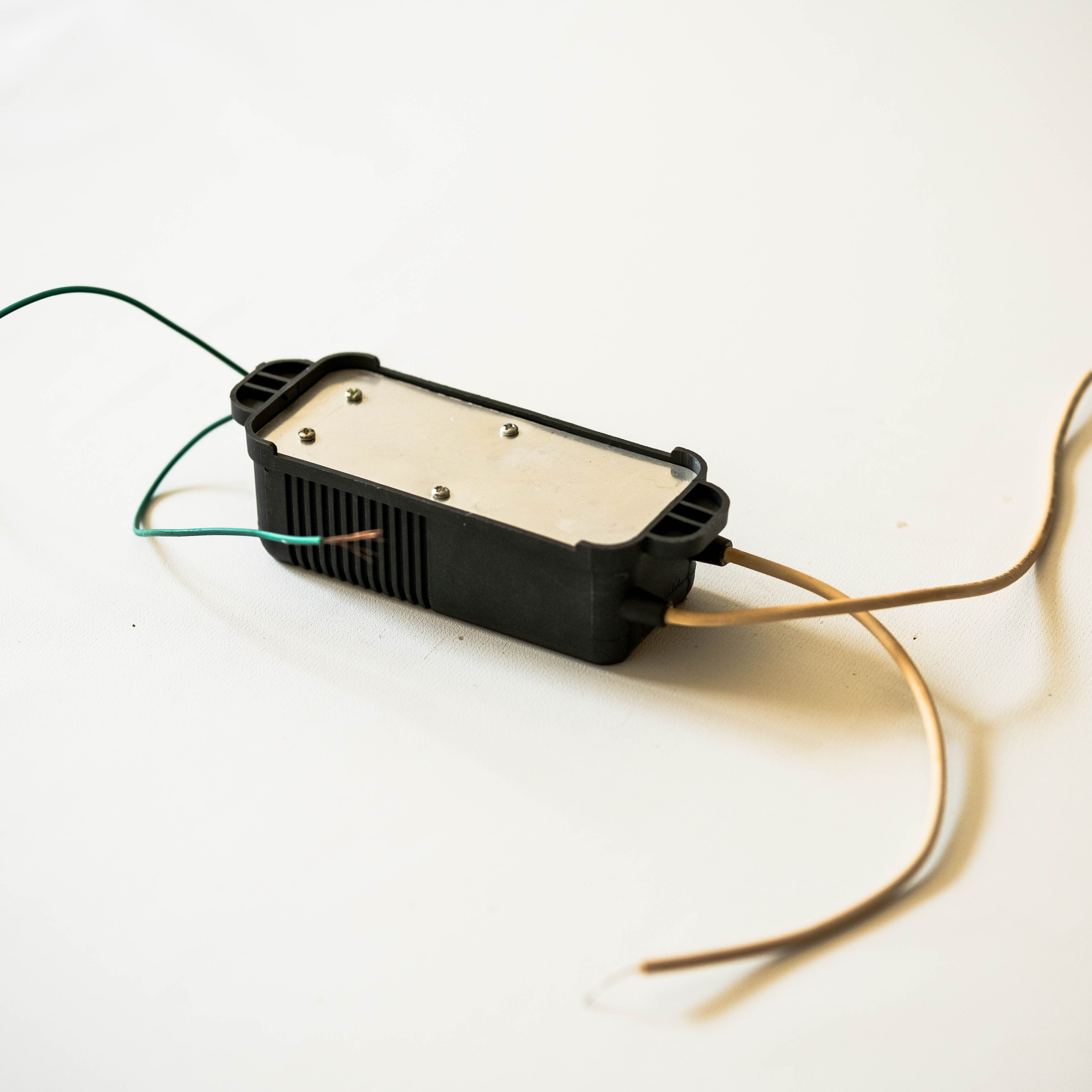
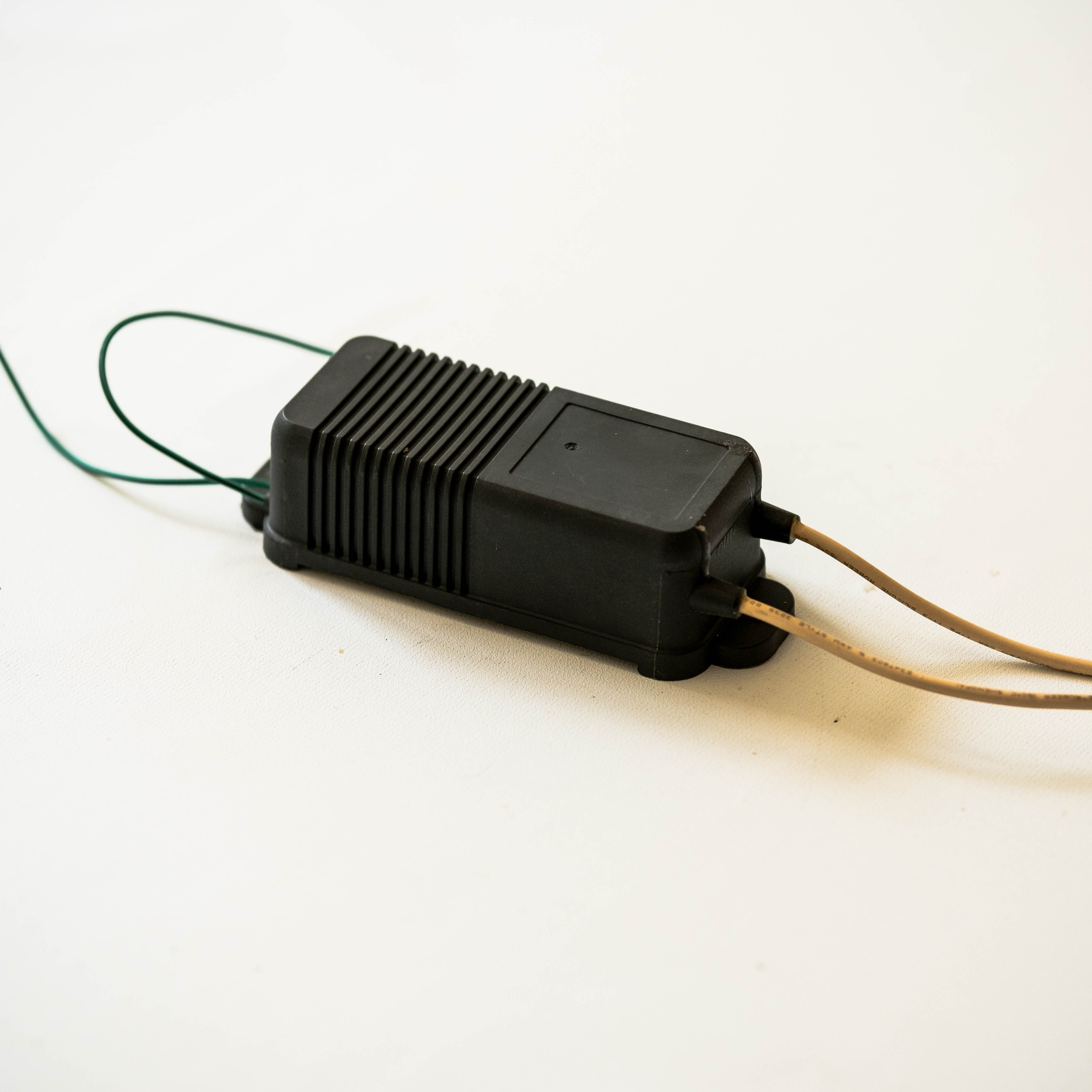
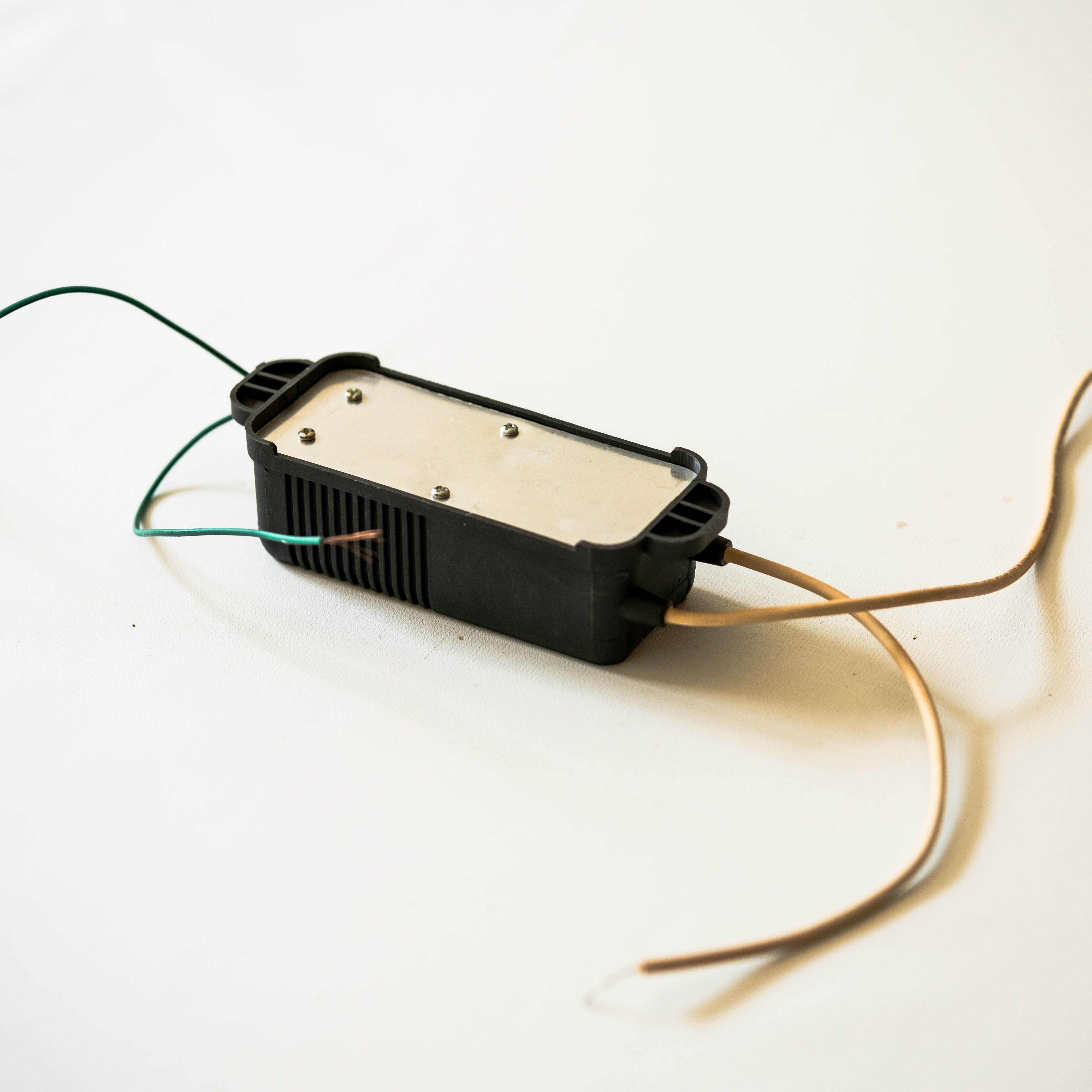
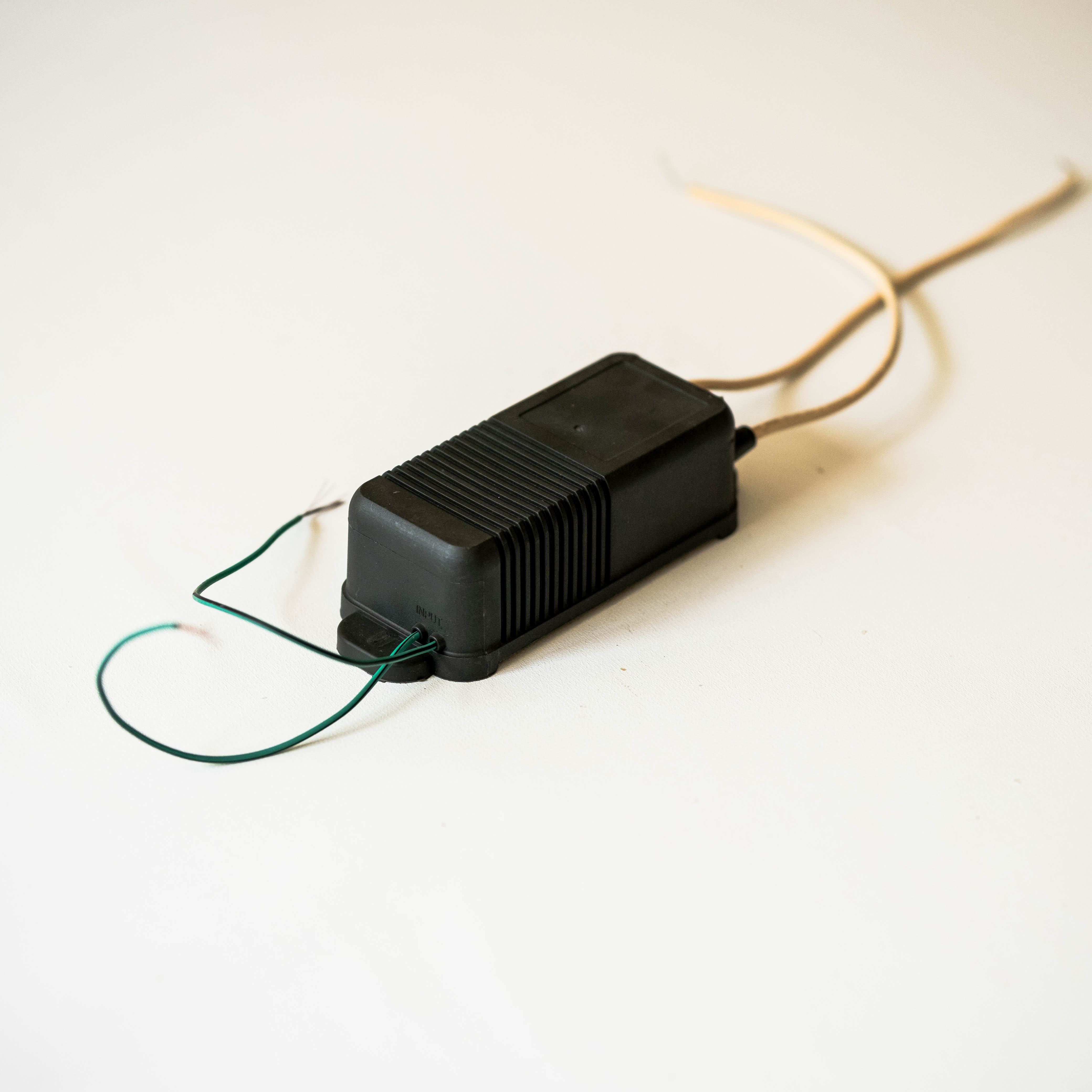
The antimicrobial capabilities of the fridge ozone generator provide a critical layer of food safety protection that addresses invisible threats lurking in refrigeration environments. Scientific research has demonstrated that ozone possesses powerful germicidal properties, effectively inactivating bacteria, viruses, mold spores, and yeast cells through oxidative damage to their cellular structures. When the fridge ozone generator releases controlled amounts of ozone into the refrigerator compartment, these molecules attack the cell walls and membranes of microorganisms, disrupting their ability to reproduce and ultimately causing cellular death. This sanitizing action occurs continuously, creating an inhospitable environment for pathogenic organisms that might otherwise colonize refrigerator surfaces and contaminate stored foods. Common refrigerator contaminants including Listeria monocytogenes, which thrives in cold temperatures, find it difficult to establish colonies when a fridge ozone generator actively treats the environment. The technology proves especially important for preventing cross-contamination between raw meats and ready-to-eat foods, a major concern in food safety protocols. Unlike chemical disinfectants that leave residues requiring careful rinsing, the fridge ozone generator's sanitizing agent naturally reverts to oxygen after completing its antimicrobial function. This characteristic ensures that foods remain free from chemical exposure while still receiving protection against microbial threats. The continuous operation means that each time the refrigerator door opens and potentially contaminated air enters, the fridge ozone generator immediately begins neutralizing introduced pathogens. Families with members who have weakened immune systems, including elderly individuals, young children, or those undergoing medical treatments, gain particular benefit from this enhanced protection level. The fridge ozone generator also addresses mold problems that commonly develop in refrigerator humidity drawers and door seals, areas where moisture accumulation creates ideal fungal growth conditions. By suppressing mold development, the device prevents the release of mycotoxins and allergenic spores that can compromise both food quality and respiratory health. Regular use of a fridge ozone generator reduces the frequency of deep cleaning required to maintain sanitary conditions, as microbial populations never reach levels that produce visible contamination or biofilm formation.