Intelligent Integration With Engine Management Systems
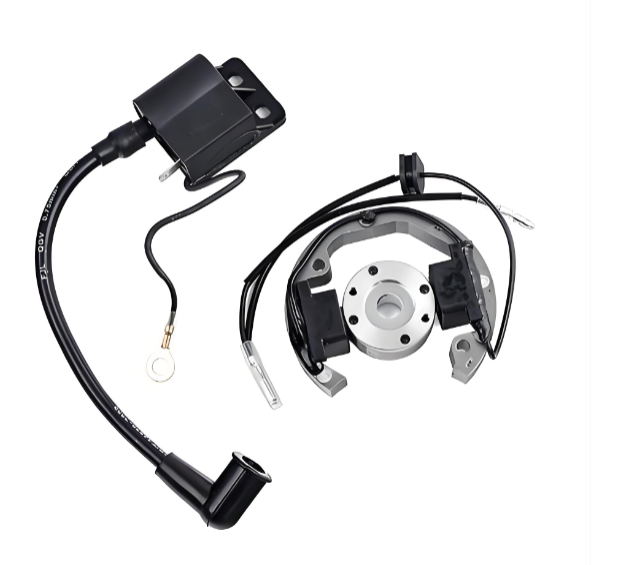
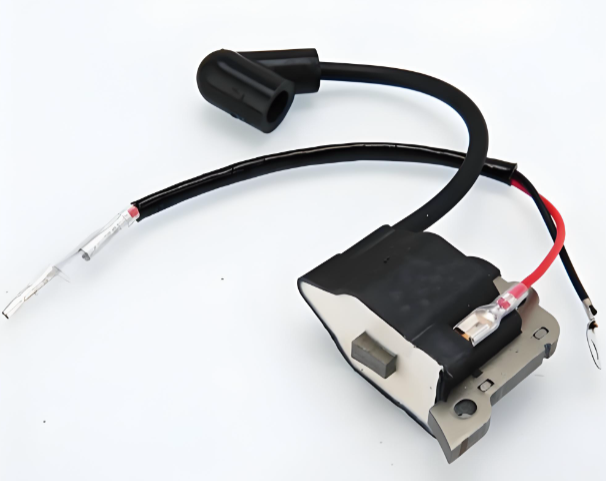
The seamless integration between electronic ignition coils and modern engine management systems represents a technological partnership that fundamentally transforms ignition precision and adaptability. Unlike standalone ignition components that operate with fixed parameters, today's electronic ignition coils function as intelligent subsystems that respond dynamically to continuously changing engine conditions. The engine control unit monitors dozens of sensor inputs including throttle position, engine speed, coolant temperature, intake air temperature, manifold pressure, and oxygen sensor feedback to calculate the optimal ignition timing for every combustion cycle. This calculated timing gets transmitted to the electronic ignition coil through precisely timed control signals that determine exactly when spark generation occurs. The electronic ignition coil receives these commands and executes them with microsecond accuracy, ensuring combustion happens at the ideal moment for maximum efficiency and power output. This coordination enables advanced strategies like knock detection and correction, where the system automatically retards ignition timing if combustion knock sensors detect premature detonation, protecting engine components from damage while maintaining performance at the edge of efficiency. Individual cylinder control represents another significant capability enabled by electronic ignition coil integration. Modern coil-on-plug designs place a dedicated electronic ignition coil directly atop each spark plug, allowing the engine management system to vary spark timing and intensity independently for each cylinder. This granular control compensates for minor manufacturing variations between cylinders, fuel distribution irregularities, and even differences in combustion chamber carbon buildup, ensuring balanced operation that maximizes smoothness while minimizing emissions. The diagnostic capabilities resulting from electronic ignition coil integration provide invaluable maintenance benefits. The engine control unit continuously monitors ignition system performance, detecting misfires by analyzing crankshaft rotation patterns and identifying which cylinder experienced incomplete combustion. When problems occur, specific diagnostic trouble codes get stored in system memory, pinpointing exactly which electronic ignition coil or related component requires attention. This diagnostic precision eliminates guesswork during troubleshooting, reducing repair time and preventing unnecessary parts replacement. The electronic ignition coil communication with engine management systems also enables sophisticated cold-start strategies that adjust spark timing and dwell periods based on temperature conditions, ensuring reliable starting and smooth warm-up operation regardless of weather. During normal operation, the system continuously adapts ignition parameters to maintain optimal combustion efficiency as driving conditions change, fuel quality varies, and engine wear gradually alters compression characteristics over time.