ignition coil plug
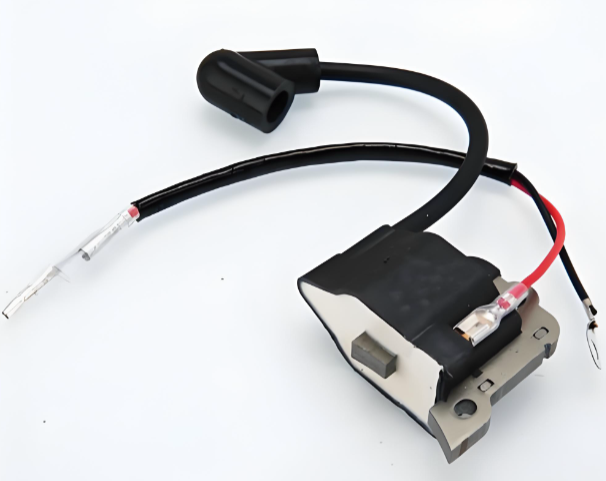
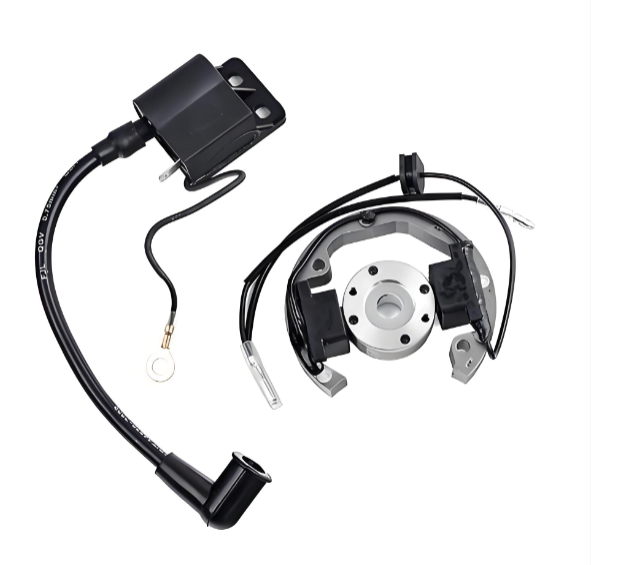
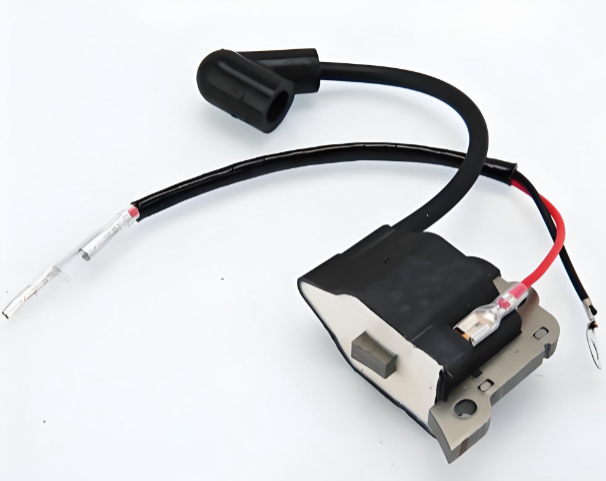
An ignition coil plug is the electrical connection that links an ignition coil with a spark plug or the vehicle wiring system. It helps transfer high-voltage energy safely and consistently so the engine can create the spark needed for combustion. In many vehicles, the ignition coil plug includes a molded connector, metal terminals, seals, and a locking clip. Together, these parts protect the connection against vibration, moisture, heat, and accidental separation. The ignition coil plug may also be called a coil connector, ignition coil socket, or coil wiring plug, depending on the vehicle design. A quality ignition coil plug supports stable ignition timing, smooth starting, and efficient fuel burning. Because the ignition coil plug works in a hot, vibrating engine bay, manufacturers use heat-resistant plastic and corrosion-resistant terminals. When an ignition coil plug becomes loose, cracked, burned, or corroded, the engine may misfire, hesitate, lose power, or trigger a warning light. Replacing a damaged ignition coil plug can restore a dependable electrical path without replacing the entire ignition system. Modern ignition coil plug designs often use a precise fit, positive locking mechanism, and weatherproof seal for dependable service. The ignition coil plug suits gasoline cars, light trucks, motorcycles, vans, generators, and other small engines. For buyers, an ignition coil plug offers a focused repair solution that can reduce installation time and avoid unnecessary component replacement. Selecting the right ignition coil plug requires checking vehicle year, engine type, connector shape, terminal layout, and part number. Overall, an ignition coil plug is a small but important component for reliable engine operation and practical ignition system maintenance.