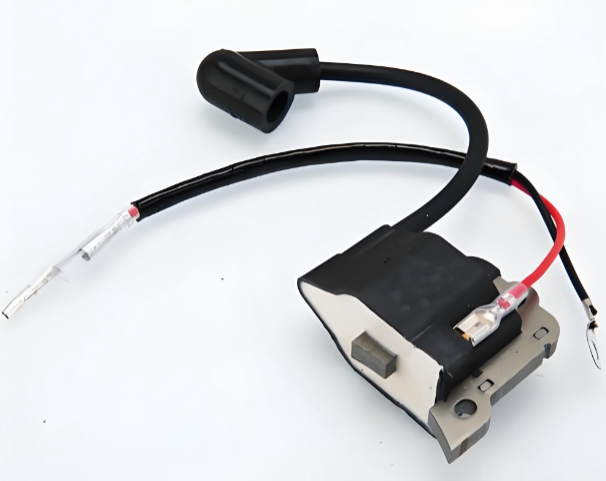
Enhanced Reliability and Reduced Maintenance Requirements
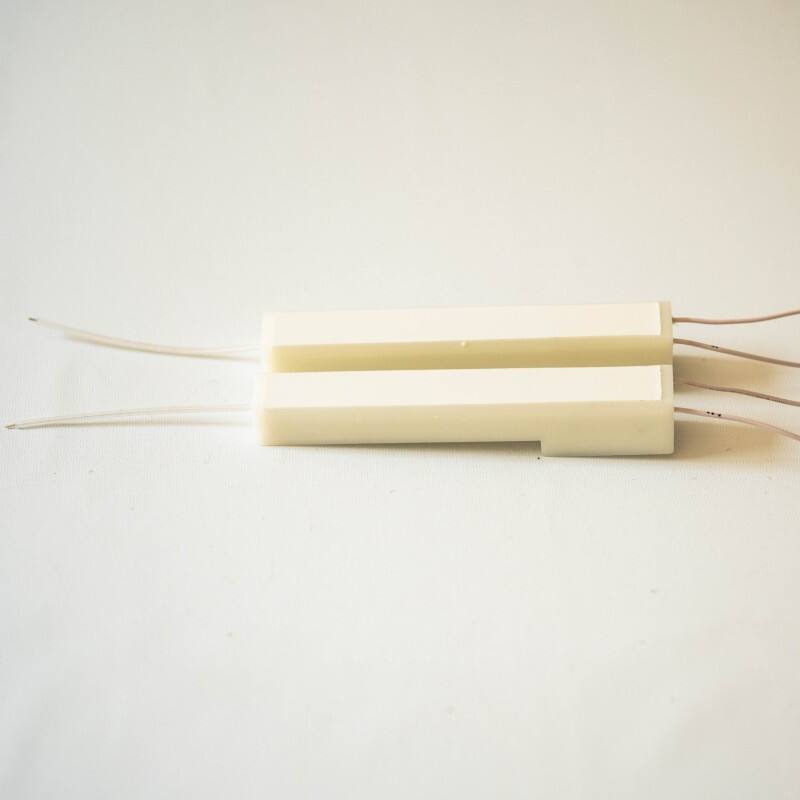
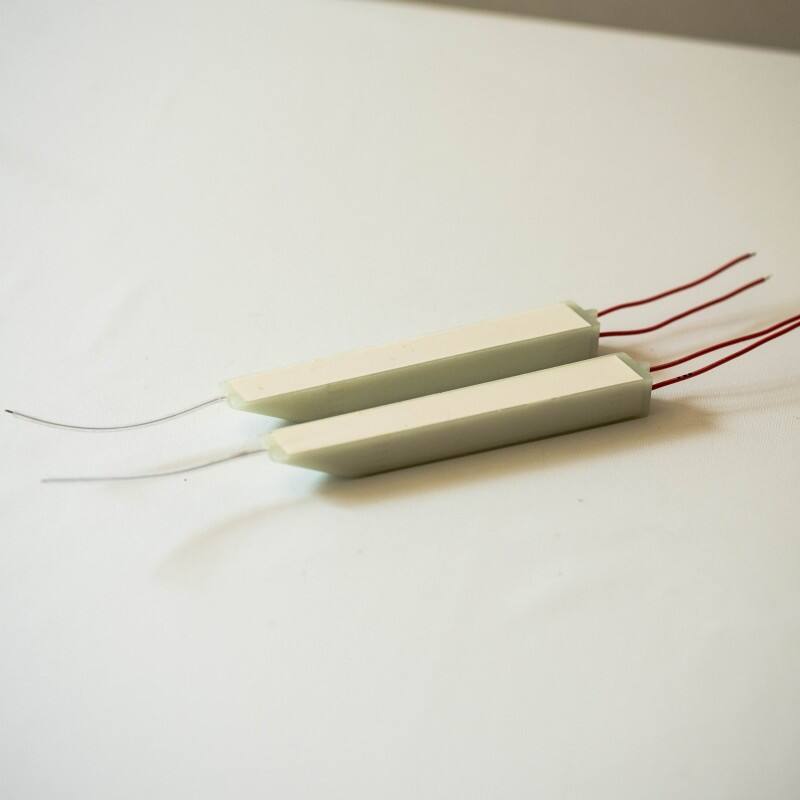
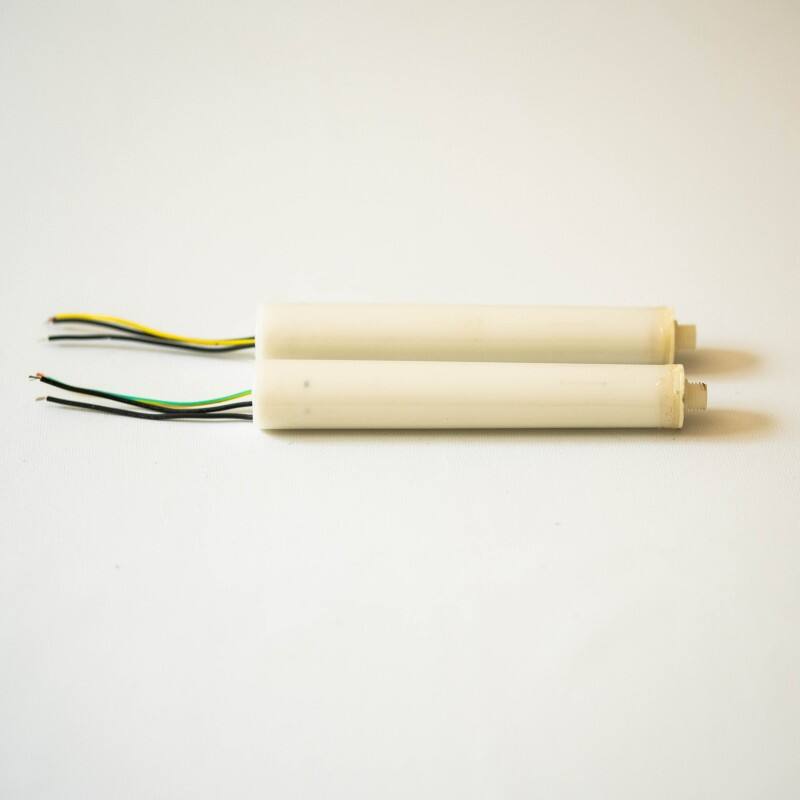
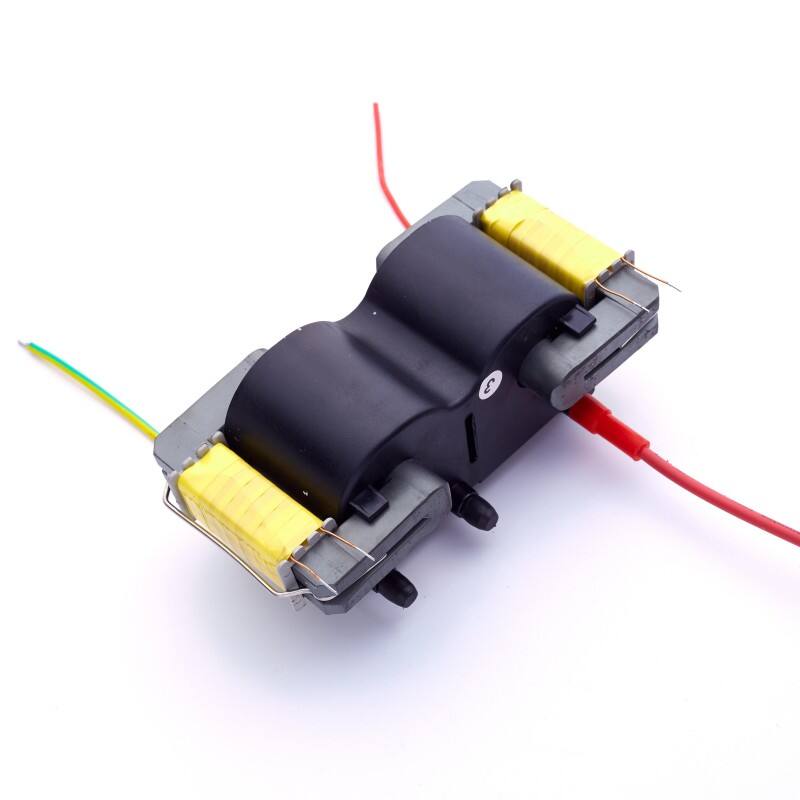
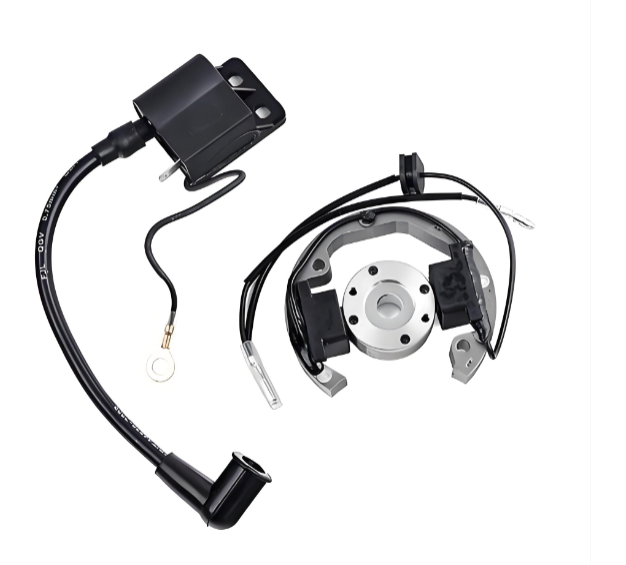
The direct ignition coil delivers exceptional reliability that translates directly into lower maintenance costs and greater peace of mind for vehicle owners. This reliability stems from fundamental design improvements that eliminate common failure points found in traditional ignition systems. By mounting directly on spark plugs, the direct ignition coil removes spark plug wires from the equation entirely, eliminating a component that historically caused numerous problems. Spark plug wires deteriorate over time due to heat exposure, engine vibrations, and environmental factors, developing cracks in their insulation that allow electricity to leak before reaching the spark plug. This leakage causes misfires, rough running, and reduced performance. With direct ignition coils, electricity travels through a sealed connection directly to the spark plug, preventing these issues completely. The sealed construction of modern direct ignition coils protects internal components from moisture, oil, and contaminants that would compromise older ignition systems. This protection proves especially valuable in harsh operating environments where engines experience extreme temperature fluctuations, road salt exposure, and moisture intrusion. The robust housing materials resist cracking and degradation even after years of service in challenging conditions. Internal components benefit from advanced materials engineering that enhances longevity. The windings inside direct ignition coils use high-temperature wire insulation that maintains integrity despite the intense heat generated during operation. The potting compounds that encapsulate these windings provide both electrical insulation and mechanical support while dissipating heat effectively. These materials work together to create a component capable of millions of firing cycles without degradation. The modular nature of direct ignition coil systems also contributes to reliability from a practical standpoint. If one coil does fail, it affects only a single cylinder rather than compromising the entire ignition system. Your vehicle remains drivable, allowing you to reach a repair facility safely rather than being stranded. Replacement involves simply disconnecting the electrical connector and removing a single bolt, making it a straightforward repair that many vehicle owners can perform themselves with basic tools. The cost of replacing one direct ignition coil compares favorably to repairing or replacing distributor-based systems, which often require more expensive components and labor-intensive procedures. Diagnostic systems built into vehicles with direct ignition coils further enhance reliability by identifying problems early. When a coil begins to underperform, the engine control unit detects the issue and alerts you through the check engine light, allowing proactive replacement before a complete failure occurs.