Automatic Electrostatic Spray Gun - Advanced Coating Technology For Superior Efficiency And Quality

Get a Free Quote

Our representative will contact you soon.
Email
Mobile/WhatsApp
Name
Company Name
Message
0/1000

automatic electrostatic spray gun

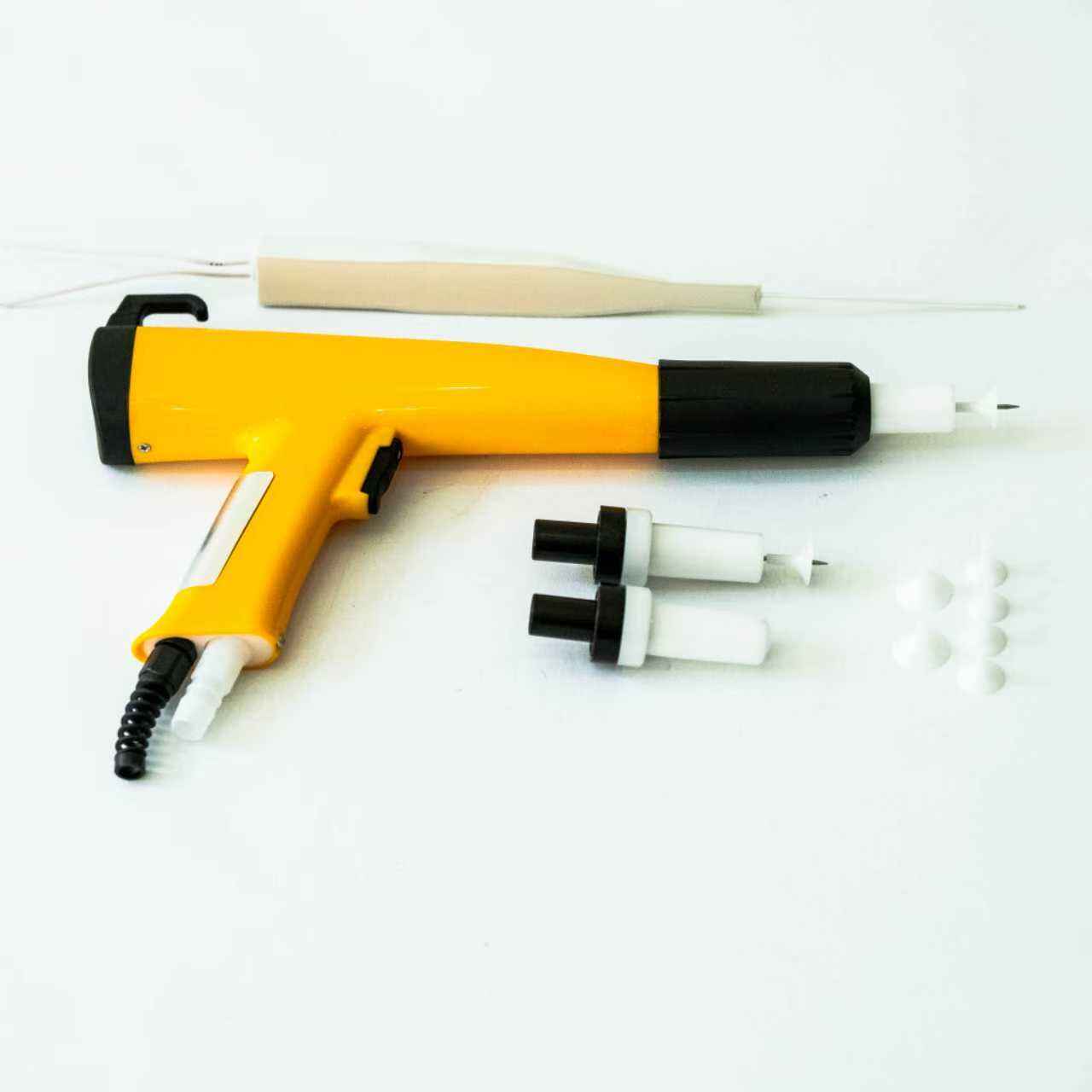
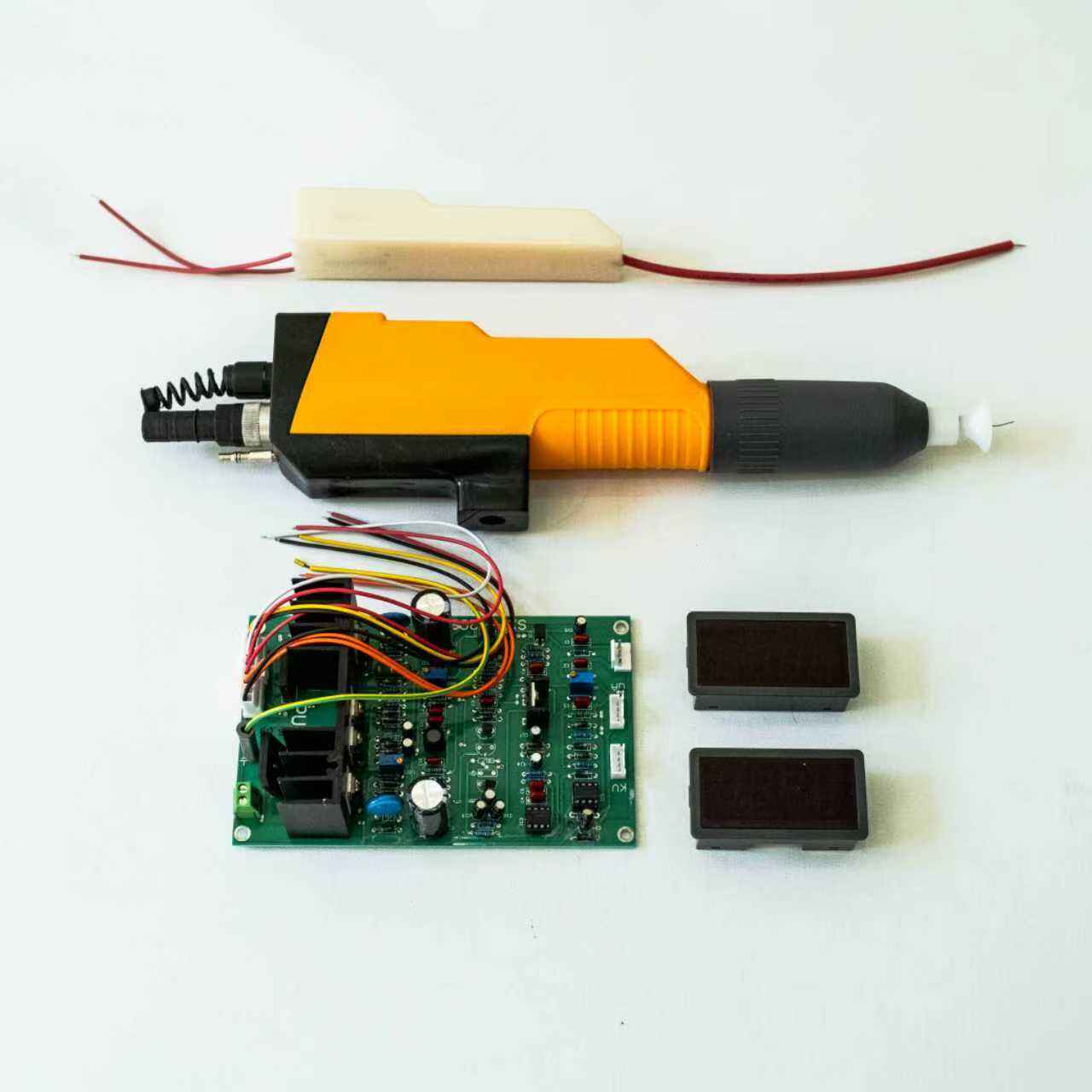
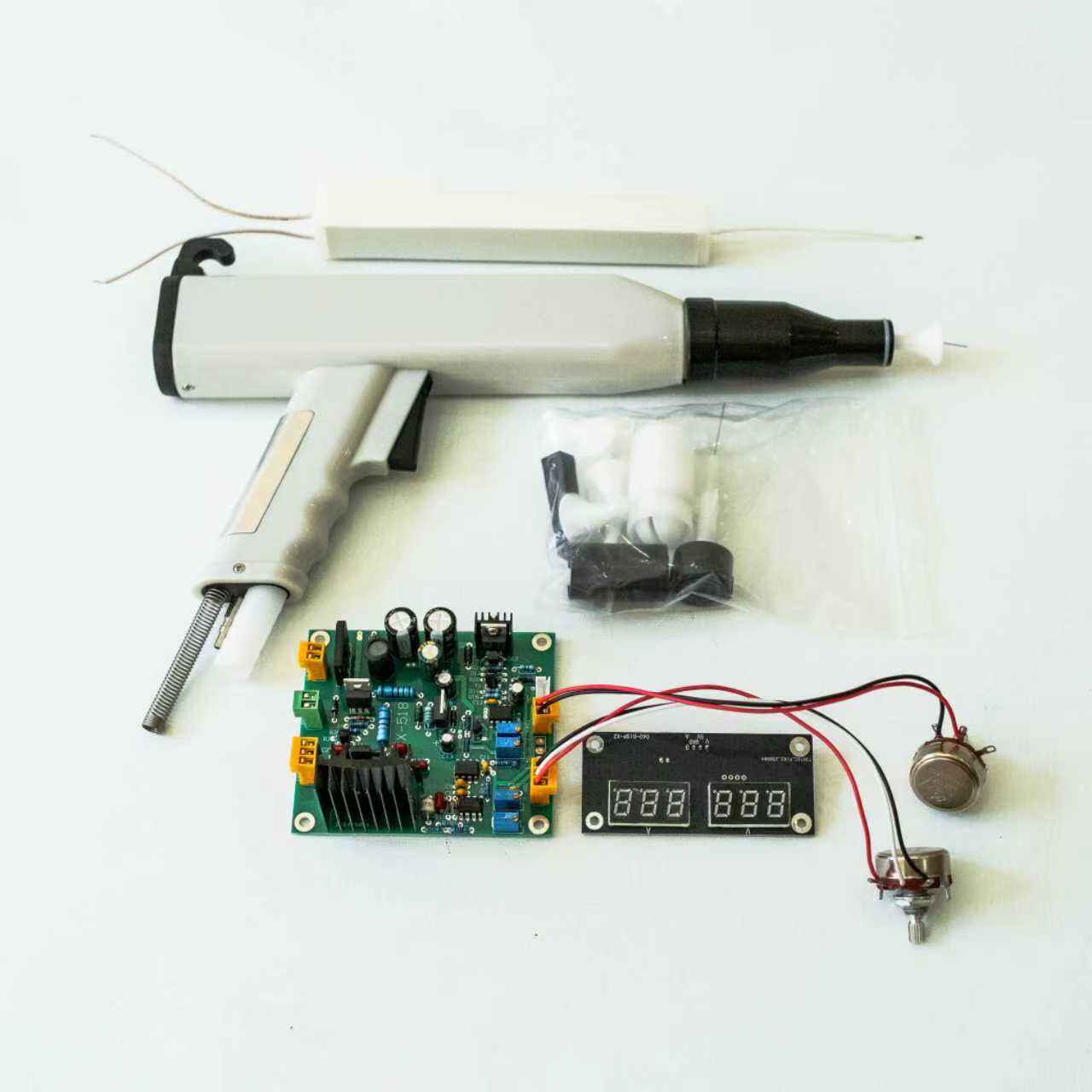
The automatic electrostatic spray gun represents a revolutionary advancement in surface coating technology, transforming how industries apply paint, powder, and other finishes to various products. This sophisticated equipment utilizes the principles of electrostatics to create a powerful attraction between the coating material and the target surface, resulting in superior coverage and minimal waste. At its core, the automatic electrostatic spray gun charges particles of coating material as they exit the nozzle, giving them either a positive or negative electrical charge. The grounded workpiece naturally attracts these charged particles, ensuring that the coating wraps around complex shapes and reaches difficult angles that traditional spray methods often miss. The main functions of this technology include precise material atomization, consistent charge delivery, programmable spray patterns, and automated application sequences that eliminate human error. Technological features encompass advanced voltage control systems that maintain optimal charging levels, adjustable fluid delivery mechanisms for different viscosities, integrated sensors that monitor coating thickness in real-time, and sophisticated computer interfaces that allow operators to save and recall specific application profiles. Modern automatic electrostatic spray guns incorporate feedback loops that adjust parameters automatically based on environmental conditions such as humidity and temperature. Applications for this equipment span numerous industries including automotive manufacturing where it ensures flawless paint finishes on vehicle bodies, furniture production where it delivers uniform stains and lacquers, appliance manufacturing for durable powder coating applications, aerospace components requiring specialized protective coatings, and electronics assembly where precision coating protects delicate circuitry. The system excels in high-volume production environments where consistency, speed, and material efficiency determine profitability. Beyond industrial manufacturing, automatic electrostatic spray gun technology finds use in architectural metalwork, agricultural equipment finishing, and even specialized applications in marine vessel coating where corrosion resistance is paramount.

New Products

Choosing an automatic electrostatic spray gun delivers tangible benefits that directly impact your bottom line and operational efficiency. First and foremost, this technology dramatically reduces material waste, with transfer efficiency rates often exceeding 85 percent compared to conventional spray methods that typically achieve only 30 to 50 percent efficiency. This means you use less coating material to cover the same surface area, directly cutting your raw material costs and reducing disposal expenses for overspray. The financial savings compound over time, making the initial investment recover itself within months for most production operations. Beyond material savings, the automatic electrostatic spray gun provides superior finish quality that reduces rejection rates and rework requirements. The electrostatic attraction ensures even coating distribution without runs, sags, or thin spots that plague traditional methods. Your products come off the line with professional-grade finishes that enhance visual appeal and provide better protection against environmental factors. This consistency builds customer satisfaction and strengthens your brand reputation in competitive markets. The automation aspect eliminates fatigue-related inconsistencies that occur when human operators manually spray products throughout long shifts. Pre-programmed spray patterns execute identically every single time, whether it is the first piece of the day or the thousandth. This reliability allows you to guarantee consistent quality to customers and simplifies quality control procedures. Worker safety improves significantly because operators spend less time exposed to coating materials and fumes. The automatic system handles the actual spraying while workers focus on loading parts and monitoring the process from safe distances. This separation reduces respiratory exposure, skin contact, and the ergonomic strain associated with holding spray equipment for extended periods. Your workplace becomes healthier and you face fewer compensation claims and absenteeism issues. Production speed increases because the automatic electrostatic spray gun applies coatings faster than manual methods while maintaining superior quality. The equipment works continuously without breaks, maximizing throughput during operational hours. Quick-change systems allow rapid switching between different coating materials or colors, minimizing downtime between production runs. Environmental compliance becomes easier because reduced overspray means fewer volatile organic compounds released into the atmosphere. The efficient transfer rates help you meet increasingly strict environmental regulations without expensive additional filtration systems. Energy consumption decreases because you need less booth ventilation to manage overspray, and shorter drying times result from optimal coating thickness. Maintenance requirements remain manageable with simple cleaning procedures and durable components designed for industrial environments. Training new operators takes less time because the automated system handles complex spray techniques, allowing workers to become productive quickly.

Practical Tips

Ensuring EMC Compliance: Shielding and Grounding Techniques for HV Modules

18

May

Ensuring EMC Compliance: Shielding and Grounding Techniques for HV Modules

HV Module EMC Regulatory Landscape and Test Requirements High voltage modules must comply with stringent international electromagnetic compatibility (EMC) standards to prevent interference with critical vehicle systems. Component-level validation d...
View More
Understanding Ripple Current and Its Impact on High Voltage Module Longevity

25

May

Understanding Ripple Current and Its Impact on High Voltage Module Longevity

Ripple Current Fundamentals in High Voltage Modules What Is Ripple Current and Why It Matters for High Voltage Module Design Ripple current is the residual AC fluctuation superimposed on a DC bus, primarily generated by high-frequency switching in ...
View More
Certification Standards: Navigating UL, CE, and ISO Requirements for HV Modules

26

May

Certification Standards: Navigating UL, CE, and ISO Requirements for HV Modules

UL Certification: Safety and EMC Foundations for High Voltage Modules UL certification establishes critical safety benchmarks for high voltage modules in industrial and automotive applications. As a voluntary standard, it validates product reliabil...
View More
How to select the right flyback transformer model and specification

01

Apr

How to select the right flyback transformer model and specification

Selecting the right flyback transformer model and specification is a critical engineering decision that directly impacts power supply performance, reliability, and cost-effectiveness in switched-mode power supply (SMPS) applications. Engineers and pr...
View More

Get a Free Quote

Our representative will contact you soon.
Email
Mobile/WhatsApp
Name
Company Name
Message
0/1000

automatic electrostatic spray gun

Revolutionary Transfer Efficiency That Transforms Material Economics

Revolutionary Transfer Efficiency That Transforms Material Economics

The automatic electrostatic spray gun achieves transfer efficiency levels that fundamentally change the economics of coating operations, delivering performance that conventional spray technology simply cannot match. Transfer efficiency refers to the percentage of coating material that actually adheres to the target surface versus the amount that becomes waste, and this metric directly determines your material costs, environmental impact, and overall profitability. Traditional air spray methods lose most of their material to overspray that drifts away from the target, settles on booth walls, or gets captured by filtration systems. In contrast, the automatic electrostatic spray gun creates an invisible electrical field that guides charged coating particles directly to grounded workpieces with magnetic-like precision. This electrostatic attraction works even on complex three-dimensional shapes, causing particles to wrap around edges and reach recessed areas that would normally require multiple spray passes or manual touch-up work. The result is transfer efficiency that routinely exceeds 85 percent and can reach 95 percent under optimal conditions with properly maintained equipment and appropriate coating materials. For a production facility that uses significant volumes of coating materials, this efficiency translates into substantial cost savings that accumulate daily. Consider a manufacturing operation that previously consumed one hundred gallons of coating material per week with 40 percent transfer efficiency. Switching to an automatic electrostatic spray gun with 85 percent efficiency means achieving the same coverage with less than half the material, reducing weekly consumption to approximately 47 gallons. Over a year, this saves thousands of gallons and tens of thousands of dollars in material costs alone. The savings extend beyond raw material purchases because reduced consumption also means lower disposal costs for unused material, smaller storage requirements, and decreased handling expenses. Environmental benefits accompany these economic advantages because less wasted material means fewer volatile organic compounds released into the atmosphere, helping your facility meet air quality regulations and potentially avoiding costly compliance upgrades. The automatic electrostatic spray gun maintains this high efficiency across varying production conditions through sophisticated control systems that continuously adjust charging voltage and spray parameters. Modern units incorporate feedback mechanisms that compensate for changes in humidity, temperature, and material viscosity that would degrade performance in simpler systems. This consistent efficiency eliminates the performance variations that occur with manual spray techniques where operator skill, fatigue, and attention levels affect results throughout the workday.
Unmatched Coating Uniformity For Superior Product Quality And Durability

Unmatched Coating Uniformity For Superior Product Quality And Durability

The automatic electrostatic spray gun delivers coating uniformity that sets new standards for finish quality, ensuring every product receives precisely the same coating thickness and appearance regardless of complex geometries or production volumes. Uniformity matters because inconsistent coating thickness creates both aesthetic problems and functional failures that damage your reputation and increase warranty costs. Thin spots in protective coatings allow moisture and corrosants to attack underlying materials, causing premature product failure. Thick areas waste material and can create runs or sags that look unprofessional and may require costly rework. The automatic electrostatic spray gun solves these problems through the combination of electrostatic particle guidance and computerized motion control that eliminates human variability from the application process. The electrostatic charging system ensures coating particles follow optimal trajectories to the workpiece surface rather than traveling in straight lines like uncharged spray. This particle guidance creates wrap-around coverage that reaches the backs of protrusions, the insides of recesses, and the undersides of horizontal surfaces without requiring repositioning or additional spray passes. Complex shapes that would demand multiple manual spray angles receive complete coverage from a single programmed spray path, dramatically improving throughity while maintaining perfect consistency. The automated motion control executes identical spray patterns for every workpiece, moving the spray gun or rotating the part with precision that human operators cannot replicate across thousands of repetitions. Programming allows you to optimize spray patterns for specific part geometries, then reproduce those perfect patterns indefinitely without degradation. This consistency extends throughout production runs lasting weeks or months, ensuring the ten-thousandth piece receives exactly the same coating thickness profile as the first piece. Quality control becomes simpler because you eliminate the variability introduced by different operators, shift changes, and inevitable human attention fluctuations during long production periods. Statistical process control charts show tighter distributions with fewer outliers, reducing rejection rates and inspection requirements. The uniform coating thickness also optimizes product performance because protective coatings work as designed when applied at specified thicknesses. Engineers can reliably predict corrosion resistance, abrasion durability, and service life when they know coating thickness remains consistent across all surfaces. Aesthetic quality improves because uniform thickness creates consistent color depth, gloss levels, and visual appearance that customers recognize as premium quality. This becomes particularly important for products where appearance drives purchasing decisions, such as consumer appliances, furniture, and automotive components. The automatic electrostatic spray gun maintains this uniformity even when switching between different coating materials or colors, with programmable parameters that adjust spray characteristics to match material properties.
Enhanced Operational Safety And Ergonomic Benefits For Your Workforce

Enhanced Operational Safety And Ergonomic Benefits For Your Workforce

The automatic electrostatic spray gun significantly improves workplace safety and reduces physical demands on operators compared to traditional manual spray methods, creating a healthier work environment that benefits both employees and management. Worker safety concerns in coating operations traditionally center on chemical exposure, with operators breathing atomized coating particles and solvents throughout their shifts despite protective equipment. Skin contact with coating materials causes irritation and potential long-term health effects, while the physical demands of holding spray equipment in various positions create repetitive strain injuries and musculoskeletal problems. The automatic electrostatic spray gun addresses these concerns by fundamentally changing how workers interact with the coating process, shifting their role from active sprayers to system supervisors who remain at safer distances from chemical exposure. The automation handles actual spray gun manipulation, following pre-programmed paths while workers load parts onto conveyors or fixtures, monitor system operation from control stations, and perform quality checks on finished products. This separation from the spray zone dramatically reduces inhalation exposure because workers spend minimal time in areas where coating particles remain airborne. Even with proper ventilation and personal protective equipment, reducing exposure duration provides additional safety margins that lower long-term health risks. The electrostatic system itself contributes to cleaner air in the work environment because its superior transfer efficiency means less overspray floating through the booth and potentially escaping into surrounding areas. Less airborne material means ventilation systems work more effectively and filters last longer while maintaining better air quality. Skin contact decreases because workers handle spray guns primarily during setup and cleaning procedures rather than throughout entire production shifts. Modern automatic electrostatic spray gun systems incorporate quick-disconnect fittings and tool-free maintenance features that minimize contact even during routine servicing. Ergonomic benefits prove equally important because repetitive strain injuries represent a major source of worker compensation claims and lost productivity in manufacturing environments. Manual spraying requires operators to maintain awkward postures while holding equipment that weighs several pounds, repeating the same motions thousands of times per shift. This physical demand causes shoulder injuries, wrist strain, and back problems that sideline experienced workers and increase insurance costs. Automation eliminates these repetitive physical demands, allowing workers to perform varied tasks that distribute physical stress more evenly across different muscle groups. The reduction in physical fatigue also improves mental alertness and decision-making ability, helping workers notice quality issues and system problems before they cause production disruptions. Safety extends to fire and explosion risks as well, because the controlled environment of automated systems reduces the ignition sources that exist when workers carry grounded spray equipment through coating booths.

Get a Free Quote

Our representative will contact you soon.
Email
Mobile/WhatsApp
Name
Company Name
Message
0/1000
Newsletter
Please Leave A Message With Us