
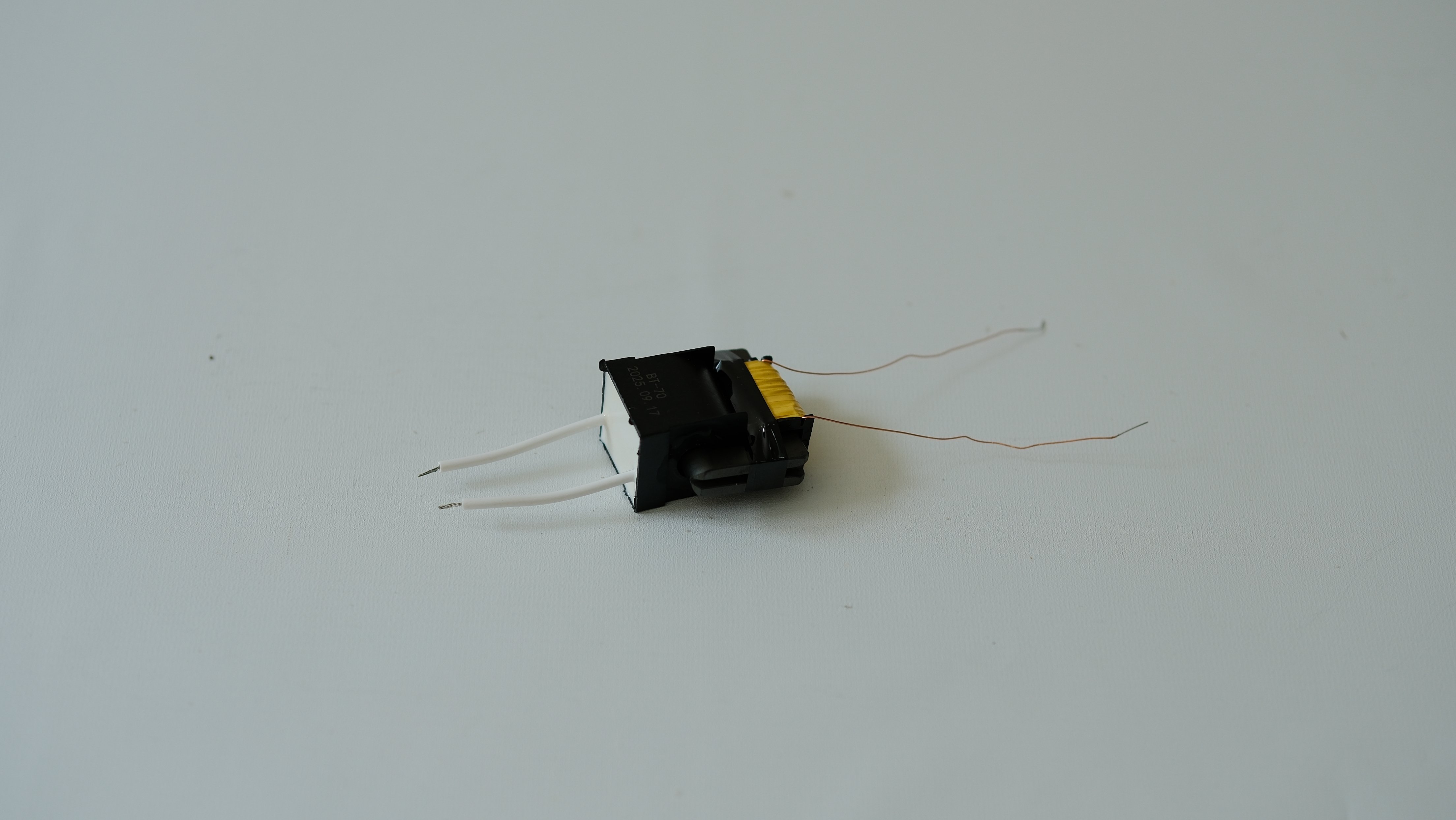
The latest ignition coil innovations focus on more precise spark control, compact packaging, improved thermal management, and better integration with engine electronics. These changes respond to tighter emissions targets, efficient combustion strategies, and the growing range of operating conditions in modern vehicles. For engineers and buyers, the important trend is not one breakthrough but the way the ignition coil now works as part of a monitored engine system.
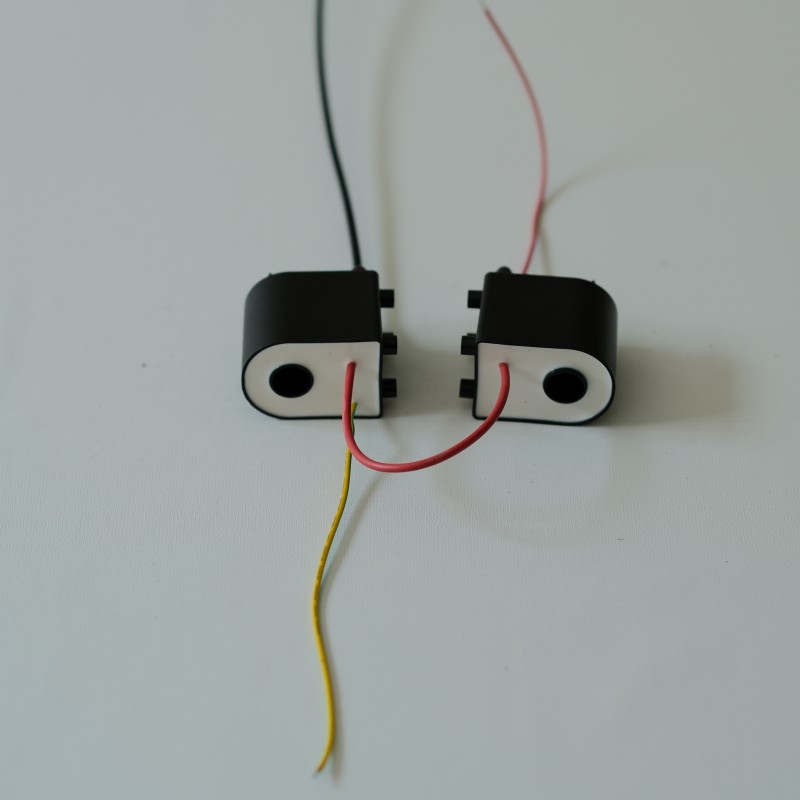
An ignition coil still performs the essential task of converting low-voltage electrical energy into the high voltage needed to create a spark, but newer designs are shaped by control software, materials, and packaging requirements. Current ignition coil development also reflects the move toward smaller engines, direct injection, hybrid operation, and more demanding diagnostics. The sections below explain the innovations changing design and what they mean for practical selection.
Electronic control is becoming more precise
Coil-on-plug layouts support cylinder-level control
A major direction in ignition coil design is the continued use of coil-on-plug arrangements, where a dedicated unit sits close to each spark plug. This layout shortens the high-voltage path and lets the engine control unit manage spark timing for each cylinder. An ignition coil in this configuration can be monitored alongside the individual cylinder, which helps systems identify irregular combustion rather than treating the engine as a single unit.
Cylinder-level control matters because combustion conditions vary with load, temperature, fuel delivery, and component wear. When the ignition coil receives a carefully timed dwell command, its magnetic field can build before the spark event. Engineers calibrate that interval to balance energy delivery and electrical stress, so the ignition coil does not simply produce the highest possible output in every situation.
This precision also supports engine strategies that adjust spark timing quickly as conditions change. A modern ignition coil must respond predictably to control signals while maintaining stable operation across repeated cycles. The result is greater emphasis on consistent electrical behavior and accurate calibration, rather than relying only on a broad nominal voltage figure when assessing a design.
Diagnostics are moving closer to the component
Electronics increasingly help the control system recognize ignition faults earlier. Depending on the vehicle architecture, the ignition coil circuit may be assessed through current behavior, misfire detection, or feedback from related sensors. These signals help distinguish an ignition problem from an issue involving fuel or air, although diagnosis still depends on the complete system and the service procedure.
For fleet operators and maintenance teams, this trend can make fault investigation more targeted. An ignition coil may show intermittent behavior only under heat or load, so diagnostic data can provide useful operating context. Technicians still need to inspect connectors, wiring, plug condition, and installation, because a detected misfire does not by itself prove that the coil is the root cause.
Materials and packaging address demanding conditions
Insulation and thermal design receive greater attention
Compact engine bays expose the ignition coil to heat, vibration, moisture, and chemical contamination. Designers therefore refine insulation systems, housing materials, sealing details, and internal winding support. The objective is dependable electrical isolation throughout expected service conditions. An ignition coil must also tolerate thermal cycling, since repeated expansion and contraction can challenge materials and interfaces over time.
Material selection is a system decision rather than a search for one superior substance. Electrical insulation must suit voltage stresses, while the outer housing must fit the installation environment and production process. Newer ignition coil designs may use improved polymers or adjusted internal layouts, but validation across temperature and vibration remains essential before a change is adopted.
Thermal management is particularly important where a coil is mounted directly above the plug. Heat from the cylinder head and engine operation can affect winding resistance and electronic components. Engineers consider heat paths, ventilation, and component spacing so that an ignition coil operates within its intended range. Better packaging can help, but it cannot replace suitable material specifications or application testing.
Smaller form factors must preserve serviceability
Vehicle packaging continues to favor compact components, especially as engine bays accommodate emissions hardware, electronics, and hybrid systems. A smaller ignition coil can help meet space constraints, but reducing dimensions must not compromise electrical clearances, connector robustness, or heat tolerance. The design has to fit the engine and the manufacturing process, not simply achieve a reduced outer profile.
Service access is another practical factor. If an ignition coil is difficult to remove, routine maintenance may take longer or increase the chance of connector damage. Designers and vehicle integrators consider fastener placement, connector orientation, and access to the spark plug during layout reviews. These details affect lifecycle maintenance even when they are not visible in headline electrical specifications.
System integration shapes the next design choices
Hybrid operation changes duty-cycle expectations
Hybrid powertrains can start and stop the combustion engine more frequently than conventional operating patterns. This changes how often the ignition coil is called on and the thermal conditions around each start. Engineers evaluate ignition behavior across varied engine states, rather than assuming steady operation. The ignition coil, control unit, battery supply, and engine strategy must work together through those transitions.
A hybrid vehicle may also spend time with its engine off, then request a smooth restart under a particular load. Reliable spark delivery remains important, but the surrounding system determines when combustion resumes and how quickly it stabilizes. For an ignition coil, these use cases make repeatable response and robust electrical connections important parts of application validation.
Electrification does not remove the need for ignition hardware in vehicles that retain an internal-combustion engine. Instead, it adds operating modes that engineers must include in calibration and durability work. When reviewing an ignition coil for a hybrid platform, teams should consider the actual engine cycle, control strategy, temperature range, and expected service conditions.
Selection relies on application data, not a single rating
The most useful design review considers the complete ignition system. Engineers compare required spark energy, primary current, dwell control, electrical interfaces, mounting geometry, environmental exposure, and diagnostic needs. A high-voltage component reference, such as this ignition coil resource, can provide adjacent context, but application fit must be checked against the vehicle specification.
Procurement teams should also confirm connector compatibility, dimensional tolerances, traceability requirements, and validation documentation. An ignition coil that appears similar externally may differ in electrical characteristics or control compatibility. Matching the part to the engine and electronics helps avoid avoidable installation and operating problems, while a clear change-control process supports consistent production quality.
For new designs, the practical trend is closer coordination among component engineering, controls, manufacturing, and service teams. This helps identify issues such as insulation stress, heat exposure, or diagnostic ambiguity early. An ignition coil should be assessed against defined operating conditions and test evidence, not broad claims. That discipline turns technology trends into decisions that make sense for a specific platform.
FAQ
What is the most important recent ignition coil trend?
A key trend is deeper integration between the ignition coil and engine control electronics. More precise cylinder-level control and diagnostic monitoring help teams understand spark behavior in context, while the right implementation depends on the engine and its operating strategy.
Do newer ignition coil designs eliminate maintenance needs?
No. Improved materials and monitoring do not make an ignition coil immune to heat, vibration, contamination, or wear. Maintenance teams still need to follow vehicle-specific inspection guidance and consider plugs, wiring, connectors, and other causes when investigating misfires.
How should engineers evaluate an ignition coil for a new application?
Start with electrical requirements, control compatibility, packaging, and environmental conditions. Then review validation evidence and service access for the intended platform. An ignition coil should be selected as part of the complete ignition system, rather than by one specification in isolation.