
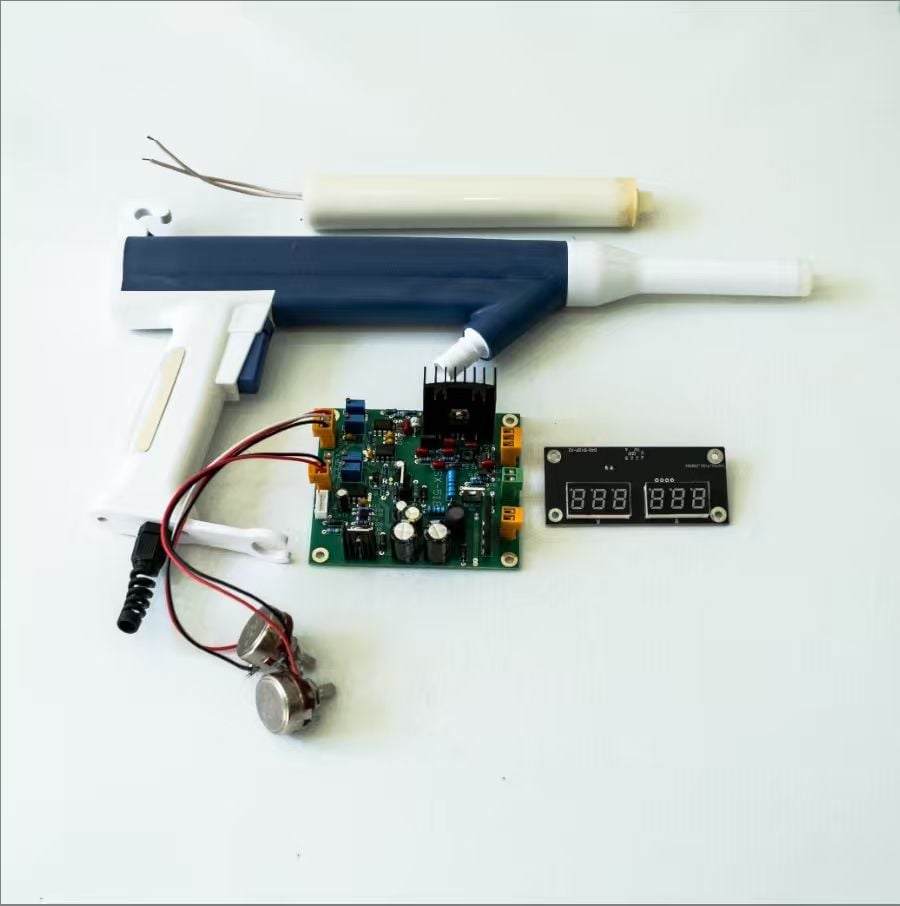
A high-quality ignition coil can improve the consistency of an engine’s spark, supporting dependable starts, smooth operation, and effective combustion. Its benefits matter in industrial and commercial equipment, where an ignition fault can interrupt a work cycle. Understanding what a better ignition coil contributes helps maintenance teams evaluate parts based on operating needs rather than price alone.
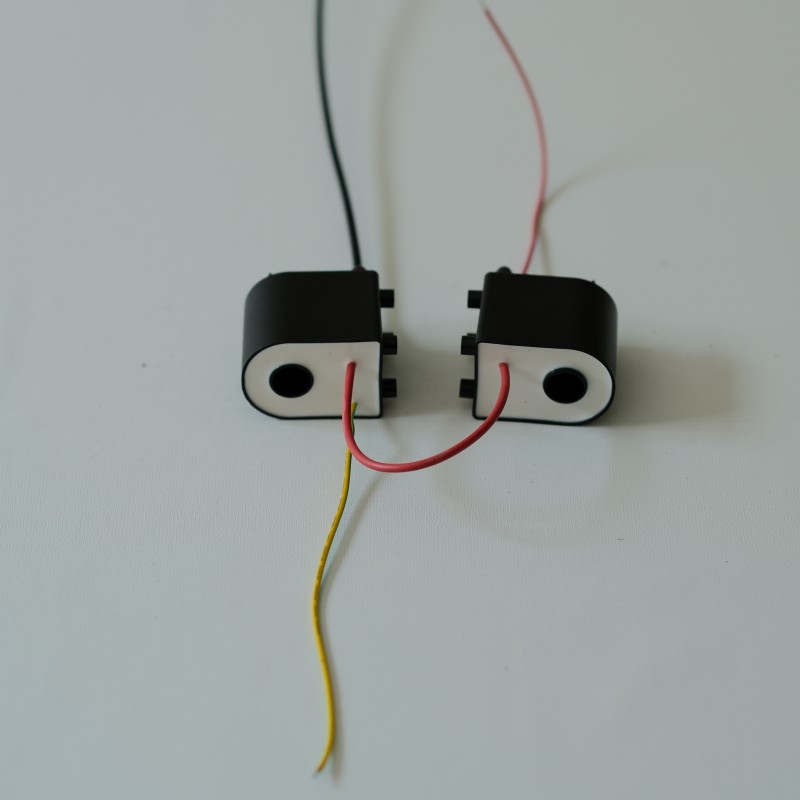
The value of an ignition coil comes from how reliably it converts low-voltage electrical power into the high voltage needed at the spark plug. A properly matched, well-made ignition coil can help maintain that function as conditions change. The result is not a guarantee of more power; it is a stronger foundation for consistent ignition and predictable maintenance.
How a Better Coil Supports Reliable Ignition
More consistent spark delivery
An ignition coil must build and release electrical energy in step with the engine’s ignition system. When its winding, insulation, and connections are sound, the ignition coil is better positioned to deliver repeatable voltage under normal operating conditions. Consistency helps each cylinder receive the spark it needs at the intended point in the cycle.
A stable ignition coil can reduce irregular spark delivery that contributes to rough running or intermittent misfires. This matters when equipment starts and stops frequently, because uneven ignition may be most apparent during starting or changes in engine speed. A high-quality ignition coil supports repeatability, although correct installation and compatible electrical controls remain essential.
Operators may notice smoother starts when an ignition coil works as intended, especially if the previous component had degraded. A healthy ignition coil cannot compensate for worn spark plugs, damaged wiring, or incorrect timing. Its benefit is narrower and more practical: it performs its part of the ignition process consistently, allowing the rest of the system to work as designed.
More dependable operation across working conditions
Heat, vibration, moisture, and electrical cycling can challenge an ignition coil over time. A well-constructed ignition coil with suitable insulation and secure terminals is better equipped to tolerate the conditions specified for its application. This can help preserve reliable spark delivery as equipment moves between cold starts, sustained operation, and routine shutdowns.
Choosing an ignition coil that matches the engine and its electrical requirements is as important as build quality. An ignition coil with the wrong connector, output characteristics, or mounting arrangement may create faults even if its materials are sound. Reviewing equipment documentation before replacement protects compatibility and helps technicians avoid treating a fitment problem as a component-quality problem.
In production equipment, an unexpected ignition fault can delay a task and draw maintenance staff away from planned work. A dependable ignition coil may lower the chance that the coil itself becomes the cause of an interruption, provided other system components are maintained. That reliability benefit is most useful when paired with inspection records and a clear replacement procedure.
Benefits for Combustion, Efficiency, and Equipment Care
Supporting complete, steady combustion
The ignition coil does not control fuel delivery, but it supplies the electrical energy required to initiate combustion in a spark-ignition engine. If an ignition coil delivers an inconsistent spark, combustion can become uneven and the engine may hesitate, misfire, or run roughly. A reliable coil supports stable ignition, while fuel quality and engine condition also shape the result.
When an ignition coil functions correctly, the spark plug can ignite the air-fuel mixture at the required time. That can help an engine operate more steadily than it would with a failing ignition coil, which may support efficient use of fuel under suitable conditions. It should not be interpreted as a guaranteed fuel saving, since load, tuning, and operating habits also matter.
A smoother-running engine can make work easier to monitor because changes in sound, vibration, or response are less likely to be confused with an ongoing ignition fault. Replacing a suspect ignition coil with a compatible, quality part can restore normal behavior when the coil is the root cause. Diagnosis is important: a similar symptom may arise from plugs, wiring, sensors, or fuel delivery.
Helping maintenance teams manage faults
A dependable ignition coil can contribute to fewer component-related service events, but maintenance teams should avoid assuming every misfire points to the coil. Checking connectors, supply voltage, spark plugs, and fault information helps establish whether an ignition coil has actually failed. This evidence-based approach prevents unnecessary replacement and makes the value of a quality part easier to assess.
If testing identifies a weak or intermittent ignition coil, replacing it before the fault disrupts equipment can be a sensible maintenance decision. Keeping installation details and operating symptoms in the service record helps technicians identify recurring patterns. Such records also show whether a replacement ignition coil resolved the issue or whether another part of the system needs attention.
The cost of an ignition coil should be considered alongside labor, access time, and the consequences of repeat downtime. A better-made ignition coil may be worthwhile when it is properly specified and supported by clear documentation. Total value depends on the application and verified service history, not on the label ‘high quality’ alone or an assumption that a more expensive part always lasts longer.
Choosing and Maintaining the Right Ignition Coil
Match the component to the application
Before buying an ignition coil, confirm the engine specification, part reference, connector, mounting points, and electrical requirements. A coil intended for a different configuration may not deliver the required performance or fit safely. Matching an ignition coil to the equipment avoids preventable installation issues and gives the component a fair chance to operate within its design limits.
Review the environment in which the ignition coil will operate, including expected heat, vibration, exposure, and duty cycle. These conditions help define what construction and protection are appropriate. If specifications are unclear, consult the equipment documentation or a qualified technician rather than selecting an ignition coil based only on appearance or a general description.
For technical reference during component evaluation, this ignition coil page provides a related high-voltage component context. Use the equipment’s own service information to confirm coil requirements, since a transformer and an ignition coil have different roles. That distinction is important when checking electrical ratings or interpreting product descriptions.
Protect performance with sound installation and checks
Install an ignition coil according to the equipment maker’s procedure, with the correct fasteners and secure electrical connections. Poor contact, damaged insulation, or incorrect routing can undermine even a well-made ignition coil. Disconnect power as directed and follow applicable safety practices, especially around high-voltage components and systems that may retain electrical energy.
After installation, check that the engine starts and runs as expected, then observe it under normal operating conditions. If a misfire remains, do not assume the replacement ignition coil is defective; inspect related parts and use appropriate diagnostic tests. A clear before-and-after check can confirm whether the coil was the cause and whether further repair is needed.
Routine checks for cracked housings, loose connections, contamination, and heat damage can reveal problems before a complete failure. Keep the ignition coil clean and correctly seated, and address underlying faults that expose it to abnormal electrical or thermal stress. These practical steps help preserve the benefits of a quality component without promising a fixed service life.
FAQ
Can a high-quality ignition coil improve fuel economy?
A sound ignition coil can support steady combustion if a failing coil was causing misfires. Any fuel-use change depends on the engine and operating conditions, so an ignition coil should not be treated as a guaranteed economy upgrade.
What symptoms can point to a failing ignition coil?
Hard starting, rough running, hesitation, or misfires may indicate an ignition coil problem, but they can also have other causes. Test the ignition coil and related systems before replacing parts to identify the actual fault.
Does every engine use the same type of ignition coil?
No. Engines can require different coil designs, electrical characteristics, connectors, and mounting arrangements. Verify the correct ignition coil against equipment documentation so the replacement is compatible and suitable for its intended duty.