
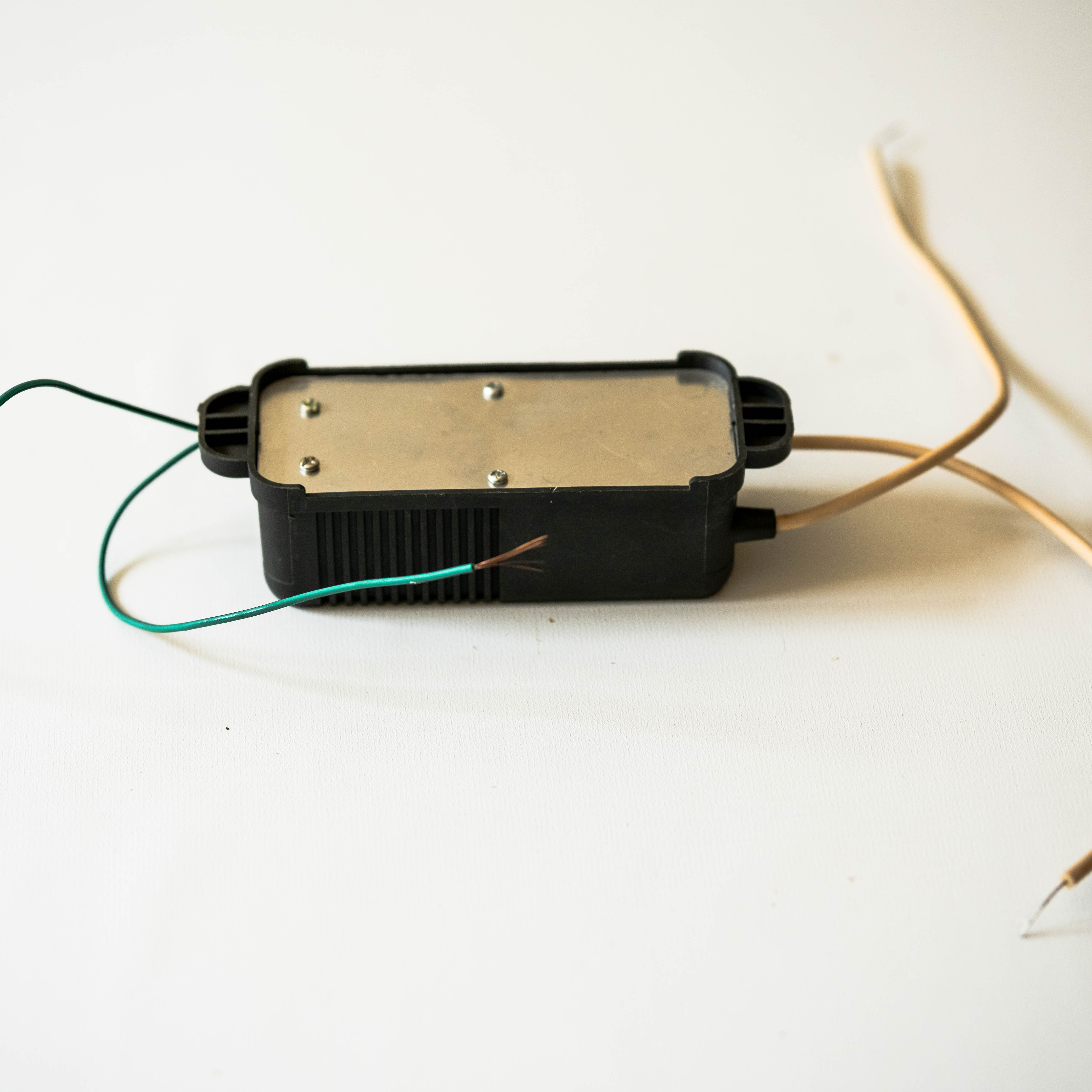
Big power, high-voltage transformers help industrial equipment convert and deliver electrical energy at the levels required for demanding processes. Their advantages include controlled voltage, dependable operation, and integration flexibility. In applications involving a big ozone generator, transformer selection directly affects how electrical power reaches the discharge system and how operators manage routine production.
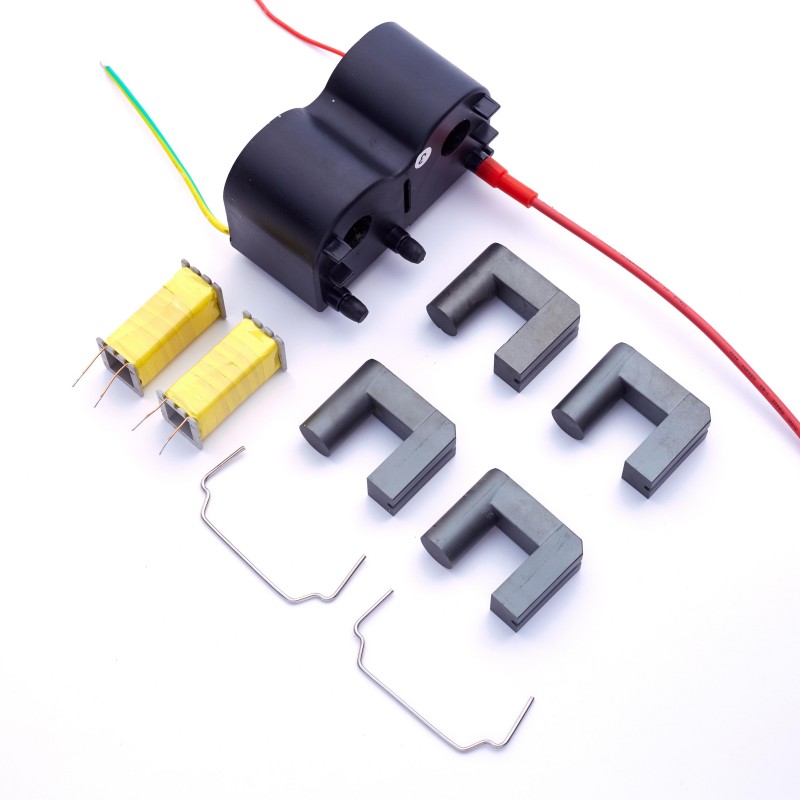
The practical value is not simply a higher voltage rating. A big ozone generator needs electrical equipment matched to its operating conditions, load behavior, and installation environment. Understanding transformer advantages helps engineering teams specify suitable equipment, plan safeguards, and avoid treating the transformer as an isolated component within a larger industrial system.
Why high-voltage transformers benefit industrial equipment
Voltage conversion for process requirements
Industrial processes rarely use electricity exactly as it arrives from a facility supply. A transformer adapts voltage to the requirements of connected equipment, making it possible to deliver power at a level suited to the process. For a big ozone generator, this conversion supports the electrical conditions needed by its high-voltage discharge assembly.
Correct conversion also helps equipment operate within its intended electrical range. When a big ozone generator receives an appropriate transformer output, engineers can assess the power path as a coordinated system rather than compensating for a mismatch downstream. Actual requirements depend on the generator design, duty cycle, and operating instructions.
A high-voltage transformer can also provide electrical separation between parts of a system, depending on its design. That separation may support equipment layout and protection planning, but it does not replace grounding, insulation coordination, or required safety controls. A big ozone generator installation should be reviewed as a complete electrical assembly.
Consistent operation under industrial demands
Production environments can involve long operating periods and changing process loads. Selecting a transformer with suitable ratings gives the connected equipment a defined power supply basis. A big ozone generator can then be assessed against expected startup conditions, continuous operation, and any recurring changes in demand identified during application engineering.
The transformer itself does not guarantee uninterrupted production; performance depends on design, protection, installation, and maintenance. Still, matching transformer capacity and electrical characteristics to a big ozone generator helps reduce avoidable stress from inappropriate supply conditions. This makes load assessment an important part of equipment specification and commissioning.
For plant teams, a clearly specified transformer simplifies troubleshooting because voltage conversion and load requirements can be checked against documented values. If a big ozone generator shows irregular behavior, technicians can investigate the supply, connections, controls, and process conditions systematically instead of assuming the transformer alone is responsible.
Operational advantages across the equipment system
Integration with controls and protection
A transformer is one element in an electrical architecture that may include switching, monitoring, protective devices, and control interfaces. Considering those elements together supports a more coherent installation. With a big ozone generator, engineers should confirm that the transformer configuration aligns with the generator controls and the facility's electrical protection strategy.
Protection needs depend on ratings, fault levels, enclosure conditions, and applicable codes. A big ozone generator should not be connected on the assumption that a high-voltage transformer automatically provides complete protection. The design team needs to establish isolation, overcurrent protection, grounding, insulation clearances, and access controls for the actual site.
Good integration planning can make commissioning more efficient. Teams can verify connection diagrams, confirm input and output requirements, and check protective device settings before energizing the system. For a big ozone generator, this structured review helps identify interface issues early, when they are easier to resolve than during production operation.
Maintainability and lifecycle planning
Transformer access, cooling arrangements, connection points, and service documentation influence maintenance work over the equipment lifecycle. When a big ozone generator is installed in a production area, planning access around both the generator and transformer can reduce disruption during inspection and servicing without compromising electrical safety.
Maintenance schedules should follow component requirements and site conditions, not generic assumptions. Records of inspections, operating conditions, and service actions help teams identify changes over time. For a big ozone generator, keeping transformer checks within the broader maintenance plan also improves coordination between electrical and process personnel.
A practical lifecycle review considers replacement access and the consequences of taking equipment offline. A big ozone generator may be part of a treatment or production process, so teams should know how transformer service affects availability and whether planned shutdowns are needed. These decisions are operational advantages of early system-level planning.
Specification decisions that determine real advantages
Matching ratings to duty and environment
The useful transformer rating depends on the connected load, operating cycle, voltage requirements, and installation conditions. Engineers should consult equipment documentation and qualified electrical personnel before specifying a unit. For a big ozone generator, the nameplate and manufacturer requirements provide a starting point for a documented load assessment.
Environmental conditions matter as well. Temperature, ventilation, dust, moisture, vibration, and available space can affect enclosure and cooling choices. A big ozone generator in a compact process room may need a different layout from equipment installed in a dedicated electrical area, even if the electrical duty is similar.
Designers should also confirm compatibility between supply frequency, input voltage, output characteristics, and connected equipment. A big ozone generator should receive only the electrical conditions specified for its design. Checking these details before procurement and installation helps prevent avoidable compatibility problems and supports safer commissioning.
Applying the advantages responsibly
High voltage introduces hazards that require qualified design, installation, and service procedures. Personnel should use suitable barriers, interlocks, lockout practices, and verification methods under applicable requirements. A big ozone generator installation also needs process-specific controls, because electrical safety and ozone exposure management are related but distinct responsibilities.
Before startup, teams should review drawings, grounding, protective settings, clearances, cooling, and access arrangements. A big ozone generator should be energized only after the responsible personnel confirm that the transformer and associated equipment are installed and tested as intended. Commissioning records establish a useful reference for later maintenance.
The strongest advantage comes from matching the transformer to the entire industrial application rather than selecting by power rating alone. When a big ozone generator, its high-voltage supply, protection, controls, and service plan are considered together, the result is a more understandable and manageable system suited to its operating demands.
FAQ
What does a high-voltage transformer do for a big ozone generator?
It adapts electrical power to the requirements of the connected system. A big ozone generator depends on the output characteristics specified for its design, so teams should verify voltage and other ratings against technical documentation rather than assume that any high-voltage unit will be suitable.
Does a larger transformer always improve industrial performance?
No. Capacity must suit the load and duty rather than simply exceed it. For a big ozone generator, oversizing or an incorrect output configuration does not automatically improve operation; review application requirements, protection, and compatibility with qualified electrical professionals.
What should teams check before installation?
Confirm ratings, wiring, grounding, protective devices, environmental conditions, access, and commissioning procedures. A big ozone generator also requires appropriate process and exposure controls. Follow equipment documentation and applicable electrical and workplace requirements before energizing or servicing the system.