
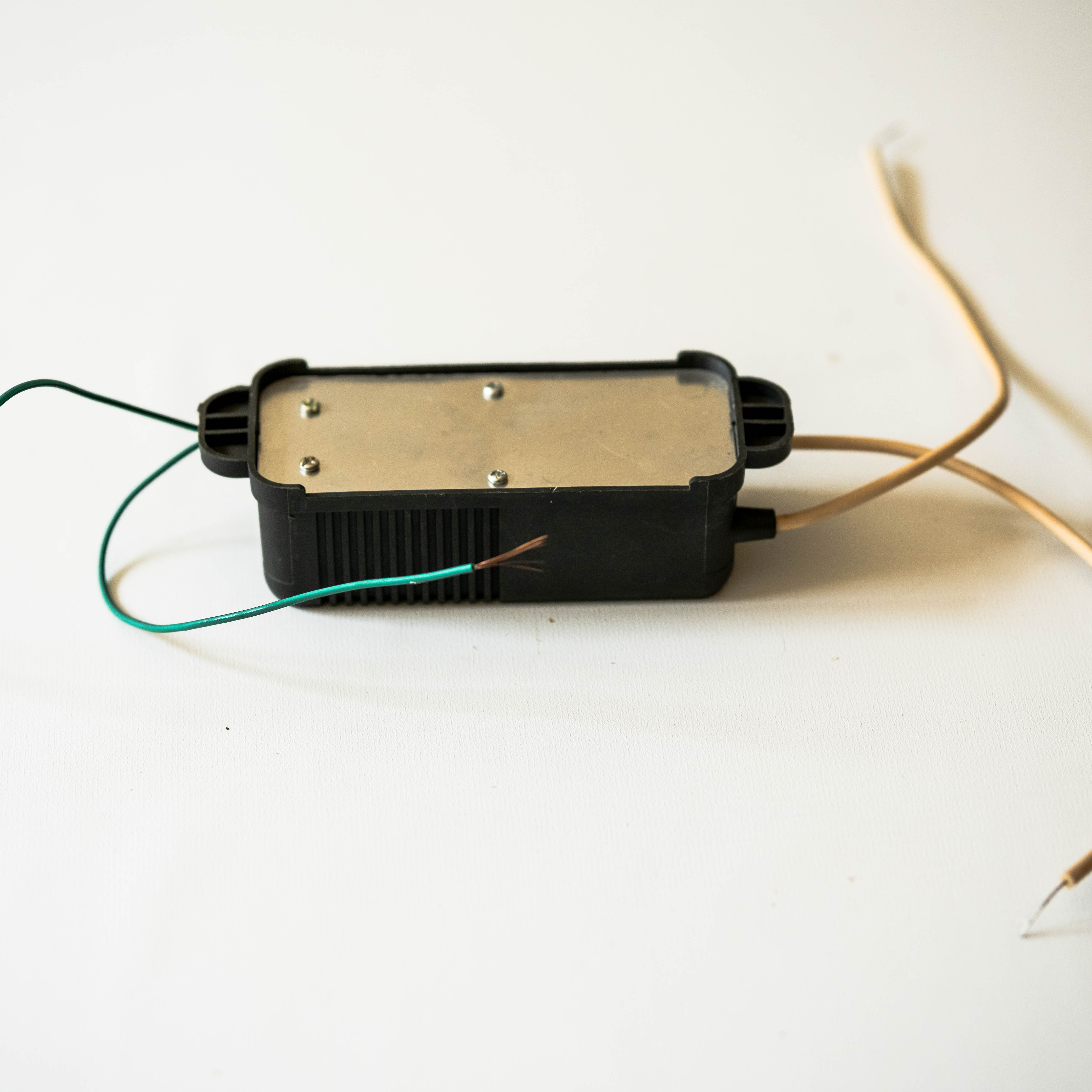
Big power transformers can reduce energy waste by lowering electrical losses as power moves from the grid to industrial equipment. For a big ozone generator installation, that benefit depends on matching transformer capacity and voltage to the load, then managing the system as it operates. The transformer does not create energy savings by itself; its design and application determine how effectively it supports the equipment.
The practical question is how transformer choices affect the energy used by a big ozone generator over real operating hours. Lower losses, suitable loading, and stable voltage can improve the electrical efficiency of the whole installation. These gains should be assessed alongside the ozone process, duty cycle, cooling needs, and operating conditions rather than assumed from transformer size alone.
How transformer losses shape energy use
Reducing losses during power conversion
A transformer experiences core losses whenever it is energized and winding losses as current flows. In a big ozone generator installation, these losses add to the electricity required by the treatment process, even though they do not contribute directly to ozone production. Efficient core materials, suitable conductor design, and sound construction can limit this overhead under the specified operating conditions.
The value of lower transformer losses increases when a big ozone generator runs for long shifts or continuously. A modest reduction in loss per operating hour can accumulate across a year, but the actual effect depends on local electricity rates, load profile, and idle time. Comparing technical loss data at expected operating loads gives buyers a more useful basis than relying on a general efficiency label.
Designers should distinguish no-load losses from load losses when evaluating a big ozone generator supply. No-load losses remain while the transformer is energized, whereas load losses change with current and therefore rise as demand increases. This distinction helps an engineering team estimate energy use across standby, partial-load, and full-load periods instead of treating operating demand as constant.
Matching capacity to the real duty
Oversizing can leave a big ozone generator transformer operating far below its intended range, while undersizing can cause excessive heating or restrict the required output. Neither choice automatically saves energy. Select capacity by reviewing the equipment nameplate, voltage requirements, expected duty cycle, startup behavior, and any planned expansion, with qualified electrical review for the specific installation.
A realistic load profile gives a big ozone generator project team better insight than peak demand alone. Record typical production settings, standby periods, and fluctuations in process demand, then consider how often each condition occurs. This information supports a capacity choice that avoids unnecessary reserve while preserving suitable thermal and electrical margins for reliable operation.
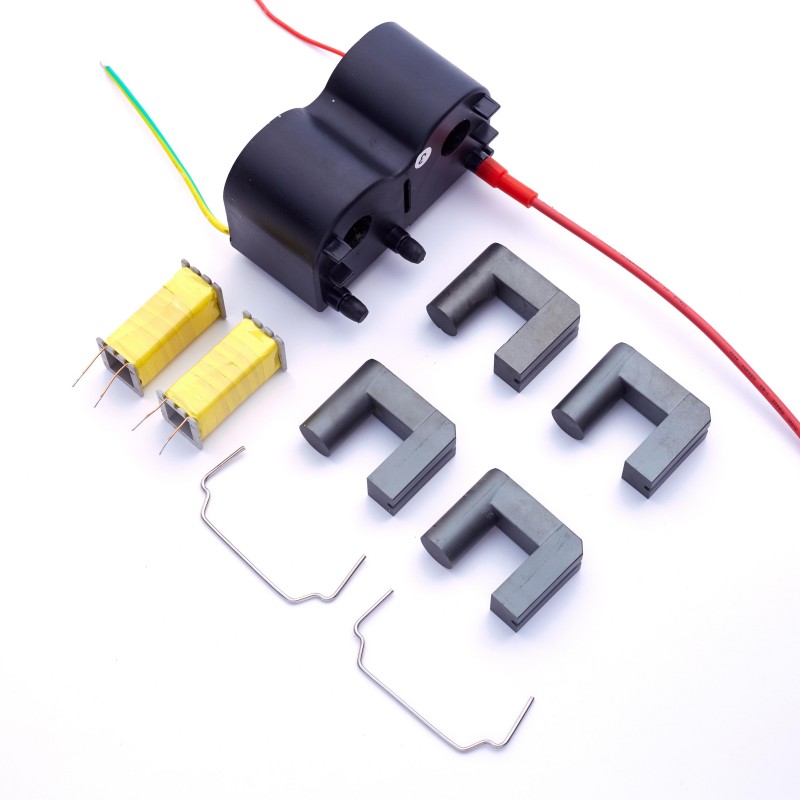
For some systems, a dedicated high-voltage transformer is part of the ozone-generation equipment rather than a large distribution transformer. The big ozone generator context makes voltage and application compatibility especially important. Confirm ratings, insulation, cooling, and integration requirements before specifying a component; a product description alone cannot establish suitability for every installation.
Operational choices that protect efficiency
Keeping voltage and loading within design limits
Stable supply voltage helps a big ozone generator operate as intended and reduces avoidable electrical stress. Persistent voltage deviation can affect connected equipment and may increase losses or trigger protective controls. Measure supply conditions at relevant operating states, investigate recurring imbalance or fluctuation, and coordinate corrective action with the facility electrical team.
Load balance matters when a big ozone generator is supplied through a multiphase network. Uneven phase loading can increase current in parts of the system and make heat distribution less favorable. Review phase currents during representative production, address imbalances at their source, and verify readings after process changes that alter connected loads.
Power quality also deserves attention because harmonics and poor connections can contribute to heating in a big ozone generator supply path. The remedy is not simply to install a larger transformer. Use measurements to identify the source, then assess equipment compatibility, connection condition, and mitigation options with qualified personnel before making changes.
Managing standby, cooling, and maintenance
A big ozone generator that sits energized during extended idle periods may incur transformer no-load losses without producing useful output. Where process and safety requirements permit, review shutdown and standby procedures to determine whether de-energizing equipment is appropriate. Any control change must preserve safe restart, required readiness, and the operating needs of the treatment process.
Cooling affects energy use and equipment condition because fans or pumps consume power while helping manage temperature. For a big ozone generator installation, inspect cooling paths, ventilation, and temperature trends at the actual load. Clean, unobstructed cooling arrangements can help equipment remain within its intended thermal conditions without adding avoidable auxiliary demand.
Routine inspection can reveal loose terminations, contamination, unusual noise, or temperature changes that merit investigation. These checks support a big ozone generator system by helping staff catch developing issues before they become operational interruptions. Maintenance should follow the equipment documentation and site safety rules, with qualified technicians handling electrical tests and repairs.
Evaluating savings for a specific installation
Building a credible energy assessment
Start a big ozone generator energy assessment with measured input power, operating hours, production settings, and standby behavior. Separate transformer losses from the energy used by the generator and its auxiliaries where measurement permits. A baseline recorded across representative operating conditions makes later comparisons more meaningful than estimates based only on rated capacity.
Compare transformer options using loss data at the loads the big ozone generator is expected to experience. Include purchase and installation considerations, but do not treat a higher initial efficiency specification as proof of a particular payback. Electricity prices, utilization, maintenance, and replacement timing all affect the financial outcome.
A useful comparison also notes process output, so changes in electricity use are considered against the required treatment result. For a big ozone generator, track operating settings and production conditions alongside power readings. This guards against interpreting lower consumption as an efficiency gain when it may instead reflect reduced output or changed process demand.
Turning findings into practical decisions
If measurements show substantial losses, assess whether the cause is transformer design, poor loading, supply quality, or operating practice. A big ozone generator project may benefit from a targeted correction rather than wholesale replacement. Prioritize actions according to verified energy impact, technical feasibility, safety, and the consequences of interrupting production.
Document ratings, test conditions, measured demand, and maintenance history for the big ozone generator supply. Clear records help facilities teams compare future performance and explain why a capacity or operating change was made. Recheck the system after modifications because new production schedules or connected loads can alter the original assumptions.
Ultimately, big power transformers save energy when their losses are controlled and their capacity fits the actual service. In a big ozone generator installation, that means evaluating the transformer as one part of a larger electrical and process system. A measured baseline, suitable specification, and disciplined operation provide a defensible basis for identifying achievable savings without promising results unsupported by site data.
FAQ
Do bigger transformers always use less energy?
No. A larger transformer may have different loss characteristics and can be poorly matched to a big ozone generator load. Compare expected loading and documented loss data rather than assuming greater capacity means lower energy use. Selection should reflect actual demand, operating hours, and required electrical margins.
Which transformer losses should facilities monitor?
Consider both no-load and load losses, alongside input power and operating hours. For a big ozone generator, recording these factors across production and standby periods helps show when losses occur. Measurements should be taken and interpreted by qualified staff using appropriate procedures and equipment.
Can operating changes reduce transformer-related consumption?
Potentially, depending on site conditions. Reviewing standby practices, phase balance, supply voltage, cooling, and load patterns can uncover avoidable demand in a big ozone generator system. Confirm any change against process, safety, and equipment requirements, then measure again to determine whether energy use actually improved.