
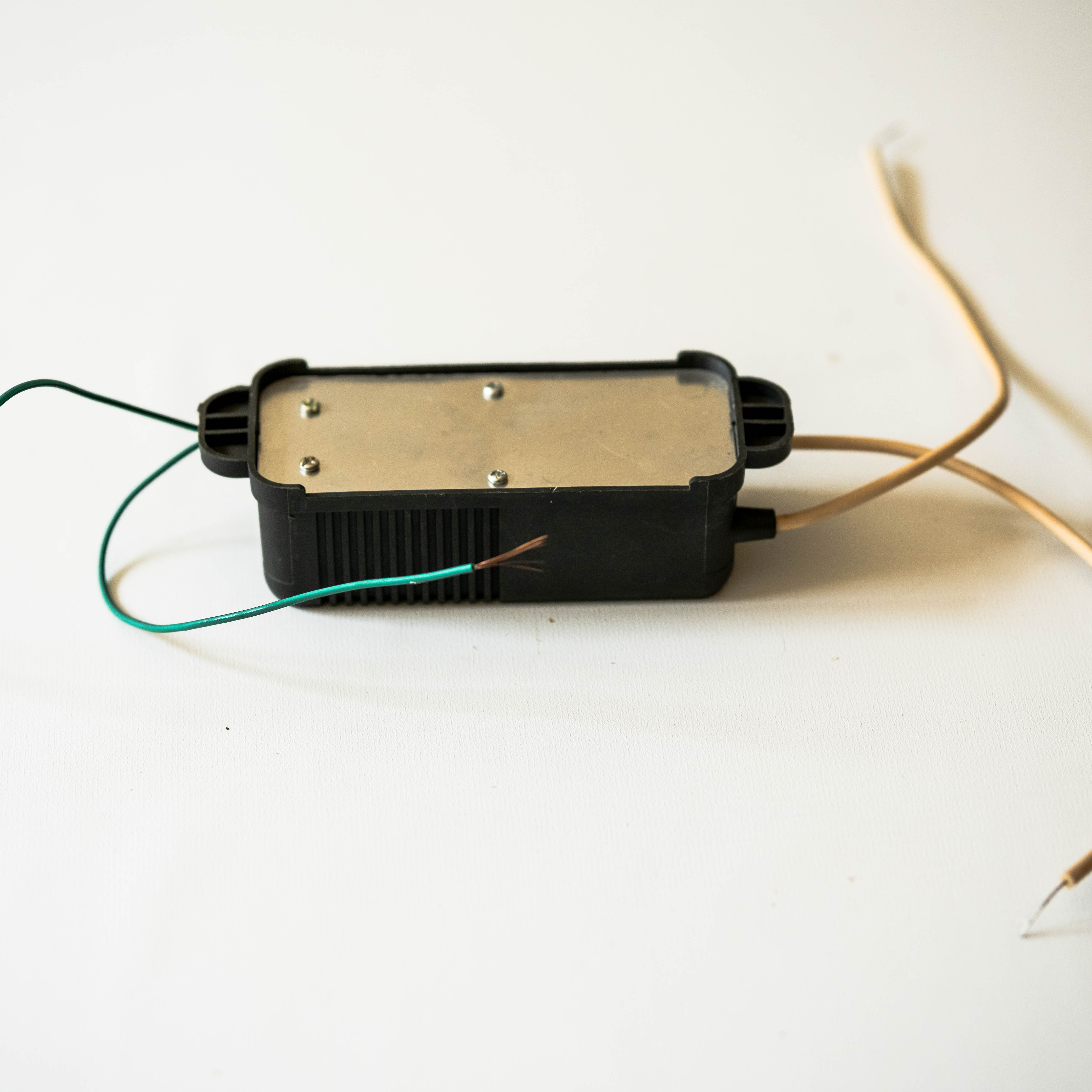
Troubleshooting a high-voltage transformer in a big ozone generator starts with identifying what changed: the unit may fail to start, produce less ozone, cycle unexpectedly, or become unusually warm. Because these symptoms can also come from airflow, wiring, or the ozone cell, a big ozone generator should be assessed as a system rather than by replacing the transformer immediately.
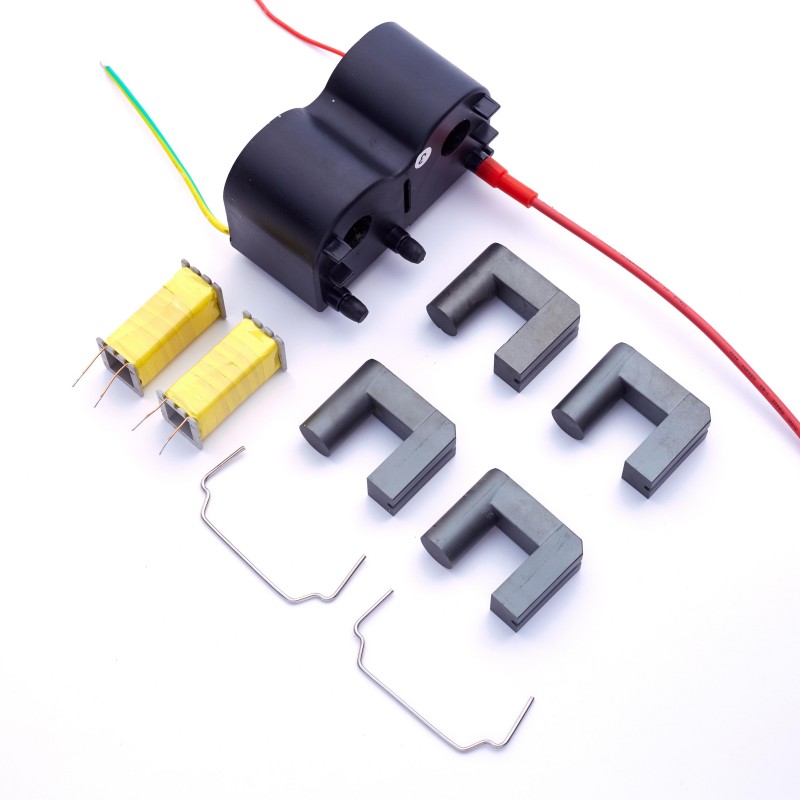
A methodical sequence helps separate a transformer fault from a control or load problem. For a big ozone generator, record the symptom, operating conditions, and recent service history before inspection; then isolate power and follow the equipment maker’s discharge procedure. High voltage can remain hazardous after shutdown, so do not open or probe an energized assembly.
Establish a Safe, Useful Baseline
Record the symptom before opening the unit
Note whether a big ozone generator is completely inactive, starts and stops, or runs while ozone output seems reduced. Record the alarm indication, run duration, ambient conditions, and whether the issue began after cleaning, a process change, or electrical work. These details make troubleshooting more reliable and help technicians compare the current behavior with normal operation.
Check the operating record for patterns rather than treating one observation as proof of transformer failure. A big ozone generator may behave differently during startup than after reaching steady operation, while process demand and ventilation can affect perceived output. Confirm the symptom more than once under consistent conditions, but stop testing if there is arcing, smoke, a burning smell, or damaged insulation.
Isolate power and inspect the installation
Before a big ozone generator is opened, disconnect and lock out its power source according to site procedure. Allow the specified discharge time and use only approved methods to confirm a safe state; never assume that switching off the panel removes stored electrical energy. Personnel without the required high-voltage training should leave internal inspection and measurement to qualified service staff.
Once safe, inspect the big ozone generator externally for blocked cooling paths, loose mounting, contamination, moisture, and signs of heat at accessible terminals. Check that ventilation and the surrounding enclosure match the installation requirements. Do not touch or clean high-voltage components unless the service instructions permit it, because residue or damaged surfaces can contribute to leakage and tracking.
Trace Power, Connections, and Transformer Output
Verify the supply and control sequence
When a big ozone generator will not start, first verify the incoming supply, disconnect position, protective devices, and control interlocks using the approved site procedure. A tripped breaker or open interlock can mimic a failed transformer. Compare supply conditions with the unit’s nameplate and wiring documentation; do not bypass a safety device to force operation.
If the controls indicate a start command but the big ozone generator remains inactive, qualified staff can inspect low-voltage control connections and the documented enable sequence. Look for loose plugs, damaged conductors, or a control fault that prevents the transformer from being energized. Use the wiring diagram for the exact model, since terminal functions and diagnostic signals are not universal.
A technician may need to measure transformer input and output, but those tests belong to personnel equipped and authorized for high-voltage work. For a big ozone generator, measurements should follow the service manual’s test points, instrument ratings, and isolation requirements. Avoid improvised probing, exposed live tests, or conclusions based on a single reading without considering the connected load.
Check connections and the electrical load
After power is safely isolated, inspect accessible wiring for looseness, discoloration, cracked insulation, and contamination. A big ozone generator with a poor connection may show intermittent operation or localized heating even when the transformer itself remains serviceable. Tightening, replacing, or cleaning parts should follow specified torque values and approved procedures, not guesswork.
The transformer works with a high-voltage load, so a fault in the ozone cell, cable, or connector can change its behavior. If a big ozone generator has unstable output, have a qualified technician assess the load path against the manufacturer’s instructions before condemning the transformer. For application context, review the big ozone generator transformer reference alongside the specifications for the installed equipment.
Visible arcing, carbon tracks, cracked potting, or a persistent electrical odor are stop-work signs, not invitations to repeat a startup test. In a big ozone generator, these clues may point to damaged insulation, contamination, excessive loading, or a clearance problem. Keep the unit isolated and arrange a documented inspection; replacing only the visibly affected connector may leave the underlying cause unresolved.
Resolve Low Output, Heat, and Repeat Failures
Separate transformer symptoms from process symptoms
Low ozone output does not automatically indicate a weak transformer. A big ozone generator can produce less output when airflow is restricted, feed gas conditions change, the ozone cell is dirty or worn, or operating settings are incorrect. Verify process conditions and maintenance status using the equipment instructions before treating reduced output as an electrical diagnosis.
Compare operating readings with the unit’s baseline and note whether output changes alongside alarms, temperature, or cycling. For a big ozone generator, this pattern can help distinguish a process restriction from an electrical fault that appears under load. Avoid increasing settings to compensate until the cause is known, since that may worsen stress on the cell or transformer.
Investigate heat and recurring shutdowns
Some warmth during operation may be normal, but unusual temperature rise, repeated thermal trips, or a new hot spot requires investigation. Check the big ozone generator’s cooling path, duty conditions, ambient temperature, and mounting clearances against its rating. Do not rely on touch as a measurement; use the approved method and limits specified for the equipment.
If shutdowns return after cooling, keep a log of run time, load, alarm status, and surrounding conditions rather than repeatedly resetting the unit. A big ozone generator may be reacting to a ventilation issue, a load fault, incorrect supply, or internal component damage. Qualified service staff can use the pattern to guide inspection and decide whether repair or transformer replacement is appropriate.
After service, confirm that the root cause has been addressed and that all covers, guards, and connections are restored before controlled restart. Record the parts inspected, measurements taken, and operating conditions for the big ozone generator. A stable run under the specified process conditions is more useful than a brief no-load test, but all commissioning checks must follow the service procedure.
FAQ
Can a big ozone generator run if its transformer is failing?
Possibly, depending on the fault: a big ozone generator may start intermittently, trip under load, or show reduced output. Those symptoms are not conclusive, so document the behavior and have qualified personnel test the assembly safely.
Why does the transformer become hot during operation?
Heat can relate to operating duty, restricted cooling, incorrect supply, or an abnormal load. In a big ozone generator, compare temperatures and operating conditions with the equipment documentation, and stop operation if there are signs of damage or overheating.
Should I replace the transformer when output falls?
Not before checking process conditions, airflow, controls, wiring, and the ozone cell. A big ozone generator needs a cause-based diagnosis, since replacing a transformer without addressing a connected fault may not resolve the problem.