
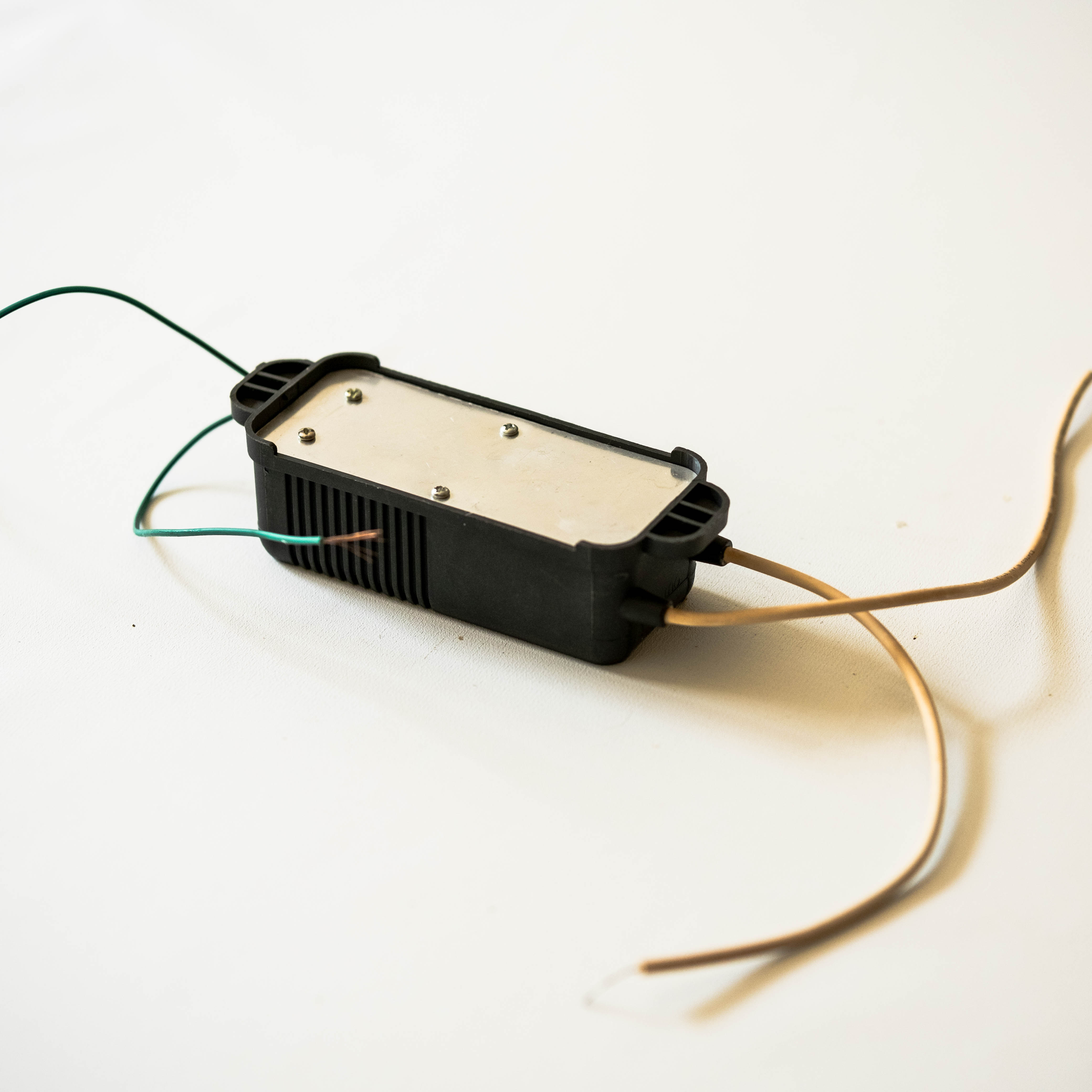
Optimal transformer performance depends on maintenance that reflects the equipment’s actual duty, environment, and load. For a big ozone generator, the transformer supplies high voltage to the ozone-producing system, so small changes in cooling, insulation, or electrical connections can affect dependable operation. A planned routine helps identify developing issues before they become unplanned interruptions.
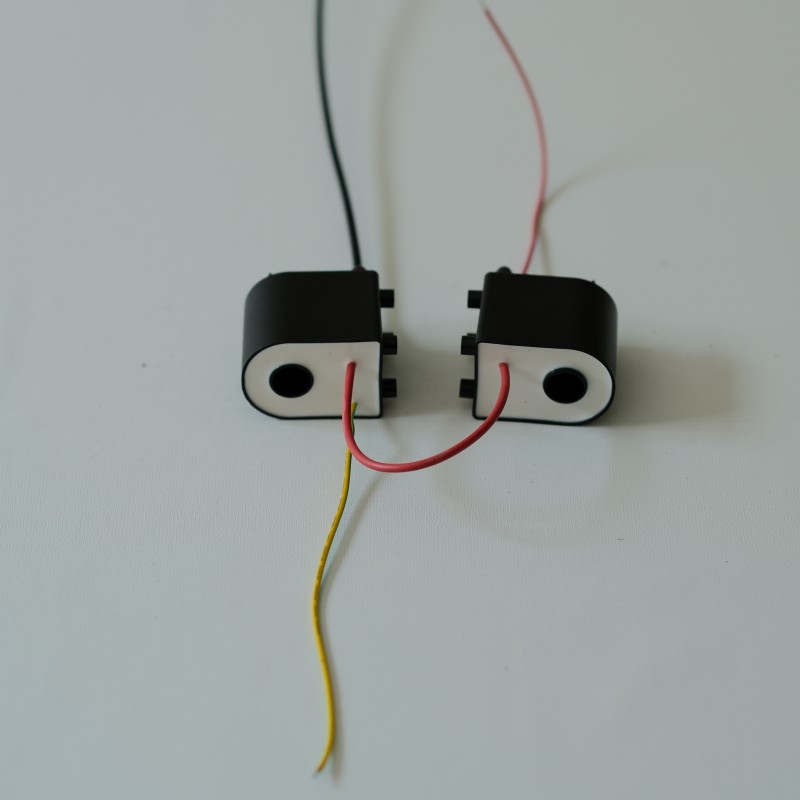
Maintenance should be based on the transformer’s design, manufacturer instructions, operating conditions, and site safety rules. A big ozone generator may run for extended periods or operate in a demanding industrial environment, making consistent observation especially useful. The practices below focus on practical checks, safe testing, and records that help keep transformer performance stable over time.
Establish a Routine Inspection Baseline
Inspect the transformer and surrounding area
Begin each inspection with a visual check of the enclosure, mounting, cables, terminals, and accessible insulation. For a big ozone generator, note unusual discoloration, corrosion, dust buildup, moisture, loose hardware, or signs of arcing. Compare observations with the equipment’s normal condition rather than relying on memory; dated notes and consistent inspection points make gradual changes easier to recognize.
Keep the area around a big ozone generator transformer clean, dry, and clear enough for airflow and safe access. Check that guards and covers remain in place and that cable routing has not changed in a way that creates strain or abrasion. If inspection reveals damage, odor, unexpected noise, or a loose connection, follow site procedures and qualified-personnel requirements before returning equipment to service.
Check operating conditions and load
Record operating voltage, current, temperature indications, and relevant process conditions at intervals suitable for the installation. A big ozone generator can respond to changes in process demand, so readings should be considered alongside production conditions and the transformer rating. Compare measurements with approved operating limits and the established baseline, not with assumptions drawn from a different system.
A changing load can influence heat and electrical stress, which is why operators should connect transformer observations to the process record. For a big ozone generator, note starts, stops, extended operation, and unusual demand shifts alongside readings. This context helps maintenance staff judge whether a temperature or current change is a one-time operating variation or a pattern that deserves investigation.
Protect Cooling and Electrical Insulation
Maintain clean, effective cooling
Heat control is central to transformer service life. Keep vents, cooling passages, fans, and heat-transfer surfaces clean according to the equipment instructions, and verify that fans operate as intended where fitted. A big ozone generator installed near process dust, vapors, or restricted airflow may need inspection intervals adapted to those conditions, while cleaning methods must suit the equipment and site controls.
Track temperature during representative operating conditions rather than checking only when the system is idle. If a big ozone generator transformer runs hotter than its normal baseline, assess airflow, ambient temperature, load, and possible contamination before deciding on corrective work. Do not bypass protective devices or alter cooling arrangements without engineering approval; a temporary workaround can hide a developing fault.
Preserve insulation and connections
Insulation performance can be affected by heat, moisture, contamination, vibration, and electrical stress. Keep the transformer clean and dry, and investigate water ingress or deposits promptly. In a big ozone generator installation, follow the prescribed isolation and discharge procedures before any internal examination, because high-voltage components may retain hazardous energy even after the supply is switched off.
Connections should be checked for signs of heating, corrosion, movement, or damaged insulation. Any tightening or repair must follow the specified torque values and be performed by qualified personnel under an approved isolation procedure. For a big ozone generator, stable electrical contacts support predictable operation, but repeated retightening without diagnosing the cause can damage terminals or conceal vibration and alignment problems.
Use Safe Testing and Maintenance Records
Schedule condition testing appropriately
Electrical testing can establish a useful condition baseline, but the correct method and interval depend on transformer construction and operating requirements. A qualified technician may recommend insulation resistance checks or other suitable diagnostic tests. For a big ozone generator, testing should be planned around safe shutdown requirements and the process impact of taking the equipment out of service.
Compare test results with previous measurements taken under comparable conditions, and interpret them against manufacturer guidance and applicable standards. A single result should not automatically trigger a repair or prove that the transformer is healthy. When a big ozone generator shows a meaningful change in test data, combine that evidence with temperature, load, visual findings, and operating history to determine next steps.
Document findings and corrective actions
A useful maintenance record identifies the asset, date, operating state, readings, inspection findings, and work completed. For a big ozone generator, note process conditions as well as transformer data so future reviewers can understand the context. Record unresolved observations, assigned actions, and follow-up dates; this keeps minor concerns visible and prevents important checks from being lost between shifts.
Use the records to refine inspection frequency when operating conditions or equipment history justify a change, while retaining required manufacturer and regulatory intervals. If the big ozone generator transformer has experienced repeated overheating, trips, or insulation concerns, escalate the pattern for technical review rather than treating each event separately. Clear records help maintenance and operations teams coordinate decisions and verify that corrective actions worked.
FAQ
How often should a transformer be inspected?
The interval depends on design, operating hours, environment, and manufacturer guidance. A big ozone generator in continuous or dusty service may warrant more frequent visual checks, while formal testing follows a planned schedule. Use baseline data and site risk assessment to set intervals, then review them when conditions or fault history change.
Can operators clean transformer components themselves?
Operators may perform only the external housekeeping tasks permitted by site procedures. Internal cleaning, electrical work, or access to high-voltage areas requires proper isolation and qualified personnel. For any big ozone generator, follow the equipment instructions and safety controls rather than applying a general cleaning method that could damage insulation.
What signs require prompt investigation?
Unusual heat, noise, odor, visible damage, moisture, repeated protective trips, or readings outside approved limits deserve prompt attention. A big ozone generator should be handled under established shutdown and escalation procedures when a potentially unsafe condition appears. Record what was observed and have qualified staff determine whether inspection, testing, or repair is necessary.